





























































































 Claimed
About Boca Recovery Center – Indiana Drug and Alcohol Rehab
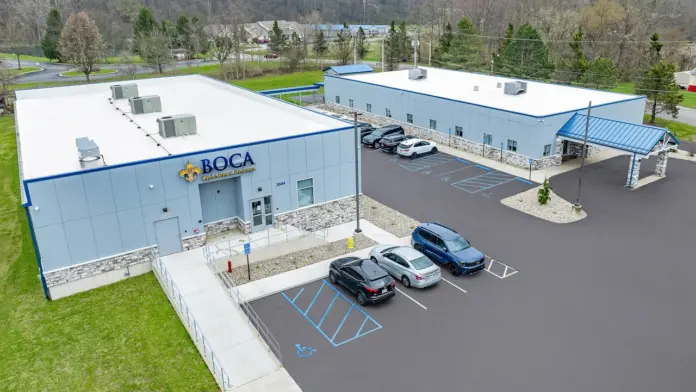
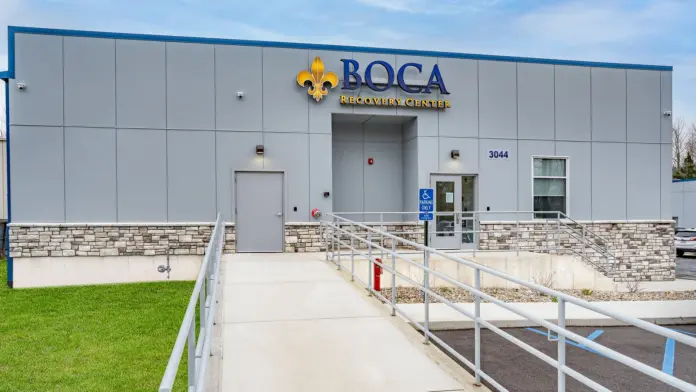
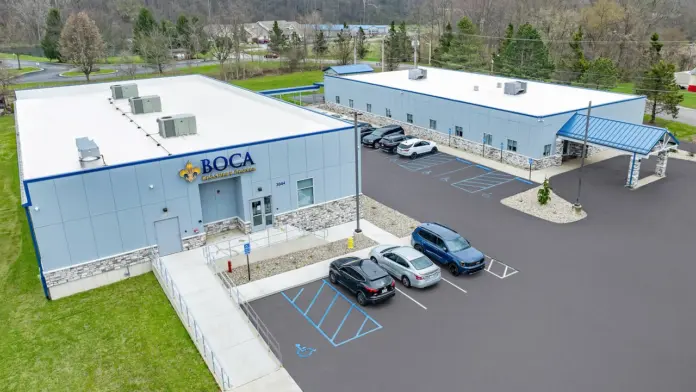
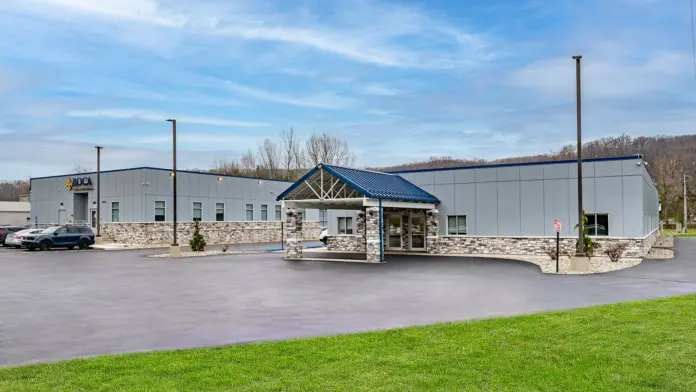
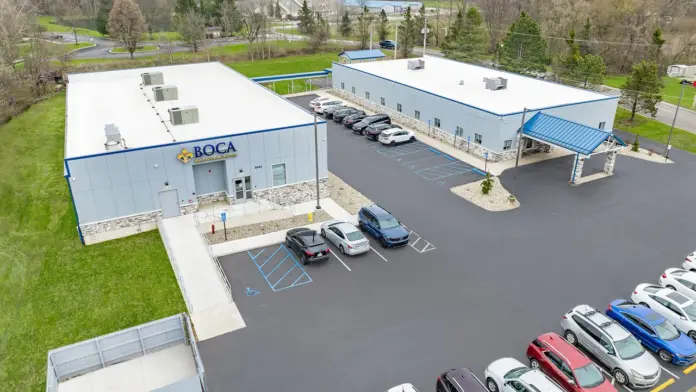
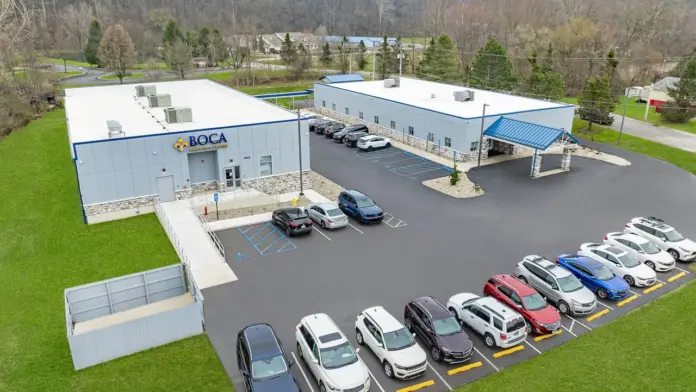
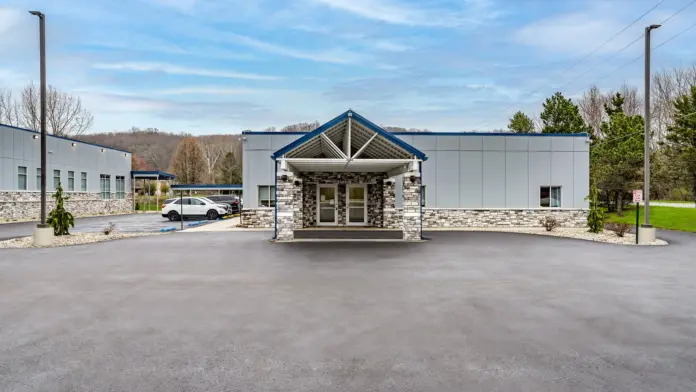
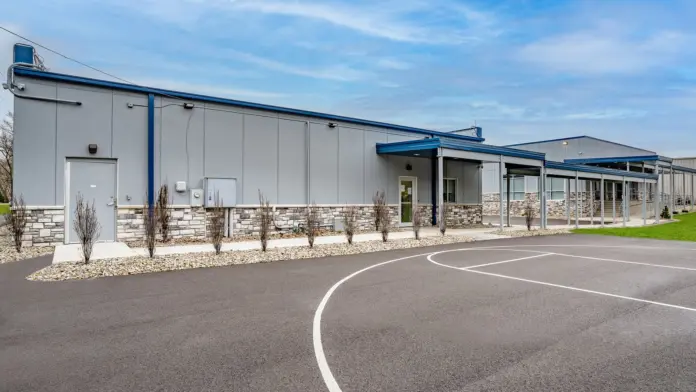
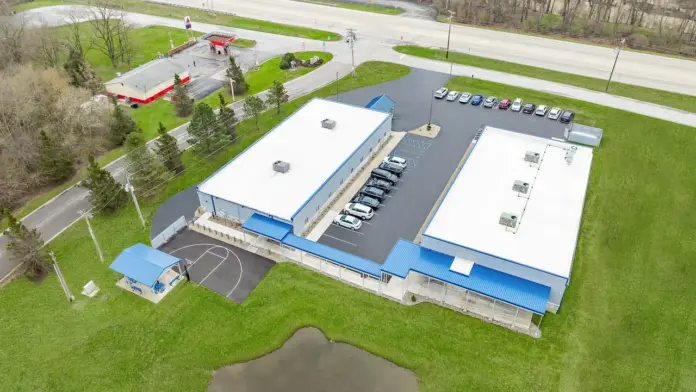
Boca Recovery Center Huntington is a drug and alcohol rehab facility in Huntington, Indiana, offering 24/7 clinical services, medical detox, and residential addiction treatment. Located near the Fort Wayne metropolitan area at 3040 W Park Drive, the center treats substance use disorders and co-occurring mental health conditions with a focus on comfort and privacy. The program combines evidence-based and holistic therapies, medication-assisted treatment, and individualized care planning to support long-term recovery.
Addiction Treatment Programs at Boca Recovery Center Huntington
Treatment often begins with medical detox, where withdrawal symptoms are managed 24/7 with clinical supervision and medication support to ease discomfort. Clients can then transition to residential inpatient care in Huntington, which provides a structured environment with daily therapy, skill-building, and peer support tailored to each person’s needs.
Boca Recovery Center Huntington emphasizes dual diagnosis care for co-occurring mental health conditions, medication-assisted treatment for opioid and alcohol use disorders, and culturally sensitive programming for LGBTQ+ individuals and BIPOC communities. When clients are ready for step-down care, the facility refers to trusted nearby providers for intensive outpatient and outpatient services, and offers customized aftercare planning, alumni support, and relapse prevention strategies.
What to Know About Boca Recovery Center Huntington
- Location: Huntington, Indiana, near the Wabash River and about 30 minutes from Fort Wayne International Airport, accessible from Indiana, Ohio, Kentucky, and Illinois.
- Levels of care: Medical detox and residential inpatient treatment; refers to nearby providers for IOP and outpatient services.
- Who they treat: Adults of all genders, including professionals, LGBTQ+ individuals, and those with dual diagnosis needs.
- Approach: Evidence-based and holistic therapies, medication-assisted treatment, trauma-informed and culturally competent care.
- Payment options: Accepts private insurance (Aetna, Blue Cross Blue Shield, Cigna, Humana, UnitedHealth, TRICARE, and others), military insurance, self-pay, and financial aid.
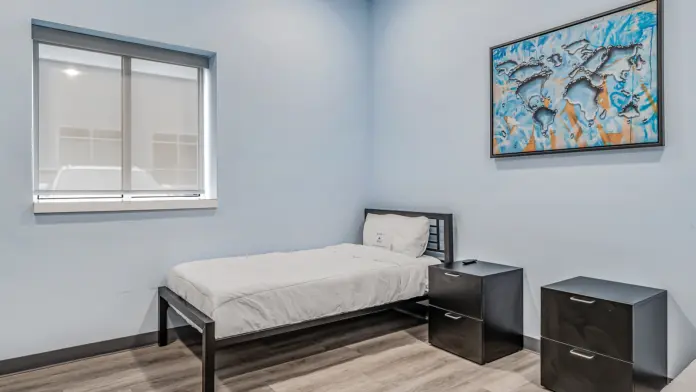
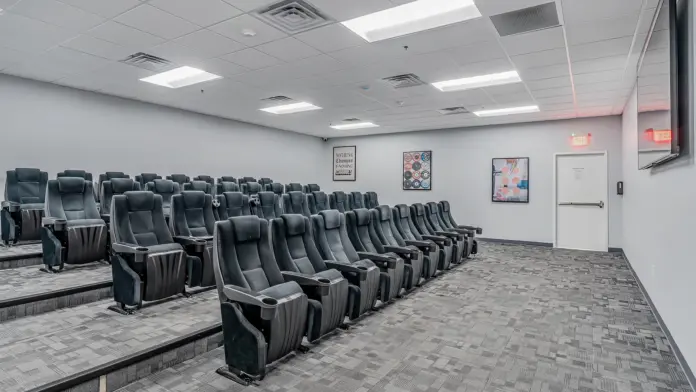
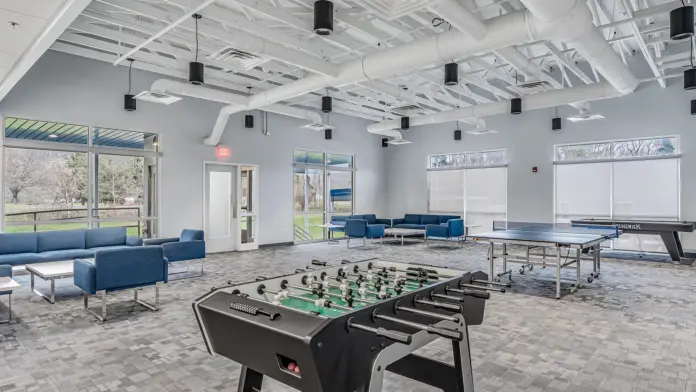
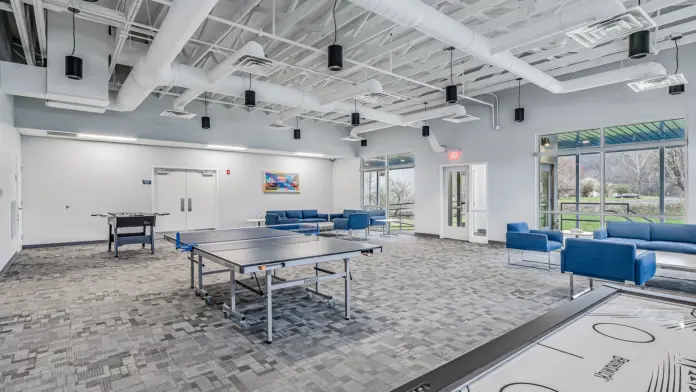
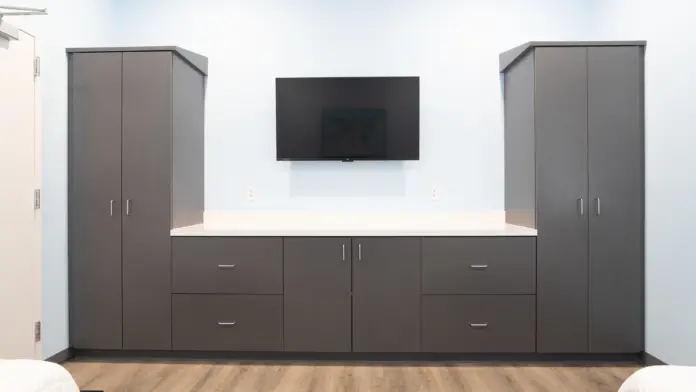
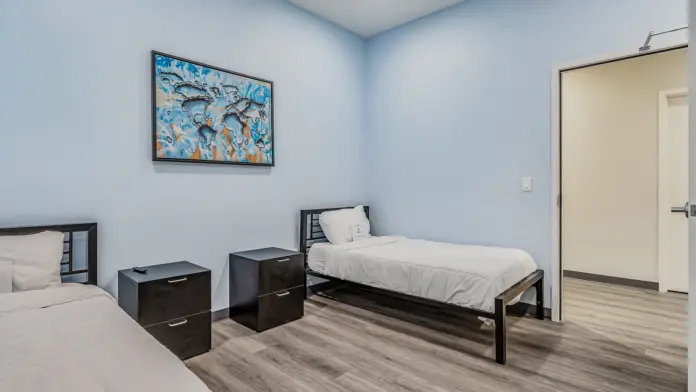
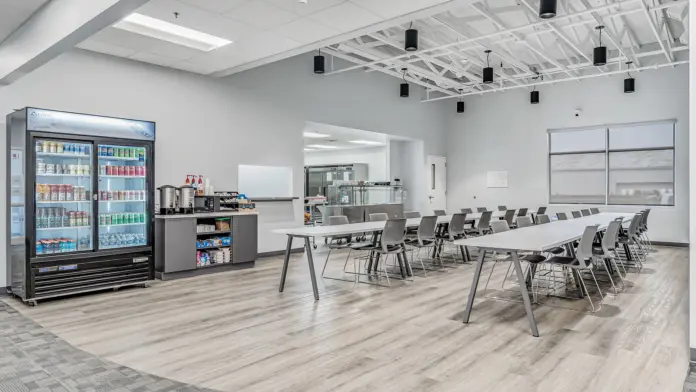
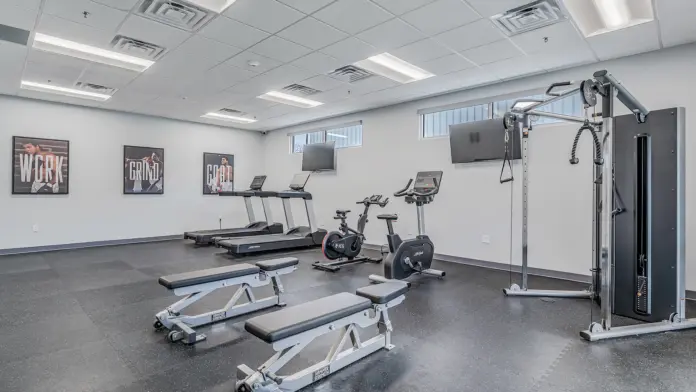
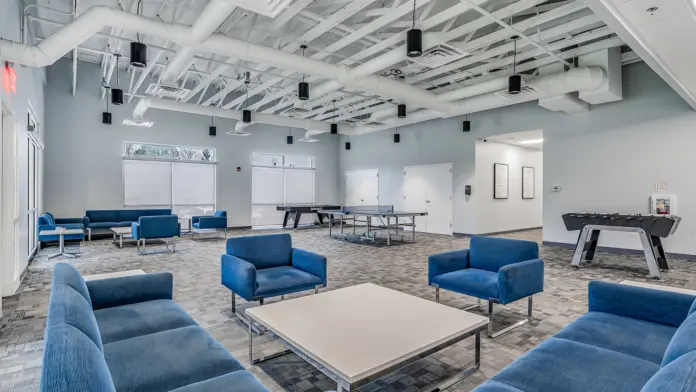
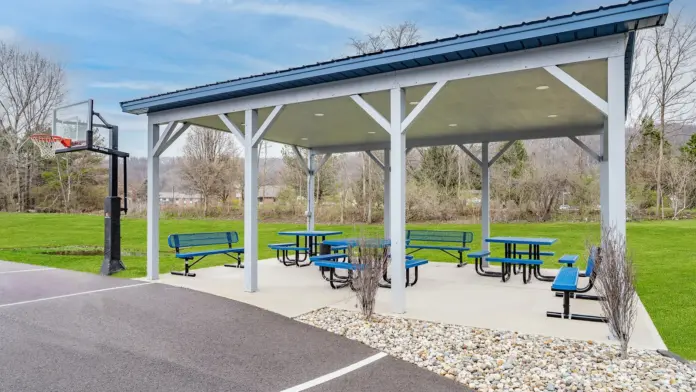
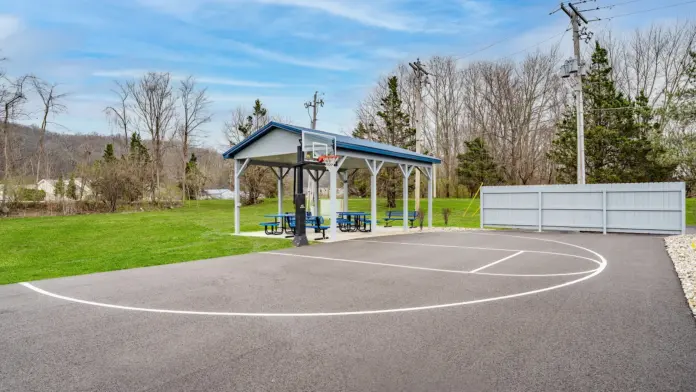
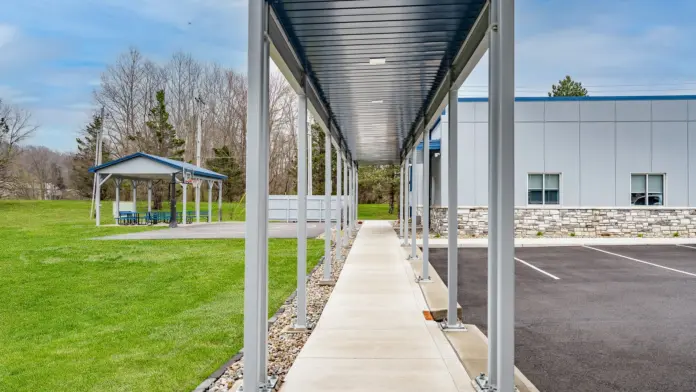
- Amenities: Luxurious private rooms, chef-prepared meals, fitness center, game room, movie theater, picnic areas, and barber services.
- Aftercare: Customized aftercare planning, alumni programming, ongoing therapy options, and community support.
How to Begin SUD Treatment in Huntington
To start your recovery journey at Boca Recovery Center Huntington, reach out to the admissions team for a confidential assessment and insurance verification. Staff can explain program options, review payment assistance, and help you or your loved one take the next step toward healing.
Contact Boca Recovery Center Huntington today to learn more about medical detox and residential addiction treatment near Fort Wayne.
Facility Overview
 31 – 50
  15 - 30
 Latest Reviews

Thank you so much for your heartfelt review! We're thrilled to hear that Boca Recovery Center Huntington, Indiana, played such a pivotal role in your journey to recovery. Our dedicated staff, including Michelle, Tiffany, Candace, and Taylor, works tirelessly to provide compassionate, evidence-based care, supporting individuals across Huntington County and Northeast Indiana.
Your experience reinforces our commitment to creating a safe and nurturing environment for everyone we serve. We're always here whenever you or someone you know needs support!

Thank you so much for your heartfelt review of Boca Recovery Center Huntington, Indiana. We are truly grateful for your kind words about our dedicated staff, who are always here to provide respectful and professional support to individuals in their recovery journey across Huntington County and Northeast Indiana. Your experience reflects our commitment to evidence-based care and creating a compassionate environment for all. Remember, we’re always here whenever you or someone you know needs support!


Rehab Score
 Our Methodology


Gallery


Accepted Insurance
Other Forms of Payment
Private insurance refers to any kind of healthcare coverage that isn't from the state or federal government. This includes individual and family plans offered by an employer or purchased from the Insurance Marketplace. Every plan will have different requirements and out of pocket costs so be sure to get the full details before you start treatment.
Self-pay involves paying for treatment out of your own pocket. You can use savings or credit, get a personal loan, or receive help from family and friends to fund your treatment. If you don't have insurance or your insurance plan doesn't cover a specific program, self-pay can help ensure you still get the care you need.
Military members, veterans, and eligible dependents have access to specific insurance programs that help them get the care they need. TRICARE and VA insurance can help you access low cost or no cost addiction and mental health treatment. Programs that accept military insurance often have targeted treatment focused on the unique challenges military members, veterans, and their families face.
Financial aid can take many forms. Centers may have grants or scholarships available to clients who meet eligibility requirements. Programs that receive SAMHSA grants may have financial aid available for those who need treatment as well. Grants and scholarships can help you pai for treatment without having to repay.
Addiction Treatments
Levels of Care
Boca Recovery Center Huntington offers outpatient rehab as a form of treatment. They will allow you to enroll in services whether you are at home or in a sober living program. This level of care allows you to return home after you complete treatment each day. In outpatient treatment you can have access to therapists, case managers and medication providers.
At Boca Recovery Center Huntington they believe that you will have the lowest level of relapse risk while enrolled in an inpatient program. Living on site ensures that you are not tempted by the stress of the outside world. It also keeps you away from triggers or cravings. This method of treatment includes therapy on an individual or group basis.
At Boca Recovery Center you can spend between nine to 20 hours each week in intensive outpatient (IOP) treatment. This is a step down from partial hospitalization programming so it is less intensive. However, you will still be given the opportunity to engage in services like therapy and medication management. This method of treatment also provides peer support and gives you connections to a recovery community.
Partial hospitalization programs are the most intensive outpatient treatment options. At Boca Recovery Huntington this program includes 30 hours a week of treatment. This can include different types of therapy and drug education classes. If you need medication then they can help with this too.
Each program that Boca Recovery Center offers comes with aftercare support, including those at the Huntington location. They want to make sure you are set up for as much success in your recovery as possible. This can include connecting you to programs located on site or they can make referrals to community services such as Alcoholics Anonymous (AA) or Narcotics Anonymous (NA) meetings.
12 step programs can be a part of programs like inpatient treatment or sober living. They include different types of teachings and therapy techniques to help people overcome their addictions and learn to maintain sobriety. The 12 step model is all about active engagement in a group setting.
Sober living homes are designed to help you maintain sobriety by keeping you involved in a recovery community. Most of them have rules and guidelines to follow to hold you accountable. They offer connections to local AA/NA groups and may offer group resources, such as life skills training, in their own facilities. You can enter sober living on your own or be referred as part of a continued care plan once you leave inpatient treatment.
Intervention services include assistance for family members who believe their loved one might be struggling with drug or alcohol addiction. An interventionist can help you arrange a meeting to help the individual understand how their substance use affects themselves and others, as well as present treatment options.
24 hour clinical care programs are typically designed for crisis or immediate intervention. This can sometimes be the first place individuals go to seek help. They can help with emergency mental health situations like suicidal thoughts as well as substance use emergencies. When you are discharged from a 24 hour program, they may set you up with continued services based on your specific needs.
Boca Recovery Center Huntington offers a medical detox program that provides around the clock supervision. They use both medications and therapy to ensure you are getting quality care. They also help keep you as comfortable as possible when experiencing withdrawal symptoms. Boca Recovery Center provides a safety and health focused approach. Once you complete detox, they will help step you down to the appropriate levels of treatment.
Treatments
Boca Recovery Center in Huntington offers individualized treatment plans to address your drug addiction. They focus on providing inpatient treatment so you can have around the clock supervision and support while living in a sober environment. They will provide a range of treatment options such as individual therapy and family support.
If you are struggling with alcohol use and need treatment, you can seek help in a variety of ways here. If you are actively using then you could be provided with detox services prior to any additional treatment options to ensure you are safe and medically sound. After detox, they may prescribe Vivitrol and get you set up with inpatient treatment and aftercare planning.
If you are struggling with opioid addiction then they have a variety of treatment methods to offer you at Boca Recovery Center in Huntington. One of those methods is their MAT program which uses FDA-approved prescriptions like Suboxone. Boca Recovery believes that quitting “cold turkey” could cause more harm than good so they ensure that you are supported appropriately if you choose to take this option.
Oftentimes, substance use disorders occur in conjunction with mental health diagnoses, such as anxiety or depression. This is called a dual diagnosis. Boca Recovery Center Huntington provides a safe space for you to address those co-occurring disorders.
At Boca Recovery Center, you’ll learn how to identify thoughts, feelings and behaviors associated with mental health and substance use concerns. They also provide additional support and treatment for those struggling with eating disorders.
Indiana provides substance abuse treatment programs for individuals with substance use disorders. With a range of care levels, including outpatient, inpatient, and partial hospitalization programs, you'll be able to find the right treatment for you. Programs usually include a substance abuse evaluation, evidence-based therapies such as cognitive-behavioral therapy (CBT), dialectical behavior therapy (DBT), and group therapy address substance abuse and enhance coping strategies. By offering personalized treatment plans and a supportive environment, these programs strengthen your ability to maintain your recovery.
Programs
Boca Recovery Center Huntington offers treatment for adults who are struggling with co-occurring disorders. They want to help you become the best version of yourself possible. Each adult is different in what they are dealing with or what their schedule looks like for treatment. They will work with you to ensure your needs are appropriately met.
Young adult programs can help provide a positive transition from adolescence to adulthood. In addition to addiction treatment they may also include employment-related resources such as resume building and interview training. This type of program can also help with housing needs and will include training on how to adequately take care of yourself as an adult.
Nearly one million adults age 65 and older live with a substance use disorder. Treatment providers who specialize in senior care understand the social, psychological, and physical effects of aging and how they relate to recovery. They can help clients address particular challenges and risks they may face as they get older such as overdosing and medication interactions and dependencies.
Men face specific challenges and concerns when seeking addiction treatment. Gender-specific recovery programs help them tackle these issues head-on in an environment that's focused, targeted, and distraction-free. It also gives them the opportunity to connect with and learn from other men who have been through a similar journey and can offer support for the next step.
Rehabs for women provide a safe, nurturing space for female clients to heal. These treatment programs consider the specific obstacles that women can face during recovery and place a special emphasis on mental, social, physical, and reproductive health. They explore how each woman's experience has shaped the trajectory of their substance use, addressing issues such as sexual abuse and past trauma.
Recovery is most successful when clients feel accepted and validated by their peers and treatment providers. Facilities that offer LGBTQ-inclusive programming are committed to creating a safe space where everyone can grow and recover without fear of judgment or discrimination. They will have dedicated policies in place to create a safe and supportive environment that fosters free expression.
Clinical Services
Cognitive Behavioral Therapy (CBT) is a therapy modality that focuses on the relationship between one's thoughts, feelings, and behaviors. It is used to establish and allow for healthy responses to thoughts and feelings (instead of unhealthy responses, like using drugs or alcohol). CBT has been proven effective for recovering addicts of all kinds, and is used to strengthen a patient's own self-awareness and ability to self-regulate. CBT allows individuals to monitor their own emotional state, become more adept at communicating with others, and manage stress without needing to engage in substance abuse.
Dialectical Behavior Therapy (DBT) is a modified form of Cognitive Behavioral Therapy (CBT), a treatment designed to help people understand and ultimately affect the relationship between their thoughts, feelings, and behaviors. DBT is often used for individuals who struggle with self-harm behaviors, such as self-mutilation (cutting) and suicidal thoughts, urges, or attempts. It has been proven clinically effective for those who struggle with out-of-control emotions and mental health illnesses like Borderline Personality Disorder.
Trauma therapy addresses traumatic incidents from a client's past that are likely affecting their present-day experience. Trauma is often one of the primary triggers and potential causes of addiction, and can stem from child sexual abuse, domestic violence, having a parent with a mental illness, losing one or both parents at a young age, teenage or adult sexual assault, or any number of other factors. The purpose of trauma therapy is to allow a patient to process trauma and move through and past it, with the help of trained and compassionate mental health professionals.
Research clearly demonstrates that recovery is far more successful and sustainable when loved ones like family members participate in rehab and substance abuse treatment. Genetic factors may be at play when it comes to drug and alcohol addiction, as well as mental health issues. Family dynamics often play a critical role in addiction triggers, and if properly educated, family members can be a strong source of support when it comes to rehabilitation.
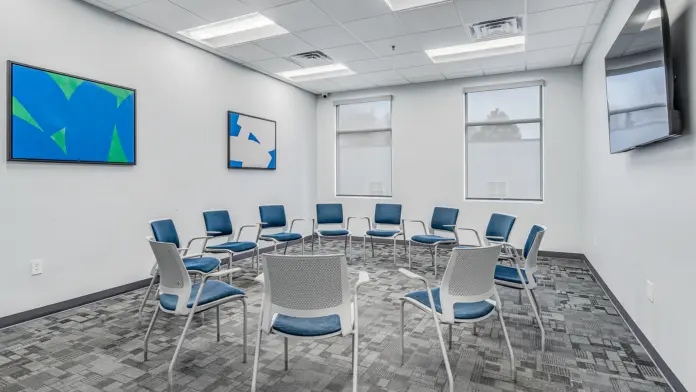
Group therapy provides a unique experience for men and women to encounter a supportive environment where you can share your experiences and gain insight from your peers who understand your struggles. Group therapy improves your journey and helps promote sustainable recovery.
Qualified therapists in Indiana use a customized treatment approach for individual therapy to address your drug and alcohol addiction treatment. This considers your past history and life circumstances to help you uncover the underlying issues that trigger addictive behavior and manage these factors to support a healthy approach to recovery.
Motivational interviewing aims to stimulate the client’s personal motivation and commitment to change. Rather than receive advice and warnings from the therapist, the client is given the opportunity to share their concerns and reach their own conclusions.
In couples therapy, you and your partner work with a psychologist to identify challenges in the relationship and what changes need to be made. You’ll work on listening, communicating, and navigating those changes in healthy ways.
Life skills include cognitive skills, interpersonal skills, and personal skills that help you manage daily living. Cultivating these skills during rehab in Indiana is an important part of recovery. With these skills, you’ll be able to navigate challenges and prevent relapse.
Feelings of withdrawal and intense cigarette cravings make quitting smoking difficult. Nicotine replacement therapy can double your chances of long term success. This therapy provides a small amount of nicotine, so you can slowly wean yourself off this addictive substance.
To function properly, your body must have nutritional balance. Addiction throws off this balance by depleting your body of essential nutrients. Nutrition therapy aims to restore this balance by providing a healthy diet that supports healing and long term sobriety.
Amenities
-
 Residential Setting
 -
 Private Rooms
 -
 Gym
Gym -
 Luxury Accommodations
 -
 Basketball Court
 -
 Private Setting
 -
 WiFi
WiFi -
 Recreation Room
 -
 Private Transportation
Staff
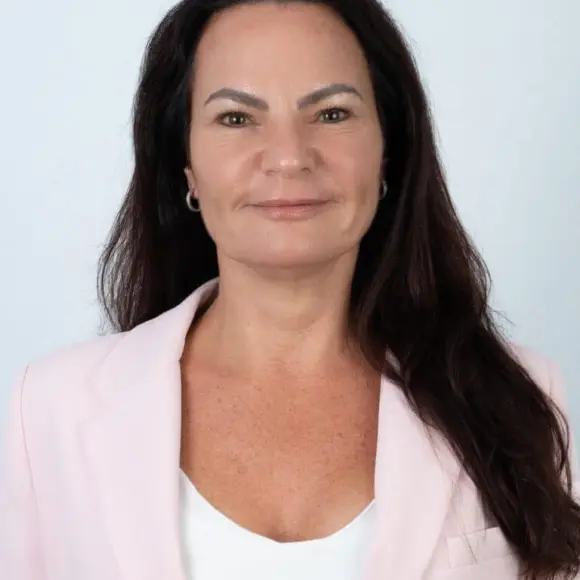
Dr. Alison Tarlow, Psy.D
Chief Clinical Officer
Rehab.com regularly reviews this listing for accuracy but changes may occur between updates. For the most up-to-date information, please contact Boca Recovery Center – Indiana Drug and Alcohol Rehab.
Contact Information


3040 W Park Dr
Huntington, IN 46750
Sponsored Helpline


