Sponsored Helpline






























































































 20 Min Read
Therapy is a central part of treatment for drug and alcohol addiction. Substance use disorders are complex conditions that affect a person’s brain, behavior, physical health, relationships, and daily functioning. According to SAMHSA’s 2024 National Survey on Drug Use and Health (NSDUH)1:
48.4 Million People With SUD
Roughly 48.4 million people ages 12 and older in the United States met the criteria for a substance use disorder in 2024
Only 1 in 5 Received Treatment
Of those who needed substance use treatment, only about 1 in 5 received it.
While initially daunting, substance abuse treatment can help individuals regain control of their lives. Effective treatment for substance use disorder includes an individualized treatment plan that treats the physical symptoms of addiction while also addressing the underlying causes of substance abuse and how it impacts the person’s mental health, social interactions, family relationships, career, and experiences with the law.
Treatment programs generally combine multiple types of therapy, including individual and group sessions, to give people the practical skills they need to manage triggers, process difficult emotions, and sustain recovery over time. This guide covers the most widely used therapy approaches, the evidence behind them, and practical guidance on what to expect.
Key Points
- Behavioral therapies such as CBT, DBT, and motivational interviewing are among the most widely studied and commonly used approaches in addiction treatment
- Therapy addresses the root causes of addiction, not just the physical symptoms of withdrawal, making it essential for long-term recovery
- Trauma informed approaches are increasingly recognized as critical because trauma and substance use frequently co-occur
- The best outcomes typically come from combining multiple therapy types tailored to a person’s specific needs
- Family involvement in treatment has been shown to improve engagement, retention, and outcomes, particularly for adolescents and young adults
- Most insurance plans cover addiction therapy as an essential health benefit under the Affordable Care Act
In This Article:
- What Therapies Are Available to Treat SUD?
- Therapy Formats and Approaches
- Evidence Based Psychotherapies
- Trauma Informed Therapies
- Family Therapy
- Holistic and Alternative Therapies
- Experiential Therapies
- Additional Treatments
- Medication-Assisted Treatment
- How to Choose the Right Therapy
- Find Therapy for Alcohol and Drug Addiction
- References
What Therapies Are Available to Treat Substance Use Disorder?
Addiction therapy includes a range of evidence-based and complementary approaches used in both inpatient and outpatient treatment settings. The most effective treatment plans combine multiple therapy types matched to a person’s individual needs, substance use history, and any co-occurring conditions.
Addiction treatment occurs either in an inpatient or outpatient treatment setting and often begins with medical detoxification to rid the body of drugs and alcohol. For some people, medication is prescribed, such as methadone or naltrexone to manage withdrawal symptoms. Once detoxification is complete, it is essential to treat the root cause of addiction and change behaviors to avoid relapse.
The National Institute on Drug Abuse (NIDA) identifies several categories of therapeutic interventions with strong evidence for treating substance use disorders: behavioral therapies (including CBT and contingency management), motivational approaches, family-based therapies, and trauma-focused treatments.2 Many treatment centers also incorporate holistic and experiential therapies as complementary tools.
Choosing the right therapy depends on several factors: the substances involved, severity of the disorder, whether co-occurring mental health conditions are present, and personal preferences. A thorough assessment, often guided by criteria from the American Society of Addiction Medicine (ASAM), can help match a person to the appropriate level of care and therapy approach.
Therapy Formats and Approaches
Effective addiction treatment relies on a combination of different therapeutic formats and clinical approaches to help individuals uncover the root causes of their substance use and build sustainable recovery skills. The structure of this care can vary significantly, ranging from the focused attention of individual counseling to the shared accountability of peer-supported groups.
Within these varied settings, therapists utilize specific, evidence-based frameworks (such as motivational interventions) to resolve a patient’s ambivalence, identify triggers, and develop targeted strategies for lasting behavioral change.
There are many different forms of therapy for addiction treatment, including:
Individual Counseling
One-on-one sessions with a licensed therapist allow a person to explore their personal history, identify the patterns driving their substance use, and develop an individualized recovery plan. Research consistently identifies the relationship between a client and their therapist, often called the therapeutic alliance, as one of the strongest predictors of positive treatment outcomes.
Group Therapy
Group therapy sessions provide peer support, reduce isolation, and create accountability. Many programs incorporate structured approaches such as the 12-Step Program to recovery used by Alcoholics Anonymous and Narcotics Anonymous. Group counseling provides the support of others in the same situation.
Motivational Interviewing (MI)
Motivational interviewing is a collaborative counseling approach designed to strengthen a person’s own motivation for change. Rather than confronting resistance directly, MI helps people explore their ambivalence about substance use and arrive at their own reasons for making a change.
MI uses open-ended questions, reflective listening, and affirmation to build a person’s confidence in their ability to change. NIDA’s Director has noted that motivational interviewing grew out of research on how interpersonal processes influence behavioral change, and it remains a cornerstone of modern addiction treatment.4
Evidence Based Psychotherapies
The following therapies are some of the most widely used in addiction treatment, due to their accessibility and overall effectiveness. Many of the following are considered behavioral therapies, due to their roots in CBT and similar techniques.
Cognitive-Behavioral Therapy
Cognitive-Behavioral Therapy (CBT) started in the 1930s and, as a result, is one of the most well-researched and successful forms of addiction treatment. CBT includes several different but related techniques that link an individual’s thoughts and feelings to their actions. A series of therapy sessions aim to break the cycle of negative thoughts causing detrimental addictive behaviors.
In addiction treatment, CBT helps people recognize the situations and emotional states that trigger substance use, develop practical coping strategies, and build skills for avoiding relapse. The approach is typically structured and goal-oriented, delivered over 12 to 16 sessions.
NIDA identifies CBT as effective across multiple substance types and notes that the skills people learn through CBT tend to persist well beyond the end of formal treatment.2 CBT can also be combined with other therapies or with medication for stronger results.

Dialectical Behavior Therapy
Dialectical Behavior Therapy (DBT) is a modified form of CBT originally developed for borderline personality disorder and now widely applied in addiction treatment. DBT focuses on building skills in four areas: mindfulness, distress tolerance, emotional regulation, and interpersonal effectiveness.
For people with substance use disorders, DBT’s emphasis on distress tolerance is especially relevant. It teaches concrete strategies for sitting with intense emotions and cravings without turning to substances. DBT has shown particular effectiveness for people with co-occurring substance use and mental health conditions.
Relapse Prevention
Relapse Prevention (RP) is a cognitive-behavioral approach specifically designed to help people maintain sobriety after initial treatment. It focuses on identifying high-risk situations, building coping plans for cravings and triggers, and managing lapses before they become full relapses.
Acceptance and Commitment Therapy
ACT teaches people to accept difficult thoughts and feelings rather than trying to eliminate them. Instead of fighting cravings or uncomfortable emotions, individuals learn to observe them without judgment while taking actions aligned with their personal values. ACT builds psychological flexibility, which research suggests can help sustain recovery over time.
Rational Emotive Behavioral Therapy (REBT)
Rational Emotive Behavioral Therapy (REBT) teaches that a person’s response to external events affects their feelings and behaviors, not the events themselves. By recognizing this and identifying irrational personal beliefs, individuals can make healthier behavior choices in times of stress or conflict.
Exposure Therapy and Systematic Desensitization
These approaches aim to change a person’s conditioned response to triggering situations. Exposure therapy works by gradually confronting feared or triggering situations in a safe therapeutic setting, while systematic desensitization pairs relaxation techniques with progressive exposure. Both can help reduce the power of environmental and emotional cues that drive cravings.
Schema Therapy
Schema therapy was developed as an alternative when standard CBT does not fully address long-held patterns. It helps people identify deeply rooted negative beliefs, often tracing back to childhood experiences. By recognizing and restructuring these schemas, individuals can break behavioral cycles that contribute to substance use.
Contingency Management (CM)
Contingency management uses tangible incentives, such as vouchers, prizes, or small monetary rewards, to reinforce positive behaviors like attending sessions, passing drug screenings, or reaching recovery milestones. Both NIDA and SAMHSA recognize CM as an evidence-based intervention, with particularly strong evidence for stimulant use disorders (cocaine, methamphetamine) where pharmacological treatments are limited.2,3 NIDA’s Director has described contingency management as “the most effective behavioral treatment we have for psychostimulant use disorders.”4
Trauma Informed Therapy for Addiction
Trauma and substance use are closely connected. A significant number of people with substance use disorders have histories of trauma, and substances often serve as a way to manage painful memories and overwhelming emotions. Effective addiction treatment increasingly recognizes that trauma must be addressed alongside substance use.
Trauma-informed care is not a single therapy type but an overarching approach that integrates an understanding of trauma into every level of treatment. Its core principles include safety, trustworthiness, peer support, collaboration, and empowerment. Rather than asking “what is wrong with this person,” a trauma-informed approach asks “what has this person experienced.”

Several specific modalities fall under this umbrella:
EMDR (Eye Movement Desensitization and Reprocessing) Therapy
Research suggests there’s a connection between the rhythm of someone’s eye movements (similar to when they enter REM sleep) and traumatic memory. EDMR therapy is the practice of helping someone address their trauma through sporadic visual stimulation.
EMDR is an effective treatment to help patients heal from traumatic events, adverse reactions, and other triggers associated with their addiction. Unlike other types of therapy, which may be long-term and ongoing, EMDR consists of 8 treatments where the patient is asked to focus on their past, present, and future in relation to traumatic events.
During EMDR treatment, patients will be asked to recall traumatic memories while their vision is stimulated. This can help reprocess how these memories are stored, reducing their intense feelings and the need to escape them through drugs and alcohol.
Sensorimotor Psychotherapy
This somatic therapy is designed to treat trauma, trauma-related disorders such as PTSD, and difficulties stemming from unhealthy attachment patterns in infancy and early childhood. Known as a “body-centered talking therapy,” sensorimotor psychotherapy pairs elements of talk therapy with somatic movement (body movement) to address thoughts, feelings, and somatic experiences related to trauma. The goal is to manage the body, thoughts, and emotions to promote total healing.
Seeking Safety
Seeking Safety is a present-focused counseling approach designed for people with co-occurring PTSD and substance use disorders. It teaches coping skills across cognitive, behavioral, and interpersonal domains without requiring people to revisit traumatic memories directly. This makes it accessible early in treatment, even before a person has fully stabilized.
Family Therapy for Addiction
Family therapy addresses the broader relationship system affected by addiction. Research consistently shows that involving family members in treatment improves engagement, treatment retention, and long-term outcomes, particularly for adolescents and young adults.
Addiction affects entire families, not just the person using substances. Family therapy creates a structured space for repairing communication, addressing enabling patterns, rebuilding trust, and developing healthy boundaries. It can also help family members understand addiction as a treatable health condition.

Several evidence-based family therapy models are used in addiction treatment:
Multidimensional Family Therapy (MDFT)
Multidimensional Family Therapy is designed specifically for adolescents and young adults with substance use problems. It addresses substance use within the context of family relationships, peer influences, and school or work functioning. A large body of research supports MDFT as one of the most consistently effective interventions for adolescent substance use disorders.5
Behavioral Couples Therapy (BCT)
Behavioral Couples Therapy works with the person in treatment and their partner together. Evidence supports BCT for reducing substance use, improving relationship satisfaction, and decreasing domestic conflict.
These sessions are available through a Marriage and Family Therapist (MFT). The aim is to counsel and support family members during the addiction treatment process. The impact on loved ones and the benefit of support from friends and family during the recovery process are important considerations.
Community Reinforcement and Family Training (CRAFT)
Community Reinforcement and Family Training is designed for family members when the person with a substance use disorder has not yet entered treatment. CRAFT teaches strategies for encouraging treatment entry without confrontation, and research shows it is more effective at getting a loved one into treatment than traditional interventions or Al-Anon referrals alone.
Holistic and Alternative Therapies for Addiction
Holistic therapies for substance abuse treat the whole person, addressing physical, emotional, and spiritual well-being alongside substance use. While they should complement rather than replace evidence-based behavioral therapies, they are valuable tools that support overall recovery.
Many treatment programs incorporate holistic approaches as part of a comprehensive plan. Practices like meditation and yoga have become increasingly common in addiction treatment settings over the past decade.

Examples of holistic therapies that can assist with addiction recovery include:
Meditation and Mindfulness
Meditation helps people develop awareness of their thoughts and cravings without reacting to them automatically. Mindfulness-based relapse prevention (MBRP) has been studied as an aftercare approach and shows promise for helping people manage cravings and reduce substance use after formal treatment ends.
Nutritional and Exercise Coaching
Physical health supports mental health. Structured exercise programs and nutritional guidance can improve mood, energy, and sleep quality, all of which contribute to a stronger foundation for recovery. Substance use often causes nutritional deficiencies, and addressing those gaps can accelerate physical stabilization.
Acupuncture and Massage
These techniques provide physical relief and promote relaxation. Some treatment programs incorporate auricular (ear) acupuncture as an adjunctive treatment. While evidence for standalone effectiveness is mixed, many people report that these practices help reduce stress and improve their sense of well-being during treatment.
Experiential Therapies for Treating Addiction
Experiential therapy uses hands on activities to help people process emotions, develop new skills, and build self-awareness outside the traditional talk therapy setting. These approaches can be especially effective for people who have difficulty expressing themselves verbally or who benefit from learning by doing.
Experiential therapy engages people through action, movement, and creative expression. It can help surface emotions and memories that are difficult to access through conversation alone.

Examples of experiential therapies that can be used in recovery from substance abuse include:
Expressive Arts Therapy
Drawing, painting, music, and movement allow people to express thoughts and feelings in non-verbal ways. Therapists use the creative process as a tool for exploration and insight, and they can track a person’s progress through their creative work over time.
Equine Therapy
Equine therapy involves working with specially trained horses under therapeutic supervision. The activities require focus, patience, and non-verbal communication, helping people develop empathy, self-awareness, and emotional regulation skills.
Adventure and Wilderness Therapy
Wilderness therapy takes treatment into natural settings, using outdoor challenges to build resilience, teamwork, and self-confidence. These programs are most commonly used with adolescents and young adults and can be particularly effective for people who respond better to active, experiential learning than to traditional classroom-style therapy.
Additional Substance Abuse Treatments
New and innovative therapies are being developed that can be used alongside more traditional methods to support recovery from addiction. Examples of these include:
The Matrix Model
The Matrix Model is an intensive outpatient treatment framework with strong evidence for treating stimulant use disorders, particularly methamphetamine and cocaine addiction. It integrates elements of CBT, motivational interviewing, family therapy, psychoeducation, and 12-step participation into a structured 16-week program.
The therapist functions as a coach, building a positive therapeutic relationship while helping the person develop relapse prevention skills and connecting them with community support. Both NIDA and SAMHSA recognize the Matrix Model as an evidence-based practice.2,3
12-Step Facilitation Therapy (TSF)
Twelve-step facilitation is a structured therapeutic approach designed to increase engagement with mutual support programs like Alcoholics Anonymous or Narcotics Anonymous. TSF is typically delivered over 12 weekly sessions and centers on three themes: acceptance that addiction is a chronic condition, willingness to engage in a recovery process, and active involvement in a peer support community.
Research from large clinical trials, including Project MATCH, supports TSF’s effectiveness for alcohol use disorder. Up to 60-75% of addiction treatment programs in the U.S. incorporate 12-step principles into their programming.5
Psychedelic-Assisted and Experimental Therapies
Research into the use of psychedelic substances as therapeutic tools for addiction is an active and evolving area of clinical science. Substances such as psilocybin, MDMA, and ketamine are being studied in supervised clinical settings for their potential to facilitate emotional processing and reduce substance use, particularly for alcohol and tobacco use disorders.
Early results from FDA-supported trials have been promising, but these treatments are not yet widely available, and most remain restricted to research settings or a small number of approved programs.
Psychedelic therapy for addiction covers the current state of this research, including which substances are being studied and what supervised psychedelic-assisted sessions involve.
A related approach, ibogaine treatment, uses a naturally occurring psychoactive compound that some international clinics offer for opioid withdrawal. Ibogaine remains a Schedule I substance in the United States and carries significant safety risks, including cardiac complications. It is not approved for medical use in the U.S., and anyone considering it should understand the risks involved.
These experimental approaches should not be confused with recreational use of psychedelic substances, and they are not substitutes for evidence-based behavioral therapies or FDA-approved medications.

NAD Therapy
Nicotinamide adenine dinucleotide (NAD) is a coenzyme naturally found in the body. Administered intravenously, NAD therapy is offered by some treatment programs as a complementary approach during detox. Proponents suggest it may help reduce cravings and improve energy levels, though rigorous clinical evidence for its effectiveness in treating addiction remains limited. NAD therapy should not be considered a substitute for evidence-based treatment.
Reality Therapy
Reality therapy combines psychotherapy with practical, present-focused problem-solving. Rather than exploring past events at length, it helps people develop coping mechanisms for current challenges and build concrete plans for the future. Therapists may take individuals into real-life situations to practice new skills and responses.
Medication-Assisted Treatment and Therapy
Therapy and medication work together in treating addiction. For opioid and alcohol use disorders in particular, combining medication-assisted treatment (MAT) with behavioral therapy produces better outcomes than either approach alone.
MAT uses FDA-approved medications such as methadone, buprenorphine (Suboxone), and naltrexone (Vivitrol) to reduce cravings and manage withdrawal symptoms. When paired with therapy, MAT helps people stay engaged in treatment longer and reduces the risk of relapse and overdose.2
For alcohol use disorder, medications like acamprosate and disulfiram (Antabuse) may also be prescribed alongside therapy.
MAT is not a replacement for therapy, and it does not mean substituting one substance for another. These medications stabilize brain chemistry so that a person can engage more effectively in the therapeutic work that supports long-term recovery.
For people with co-occurring mental health conditions such as depression, anxiety, or bipolar disorder, psychotropic medications like antidepressants, mood stabilizers, or anti-anxiety medications may also be prescribed as part of an integrated treatment plan.

How to Choose the Right Therapy for Addiction
There is no single therapy that works best for everyone. The most effective approach depends on the substances involved, the severity of the disorder, co-occurring mental health conditions, and personal preferences.
Here are some factors to consider when evaluating therapy options:
Substance type and severity. Some therapies have stronger evidence for specific substances. Contingency management has the strongest support for stimulant use disorders. Medications combined with behavioral therapy are the standard for opioid use disorder. A thorough assessment using ASAM criteria can help match a person to the right level of care and therapy approach.
Co-occurring mental health conditions. If depression, anxiety, PTSD, or another mental health condition is present alongside addiction, an integrated dual diagnosis treatment approach that treats both conditions simultaneously is recommended.
Treatment setting and flexibility. Some people may need inpatient residential treatment with intensive daily therapy, while others may benefit from outpatient or intensive outpatient programs (IOP) that allow them to continue working or attending to family responsibilities.
Online and telehealth options. Online therapy for addiction has expanded significantly in recent years, offering flexibility for people who face geographic, transportation, or scheduling barriers. While virtual therapy works well for many, it may not be appropriate for those who need intensive medical supervision.
The therapeutic relationship. If the first therapist is not the right fit, it is worth trying another. The quality of the working relationship between a person and their therapist can make a significant difference in outcomes.
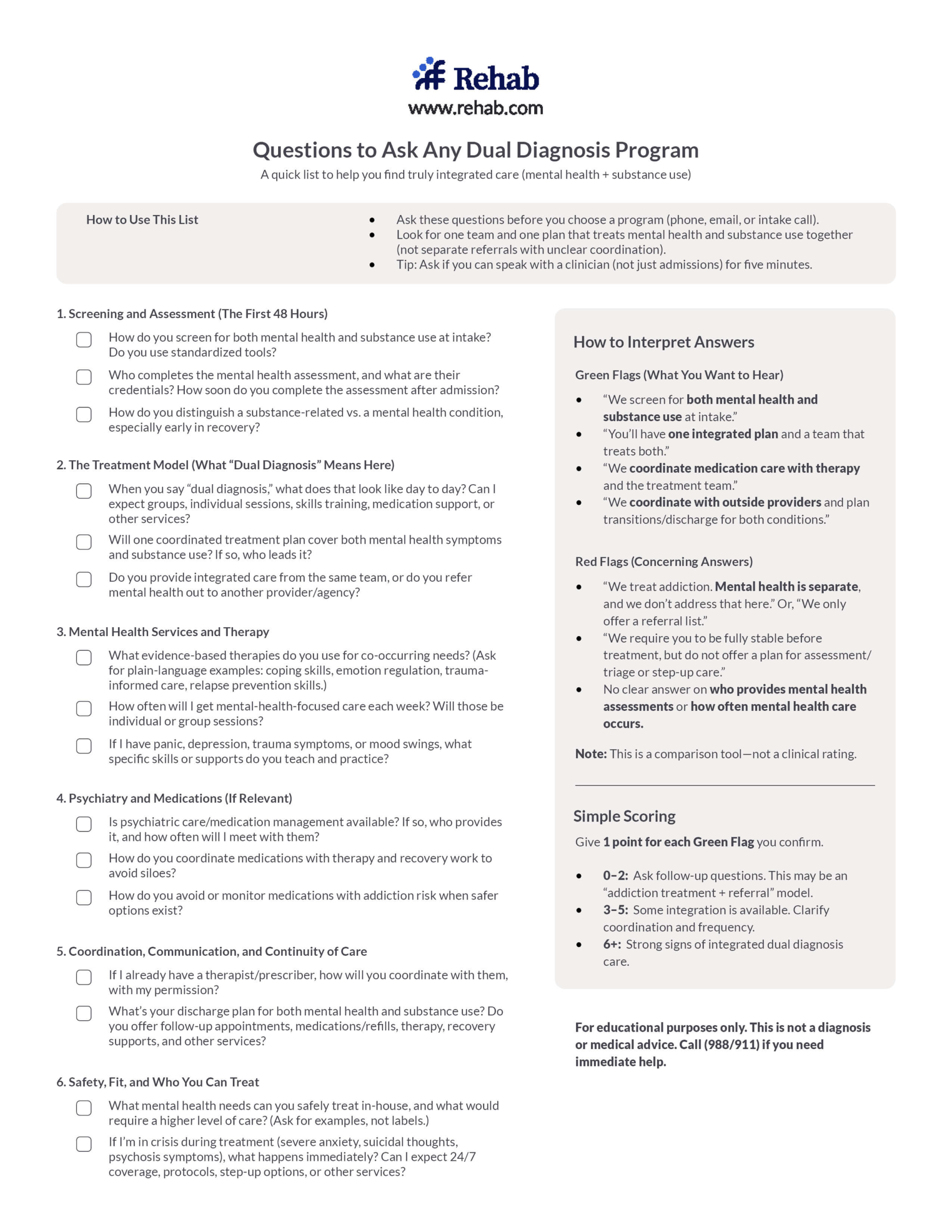
Planning to ask about dual diagnosis treatment? Use this worksheet to prepare questions for your provider:
Find Therapy for Alcohol and Drug Addiction
Therapy options for substance addiction are many and varied. While those listed here are the most common types of therapy, others do exist. Addiction is unique, and there is no single treatment plan that works for everyone. It is essential to find the treatment program and therapy, or combination of therapies, that are right for you.
With the right support and guidance, you will find the addiction treatment program that suits you, motivates you, and ensures your long-term recovery from addiction. Start your journey by talking to a trusted treatment provider today.
Featured Facilities Near You
Finding facilities near you…
References
- Substance Abuse and Mental Health Services Administration. Key substance use and mental health indicators in the United States: Results from the 2024 National Survey on Drug Use and Health. HHS Publication No. PEP25-07-007. Rockville, MD: Center for Behavioral Health Statistics and Quality, SAMHSA; 2025.
- National Institute on Drug Abuse. Treatment and Recovery. National Institutes of Health. Updated September 2025. Accessed March 2026. https://nida.nih.gov/publications/drugs-brains-behavior-science-addiction/treatment-recovery
- Substance Abuse and Mental Health Services Administration. National Substance Use and Mental Health Services Survey (N-SUMHSS): 2024 Data on Substance Use and Mental Health Treatment Facilities. Rockville, MD: SAMHSA; 2025.
- Volkow ND. Reflecting on NIDA’s 50th year and looking to 2025. NIDA Director’s Blog. January 2025. Accessed March 2026. https://nida.nih.gov/about-nida/noras-blog/2025/01/reflecting-nidas-50th-year-looking-to-2025
- Addiction Psychotherapeutic Care. In: StatPearls. Treasure Island, FL: StatPearls Publishing; 2022. Updated November 2022. Accessed March 2026. https://www.ncbi.nlm.nih.gov/books/NBK587365/
- Shapiro F. Eye Movement Desensitization and Reprocessing (EMDR) Therapy: Basic Principles, Protocols, and Procedures. 3rd ed. New York: Guilford Press; 2018.