26 Min Read
When someone has a substance use disorder (SUD) and a mental health disorder at the same time, they have a dual diagnosis, also known as a co-occurring disorder. Integrated treatment that addresses both conditions together gives people the strongest chance of lasting recovery.
Inpatient and outpatient dual diagnosis programs are designed to stabilize mental health symptoms while treating addiction in parallel, rather than separately. By understanding how the two conditions interact and what evidence-based care looks like, you can ask the right questions and find a treatment team equipped to help.
Key Points
- An estimated 20.4 million U.S. adults had a co-occurring mental illness and substance use disorder in 2023.1
- About half of people with a mental health disorder will also experience a substance use disorder at some point in their lives.3
- Integrated treatment that addresses both conditions at the same time is the most effective approach for dual diagnosis.2
- Common co-occurring conditions include depression, anxiety, bipolar disorder, PTSD, ADHD, and schizophrenia.
- Care is delivered across a continuum, from medical detox and inpatient rehab to PHP, IOP, outpatient, and aftercare.
- Quality programs are accredited by the Joint Commission or CARF and use evidence-based therapies such as CBT and DBT.
In This Article:
- Key facts about dual diagnosis
- What is dual diagnosis (co-occurring disorders)?
- Common mental health conditions that co-occur with SUD
- Signs and symptoms of dual diagnosis
- Causes and risk factors for dual diagnosis
- How dual diagnosis is diagnosed
- Principles of integrated dual disorder treatment (IDDT)
- Levels of care and program types
- Relapse prevention and aftercare
- Choosing a dual diagnosis treatment center
- How to help a loved one with dual diagnosis
- Frequently asked questions (FAQs)
- Find treatment near you
What Is Dual Diagnosis (Co-Occurring Disorders)?
Dual diagnosis describes the simultaneous presence of a substance use disorder and a mental health condition in the same person. The Substance Abuse and Mental Health Services Administration (SAMHSA) reports that people with a mental illness are significantly more likely to experience a substance use disorder than those without one.2
20.4 Million Adults
The 2023 National Survey on Drug Use and Health found roughly 20.4 million U.S. adults had a co-occurring mental illness and substance use disorder in the past year.1
~50% Lifetime Overlap
About 50% of people who experience a substance use disorder during their lifetime will also have a mental health disorder, and the relationship runs in both directions.3
With millions of adults affected and decades of underdiagnosis behind us, treatment programs and federal agencies are now focused on integrated care that treats both conditions together rather than in isolation. People often hear several terms used interchangeably, but there are important distinctions worth knowing.
| Term | What it means | How it differs |
|---|---|---|
| Dual diagnosis | A substance use disorder and a mental illness occurring at the same time (e.g., alcohol use disorder plus depression). | Specifically pairs one SUD with one mental health disorder. |
| Co-occurring disorder | Any combination of two or more SUDs, mental health disorders, or physical conditions present together. | Broader umbrella that can include multiple substances, multiple mental illnesses, or physical comorbidities. |
| Comorbidity | Two or more conditions present in the same person, not necessarily at the same time. | One condition may follow or contribute to another. Can be psychological, physical, or both. |
How Substance Use and Mental Illness Interact
Substance use and mental health are so closely linked that it is often difficult to identify which came first. Some people use substances to ease symptoms of an existing mental illness, while others develop mental health symptoms as a result of substance use. Both pathways are common, and the two disorders share neurocircuitry in the brain that creates a feedback loop of intoxication, craving, withdrawal, and relapse.4
Common Mental Health Conditions That Co-Occur with SUD
The National Institute of Mental Health states that a dual diagnosis may be made when someone has a substance use disorder and a mental health illness, such as:
- Anxiety disorder
- Depression
- ADHD
- Bipolar disorder
- Schizophrenia
- OCD
- PTSD
- Conduct disorder
Each of these mental health conditions comes with unique challenges and interactions with the substance use disorder.
Depressive Disorders
Someone with depression may feel sad, lethargic, empty, worthless and many other symptoms unique to their situation. For some, a depressed mood occurs temporarily and fades away over time. An example of this is when someone is grieving the loss of a loved one. For others, symptoms of depression do not go away and may develop into a disorder, like postpartum, psychotic, melancholic or seasonal affective disorders.

Anxiety and Panic Disorders
Anxiety disorders occur when thoughts and feelings related to worry and stress interfere with how someone functions, going beyond what is thought to be normal worry and concern. Anxiety disorders include generalized anxiety, obsessive-compulsive disorder, panic, post traumatic stress, separation anxiety and social anxiety. Someone may also experience specific phobias.
While benzodiazepines can be a beneficial treatment, they are often misused when hyperarousal heightens craving cues. Exposure-based cognitive behavioral therapy can reduce both anxiety and substance abuse triggers.
Bipolar Spectrum Disorders
Bipolar disorder is a mood disorder that can have mild, moderate or severe cycles of symptoms from mania to depression. Common symptoms include mania-linked hyperactivity and impulsiveness, bingeing on alcohol or drugs, extreme depression and isolation. Treatment may include mood stabilizers, but renal and hepatic effects must be taken into consideration.
PTSD and Trauma-Related Disorders
Post-traumatic stress occurs when someone witnesses or experiences a disturbing event or situation. Physical or sexual abuse, war combat, natural disasters and loss of a loved one are some examples of events that cause PTSD. People often use drugs or alcohol to numb symptoms like hypervigilance and flashbacks. Treatments such as eye movement desensitization and reprocessing (EMDR) and safety seeking tend to reduce both substance abuse and mental health symptoms of PTSD.

Grief and Complex Bereavement
While grief is a natural response to loss, complicated or prolonged grief can become overwhelming and severely interfere with a person’s ability to function. Individuals may misuse alcohol or drugs to numb the intense emotional pain, isolation, and emptiness that accompany a significant loss. Compassionate dual diagnosis care incorporates targeted grief counseling to help people process their emotions safely while building a foundation for sobriety.
Personality Disorders
Personality disorders are a group of mental health conditions that describe the thoughts and behavior patterns of people that deviate from cultural expectations and cause distress or impairment in relationships, work, or other areas of life.
Examples include borderline, antisocial, paranoid, avoidant, histrionic, and schizoid personalities. Prevalent symptoms include emotional dysregulation, self-harm and polysubstance abuse. Typically, dual diagnosis treatment involving dialectical behavior therapy skills modules, integrated with relapse prevention, is successful.
ADHD and Neurodevelopmental Disorders
Attention-deficit hyperactivity disorder (ADHD) is a developmental disorder where someone struggles with impulsiveness or hyperactivity. People with ADHD often struggle with staying organized, focused, and completing tasks. ADHD symptoms can interfere with how a person performs at home, at work, in school or socially.
Early stimulant misuse can lead to later misuse of other substances. When the executive functioning in the brain is altered, it can make aftercare challenging. Someone with ADHD benefits most from proper stimulant pharmacotherapy, so the need for illicit use is eliminated.
Obsessive Compulsive Disorder (OCD)
Obsessive compulsive disorder (OCD) features a cycle of uncontrollable, recurring thoughts (obsessions) and behaviors (compulsions) that a person feels the urge to repeat over and over. People with OCD may turn to drugs or alcohol to temporarily quiet their intrusive thoughts or ease the severe anxiety caused by their compulsions. Integrated treatment that includes cognitive behavioral therapy can help manage these overwhelming cycles without relying on substances.
Conduct Disorder
Conduct disorder is a behavioral and emotional condition typically diagnosed in childhood or adolescence, characterized by a persistent pattern of violating societal norms or the rights of others. Teens with this condition often exhibit aggressive behaviors, deceitfulness, or rule-breaking, which frequently co-occurs with early, high-risk substance use. Early intervention and family-based therapies are crucial to redirect these behaviors and safely address any underlying substance misuse.
Eating Disorders
Eating and feeding disorders include anorexia nervosa, bulimia, binge eating disorder, pica, and avoidant restrictive food intake disorder.
These abnormal eating patterns negatively impact a person’s mental and physical health and require intense treatment, especially when people combine drug or alcohol use with their eating disorder. For example, someone may use stimulants or appetite suppressants to help them lose weight. Part of an effective rehab program includes nutrition and SUD meal planning.

Psychotic Disorders
Psychotic disorders occur when someone disconnects from reality, causing hallucinations, delusions, agitation, and incoherence. Examples of disorders include schizophrenia, postpartum psychosis, schizoaffective disorder, and drug-induced psychosis.
Some people use cannabis and stimulants to cope, but they only exacerbate the symptoms. An effective treatment for SUD and mental health symptoms includes clozapine, but it requires metabolic monitoring.
Signs and Symptoms of Dual Diagnosis
Dual diagnosis symptoms vary widely because they depend on which substance and which mental health condition are involved. Recognizing the overlap matters: untreated symptoms in one condition often worsen the other, and people whose mental illness is masked by active substance use are at high risk of misdiagnosis.
The signs below are warning indicators that someone may be experiencing co-occurring conditions rather than a single disorder. None is definitive on its own, but a cluster of these patterns is a reason to seek a comprehensive professional evaluation.
Behavioral and Social Signs
- Increasing substance use over time, especially when triggered by emotional distress, anxiety, or low mood
- Withdrawing from friends, family, school, or work, or losing interest in activities that once mattered
- Difficulty meeting daily responsibilities, including missed work, declining performance, or neglecting basic self-care
- Engaging in risky behavior such as driving under the influence, unprotected sex, or financial decisions out of character
- Legal, financial, or relationship problems tied to substance use or untreated mental health symptoms
Emotional and Cognitive Signs
- Persistent sadness, hopelessness, or flat mood that does not improve when not using
- Excessive anxiety, panic, or hyperarousal, especially in early sobriety
- Sharp mood swings, including periods of high energy or impulsivity followed by depression or exhaustion
- Paranoia, hallucinations, or disordered thinking, particularly with stimulant or cannabis use
- Suicidal thoughts or self-harm, which require immediate professional attention
Physical Signs
- Changes in sleep, including insomnia, hypersomnia, or disrupted sleep cycles
- Significant weight change, noticeable appetite shifts, or declining hygiene
- Increased tolerance or withdrawal symptoms when not using the substance
- Tremors, sweating, or visible physical agitation, particularly during periods of non-use
If suicidal thoughts, hallucinations, or severe withdrawal symptoms are present, do not wait for an intake appointment. Call 988 for the Suicide and Crisis Lifeline or go to the nearest emergency room. For non-emergency help finding integrated dual diagnosis treatment, a confidential helpline can guide next steps.
Causes and Risk Factors for Dual Diagnosis
There is no single cause of dual diagnosis. Mental illness and addiction share overlapping genetic, environmental, and neurobiological risk factors, and either condition can increase vulnerability to the other.4 Understanding these pathways helps explain why integrated treatment, rather than sequential treatment, is the standard of care.
Genetic and Biological Vulnerability
Both substance use disorders and many mental illnesses have a strong heritable component. The National Institute on Drug Abuse estimates that genetics account for roughly 40 to 60 percent of a person’s vulnerability to addiction, and many of the same genes influence the development of conditions like depression, anxiety, schizophrenia, and bipolar disorder.4 Family history of either condition raises the risk of both.
Trauma and Adverse Childhood Experiences
Childhood abuse, neglect, household instability, and exposure to violence are well-established risk factors for both substance use disorders and mental illness later in life. Adults with high adverse childhood experiences (ACE) scores show elevated rates of PTSD, depression, and substance use, often in combination. Trauma-informed care is a core principle of dual diagnosis treatment for this reason.

Self-Medication
Many people first use substances to manage uncomfortable mental health symptoms before either condition is formally diagnosed. Alcohol may temporarily quiet anxiety, opioids may dull depression, and stimulants may sharpen focus in someone with undiagnosed ADHD. Over time, this pattern of use can mask the underlying mental illness, accelerate dependence, and worsen symptoms once the substance wears off.
Substance-Induced Mental Health Changes
The relationship runs in the other direction as well. Heavy or prolonged substance use can directly trigger or unmask psychiatric symptoms. Stimulants and cannabis are linked to first-episode psychosis in vulnerable individuals, alcohol use disorder consistently worsens depression, and benzodiazepine misuse can intensify anxiety after the drug wears off. In a comprehensive clinical assessment, providers are careful to distinguish between substance-induced symptoms and an independent mental illness.
Stress, Isolation, and Social Determinants
Chronic stress, financial pressure, homelessness, social isolation, and lack of access to mental health care all increase the likelihood that someone will develop one or both conditions. Pew Charitable Trusts analysis of national survey data found that adults with co-occurring disorders are arrested 12 times more often than adults with neither condition, underscoring how social and economic factors compound clinical risk.7
Call A Treatment Provider
For a conversation about what treatment options are available to you.
Make a Call
 800-985-8516
 Sponsored Helpline
How Dual Diagnosis Is Diagnosed
Dual diagnosis is confirmed through a comprehensive clinical assessment that screens for both substance use and mental health conditions in a single evaluation. SAMHSA’s “No Wrong Door” policy directs every treatment setting, whether mental health or addiction-focused, to screen routinely for co-occurring disorders rather than referring people away when both are present.2
The Intake Assessment
A thorough intake typically includes a detailed personal and family history, a physical exam, lab work, and structured interviews using the Diagnostic and Statistical Manual of Mental Disorders, Fifth Edition (DSM-5). Clinicians use validated screening tools such as the AUDIT, DAST, PHQ-9, GAD-7, and PCL-5 to quantify symptoms across both domains. The goal is to identify which conditions are present, how severe each is, and how they interact.
Distinguishing Substance-Induced from Independent Conditions
One of the more difficult diagnostic tasks is separating mental health symptoms that are caused by active substance use or withdrawal from those that exist independently. Some clinicians wait until a person has been sober for a period of time, often two to four weeks, before finalizing a psychiatric diagnosis. During that window, the person is treated for both presentations while symptoms are tracked over time.
Medical and Lab Evaluation
Bloodwork, urine toxicology, and other tests help rule out medical conditions that mimic psychiatric symptoms (thyroid disorders, vitamin deficiencies, infections) and confirm which substances are currently in the system. This data shapes detox planning, medication choices, and the overall treatment timeline.
Principles of Integrated Dual Disorder Treatment (IDDT)
SAMHSA recommends integrated treatment for those with a dual diagnosis. Integrated treatment coordinates mental and substance-use interventions through individualized services that treat both conditions’ physical and emotional aspects.
The advantages of integrated dual diagnosis treatment are as follows:
- Abstinence or reduced substance use
- Improvement in mental health and cognitive functioning
- Reduced chance of relapse and increased likelihood of long-term recovery
- Improved quality of life and housing stability
- Less need for hospitalization or law-enforcement involvement
- Continuous, long-term engagement is viewed as chronic care.
Reduced Substance Use
Most people in integrated treatment achieve full abstinence or significantly cut back on substance use over time.
Better Mental Clarity
Mental health symptoms ease and cognitive functioning improves as both conditions are treated in parallel.
Lower Relapse Risk
Treating both conditions together reduces relapse risk and improves the likelihood of long-term recovery.
Stable Daily Life
Quality of life improves and housing stability often follows once both conditions are managed.
Fewer Crisis Events
Integrated care reduces the need for emergency room visits, hospitalization, and law-enforcement contact.
Long-Term Recovery Support
Continuous, long-term engagement treats dual diagnosis as a chronic, manageable condition rather than a one-time event.
SAMHSA also promotes a “No Wrong Door” policy, ensuring that everyone accessing addiction services is routinely screened for mental health issues and vice versa. The Substance Use Disorder Treatment for Persons with Co-Occurring Disorders: Treatment Improvement Protocol (TIP-42) provides best-practice guidelines emphasizing person-centered, trauma-informed, culturally responsive, recovery-oriented, and comprehensive care.
Evidence-Based Psychotherapies
Numerous therapies are available that benefit individuals with mental health and substance use disorders,including:
- CBT or cognitive behavioral therapy. CBT focuses on cognitive restructuring of thought distortions. It teaches individuals how to replace unhealthy, unrealistic thoughts with positive ones, thereby changing their behaviors.
- DBT or dialectical behavior therapy. DBT is a type of CBT that adds a mindfulness aspect to treatment. It teaches distress tolerance and emotion regulation through specific modules.
- MI, or motivational interviewing. This is most effective with individuals who are not yet fully committed to recovery. It helps them resolve ambivalence and boosts readiness to change.

Medication-Assisted Treatment (MAT) & Psychopharmacology
Medication-assisted treatments are supervised by clinicians who administer appropriate medication doses that prevent getting high but also prevent painful withdrawal symptoms that may lead to relapse.
Examples of MAT and psychopharmacology include:
- Buprenorphine
- Methadone
- Naltrexone
- Naltrexone integrated with SSRIs/SNRIs
Since the medicines are overseen by medical providers and dispensed by pharmacies, there is a decreased chance for misuse or abuse. The length of time someone is on MAT can range from several months to several years, depending on the individual’s specific needs. Various types of counseling are provided alongside these prescriptions, to address both the physical and mental aspects of addiction.

Holistic Modalities
Holistic treatments are those that treat the mind, body, and spirit as a whole, with the understanding that any issue left untreated could be a trigger for relapse. Common effective treatments include yoga, mindfulness, and art therapy, which can reduce cortisol levels and cravings. Nutrition, sleep hygiene, and exercise stabilize mood and energy. Other holistic therapies may include music, animal support, acupuncture, massage, tai chi, and journaling.

Levels of Care and Program Types
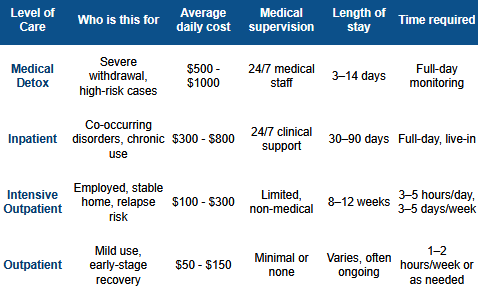
Levels of care in addiction treatment and types of programs are chosen by a dual diagnosis treatment team based on individual needs for mental health and substance abuse recovery. They range from most intense to least restrictive.
Medical Detox and Stabilization
If someone has an addiction to a substance, they may need to undergo supervised detox in an environment where medical professionals can manage withdrawal symptoms before beginning additional treatment. Once stabilized physically and mentally, they can move to the next level of dual diagnosis treatment.
Inpatient / Residential Dual Diagnosis Rehab
Inpatient and residential care involve working with mental health and addiction professionals, addressing dual-diagnosis drivers through CBT and holistic modalities such as meditation and yoga. Medication-assisted treatment can continue at this level.
Partial Hospitalization Programs (PHP) & Intensive Outpatient Programs (IOP)
Partial hospitalization is a type of outpatient program that involves between 20 and 30 hours of treatment weekly, while intensive outpatient programs include between nine and 15 hours of clinical treatment weekly.
Participants can enhance their skills while working from home, pursuing further education or attending to other responsibilities. These outpatient programs often include frequent urine screens and peer feedback loops. Clients can continue to participate in MAT if needed.
Standard Outpatient & Telehealth Options
Outpatient addiction treatment allows a person to remain at home and attend school or work while receiving therapy several times per week. Couples or family therapy can be integrated. Outpatient programs may also include telehealth options which allow participants to access care from anywhere via video calls, chat features, or other care apps.
Specialized Tracks
Specialized types of rehab may have program options that focus on specific treatment populations such as adolescents, women, LGBTQ+, veterans or seniors. Programs tailor curricula to the developmental stage, gender and cultural identity of participants. They also address PTSD-MST, hormonal factors and age-specific comorbidities.
Relapse Prevention and Aftercare
Studies have shown that individuals with co-occurring severe mental illness and substance misuse problems have poorer treatment outcomes, including relapse, than those without a substance disorder. Unless both aspects are treated, the re-emergence of one will likely trigger the other. Individuals leaving treatment must connect with community resources to support their ongoing recovery success.

Personalized Continuing-Care Plans
Continuing care is a vital part of aftercare, and a personalized plan should be created to meet each individual’s specific needs. Examples of an effective continuing care plan include a 12-month schedule of therapy, medication management, and drug testing. Additionally, individuals should establish SMART goals with an accountability partner to help them stay on track with their long-term sobriety plan.
Sober Living & Recovery Residences
Aftercare services such as transitional sober-living homes or support groups provide structure and accountability once the initial program is complete. Sober living and recovery residences provide individuals in early recovery with opportunities to practice the skills they’ve learned before returning to their home environment.
Coping Skills, Stress Management & Mindfulness
It’s important to develop specific skills to manage stress and cope with challenges before leaving treatment. These strategies can include the HALT trigger check, which allows a person to check triggers such as hunger, anger, loneliness, and tiredness. Urge surfing is the ability to ride out an urge rather than giving in to it. Box breathing drills help someone alleviate stress. In addition, journaling and gratitude practice tend to sustain motivation.
Alumni Networks & Digital Support Platforms
Today, there is more support available at every stage of the recovery process. There are mobile apps for craving tracking, online support groups, and virtual 12 Step meetings. People leaving a dual diagnosis treatment program can participate in alumni events to reinforce their sense of community and find a mentor. These events, combined with digital platforms, can provide ongoing support for a lifetime.
Call A Treatment Provider
For a conversation about what treatment options are available to you.
Make a Call
800-985-8516Sponsored Helpline
Choosing a Dual Diagnosis Treatment Center
When selecting a dual diagnosis treatment center, there are specific characteristics to consider to ensure you receive the best possible care.
Accreditation & Licensing
Treatment programs for individuals with dual diagnoses should be accredited, licensed, and in good standing with organizations such as the Joint Commission and the Commission on Accreditation of Rehabilitation Facilities (CARF).
This means they undergo external audits of safety and utilize evidence-based protocols in treatment. These accrediting bodies also verify that the facility is competent in offering dual diagnosis treatments.
Questions to Ask Providers
Don’t hesitate to ask questions regarding the program and staff. Examples of good questions to ask include:
- What are your staff-to-patient ratios?
- Do you offer 24-hour medical coverage?
- Do you undergo trauma-informed training?
- How do you track progress and outcomes?
- What are the staff credentials?
Insurance, Financing & Cost Transparency
Ask the treatment center to verify whether your insurance is in-network and to confirm the specific coverage benefits and any single-case agreements before you enter treatment. If you do not have insurance, ask the treatment center if they offer scholarships, sliding scale fees, or payment plan options.

Measuring Outcomes & Success Rates
Knowing how progress is measured helps you stay on track and motivated. Ask the provider if they report 30-, 90-, and 180-day abstinence, and if so, how they track and report these periods. Ask about rewards for reaching treatment goals. Additionally, determine which types of mental health symptom scales are used to assess whether improvements are occurring. Finally, question if they share continuous quality-improvement loops publicly.
How to Help a Loved One with Dual Diagnosis
Supporting someone with co-occurring conditions can be exhausting, and the most useful thing family and friends can do is combine compassion with clear boundaries. You cannot force someone into treatment, and you do not have to manage their recovery for them, but you can create the conditions that make accepting help more likely.
Have the Conversation Early, Without Ultimatums
Choose a calm moment when the person is sober. Share specific observations rather than labels (“I noticed you have not been sleeping and you have been drinking more in the evenings” rather than “You are an addict”). Listen without arguing. Ask how they are feeling and whether they are open to talking to a professional. Trying to control or shame someone with a dual diagnosis usually backfires.
Learn What Dual Diagnosis Actually Involves
Educating yourself about both conditions reduces fear, replaces stigma with understanding, and helps you respond skillfully when symptoms flare. Mental health resources and SAMHSA’s family materials are good starting points. Reading about specific co-occurring conditions, such as depression, anxiety, or bipolar disorder, can also help.
Set Healthy Boundaries
Boundaries protect your wellbeing and the relationship. Be clear about behaviors you will not tolerate (financial support that funds substance use, hosting using in your home) and follow through consistently. Boundaries are not punishment, they are the conditions under which you can stay in someone’s life.
Take Care of Yourself
Caregiver burnout is real, and you cannot help anyone effectively if you are depleted. Al-Anon, Nar-Anon, and SMART Recovery Family & Friends provide peer support specifically for loved ones. Individual therapy can be valuable for processing fear, grief, and frustration. Your own mental health matters, not only as a tool for someone else’s recovery.
Know What to Do in a Crisis
If your loved one expresses suicidal thoughts, experiences hallucinations, or shows signs of severe withdrawal, contact emergency services or call 988 for the Suicide and Crisis Lifeline. Save crisis numbers and the contact information for your loved one’s treatment providers somewhere accessible. A crisis is not the moment to reach for the family conversation playbook; it is the moment for professional help.
Call A Treatment Provider
For a conversation about what treatment options are available to you.
Make a Call
800-985-8516Sponsored Helpline
Dual Diagnosis Frequently Asked Questions (FAQs)
How is a dual diagnosis confirmed during intake?
Licensed clinicians use a comprehensive assessment that screens for both substance use and mental health conditions using DSM-5 criteria along with validated symptom scales such as the PHQ-9, GAD-7, and AUDIT. A thorough intake also includes a physical exam, lab work, and a detailed personal and family history to confirm severity and rule out medical causes of symptoms.
Can telehealth effectively treat co-occurring disorders?
Yes. Telehealth programs can deliver individual and group therapy, peer support, family sessions, and medication management for many people with dual diagnosis. The main difference is the setting. Severe withdrawal, active psychosis, and acute suicidality still require in-person care, but many people transition successfully between telehealth and in-person services over the course of recovery.
How long does integrated dual diagnosis treatment usually last?
It depends on severity, motivation, medical complexity, and the person’s support system. Short residential stays may run 30 to 90 days, while step-down outpatient and aftercare commonly extend across 12 to 24 months. Many providers think of dual diagnosis as a chronic condition that benefits from long-term engagement rather than a single episode of care.
How are medication interactions and side effects managed?
Treatment programs conduct regular medication reviews, lab work, and provider check-ins to monitor for adverse reactions. A collaborative care team means that the prescribing physician, psychiatrist, therapist, and addiction counselor share information and adjust the plan together. Many providers also use drug-interaction software and updated clinical guidelines as part of routine monitoring.
Does insurance cover dual diagnosis treatment?
Most major insurance plans are required to cover dual diagnosis care, including mental health and substance use services, under the Affordable Care Act and the Mental Health Parity and Addiction Equity Act. Coverage varies by plan, network, and level of care. Before admission, ask the treatment center to verify benefits, confirm what services are in-network, and clarify any deductibles, copays, or prior authorization requirements. Medicaid, Medicare, TRICARE, and VA Community Care also cover dual diagnosis services for eligible enrollees.
What is the difference between dual diagnosis and co-occurring disorders?
The terms are often used interchangeably. Strictly speaking, dual diagnosis describes the combination of one substance use disorder and one mental health disorder, while co-occurring disorders is a broader term that can include any combination of substance, mental health, or physical conditions in the same person. In clinical practice, most programs treat the terms as synonyms and use whichever is most familiar to the patient.
Can you recover from dual diagnosis?
Yes. Recovery is possible and common, although it is rarely linear. Most people who enter integrated treatment, follow a personalized continuing-care plan, and stay engaged in support over time experience meaningful improvement in both their mental health and their substance use. Recovery is often described as lifelong management rather than a one-time cure, and that framing helps people stay engaged through inevitable ups and downs.
What should I do if a family member refuses dual diagnosis treatment?
Treatment refusal is common, especially when active substance use is masking the underlying mental illness. Avoid ultimatums during a crisis moment. Instead, learn about motivational interviewing principles, maintain clear boundaries, and consider working with a professional interventionist who has experience with co-occurring disorders. In situations involving imminent danger to self or others, every state has procedures for emergency psychiatric evaluation; call 988 or local emergency services for guidance.
Find Treatment Near You
To make finding the best dual diagnosis treatment program easier, our rehab center directory has over 22,000 facilities in the U.S. It’s simple, and you can filter by location, level of care, insurance and special programs. You can view top-ranked centers in your city or state, based on our rehabilitation scoring methodology.
Not sure where to start? You can also call the the number below to speak with someone who can assist you in finding a treatment center, verify your insurance coverage, and answer any questions you may have regarding dual diagnosis treatment.
Nearby Addiction Centers That Treat Dual Diagnosis
Finding facilities near you…
References
- Substance Abuse and Mental Health Services Administration. 2023 National Survey on Drug Use and Health (NSDUH) Releases. https://www.samhsa.gov/data/data-we-collect/nsduh-national-survey-drug-use-and-health/national-releases/2023. Accessed June 2026.
- Substance Abuse and Mental Health Services Administration. Co-Occurring Disorders and Other Health Conditions. https://www.samhsa.gov/substance-use/treatment/co-occurring-disorders. Accessed June 2026.
- Cleveland Clinic. Dual Diagnosis (Co-Occurring Disorders): Causes & Treatment. https://my.clevelandclinic.org/health/diseases/24426-dual-diagnosis. Accessed June 2026.
- National Institute on Drug Abuse. Comorbidity: Substance Use and Other Mental Disorders. National Institutes of Health. https://nida.nih.gov/research-topics/comorbidity/comorbidity-substance-use-disorders-other-mental-illnesses. Accessed June 2026.
- Substance Abuse and Mental Health Services Administration. Substance Use Disorder Treatment for Persons With Co-Occurring Disorders (TIP 42). https://store.samhsa.gov/product/tip-42-substance-use-treatment-persons-co-occurring-disorders/PEP20-02-01-004. Accessed June 2026.
- National Alliance on Mental Illness. Substance Use Disorders. https://www.nami.org/about-mental-illness/common-with-mental-illness/substance-use-disorders/. Accessed June 2026.
- Pew Charitable Trusts. More Than 1 in 9 Adults With Co-Occurring Mental Illness and Substance Use Disorders Are Arrested Annually. https://www.pew.org/en/research-and-analysis/issue-briefs/2023/02/over-1-in-9-people-with-co-occurring-mental-illness-and-substance-use-disorders-arrested-annually. Accessed June 2026.