Sponsored Helpline





























































































 17 Min Read
Group therapy is a specific form of psychotherapy that is provided by one or more therapists, to a group of people, at the same time. Studies show that when administered properly, group therapy can be as effective as individual therapy.
dThe guiding principle of group therapy for substance abuse is “power in numbers.” The ultimate goal of group therapy is to create a sense of belonging or relatability through understanding, which happens when group members share their common experiences with drug and alcohol addiction. Group therapy provides those in recovery from substance use disorders with peer support and accountability in an environment where they can learn new skills and coping mechanisms from each other.
This article explains group therapy, including how it works, what it helps with, and who it is for.
What Is Group Therapy?
The first recorded session of group psychotherapy was in 1906, when Dr. J. H. Pratt, a Boston physician, provided group instruction about home care to tuberculosis patients. While working with these patients he noticed the beneficial emotional side effects that occurred as a result of these group sessions.
Group therapy was then proven especially helpful in the 1940s in treating World War II veterans who had experienced trauma as a result of combat. In 1944, the US Army released a report commending the benefits of group therapy. It’s since become an increasingly popular type of therapy.
Today, group therapy is very common and is frequently used to treat a wide range of addiction and co-occurring mental health conditions, including:
- Anxiety
- Anger management
- Bipolar disorder
- Depression
- Eating disorders
- Phobias
- Substance abuse
Group therapy is offered in a variety of different settings, including:
- Addiction treatment centers
- Community centers
- Correctional facilities
- Hospitals
- Mental health clinics
- Private practices
Group Therapy vs Individual Psychotherapy
Techniques used in group therapy differ from those employed in individual therapy. Individual therapy consists of one-on-one sessions where the therapist focuses on the individual feelings and needs of the patient. During group therapy, the therapist often facilitates discussions amongst group members which are designed to help people share experiences and work towards solutions to problems together.
Whether group therapy or individual therapy is most effective depends entirely on the individual and their unique needs. It’s common for people who are recovering from substance abuse to participate in both individual and group therapy. When paired together, individual therapy and group therapy complement each other as part of a comprehensive addiction treatment program.
General Characteristics of a Group
According to the American Psychological Association, therapy groups can be of any size but usually contain 5-15 people on average. Sessions are commonly held on a weekly basis and last 1-2 hours.
Group sessions are designed to be either open or closed. Open groups allow members to join at any time. Whereas, closed groups are made up of a specific group of people who all become members at the same time.
Some patients will only do group therapy, whereas others may attend group sessions alongside individual therapy and other treatments. Group therapy may occur more frequently (e.g. on a daily basis) if an individual is enrolled in an inpatient addiction treatment program or participating in a self-help support group, such as Alcoholics Anonymous.
Types of Group Therapy for Addiction Treatment
There are several different kinds of group therapy commonly used in treating substance use disorders. According to the Substance Abuse and Mental Health Services Administration (SAMHSA), they generally fall into one of the following types of therapeutic models:
Cognitive behavioral therapy (CBT
These psychotherapy groups are focused on relapse prevention and helping people develop new skills and coping mechanisms, including how to manage difficult emotions like anger.
Interpersonal process psychology groups
This form of psychotherapy is focused on working through trauma that may have occurred in an addict’s life. Processing these experiences provides individuals with deeper insight into their own behaviors, which leads toward personal acceptance.
Psychoeducational groups
Psychoeducational groups are a form of group therapy that is focused on providing education through peer information-sharing and the development of healthy coping mechanisms. During sessions, a qualified therapist leads the discussion, encouraging group members to share their experiences and set goals.
Skills development groups
This form of group therapy is designed to help people develop, hone and practice skills that are required to remain abstinent and avoid relapse. This typically includes relaxation training, meditation, and life skills training.
Support groups
Substance abuse recovery groups are voluntary associations of people who share a common desire to overcome their addiction. They are focused on providing relapse prevention and peer support.
Other forms of group therapy include:
Many support groups such as Alcoholics Anonymous (AA) and Narcotics Anonymous (NA) use the 12-step model, where members work on their recovery with the help of a sponsor, whom they can call for guidance, or when they’re at risk of relapsing. In lieu of a trained therapist, group sessions are usually led by a fellow group member who is also in recovery. It’s common for people to continue to attend 12-step groups for many years.
Non-12-step programs
These include Self-Management and Recovery Training (SMART) Recovery, Women for Sobriety, Secular Organizations for Sobriety (S.O.S.), LifeRing Secular Recovery, and more.
Relapse prevention groups
This form of group therapy is designed to provide continuous relapse prevention support through a combination of psychological education that discusses the consequences of addiction, cognitive behavioral therapy, and skills development.
Expressive groups
These groups are focused on providing experiential therapy through art, drama, music, and other group activities.
Culturally specific groups
These recovery groups offer culturally specific support and activities.
Benefits of Group Therapy for Addiction Recovery
Recovering from a substance use disorder can feel isolating. Group therapy provides an opportunity for people in recovery from substance abuse to learn more about themselves, and their relationships with others, while being surrounded by a small community of people who have similar issues and experiences.
Group therapy provides members with a sense of belonging and acceptance, which can help boost confidence and self-esteem. Overall, sharing experiences and emotions with one’s peers has shown to reduce stress, guilt, and shame among group members.
As a result, group therapy becomes a place in which members can learn how to avoid engaging in destructive behaviors, such as seeking out substances, and instead, practice new, healthy coping behaviors alongside their peers.
Group therapy also provides psychologists with a unique perspective. Instead of relying on a patient’s self-reports, in a group setting, therapists can observe relational patterns in action, as individuals reveal their struggles through interactions with other group members.
Many of the underlying root causes of addiction stem from traumas that happened in groups (I.e. family, school, religion). During therapy sessions, the therapy group acts as a stand-in for one’s family of origin. This provides individuals with the opportunity to address and heal old wounds derived from past group settings (for example, social anxiety, low self-esteem and interpersonal conflicts) in a way that’s simply not possible in individual sessions.
Goals of Group Therapy
The goals for group therapy are based on specific therapeutic elements, designed to achieve a range of positive benefits. These include:
Altruism
Group therapy encourages people to step outside of themselves and find ways to be in service of others.
Corrective recapitulation
The family-like setting of group therapy can help people work through conflicts they may have within their family of origin.
Catharsis
By providing a safe space, group members are able to give voice to difficult feelings and experiences they may not have been comfortable sharing in other settings.
Existential factors
Group therapy helps individuals work through daily stressors
Instillation of hope
Being amongst group members with similar issues and hearing how they’ve overcome challenges gives people a sense of hope that recovery is possible.
Imparting information
By sharing personal experiences with each other, group members are able to gain knowledge about how to manage recovery.
Imitative behaviors
Through group therapy, participants have the opportunity to learn new coping skills from the behaviors of other members that help them maintain sobriety.
Interpersonal learning
Group therapy teaches participants about interpersonal connections and how to form relationships.
Group cohesiveness
Members receive a sense of acceptance and belonging from group therapy.
Universality
Lorem ipsum dolor sit amet, consectetur adipiscing elit. Nunc eu ultrices augue, fermentum sodales magna.
Socializing techniques
Group therapy helps people feel less alone while teaching valuable social skills.
Development of Self-Awareness
Group therapy enhances self-awareness through peer feedback and recognizing personal behaviors affecting recovery and relationships.
How Group Therapy Helps Treat Substance Abuse
According to SAMHSA, group therapy is designed to help people in recovery move through the six stages of recovery. These include:
Pre-contemplation
In this stage of recovery, individuals are not yet considering changing their substance abuse because they do not think they have a serious problem. They are attending group therapy because other factors led them there (e.g. family, friends, a therapist, or the legal system).
Contemplation
While attending group sessions and receiving guidance from a therapist, the individuals begin to consider altering their consumption or quitting substances altogether.
Preparation
The patient may still be using substances, but now recognizes the benefits of quitting.
Action
At this point, the individual chooses a strategy to end their substance abuse. They begin making the necessary changes to follow through with a plan, alongside the support of the therapist and other group members.
Maintenance
The individual works tirelessly to remain abstinent and avoid relapsing. At this point, some people achieve full recovery.
Recurrence
Since the individual has gained a better understanding of themselves and their behavior while attending group therapy, if a relapse occurs, it’s easier for them to return to the maintenance stage.
Group Therapy With Other Treatments
Depending on the severity of the addiction and the substances being abused, the patient may need to undergo medical detox and medication-assisted treatment before they’re able to begin group therapy.
For example, individuals with an opioid use disorder may require medications such as methadone or buprenorphine to manage withdrawal symptoms. Often, mental health professionals will determine when an individual is ready for group therapy. Depending on the patient and the type of group therapy, a therapist may refer them to group therapy immediately or, alternately, once they reach the maintenance phase.
What to Expect in a Group Therapy Session
During group therapy, chairs are often arranged in a circle so that everyone in the group is able to see each other during the session. However, if the group is larger, seating may be arranged in rows facing a podium. While therapy sessions vary depending on the type of group therapy, group sessions tend to have the following structure:
- Introduction
Members introduce themselves and briefly state why they are attending group therapy. This may occur at the start of group therapy, at the beginning of every session, or whenever a new group member joins if it’s an open group. Introductions may also include ice-breaker activities designed for group members to get to know each other. During this portion of group therapy, it’s common for group members to test each other’s boundaries. While this can be jarring initially, it can lead to deeper, more beneficial work as therapy progresses.
2. Updates
Next, returning group members may opt to share updates and experiences since the last group session.
3. Group discussion
The facilitator or therapist will then decide what shape the meeting will take. This may involve group discussion amongst members or a focused educational session.
In addition to the above, the group therapist or facilitator may also use a variety of different learning tools, including, audio and visual aids, homework, memory improvement techniques, written projects, and role-playing.
How Long Does Group Therapy Last?
The length of time an individual will remain in group therapy depends on a variety of factors, including the type of therapy being administered, a person’s level of motivation to participate, and what stage of recovery they’re in.
Substance abuse treatment programs often require patients to attend a minimum number of sessions over a set period of time (e.g. 6 sessions over a 3-month period). However, group therapy sessions lasting up to one year may also be recommended. These kinds of therapy sessions usually take place at an outpatient rehab center or as part of an intensive outpatient program.
If an individual is being treated at an inpatient treatment center, they may attend group therapy daily for the duration of their stay.
Lastly, if an individual is in the maintenance stage of recovery, they may choose to join a support group, 12-step group, or another relapse prevention group, for peer accountability and support. In the case of 12-step groups, many people are active members for years.
How Effective is Group Therapy in Treating Addictions?
According to the American Psychological Association (APA), group therapy works as well as individual therapy for many conditions. Over 50 clinical trials have compared patients who participated in individual or group treatment, and all studies found that both formats produced the same level of improvement for a variety of mental health and substance use disorders.
Studies have also shown that interacting with peers during group therapy provides unique therapeutic benefits. In fact, according to Stanford University’s Irvin David Yalom, MD, author of the 2005 book “The Theory and Practice of Group Psychology,” participating in group therapy with one’s peers may be more helpful than receiving guidance from a therapist since people are more likely to connect and identify with their peers.
Support groups such as 12-step programs like Alcoholics Anonymous (AA) can also be very effective in helping people in recovery from substance abuse. In fact, the National Institute on Alcohol Abuse and Alcoholism looked at people who were formally treated, informally treated (attended AA meetings), and untreated individuals who suffered from alcohol abuse, and found that 49% of individuals who attended AA were abstinent, as compared to 46% of people who received formal treatment.
It’s also important to note that group therapy exceeds the APA’s Society of Clinical Psychology’s standards for efficacy in treating bipolar disorder, major depressive disorder, panic disorder, post-traumatic stress disorder (PTSD), social phobias, obsessive-compulsive disorder, bulimia nervosa, binge-eating disorder, substance use disorder, schizophrenia, borderline personality disorder, and general personality disorder.
Questions to Ask When Considering Group Therapy
While group therapy is known to be effective in treating substance abuse disorders, research shows that it is most effective when the group members have a common identity and a sense of shared purpose.
Furthermore, research shows that two leaders or group therapists are better than one. Members of co-led groups experience greater benefits than those who participate in individually led groups. An additional person who can listen and respond makes a difference when group leaders are trying to follow multiple interactions.
Therefore, it’s important to find a group therapy scenario that is well-suited to your personal needs. Before choosing group therapy, here are some questions to consider.
Is the topic or theme specific to what you’re experiencing?
Is the demographic of the group (e.g. age, gender) appropriate and one that you’d feel comfortable in?
Is it an open or closed group? Which do you prefer?
Can you easily access the group meetings?
Does the group therapy schedule work with yours so that you can attend consistently and on time?
Is the cost affordable? Will you have to pay out of pocket or do you have some coverage through an insurance plan?
If you’re unsure of what kind of group therapy would be best, speak with a mental health professional. They’ll be able to provide you with the necessary information so you can make the best decision for you or your loved one.
Cost of Group Therapy
The cost of group therapy varies based on factors such as location, frequency of treatment, and individual insurance coverage. However, group therapy is often up to half the cost of individual therapy, which makes it an attractive option for many people.
Group therapy is usually offered as part of an inpatient or outpatient addiction treatment program and therefore, included in the overall cost of rehab.
Insurance
Depending on your insurance plan, the cost of group therapy may be covered to a certain extent. Many insurance plans will cover group therapy as long as it is evidence-based, run by a professional, and medically necessary.
Additionally, individuals may also receive coverage if group therapy is part of a comprehensive addiction treatment program. Under the Affordable Care Act in the United States, substance abuse treatment must be covered under ACA insurance plans. ACA plans also can’t disqualify you for having a pre-existing substance use disorder or cap spending on addiction treatment. Many private medical insurance providers also offer addiction treatment coverage to varying degrees.
When researching which rehab options that include group therapy, consult your insurance provider to find out what kind of coverage is available.
Free and Low-cost Group Therapy Options
In addition to the options outlined above, many free and low-cost group therapy options exist. Addiction recovery support groups and 12-Step programs such as Alcoholics Anonymous (AA) and Narcotics Anonymous (NA) are usually free, although you may be asked to contribute to operational costs such as room rental, coffee, and snacks.
Your doctor is a valuable source of local information. They will be able to put you in touch with support groups and group therapy providers in your area that work in addiction recovery.
Risks and Drawbacks of Group Therapy
Although there are many benefits to group therapy, there are also drawbacks that make it not suitable for everyone.
Less private
Group therapy often requires that participants share their personal struggles with the group. People with social anxiety or those who have a fear of public speaking may find group therapy uncomfortable and therefore, be better suited to individual therapy.
Confidentiality
While it’s easy to keep what’s shared in individual therapy confidential between the patient and the therapist, this becomes more difficult in a group setting. Individuals who are very private and concerned about confidentiality may find individual therapy a better fit.
Lack of individual attention
During group therapy, individuals are required to share the stage with other members. People with more severe mental health issues or those who are prone to downplaying their struggles in a group setting may benefit more from the one-on-one approach provided by individual therapy.
Member dropout
Facilitator drawbacks
Unless a facilitator is a licensed mental health professional, they may not be equipped to deal with some of the issues that arise in group therapy. Poor leadership from a facilitator is also a risk factor.
Interpersonal conflicts
If someone is prone to conflict in their interpersonal relationships they might not get along with certain group members.
Not recommended for people experiencing mental health crises
For example, someone who is feeling suicidal or in need of medical detoxification should seek emergency healthcare services, not attend a group therapy session.
Get Help With Addiction Group Therapy
Regardless of where you are on your addiction recovery journey, group therapy can generate a sense of belonging, peer support, and personal accountability while also providing individuals with the necessary coping skills to live a fulfilling life free of alcohol and drug addiction.
If you or a loved one is struggling with drug or alcohol addiction, know that you’re not alone and that treatment is available. We are here to help.
Addiction Centers That Provide Group Therapy
| Name / Address / Rating | Description | Treatments / Payments / Programs | Review / Contact | Images | |
|---|---|---|---|---|---|
Avenues Recovery Center at ClarksvilleAd This is an ad and Avenues Recovery Center at Clarksville is a paid advertiser. Paid advertisers may be listed first in search results. This ad may contain content provided by the advertiser. Rehab.com does not verify ad content or any reviews that are displayed. Learn More Clarksville, IN  Claimed Claimed | Avenues Recovery Center in Clarksville, Indiana, is an inpatient drug and alcohol detox and rehab center. They strive to provide individuals receiving treatment with a loving environment and attentive medical care. You’ll be away from toxic environments and triggers and have the opportunity to focus on developing life skills that will support you | Treatments Programs Payment Options  Alcoholism Alcoholism Mental Health And Substance Abuse Mental Health And Substance Abuse Drug Addiction Drug Addiction Opioid Addiction Opioid Addiction Substance Abuse Substance Abuse Dual DiagnosisMental Health Dual DiagnosisMental Health  Adult Program Adult Program Young Adult Program Young Adult Program LGBTQ Program LGBTQ Program Military Program Military Program  Private Insurance Private Insurance Self-Pay Options Self-Pay Options Medicaid Medicaid Military Insurance Military Insurance | View Website (930) 203-1947 | 
Avenues Recovery center is a very good place love the staff love the facilitators love the case managers there’s a lot of good help here I am still involved with the alumi meetings I just love how were family love you avenues recovery center
Joshua Levi Johnson
1 week ago

Avenue staff was exceptionally considerate to all of my needs. Highly recommend if your truly searching for recovery.
Janezee Leezy
1 week ago

Really good place to go to
Angela Mccausland
1 week ago
| 
4 

|
1
Top 10 Rehab in FL
Rehab Score
Our Rehab Score is designed to make it easier for you to find the best treatment centers. We combine overall ratings with recent feedback to create a score that reflects a center’s quality right now.
9.67 / 10 Claimed | All In Solutions Wellness Center is a treatment facility located in West Palm Beach, Florida. This facility specializes in treating adults who are struggling with co-occurring disorders and addiction. The levels of care offered here are detox, residential, and aftercare programs. As one of the best-rated detox centers in Florida, All In Solutions | Treatments Programs Payment Options AlcoholismDrug AddictionMental Health And Substance AbuseOpioid AddictionSubstance AbuseDual Diagnosis Adult Program Program For Men Program For Men Program For WomenYoung Adult Program Private InsuranceSelf-Pay Options Program For WomenYoung Adult Program Private InsuranceSelf-Pay Options | 
My experience at All In Solutions exceeded my expectations. I was treated with respect, honor and dignity. I was kept comfortable while detoxing.
Timothy Snow
2 weeks ago

My wife completed residential treatment here for alcohol addiction and the change has been remarkable. Family therapy sessions helped all of us understand how to support her moving forward.
Rosalind Actongale
3 weeks ago

Attentive medical staff during detox, comfortable rooms, board-certified providers who explain everything clearly.
Tobias Kingsley
3 weeks ago
| 
5 5 



| |
1
Top 10 Rehab in TN
Rehab Score
Our Rehab Score is designed to make it easier for you to find the best treatment centers. We combine overall ratings with recent feedback to create a score that reflects a center’s quality right now.
9.64 / 10 | Recovery Unplugged Nashville Drug & Alcohol Rehab is a private luxury addiction treatment center located just south of Nashville, in Brentwood, Tennessee. They offer several levels of care, including medication assisted treatment (MAT), residential treatment and behavioral telehealth. Adults with dual diagnoses and substance use disorders are welco | Treatments Programs Payment Options Substance AbuseAlcoholismDrug AddictionDual Diagnosis Adult Program Private InsuranceSelf-Pay Options MedicareMedicaidMilitary Insurance MedicareMedicaidMilitary Insurance | 
This place helped me save my own life. I couldn’t recommend a company more.. especially in a dire situation. They are family.
Michelle Aspen
1 week ago

What an amazing place to save your life!
Rich Stadtlander
1 week ago

Help my family out wonders!
Torey Tennyson
1 week ago
| 
5 5 


| |
1
Top 10 Rehab in CA
Rehab Score
Our Rehab Score is designed to make it easier for you to find the best treatment centers. We combine overall ratings with recent feedback to create a score that reflects a center’s quality right now.
9.61 / 10 Claimed | All In Solutions Detox in Simi Valley is one of the best ranked inpatient detox facilities in California providing safe, medically supervised care for individuals beginning their recovery from drug or alcohol addiction. As part of the All In Solutions Behavioral Health network, this facility serves as the first step in a full continuum of care. Cli | Treatments Programs Payment Options AlcoholismDrug AddictionMental Health And Substance AbuseOpioid AddictionSubstance AbuseDual Diagnosis Adult ProgramYoung Adult ProgramProgram For MenProgram For Women Private InsuranceSelf-Pay Options | 
This facility has been amazing. The staff is great and the program is also great
Michael Miller
1 week ago

Awesome staff and great facilities. All my needs were met and they got me on the road to recovery.
Brian Mckinney
2 weeks ago

Everything here was really great. The stars and medical team was very helpful. I left here with a new life
Lucas Deters
3 weeks ago
| 
5 5 



| |
Avenues Recovery Center at Lake ArielAd This is an ad and Avenues Recovery Center at Lake Ariel is a paid advertiser. Paid advertisers may be listed first in search results. This ad may contain content provided by the advertiser. Rehab.com does not verify ad content or any reviews that are displayed. Learn More Lake Ariel, PA Claimed | Clients seeking treatment for alcohol addiction may be required to undergo detox first. As one of the best detox facilities in Pennsylvania, the process at Avenues Recovery Center ensures any abused substances are out of a client’s system and that they are in a healthy frame of mind when they enter residential treatment. Detox is overseen and | Treatments Programs Payment Options Substance AbuseAlcoholismDrug AddictionMental Health And Substance AbuseDual Diagnosis Adult Program Private InsuranceSelf-Pay OptionsMilitary Insurance | View Website (570) 354-6060 | 
Amazing place! Totally worth it!
Megann
2 weeks ago

Excellent facility fabulous staff!
amy knorr
2 weeks ago

This is truly an amazing facility! Every single person I’ve encountered is absolutely wonderful. The staff are incredibly kind, caring, and knowledgeable, groups are fun & informative, and the housing and food are excellent. There’s an amazing sense of community and I 1000% recommend.
Irene Sweeney
3 weeks ago
| 
5 5 



|
1
Top 10 Rehab in VA
Rehab Score
Our Rehab Score is designed to make it easier for you to find the best treatment centers. We combine overall ratings with recent feedback to create a score that reflects a center’s quality right now.
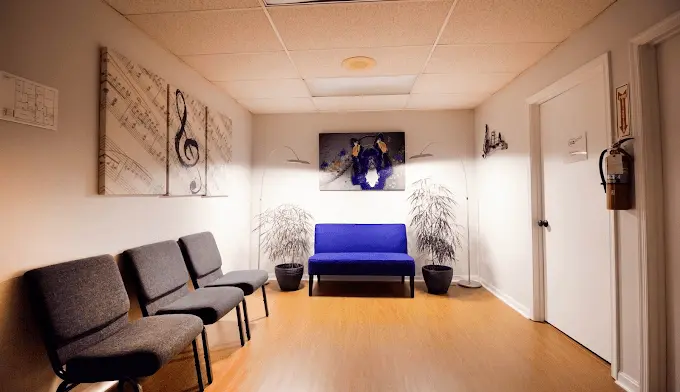
9.45 / 10 | Recovery Unplugged offers a full suite of outpatient substance use recovery for adults and adolescents in the DC Metro area of Annandale, Virginia. They offer general outpatient and top-rated intensive outpatient care (IOP) alongside partial hospitalization programs (PHP). Each of these levels of care may incorporate medication-assisted treatment ( | Treatments Programs Payment Options Substance AbuseAlcoholismDrug AddictionDual Diagnosis Adult ProgramYoung Adult ProgramLGBTQ Program Teen Program Private InsuranceSelf-Pay OptionsMedicareMedicaid Teen Program Private InsuranceSelf-Pay OptionsMedicareMedicaid | 
I have been in and out of treatment for 15 years, and this is by far the best recovery center I have ever been to. The staff genuinely care about every client and their well-being. They aren’t just out for money or treating people like another number—they truly want to see you heal, grow, and succeed. I have felt supported, understood, and cared for throughout my time here. Recovery is not easy, but this center has given me hope and the tools I need to build a better life. I’m incredibly grateful for this place and would recommend it to anyone who is ready to make a change.
Tara R.
3 weeks ago

I would not be where I am today without the help of Recovery Unplugged. I had two 30 day visits with them back in 2019 before moving on to a 90 program in Arizona. Everyone was friendly and you felt like you actually mattered. The musical component of it all was life changing and is still a huge support in my life today. It’s outside of the box recovery and if you are looking for a place to start, this is it. I’m coming on six years of sustained recovery and now hold a masters in divinity while thriving in Tucson. AZ. None of this would have been possible without Recovery Unplugged and I could not be more grateful for all they provided in early recovery.
Jay Newman
1 month ago

The program and support is great, but once you finish no resources are provided. No follow-up with patients. They are all about profit. The providers can’t even provide outside resources. This should be a warning sign they are out to make money.
Jamie Guy
3 months ago
| 
5 5 


| |
1
Top 10 Rehab in NJ
Rehab Score
Our Rehab Score is designed to make it easier for you to find the best treatment centers. We combine overall ratings with recent feedback to create a score that reflects a center’s quality right now.
9.41 / 10 Claimed | All In Solutions Counseling Center is a mental health and addiction clinic in Cherry Hill, New Jersey. They provide outpatient addiction treatment and mental health care. They offer options like an intensive outpatient program, a partial hospitalization program, and medication-assisted treatment. All In Solutions Cherry Hill Drug & Alcohol Reha | Treatments Programs Payment Options AlcoholismDrug AddictionDual DiagnosisOpioid AddictionSubstance AbuseMental Health And Substance Abuse Adult ProgramYoung Adult ProgramProgram For MenProgram For Women Private insuranceSelf-Pay Options | 
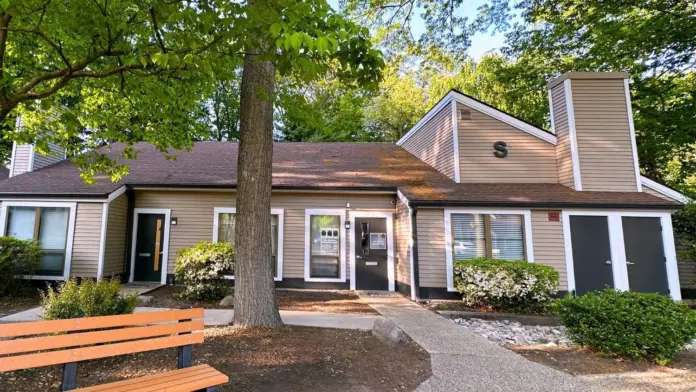
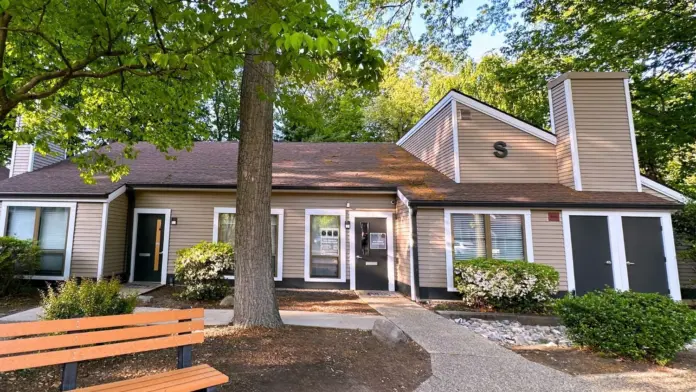
The clinical building being separate from the housing is a detail that sounds small but makes a big practical difference. You go there to work, and you come back to somewhere calmer when the day is done. That separation gave the whole experience a clearer shape.
Brian Saunders
3 weeks ago

Friday afternoons they bring in alumni speakers. Sitting in a room listening to someone who’s been through it and come out the other side is different from any group session with a counselor. It was one of the parts of the week I genuinely looked forward to.
Thomas Navarro
3 weeks ago

The weekly family group, held online so family can join from wherever, is something I wasn’t expecting. My family had been through a lot and being able to include them in the process, even from a distance, changed how I felt about what I was doing here. Recovery doesn’t happen in a bubble and a program that actually acknowledges that is worth noting.
William Foster
4 weeks ago
| 
4 


| |
1
Top 10 Rehab in TX
Rehab Score
Our Rehab Score is designed to make it easier for you to find the best treatment centers. We combine overall ratings with recent feedback to create a score that reflects a center’s quality right now.
9.39 / 10 | Symetria – Hurst Outpatient Rehab and Suboxone Clinic in Hurst, Texas, is a private drug rehabilitation clinic for adults. One of the best outpatient rehab centers in Texas, Symetria offers various withdrawal medications to help clients get started with their recovery journey. You’ll also have access to treatments such as the intensive outp | Treatments Programs Payment Options Substance AbuseAlcoholismOpioid Addiction Adult ProgramYoung Adult Program Private InsuranceSelf-Pay OptionsMedicareMilitary Insurance | 
Symetria is like a second family for me now and Mrs. Debrah , who runs the center is always awesome and also Mrs. Callie is my counselor and a great one at that! Come to Symetria if you need help you’re not alone they will treat you like your one of them. And the front desk lady Michelle is so sweet that she won’t let you miss a does so she calls every patient everyday in case you forgot so u don’t suffer!
Krystina Hubbell
3 weeks ago

I have been in the DARKEST place for so long. Symetria was my saving grace. My counselor Callie (my saving grace) showed me that I actually really do matter and gave me a sense of belonging for the FIRST time in my life! She truly cares and has helped me in so many ways that I can’t thank her enough. If it weren’t for her, I’m not sure where I’d be in life right now without her. Ms Callie, if you see this, thank you again. To all of the concerned mothers/fathers out there, I promise you, this is the best methadone clinic in the United States. Thank you for taking the time to read my comment, I promise I wouldn’t steer you the wrong direction. <3 Please take into consideration coming to Symetria. I finally have hope.
Madi Murphy
1 month ago

This place is great. The entire staff had always been excellent
bryan harris
2 months ago
| 
5 5 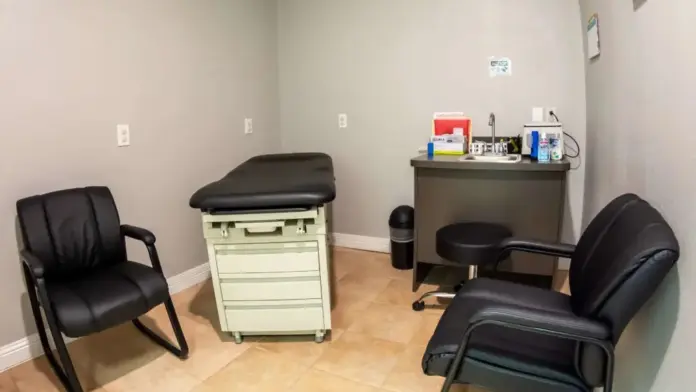



| |
1
Top 10 Rehab in NY
Rehab Score
Our Rehab Score is designed to make it easier for you to find the best treatment centers. We combine overall ratings with recent feedback to create a score that reflects a center’s quality right now.
9.39 / 10 | This facility offers leading outpatient addiction treatment, recovery coaching, and medication-assisted treatment for adults. Through an intensive outpatient program or an outpatient program, participants engage in individual and group therapy that helps get to the root of addiction and relapse prevention skills. Outpatient support groups allow you | Treatments Programs Payment Options AlcoholismDrug AddictionSubstance AbuseOpioid Addiction Adult ProgramYoung Adult ProgramLGBTQ ProgramTeen Program Private InsuranceSelf-Pay Options Sliding Scale Payment Assistance Sliding Scale Payment Assistance Financing Financing | 
As a family member, I cannot say enough wonderful things about Mountainside Treatment Center in Huntington. From the very beginning, the staff treated both our loved one and our family with compassion, respect, and genuine care during an incredibly difficult time.
The communication throughout the process was thoughtful and professional, and it was clear that everyone involved truly wanted the best possible outcome. Mountainside provides best-in-class treatment in a safe, supportive, and welcoming environment. Knowing our loved one was in such caring and capable hands gave us comfort and hope when we needed it most.
We are deeply grateful for the support, guidance, and dedication of the entire team. Highly recommend.
Adriana Popa
4 months ago

Going to Mountainside in Huntington was a life changing experience. I could not recommend it more!
Violet White
1 year ago

As a clinical social worker running a local group practice, I regularly collaborate and refer clients to Mountainside Treatment Center. Their staff has always been exceptional, especially Courtney Hulse and Dan Sexton, who go above and beyond in tailoring their treatment plans for each client and family. Mountainside serves as a tremendous resource, providing quality substance abuse treatment that is critically needed here on Long Island. We are enthusiastic about continuing to work with Mountainside to best serve our community and families. Thank you for all you do Mountainside. Highly recommend!
Gordon Gooding
2 years ago
| 
4 

| |
1
Top 10 Rehab in MD
Rehab Score
Our Rehab Score is designed to make it easier for you to find the best treatment centers. We combine overall ratings with recent feedback to create a score that reflects a center’s quality right now.
9.38 / 10 | Bracebridge Hall is an inpatient facility located in Earleville, Maryland under the umbrella of Recovery Centers of America. It’s on 560 acres with a view of the Sassafras River. They offer substance use disorder (SUD) treatment and mental health treatment for co-occurring disorders. They accept and are in network with most major insurance plan | Treatments Programs Payment Options AlcoholismDrug AddictionDual DiagnosisMental Health and Substance AbuseOpioid AddictionSubstance Abuse Adult ProgramMilitary ProgramYoung Adult ProgramLGBTQ Program Private insuranceSelf-Pay Options Financial AidSliding Scale Payment AssistanceMilitary InsurancePrivate InsuranceMedicaidMedicare+1 Financial AidSliding Scale Payment AssistanceMilitary InsurancePrivate InsuranceMedicaidMedicare+1 | 
RCA and its facilitors were exceptional. Intake and discharge was streamlined and efficient. A variety of flexible groups and speakers were scheduled weekly. Educational classes regarding medications and planning for discharge are also available. The facility provides lesiure activities such as fishing, recovery walks, and a gym. Facility was well maintained and clean. A variety of meals are offered for breakfast, lunch, dinner, and a night snack. Substitute protein options are also available. RCA will meet and exceed expectations and provide all one needs for a successful recovery.
Juan Najera
1 week ago

My stay at RCA Bracebridge was truly life-changing. This was my first experience in rehab, and I honestly didn’t know what to expect, but it exceeded everything I could have imagined.
The groups were both educational and life-changing, providing valuable knowledge and tools that I can carry with me throughout my recovery. The staff were exceptionally supportive, caring, and informative. It was comforting to know that someone was always there whenever I needed help or support.
My therapist, Jessica V., is amazing, and I will never forget her. Mr. Dan, Mike H., Mrs. Jessie, and Mrs. Amber were also incredibly supportive and generously shared their knowledge and experience, which made a meaningful difference in my recovery.
The RSS staff were outstanding, and words cannot fully express my gratitude for everything they did. The kitchen staff, especially Eric, went above and beyond to make sure we were comfortable and had what we needed. That support allowed us to focus on what mattered most—our recovery.
Mr. Tariq always listened and showed genuine care and compassion toward the clients. His kindness and willingness to be there for us meant a lot.
I will forever be grateful to RCA Bracebridge for helping save my life and giving me the coping skills and tools I need to continue recovering one day at a time. I am leaving with gratitude, hope, and a renewed commitment to my recovery. Thank you to everyone who played a part in this journey
Shawnda
1 week ago

RCA gave me the confidence and tools to live the life of sobriety. Im truly grateful for everyone involved in my treatment there and the compassion and understanding of my treatment. I cant truly describe the gratefulness I have for this facility that has changed my life.
Jerry Chandler
1 week ago
| 
5 5 



|