





























































































About S2L Recovery (Spring2Life): Christian Rehab Center
As one of Tennessee’s top-rated detox rehabs, they approach addiction from a more spiritual perspective, which may not be the route for everyone, but it’s certainly a helpful tactic for many.
Here, they offer individual counseling, group counseling, and a carefully supervised detox process to ensure that the patient recovers from their addiction as comfortably and safely as possible. Each treatment program is personalized to the specific needs of the individual, taking into account past traumas, personal relationships with friends and family, work obligations, and each client’s living environment. Their financial experts also promise to work with your insurance provider to secure you the highest possible coverage.
Facility Overview
 31-50
31-50  31 - 60
 Latest Reviews

Thank you also for your thoughtful advice about approaching the program with an open mind, following the rules, and being prepared for the stairs. Please know that the S2L family is continuing to pray for your healing, strength, and next steps. We trust that God, who has faithfully pursued and provided for you will continue to guide your path.


Thank you so much for these heartfelt words. It was a blessing to watch God work in your life throughout your time at S2L. The clarity you found, the truth you embraced, and the sisterhood you gained are all beautiful reminders of His faithfulness. We are especially thankful that Emily and our team helped you feel genuinely loved and supported. You will always be part of the S2L family, and we are excited to see what God continues to do in your life!

Rehab Score
 Our Methodology


Gallery
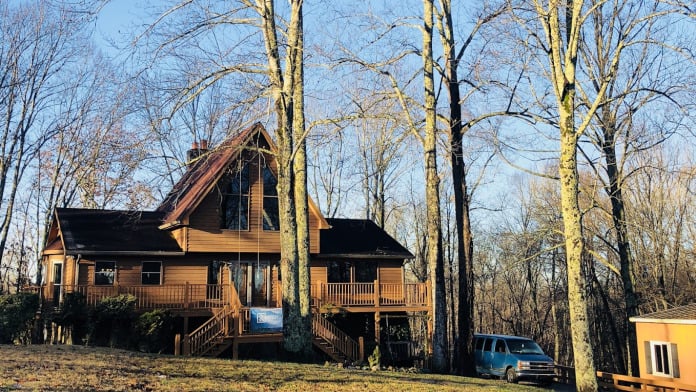
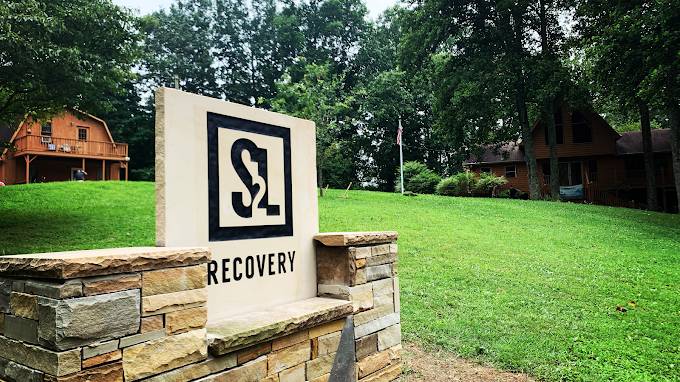

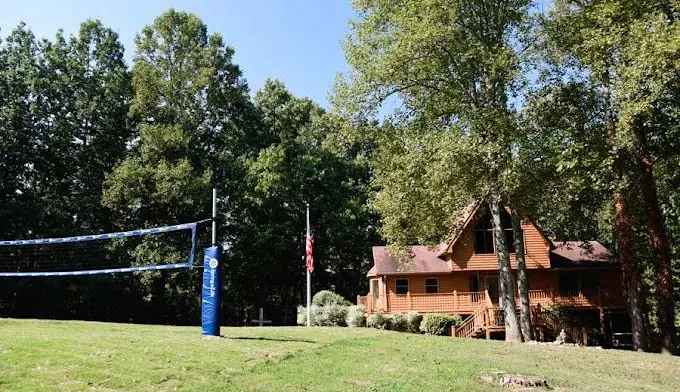
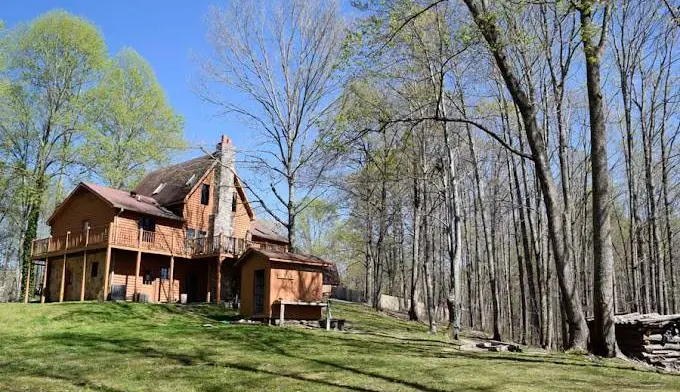
Accepted Insurance
Other Forms of Payment
Private insurance refers to any kind of healthcare coverage that isn't from the state or federal government. This includes individual and family plans offered by an employer or purchased from the Insurance Marketplace. Every plan will have different requirements and out of pocket costs so be sure to get the full details before you start treatment.
Self-pay involves paying for treatment out of your own pocket. You can use savings or credit, get a personal loan, or receive help from family and friends to fund your treatment. If you don't have insurance or your insurance plan doesn't cover a specific program, self-pay can help ensure you still get the care you need.
Addiction Treatments
Levels of Care
Outpatient rehabs enable clients to receive care without leaving their home, workplace, and community. Clients typically receive intensive addiction counseling, including individual, group, and family therapy. Many programs promote clients' long-term sobriety through recovery-focused life skills training and ancillary services, such as peer coaching. Medication assisted treatment (MAT), including medication induction and maintenance, are common in outpatient care. Most facilities offer multiple levels of care to accommodate clients' evolving needs, including intensive outpatient (IOP) and standard outpatient programming.
Residential treatment programs are those that offer housing and meals in addition to substance abuse treatment. Rehab facilities that offer residential treatment allow patients to focus solely on recovery, in an environment totally separate from their lives. Some rehab centers specialize in short-term residential treatment (a few days to a week or two), while others solely provide treatment on a long-term basis (several weeks to months). Some offer both, and tailor treatment to the patient's individual requirements.
Clients in intensive outpatient programs (IOP) receive robust, personalized care to support their reintegration into their community. Clients stepping down from inpatient treatment frequently enroll in IOP before entering standard outpatient care or community-based recovery programs, such as AA. Intensive outpatient treatment generally involves between nine and 20 therapeutic hours weekly, with the frequency and duration of sessions decreasing as clients stabilize. IOP services commonly include counseling, recovery education, holistic therapies, and medication assisted treatment (MAT).
Clients receiving support in a rehab aftercare program typically have abstained from drugs or alcohol for a period of weeks or months and have completed high-level (often inpatient) treatment. Drug rehab aftercare is designed to support clients in maintaining their sobriety as they re-engage with their ordinary lives at home, in the workplace, and in the community. Services are highly individualized and evolve with clients' changing needs, but generally include peer coaching and relapse prevention.
When enrolld in an addiction recovery program that's based on the 12 step model, clients are able to cultivate recovery-focused life skills emphasizing spiritual, mental, and emotional healing. Participants receive intensive peer support in 12 step meetings, which are anonymous, free, open to the public, and available day and night in most communities. Self-selected sponsors guide sponsees through the recovery journey, cultivating self-awareness, forgiveness, acceptance, and accountability. Though these programs are rooted in spiritual principles, participants aren't required to be religiously affiliated.
A sober living home in Tennessee, also known as a halfway house, refers to a group residence for men or women who are recovering from addiction. These are usually privately owned homes or houses owned by a nonprofit or business. Most are located in quiet residential areas. Residents have their own rooms or share a room with one roommate, and they share common areas. Each resident pays rent and helps with household maintenance.
Intervention services helps family or friends of addicts stage an intervention, which is a meeting in which loved ones share their concerns and attempt to get an addict into treatment. Professional intervention specialists can help loved ones organize, gather, and communicate with an addict. They can guide intervention participants in describing the damage the addict's behavior is causing and that outside help is necessary to address the addiction. The ideal outcome of an intervention is for the addict to go to rehab and get the help they need
Safe detox requires 24-hour clinical care in Tennessee. This is due to the health risks that are involved during withdrawal. As the brain reacts to the absence of the drug, severe symptoms can occur, depending on the type of drug used. For instance, alcohol and benzodiazepine withdrawal may result in seizures. Fortunately, supervised care in a clinical setting can provide the necessary treatment to avoid health risks and allow you to complete detox safely.
To keep you safe and comfortable during the detoxification process, a medically assisted detox provides you with a team of medical professionals who can provide the necessary medications to treat any potential withdrawal symptoms. Suddenly stopping chronic abuse of substances like alcohol, benzodiazepines, or opioids can have uncomfortable and even dangerous side effects.
Treatments
The goal of treatment for alcoholism is abstinence. Those with poor social support, poor motivation, or psychiatric disorders tend to relapse within a few years of treatment. For these people, success is measured by longer periods of abstinence, reduced use of alcohol, better health, and improved social functioning. Recovery and Maintenance are usually based on 12 step programs and AA meetings.
When your day-to-day life is taken over by drug use, this is known as substance use disorder. If you abruptly stop using your drug of choice, you experience withdrawal symptoms. To overcome this cycle, professional drug rehab in Tennessee is usually needed.
Opioid rehabs specialize in supporting those recovering from opioid addiction. They treat those suffering from addiction to illegal opioids like heroin, as well as prescription drugs like oxycodone. These centers typically combine both physical as well as mental and emotional support to help stop addiction. Physical support often includes medical detox and subsequent medical support (including medication), and mental support includes in-depth therapy to address the underlying causes of addiction.
Substance rehabs focus on helping individuals recover from substance abuse, including alcohol and drug addiction (both illegal and prescription drugs). They often include the opportunity to engage in both individual as well as group therapy.
In Tennessee, dual-diagnosis addiction treatment programs provide integrated care for individuals with co-occurring substance use disorders and mental health conditions. Offered on an outpatient or inpatient basis, addiction experts utilize evidence-based therapies, such as cognitive-behavioral therapy (CBT), dialectical behavior therapy (DBT), together with recovery and skills groups, to address both disorders and promote mental health. You'll also receive comprehensive aftercare planning and relapse prevention training.
Programs
Adult rehab programs include therapies tailored to each client's specific needs, goals, and recovery progress. They are tailored to the specific challenges adult clients may face, including family and work pressures and commitments. From inpatient and residential treatment to various levels of outpatient services, there are many options available. Some facilities also help adults work through co-occurring conditions, like anxiety, that can accompany addiction.
Young adulthood can be an exciting, yet difficult, time of transition. Individuals in their late teens to mid-20s face unique stressors related to school, jobs, families, and social circles, which can lead to a rise in substance use. Rehab centers with dedicated young adult programs will include activities and amenities that cater to this age group, with an emphasis on specialized counseling, peer socialization, and ongoing aftercare.
Men face specific challenges and concerns when seeking addiction treatment. Gender-specific recovery programs help them tackle these issues head-on in an environment that's focused, targeted, and distraction-free. It also gives them the opportunity to connect with and learn from other men who have been through a similar journey and can offer support for the next step.
Clinical Services
Typical cognitive behavioral therapy in Tennessee involves recognizing negative thinking and learning techniques to change that thinking and create new, positive behaviors. Strategies may include SMART goals, journaling, and situation exposure.
Counseling in Tennessee that takes a dialectical behavior therapy approach can last from six to 12 months. During that time, you'll develop skills in the areas of distress tolerance, mindfulness, emotional regulation, and interpersonal effectiveness.
Group therapy is any therapeutic work that happens in a group (not one-on-one). There are a number of different group therapy modalities, including support groups, experiential therapy, psycho-education, and more. Group therapy involves treatment as well as processing interaction between group members.
In individual therapy, a patient meets one-on-one with a trained psychologist or counselor. Therapy is a pivotal part of effective substance abuse treatment, as it often covers root causes of addiction, including challenges faced by the patient in their social, family, and work/school life.
If you participate in motivational interviewing in Tennessee, your therapist will focus on four key strategies: open questions, affirmation, reflections, and summarizing. Rather than confront or warn you to change, the clinician will allow you to explore your own motivations and decide what changes you may need to make in your life.
Trauma therapy is a safe place to work through the lingering effects of traumatic events in your life. Your therapist will help you understand the physical and emotional responses that can develop after witnessing or experiencing a traumatic event. You then work toward developing healthier coping mechanisms to reduce your symptoms.
 Eye Movement Desensitization And Reprocessing
Research clearly demonstrates that recovery is far more successful and sustainable when loved ones like family members participate in rehab and substance abuse treatment. Genetic factors may be at play when it comes to drug and alcohol addiction, as well as mental health issues. Family dynamics often play a critical role in addiction triggers, and if properly educated, family members can be a strong source of support when it comes to rehabilitation.
Life skills training teaches you how to cope with challenging situations in non destructive ways. This crucial piece of drug rehab in Tennessee gives you tools for decision making, relationship building, and self care.
Recreational therapy (aka therapeutic recreation) uses creative and fun activities to help with addiction recovery. Recreational therapists lead patients in entertaining and engaging activities like sports or games; art (drawing, painting, sculpture); drama, music, and dance; and/or community outings (field trips) to improve patients' physical, social, and emotional well-being.
Creative arts therapy can be integrated with other therapeutic methods during drug rehab in Tennessee. This treatment can provide unique experiences that allow you to better understand your feelings and experiences. Methods include music, art, dance, and writing therapy.
A wide range of therapeutic methods fall under the category of experiential therapy. Examples include drama therapy, animal assisted therapy, wilderness therapy, music therapy, and martial arts. Each of these offers an experience that allows the individual to express themselves and work through their emotions and experiences.
Amenities
-
 Residential Setting
 -
 Private Rooms
 -
 Mountain Views
 -
 Gardens
 -
 Walking Trails
 -
 Private Setting
Staff & Accreditations
Staff
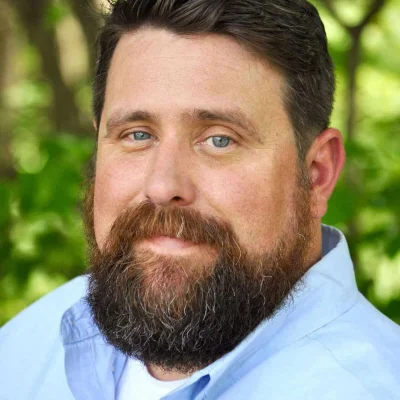
Adam Comer
CEO
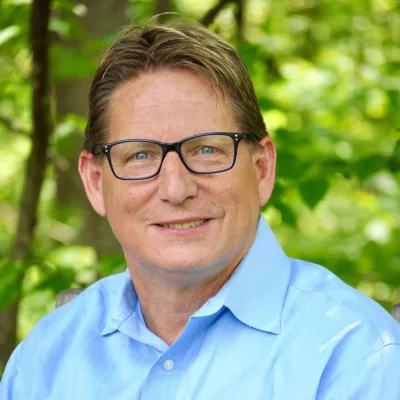
Ron Anderson
Executive VP
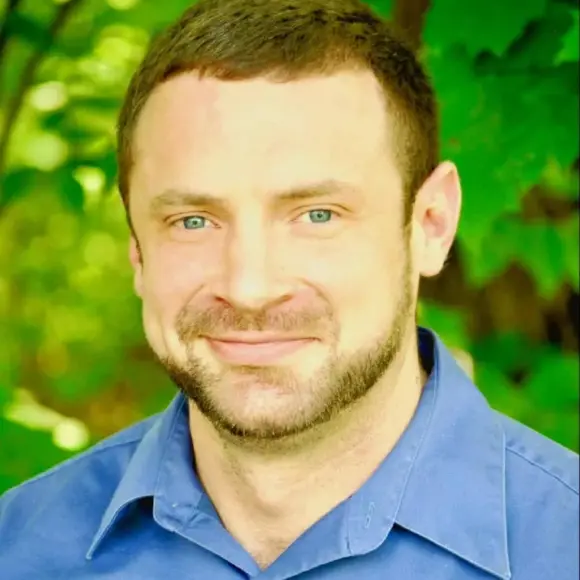
Justin Carter
COO

Dr. Andrew Daigle
Medical Director

Briana Kidd, LPC-MHSP
Clinical Director & Licensed Professional Counselor

Carl Ubiñas
Chief Growth Officer
Accreditations

The Substance Abuse and Mental Health Services Administration (SAMHSA) is a branch of the U.S. Department of Health and Human Services. Established in 1992 by congress, SAMHSA's mission is to reduce the impact of substance abuse and mental illness on American's communities.
SAMHSA Listed: Yes

LegitScript has reviewed S2L Recovery (Spring2Life): Christian Rehab Center as part of their certification program, and has determined that it meets the LegitScript standards for legality, safety and transparency.
LegitScript verified in November 2019

State Licenses are permits issued by government agencies that allow rehab organizations to conduct business legally within a certain geographical area. Typically, the kind of program a rehab facility offers, along with its physical location, determines which licenses are required to operate legally.
State License: Tennessee

The Joint Commission, formerly known as JCAHO, is a nonprofit organization that accredits rehab organizations and programs. Founded in 1951, the Joint Commision's mission is to improve the quality of patient care and demonstrating the quality of patient care.
Joint Commission Accreditation: Yes
Rehab.com regularly reviews this listing for accuracy but changes may occur between updates. For the most up-to-date information, please contact S2L Recovery (Spring2Life): Christian Rehab Center.
Contact Information


3180 Hillcreek Rd.
Woodbury, TN 37190
Sponsored Helpline



