
 (985) 465-5555

























































































 Visit Website
  5
5 About Avenues Recovery Center at Covington
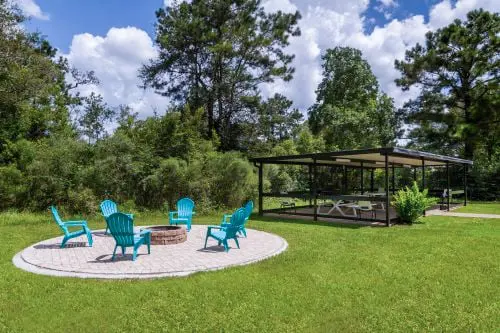
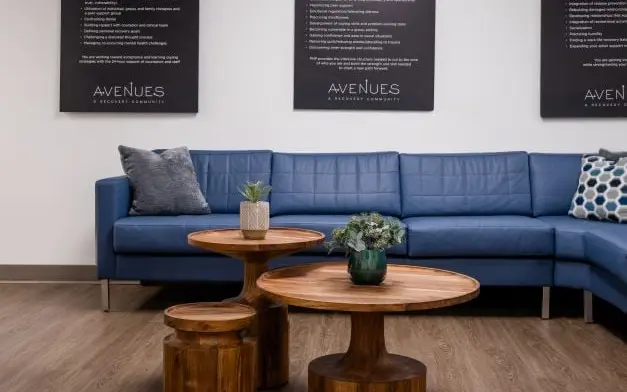
Avenues Recovery Center at Covington is a 106 – bed residential facility offering drug and alcohol detoxification and inpatient rehabilitation services. Merging highly individualized, targeted treatment plans with compassionate and respectful care, here you’ll discover a truly unique treatment experience. Avenues Covington is staffed by a round- the clock team of seasoned doctors, nurses, psychiatric specialists, addiction counselors and behavioral health technicians, as well as CNAs to provide constant support with Assisted Daily Living Services. Our team utilizes an array of evidence – based therapy modalities – including CBT, DBT. EMDR, MAT and Motivational Interviewing – to achieve the best possible outcomes for every client. Avenues’ new facility is spacious, inviting and fully wheelchair – accessible, providing the serene and soothing environment so conducive to recovery.
At Avenues, we understand that addiction is a chronic, progressive, and relapsing disease regardless of what caused its onset – and it can be prevented with timely intervention and care. We believe strongly in our holistic approach – taking a broad view of each client’s physical, mental, and emotional wellbeing, and letting that guide treatment. We treat sources, not symptoms; we heal people, not problems. Our comprehensive continuum of care and uniform clinical approach throughout our network guarantees that you receive consistently excellent care throughout your time with us. Upon graduation, our dynamic alumni program ensures you remain engaged and connected to a vibrant recovery community for years to come.
Once you enter our doors, we embrace you as part of the Avenues family forever.
Facility Overview
 31 - 60
  $Varies
 Latest Reviews
See All



Rehab Score
 Our Methodology


Gallery
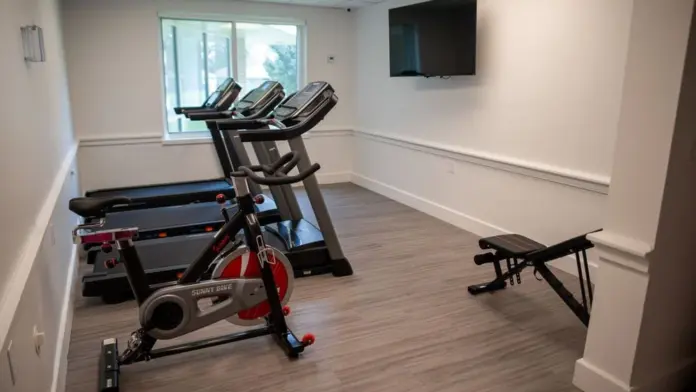
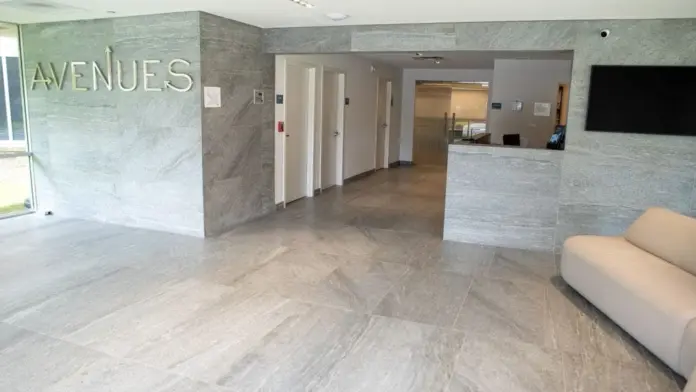
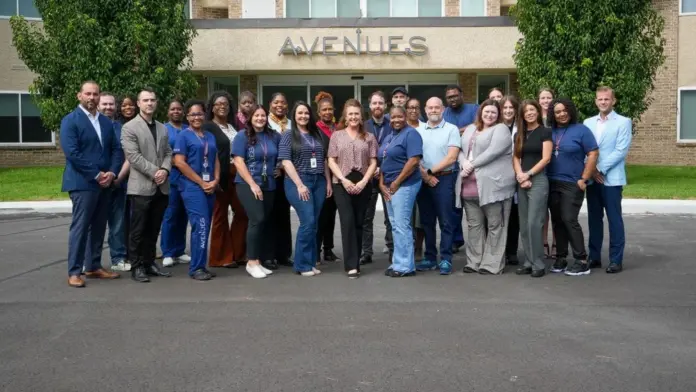
Accepted Insurance


Other Forms of Payment
Medicaid is a state based program that helps lower-income individuals and families pay for healthcare. Medicaid covers addiction treatment so those enrolled can use their coverage to pay for rehab. When a program accepts Medicaid the client often pays very little or nothing out of their own pocket.
Military members, veterans, and eligible dependents have access to specific insurance programs that help them get the care they need. TRICARE and VA insurance can help you access low cost or no cost addiction and mental health treatment. Programs that accept military insurance often have targeted treatment focused on the unique challenges military members, veterans, and their families face.
Private insurance refers to any kind of healthcare coverage that isn't from the state or federal government. This includes individual and family plans offered by an employer or purchased from the Insurance Marketplace. Every plan will have different requirements and out of pocket costs so be sure to get the full details before you start treatment.
Self-pay involves paying for treatment out of your own pocket. You can use savings or credit, get a personal loan, or receive help from family and friends to fund your treatment. If you don't have insurance or your insurance plan doesn't cover a specific program, self-pay can help ensure you still get the care you need.
Addiction Treatments
Levels of Care
Initial phases of rehab treatment often require 24-hour clinical care in Louisiana. This supervised treatment offers three main benefits. Medical staff can provide medications to treat withdrawal. Clients can also benefit from having 24-hour nursing staff available to treat any other physical symptoms. Lastly, this setting ensures that professionals are constantly available to address any emotional or mental health issues related to the addiction or co-occurring disorders.
The first step in the addiction recovery process involves flushing all addictive drugs and alcohol from your body while under 24/7 medical supervision. Known as a medically assisted detox, this level of care takes into account that quitting your drug of choice cold turkey can be very dangerous once you've become physically dependent. In a medical detox, your team of medical professionals helps to ensure your safety and comfort. Most people transition to an inpatient treatment or maintenance program upon completion.
Inpatient rehab gives clients a chance to focus on their recovery in a highly structured and supportive environment away from outside distractions, stressors, and addiction triggers. Clients reside at the treatment facility and engage in intensive psychotherapy, which may include individual, group, and family counseling.
12 step programs enable participants to focus on their long-term sobriety through rigorous peer support and ongoing personal growth. They engage in regular, peer-directed 12 step meetings and receive one-on-one mentoring by a self-selected sponsor. Meetings are free, anonymous, and available multiple times a day, 365 days per year in most communities. Though 12 steps of recovery are rooted in spiritual principles, religious affiliation isn't mandatory. Specialized programs are widely available, including youth and family meetings.
Clients enrolled in rehab aftercare programs have completed high-level treatment and are typically in the maintenance phase of their recovery, receiving customized services designed to support their sustained sobriety. Case managers and care teams typically begin to plan for the client's rehab aftercare services early in the treatment process to ensure the client's fluid reentry into their home, workplace, and community. These programs evolve as clients' needs change, and frequently include peer coaching, relapse prevention, and career counseling.
Treatments
Alcoholism - also known as alcohol use disorder (AUD), alcohol dependence, and alcohol addiction - is a chronic condition that describes a form of problem drinking that causes harm to a person's health and relationships. To treat AUD, alcohol rehab in Louisiana is usually necessary. This typically involves three phases: medical detox to safely withdraw from alcohol, rehabilitation through evidence-based therapies, and support for long-term recovery maintenance.
While each drug rehab in Louisiana offers unique elements, recovery support often follows a similar pattern. Detox is followed by inpatient and/or outpatient care, then aftercare support is provided once the participant completes the initial program.
 Mental Health And Substance Abuse
Specialized substance abuse treatment programs in Louisiana can address addiction and any co-occurring mental health disorders. These programs offer a range of care options, including outpatient, inpatient, and partial hospitalization programs. Expert clinicians utilize evidence-based therapies such as cognitive-behavioral therapy (CBT), dialectical behavior therapy (DBT), and trauma-focused therapy to address substance abuse and promote mental health. Other recovery supports include 12-Step meetings, skills workshops, psychoeducation, and an aftercare plan to enhance your chances of long-term recovery.
Programs
Adult rehab programs include therapies tailored to each client's specific needs, goals, and recovery progress. They are tailored to the specific challenges adult clients may face, including family and work pressures and commitments. From inpatient and residential treatment to various levels of outpatient services, there are many options available. Some facilities also help adults work through co-occurring conditions, like anxiety, that can accompany addiction.
Serving in the military is both mentally and physically challenging, and can result in trauma that persists even after combat ends. Military programs are tailored to the specific and often complex needs of active duty personnel, veterans, and military families. Clients often access these programs through the U.S. Department of Veterans Affairs (VA).
Clinical Services
If you undergo cognitive behavioral therapy in Louisiana, you may engage in role playing, face your fears, and learn to calm your mind and body. These techniques are designed to help you recognize unhealthy patterns of thinking and to learn healthy ways of coping with challenges.
People gain great insight into the patterns of behaviors and the triggers that underlie addiction when they participate in group therapy sessions. Your peers will discuss their experiences and strategies they use to manage addictive behaviors, offering you a greater opportunity to learn coping skills that work.
Amenities
-
 Gardens
Staff & Accreditations
Staff

Dr. Susan Julius, MD, DABPM, Regional Medical Director
Susan Julius, MD, ABAM, ABFM, AAMRO, Medical Director, is a clinician, speaker, and teacher. She is board certified in Family and Addiction Medicine, as well as Physical Therapy, and holds a special degree in urine drug testing analysis. Dr. Julius studied Physical Therapy at Cleveland State University and attended Case Western Reserve University School of Medicine, in Cleveland, Ohio. She trained for two years in General Surgery, at Tulane University School of Medicine in New Orleans, Louisiana and completed a Family Practice residency at Ochsner Foundation Hospital, in Jefferson, Louisiana.
Dr. Julius incorporated her background in these areas, along with her understanding of the biology of addiction and her personal journey in recovery, to treat patients and families with this disease for over ten years. She worked at Choices of Louisiana, a Methadone clinic, in La Place, Louisiana and was Medical Director for the City of New Orleans Homeless Clinic, and Townsend Clinic, in Lake Charles and Baton Rouge. Currently, she is the Medical Director at Townsend Recovery Center, in New Orleans.
Dr. Julius has been an expert consultant and keynote speaker for American Addiction Centers and was featured on NBC News, Fox News, Baton Rouge Business Report, and New Orleans Happy Hour Podcast. She worked with the New Orleans Re-entry Program and is active in AA and served on the Local Action Committee for International Doctors in Alcoholics Anonymous. She is a member of the American Society of Addiction Medicine, American Academy of Family Physicians, the American Medical Association, and the American Association of Medical Review Officers. She lives in New Orleans with her husband and three dogs, and loves to swim, garden and operate her vacation rental.

Robert Fezekas, LAC, LCSW, Clinical Director
Robert R Fezekas II LAC, LCSW Clinical Director has been working in the field of addiction and mental health for over 10 years. His passion for working with those who suffer with substance abuse disorders stems from his own journey of recovery! After completing treatment in 2009 he immediately entered college at Southern University at New Orleans where he graduated with honors with both his Bachelor’s of science in Substance Abuse and Master’s degree in social work. Rob has had various roles throughout his career such as: recovery support staff, counselor, Director of IOP, Director of Social Services, and now Clinical Director here at Avenue’s. He has worked closely with multiple court systems and veterans affairs to customize evidence based programming to best treat their clients. Within his community in St Bernard Parish he works closely with the community leaders to advocate for prevention, treatment,, and recovery resources through a nonprofit group he helped founded St Bernard Recovery Awareness.
Robert believes that every client has the potential to recover and looks forward to working with every client that enters our Avenue’s Facility!
Accreditations

The Joint Commission, formerly known as JCAHO, is a nonprofit organization that accredits rehab organizations and programs. Founded in 1951, the Joint Commision's mission is to improve the quality of patient care and demonstrating the quality of patient care.
Joint Commission Accreditation: Yes


 View Website