





























































































A Complete Guide To Sober Living Homes
Discover how sober living homes and recovery residences provide a safe, structured bridge between drug rehab and independent life. Explore the best sober living homes, what to expect day to day, and how to choose the right fit so you can protect your recovery and rebuild your life with confidence.
Addiction Centers That Offer Sober Living Homes
| Name / Address / Rating | Description | Treatments / Payments / Programs | Review / Contact | Images |
|---|---|---|---|---|
Cave Creek, AZ 1
Top 10 in Sober Living Homes
Rehab Score
Our Rehab Score is designed to make it easier for you to find the best treatment centers. We combine overall ratings with recent feedback to create a score that reflects a center’s quality right now.
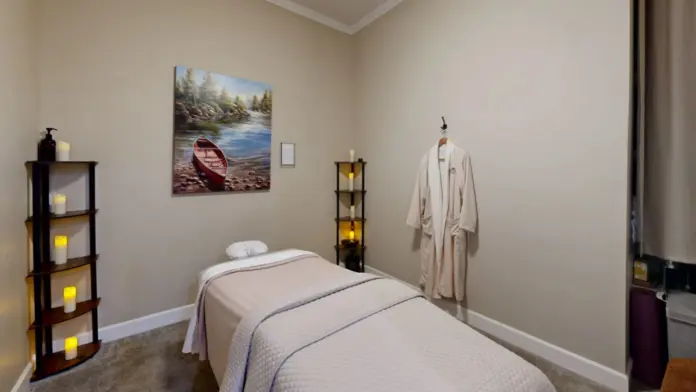
9.15 / 10 | Soberman’s Estate, located in Cave Creek, Arizona, is an alcohol and drug rehab center that provides addiction treatment services to adult men, professionals, and public figures. They are a discrete, luxury rehab for individuals aged 30 to 80 years old. This location caps their treatment center at ten men at a time. As one of leading inpatient re | Treatments Programs Payment Options  Mental Health Mental Health Substance Abuse Substance Abuse Alcoholism Alcoholism Opioid AddictionMental Health And Substance Abuse Opioid AddictionMental Health And Substance Abuse  Adult Program Adult Program Young Adult Program Young Adult Program Program For Men Program For Men  Private Insurance Private Insurance Self-Pay Options Self-Pay Options Financial Aid Financial Aid Sliding Scale Payment Assistance Sliding Scale Payment Assistance Medicaid Medicaid Medicare Medicare | 
This place is amazing! Sobermans truly saved my life! I had been to 2 places before & unfortunately neither one helped in the long run. I was literally on the verge of destroying my entire life with an opioid addiction & don’t even remember the days before detox or the first few days in detox, it was that bad. So while I was in detox, I was on the verge of hopelessness sitting in regret & overwhelmed by past trauma when someone came to me and said, your only option at this point is Soberman’s. I had never heard of them before, but at this point I’m willing to try anything so, let’s get it going as soon as I leave detox. All I can say is this place is magical! From the first night until the last I felt like I was exactly where I was supposed to be. For the first time in my life everything made sense & I felt safe because of Soberman’s way of doing things. The labyrinth has an energy like I’ve never felt before, it’s like everyone who had been there before left a little part of themselves to help those to come. The staff all have stories of their own & are some of the most beautiful human beings I’ve had the pleasure to be around. The Alumni are great & very supportive! I was fortunate enough while I was there to do 2 Alumni dinners, so I was able to meet a lot of them during the dinner. I’ve also had the pleasure of going to one dinner since I’ve been out which was fun. The Alumni are very supportive & always available, which is something I’ve never had before. A group you can always call on & they also have a weekly zoom call to check in too. Sobermans helped guide me to my recipe for success & I will forever be grateful! I’ve been Sober for 8 months now & have no desire to use, but if I do I now have the skills to deal with it in a healthy way. Thank You to everyone at Sobermans!
Jamie Vahle
1 month ago

Soberman’s Estate was everything I needed for my recovery. The staff, the program, physical activity and culinary experience were top notch and essential. The program is well designed and worked better than I expected. The staff is remarkable – professional, considerate and genuinely caring. My time there and being removed from alcohol for five weeks was everything I needed to remove my craving for alcohol. Soberman has changed my life in ways I never could have imagined. I feel confident, secure and grateful for my new life. I have reconnected with my family and friends. Thank you Soberman.
George B.
11 months ago

Yes, very professional staff, treatment, therapist, chefs were good! even the home cook did the best she could, and loved the horses of Course! Saturday morning hiking was fun to explore the trails of the nearby mountain area!
John E Williams
11 months ago
| 
5 5 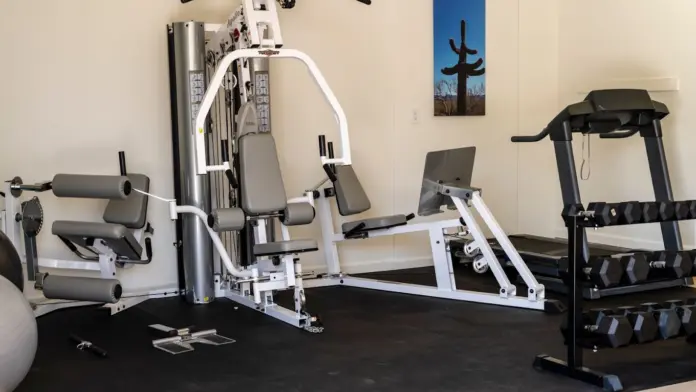


|
Clarksville, IN 2
Top 10 in Sober Living Homes
Rehab Score
Our Rehab Score is designed to make it easier for you to find the best treatment centers. We combine overall ratings with recent feedback to create a score that reflects a center’s quality right now.
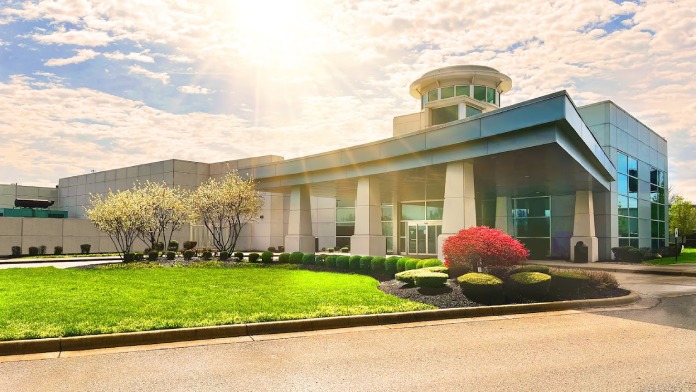
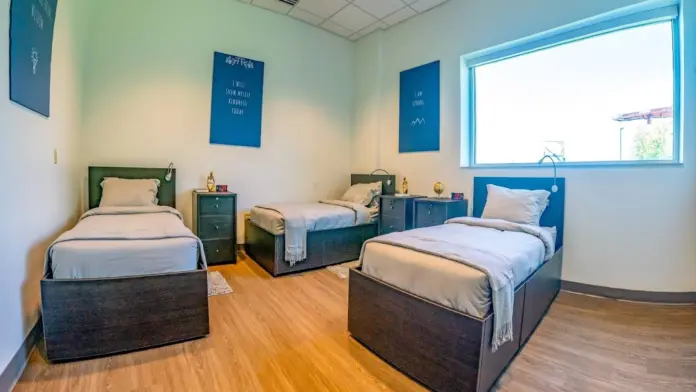
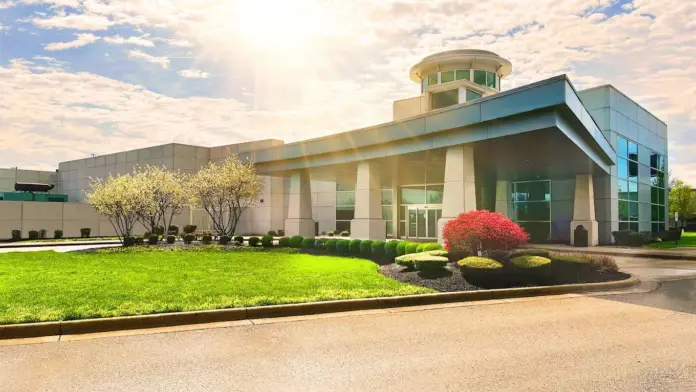
9.67 / 10  Claimed Claimed | Avenues Recovery Center in Clarksville, Indiana, is an inpatient drug and alcohol detox and rehab center. They strive to provide individuals receiving treatment with a loving environment and attentive medical care. You’ll be away from toxic environments and triggers and have the opportunity to focus on developing life skills that will support you | Treatments Programs Payment Options AlcoholismMental Health And Substance Abuse Drug AddictionOpioid AddictionSubstance Abuse Drug AddictionOpioid AddictionSubstance Abuse Dual DiagnosisMental Health Adult ProgramYoung Adult Program Dual DiagnosisMental Health Adult ProgramYoung Adult Program LGBTQ Program LGBTQ Program Military Program Private InsuranceSelf-Pay OptionsMedicaid Military Program Private InsuranceSelf-Pay OptionsMedicaid Military Insurance Military Insurance | 
Awesome place great people
Matthew Thompson
1 day ago

This has been the best experience of my life I’ve came a long way in recovery and I’ve learnt a lot but nothing compares to the lessons this place teaches an addict will always be a addict but this place gives hope that there is a future everyone that works here came from the same place I was and they know how to deal with what I’m going through if you have a bad day they talk to you about it if you have a good day they give you praise this is a highly recommend option if your starting your journey
Roger Casey
1 day ago

By the food they fed us and the quality of living in the building it’s obvious my insurance money is being used to better help myself and the facility.
The nurses are focused on us getting the treatment we need and not just treating us like a work problem.
Shout out to the great behavioral health worker who baby sit us. 9 out of 10 had a great attitude and really care about us getting better. Family’s can be assured this place helps people change!
Joe Kiss
1 day ago
| 
4 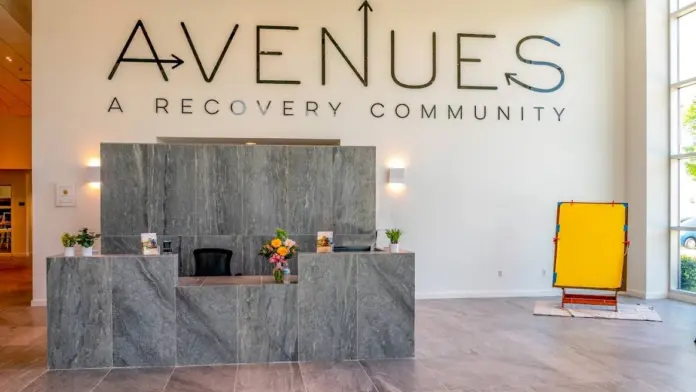
|
Simi Valley, CA 3
Top 10 in Sober Living Homes
Rehab Score
Our Rehab Score is designed to make it easier for you to find the best treatment centers. We combine overall ratings with recent feedback to create a score that reflects a center’s quality right now.
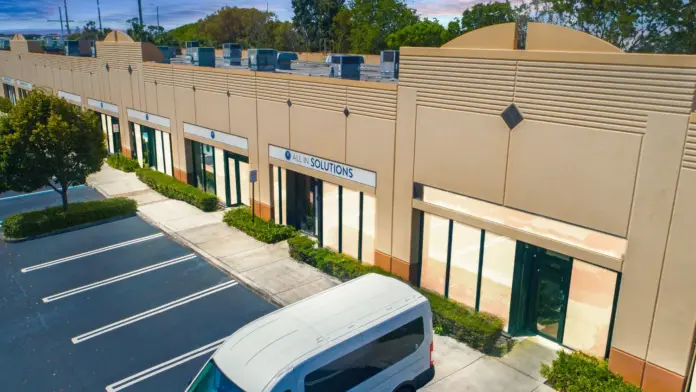
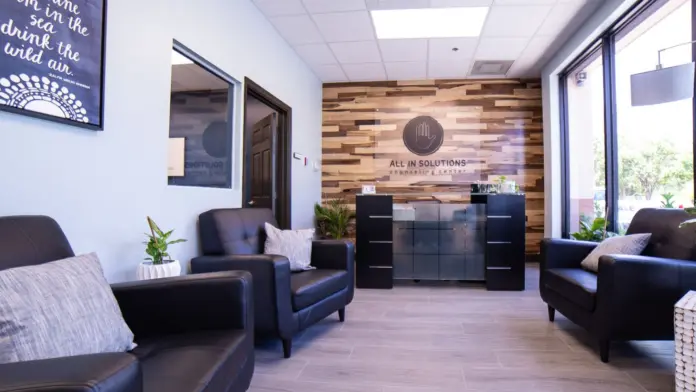
8.79 / 10 Claimed | All In Solutions Detox in Simi Valley is one of the best ranked inpatient detox facilities in California providing safe, medically supervised care for individuals beginning their recovery from drug or alcohol addiction. As part of the All In Solutions Behavioral Health network, this facility serves as the first step in a full continuum of care. Cli | Treatments Programs Payment Options AlcoholismDrug AddictionMental Health And Substance AbuseOpioid AddictionSubstance AbuseDual Diagnosis Adult ProgramYoung Adult ProgramProgram For Men Program For Women Private InsuranceSelf-Pay Options Program For Women Private InsuranceSelf-Pay Options | 
Awesome staff and great facilities. All my needs were met and they got me on the road to recovery.
Brian Mckinney
2 days ago

Everything here was really great. The stars and medical team was very helpful. I left here with a new life
Lucas Deters
1 week ago

Great Staff helping you learn about your addiction and how to beat it.
There is nothing wrong with struggling or being afraid.. They will help you through everything and help you set goals for your future.
Joseph Brown
1 week ago
| 
5 5 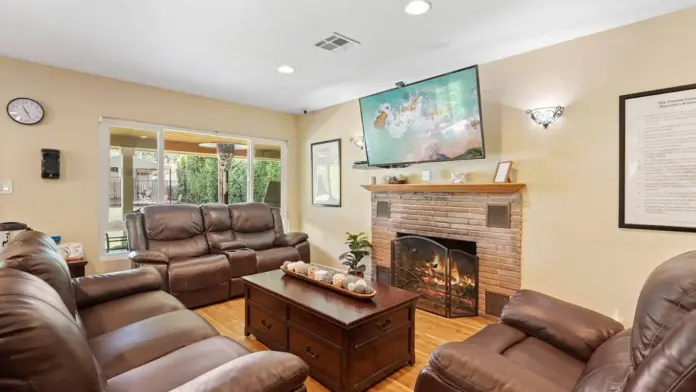
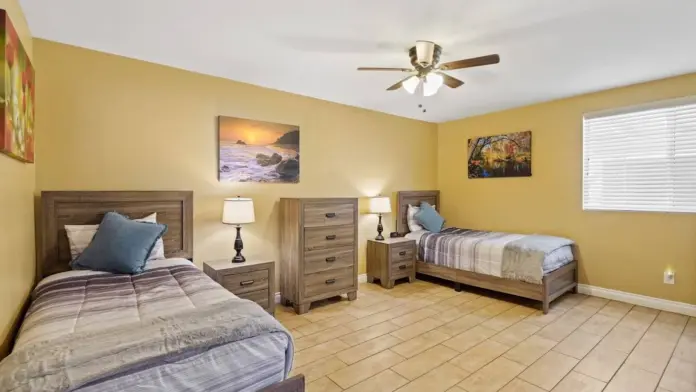
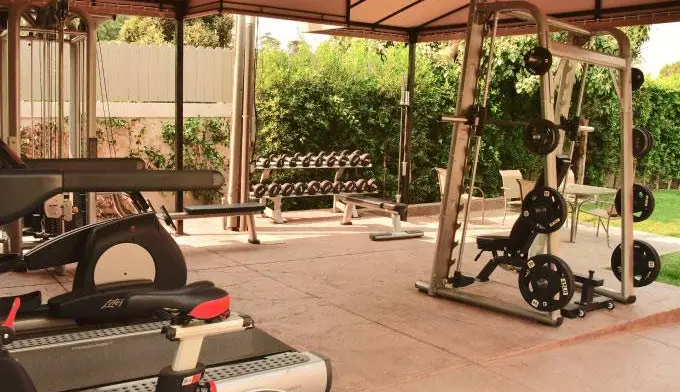
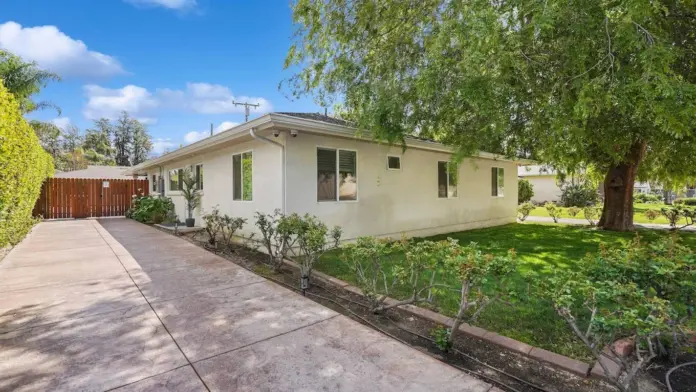
|
Brentwood, TN 4
Top 10 in Sober Living Homes
Rehab Score
Our Rehab Score is designed to make it easier for you to find the best treatment centers. We combine overall ratings with recent feedback to create a score that reflects a center’s quality right now.
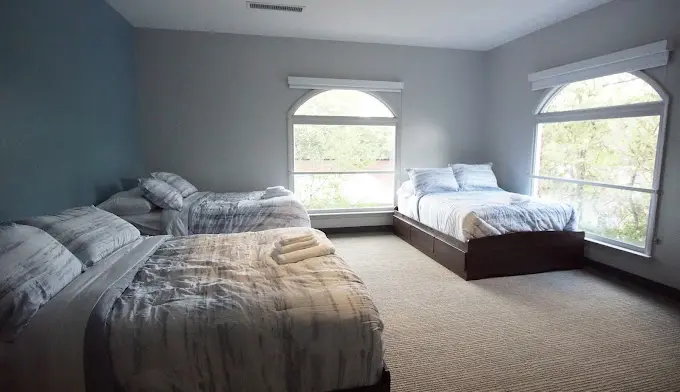
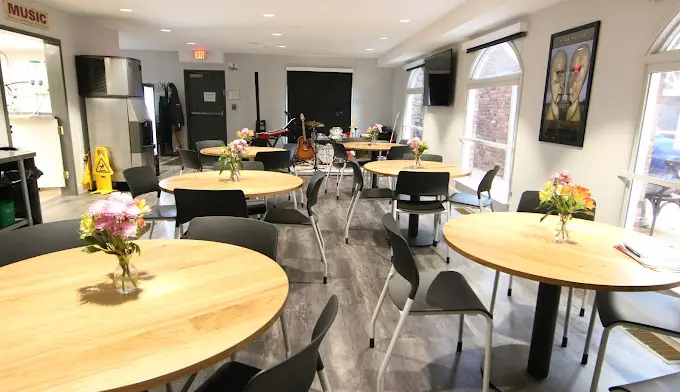
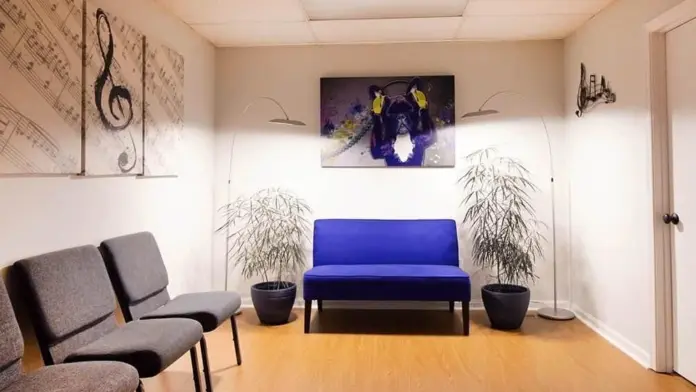
8.78 / 10 | Recovery Unplugged Nashville Drug & Alcohol Rehab is a private luxury addiction treatment center located just south of Nashville, in Brentwood, Tennessee. They offer several levels of care, including medication assisted treatment (MAT), residential treatment and behavioral telehealth. Adults with dual diagnoses and substance use disorders are welco | Treatments Programs Payment Options Substance AbuseAlcoholismDrug AddictionDual Diagnosis Adult Program Private InsuranceSelf-Pay OptionsMedicareMedicaidMilitary Insurance | 
My stay with recovery unplugged was very satisfying. The staff,techs, alumni, nurses were very helpful and considerate of my needs. I would highly recommend them to family and friends.
Corey Jackson
19 hours ago

I have been so blessed to find Recovery Unplugged. They are amazing here. Truly care and take care of people. I even feel spoiled with food and amenities let alone the professional medical and therapeutic care. Thank you Recovery Unplugged <3
Everyone is amazing Teagan Sarah grace taylor CAROLINE…Kay, Shun, Brynn, Michelle and more!!!
Logan Troester
1 day ago

The best staff and program ever !
Daniel Anderson
1 day ago
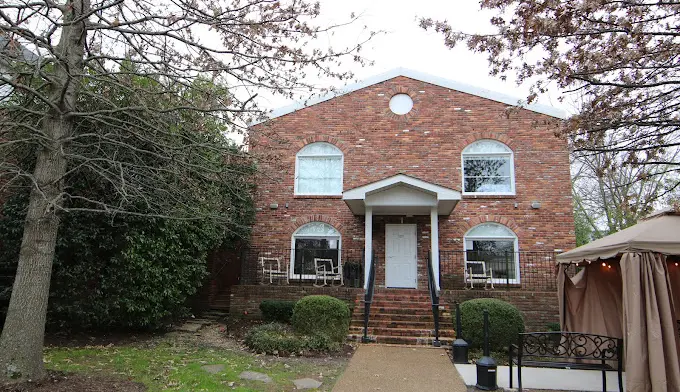
| 
5 5 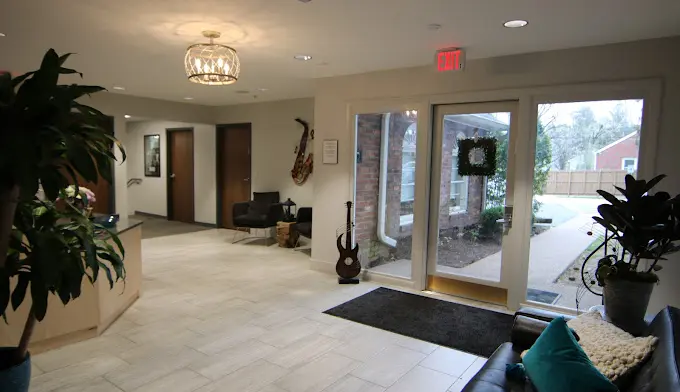
|
Boynton Beach, FL 5
Top 10 in Sober Living Homes
Rehab Score
Our Rehab Score is designed to make it easier for you to find the best treatment centers. We combine overall ratings with recent feedback to create a score that reflects a center’s quality right now.
8.78 / 10 Claimed | All In Solutions Counseling Center is a mental health center and addiction treatment program in Boynton Beach, Florida. They provide a partial hospitalization program, an intensive outpatient program (IOP), an outpatient program, medication-assisted treatment, and mental health care for adults with substance use disorder. All In Solutions Counseli | Treatments Programs Payment Options AlcoholismDrug AddictionOpioid AddictionSubstance AbuseDual DiagnosisMental Health And Substance Abuse Adult ProgramYoung Adult ProgramProgram For MenProgram For Women Self-Pay OptionsPrivate insurance | 
This is a great facility and great program a lot of great people work here that care about helping others !!!!!
Jarrett Alfieri
2 days ago

I had my phone the whole time. For anyone coming from a detox program where everything gets locked away, that’s worth knowing. Being able to stay in contact with family and handle things in my life while doing the program made it feel sustainable, not like I’d put everything on pause.
Chris Deluca
1 week ago

Friday mornings are alumni speaker meetings. Someone who’s been through the program and come out the other side sits with the current group and talks about what it looked like. That’s a different kind of session than anything a therapist can run, and it became the part of the week I looked forward to most.
Nathan Foster
2 weeks ago
| 
4 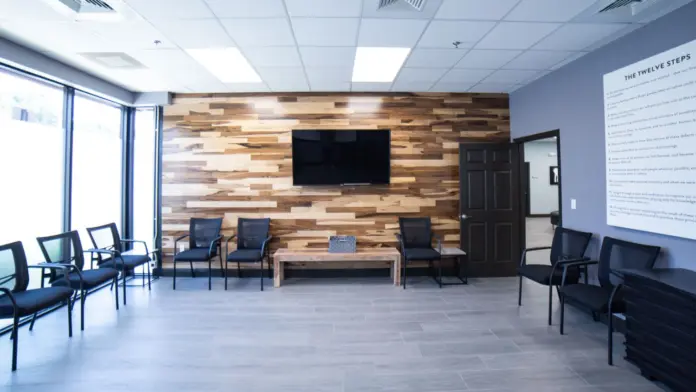
|
Watsonville, CA 6
Top 10 in Sober Living Homes
Rehab Score
Our Rehab Score is designed to make it easier for you to find the best treatment centers. We combine overall ratings with recent feedback to create a score that reflects a center’s quality right now.
8.76 / 10 Claimed | Located in Watsonville, California, Elevate Addiction Services provides alcohol and drug rehab services to men and women suffering from addiction. Their levels of care include detox, inpatient treatment, and outpatient treatment. One of the best ranked Outpatient treatment centers in California, Elevate Addiction Services provides a wide continuum | Treatments Programs Payment Options AlcoholismDrug AddictionOpioid AddictionSubstance Abuse Adult ProgramYoung Adult ProgramLGBTQ Program Self-Pay OptionsPrivate insuranceMilitary InsurancePrivate Insurance Financing Financing | 
This place is not your ordinary rehab facility. They go beyond your standard rehabilitation and literally “Elevate” your life to a new level you didn’t think was ever possible before. The program is structured in a way that you desire to learn more and give more into the healing process. If you take the necessary steps and put your heart into the program you will come out with a newfound appreciation for life and all that surrounds you. Please take this step, as my husband did, to embrace your life and get the healing you deserve and owe yourself.
The Truth
5 months ago

I think this is a wonderful rehab, the facilities are beautiful, the food is amazing (I have never even had food this good at a restaurant), and above all they have really helped my husband. Obviously anyone that first goes to rehab isn’t happy with their situation but in just two short months he was a changed person. The work they have them do on themselves got him to finally see why drugs and alcohol are no way of life. He’s finally sober and actually enjoying it! This rehab helped him so much he actually chose to stay LONGER, and I am for once excited for what the future can bring.
Christine Hanson
6 months ago

My experience here throughout my last few months has completely changed my whole outlook on life. Before I got here I thought my life was going towards the end. My body was failing and mental state was terrible. Every part of the program touches on every aspect of the addicts life. Now that I have finished the program and started living daily life with all of the gains I got throughout the program, failure isn’t an option. I know I can truly be happy sober now. I finally gained back the love and support from my life partner and best friend I always knew was still there. My mom also believes in me again which is so important to me. The possibilities and happiness are endless now. Thank you Elevate.
Mike Wilcox
6 months ago
| 
5 5 


|
Lake Ariel, PA 7
Top 10 in Sober Living Homes
Rehab Score
Our Rehab Score is designed to make it easier for you to find the best treatment centers. We combine overall ratings with recent feedback to create a score that reflects a center’s quality right now.
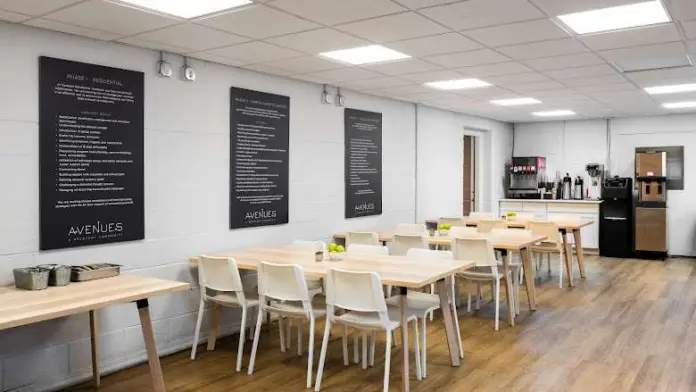
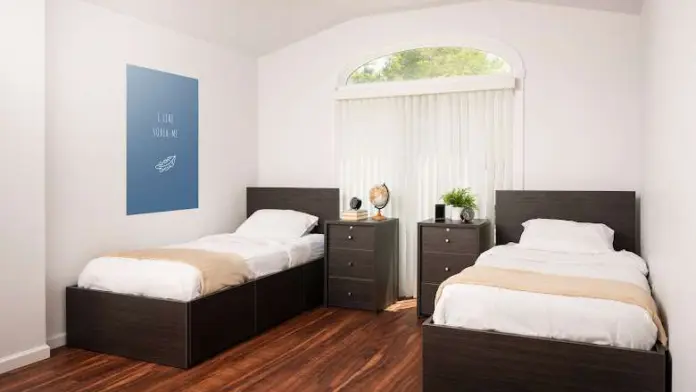
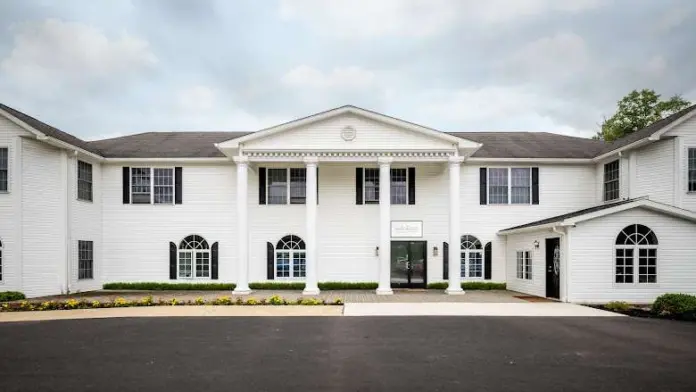
9.56 / 10 Claimed | Clients seeking treatment for alcohol addiction may be required to undergo detox first. As one of the best detox facilities in Pennsylvania, the process at Avenues Recovery Center ensures any abused substances are out of a client’s system and that they are in a healthy frame of mind when they enter residential treatment. Detox is overseen and | Treatments Programs Payment Options Substance AbuseAlcoholismDrug AddictionMental Health And Substance AbuseDual Diagnosis Adult Program Private InsuranceSelf-Pay OptionsMilitary Insurance | 
This is truly an amazing facility! Every single person I’ve encountered is absolutely wonderful. The staff are incredibly kind, caring, and knowledgeable, groups are fun & informative, and the housing and food are excellent. There’s an amazing sense of community and I 1000% recommend.
Irene Sweeney
1 week ago

Best rehab everrree
Cameron Coe
2 weeks ago

Wonderful experiene!
Jonathan Pesnel
3 weeks ago
| 
5 5 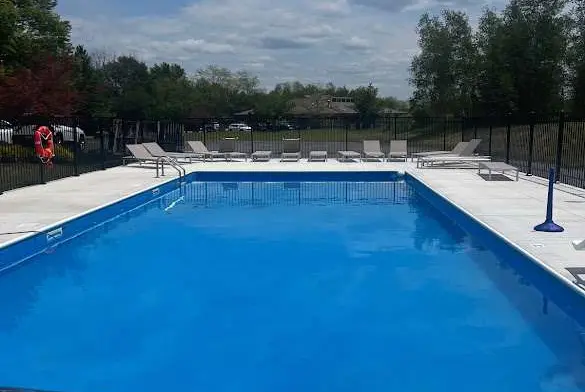
|
Dublin, NH 8
Top 10 in Sober Living Homes
Rehab Score
Our Rehab Score is designed to make it easier for you to find the best treatment centers. We combine overall ratings with recent feedback to create a score that reflects a center’s quality right now.
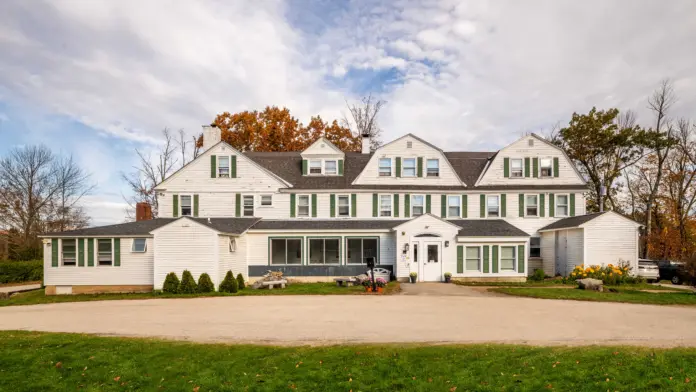
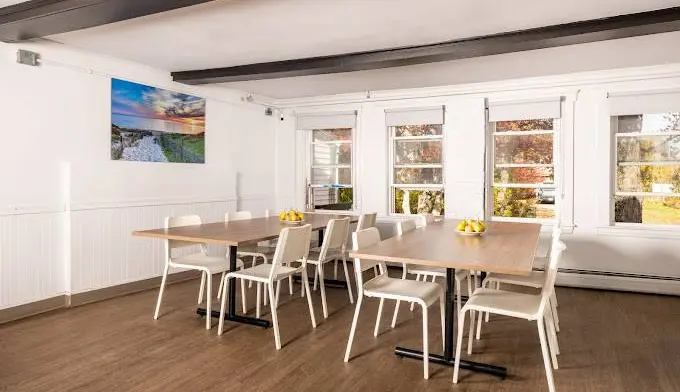
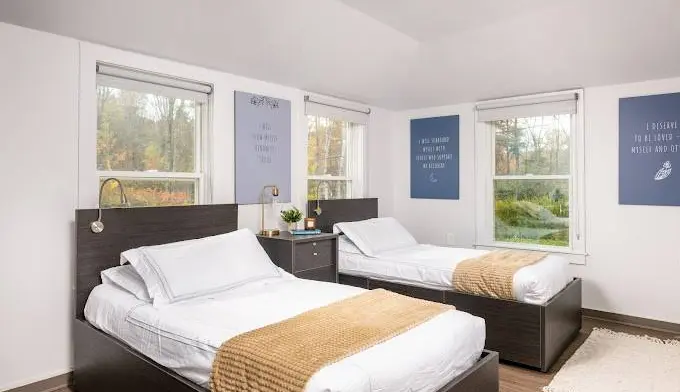
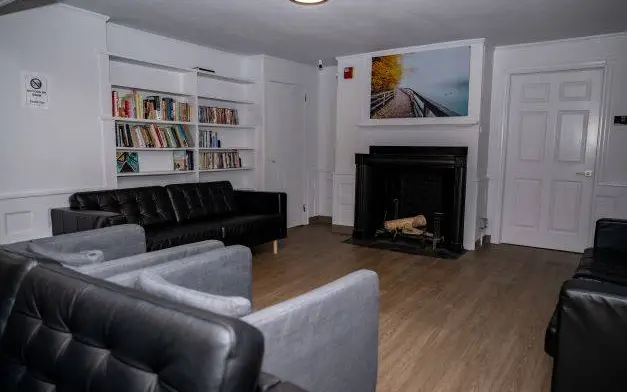
8.75 / 10 Claimed | Individuals with the profound burden of addiction or mental health disorders can find solace at Avenues Recovery in Dublin, New Hampshire. This facility offers something truly valuable: a chance to breathe and step away from the struggle. The approach here goes beyond simply stopping the use of substances. It’s more of a supported journey back to | Treatments Programs Payment Options AlcoholismDrug AddictionDual DiagnosisOpioid AddictionSubstance Abuse Adult ProgramLGBTQ Program Private InsuranceSelf-Pay OptionsFinancial AidSliding Scale Payment AssistanceMedicaid | 
provided me an environment to grow and, god willing, sustain long term sobriety. great place
pauna1476583
3 days ago

Wonderful place, the staff is mostly great, and I definitely learned a lot and have the tools I needed to succeed!
Bizzy Slizzy
2 weeks ago

AVENUES in Dublin was a life changer! Not only did they help me understand my alcoholism, they helped me mentally and truly cared. The staff were honest and helpful in so many ways. Huge thank you to Reilley, Jay, Aya, Sean,Toni, Lance,Steve.. everyone! There’s no reason to hide from your addiction. Get sober and embrace the happiness!
***UPDATE… 2 years sober is just around the corner! Thank you Avenues!! 🙏
Michele Mclaughlin
3 weeks ago
| 
7 7 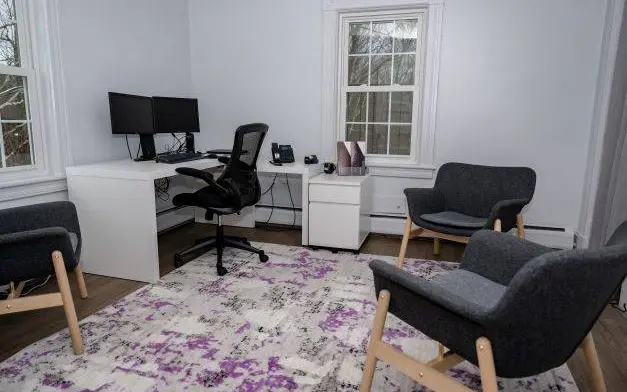
|
Malibu, CA 9
Top 10 in Sober Living Homes
Rehab Score
Our Rehab Score is designed to make it easier for you to find the best treatment centers. We combine overall ratings with recent feedback to create a score that reflects a center’s quality right now.
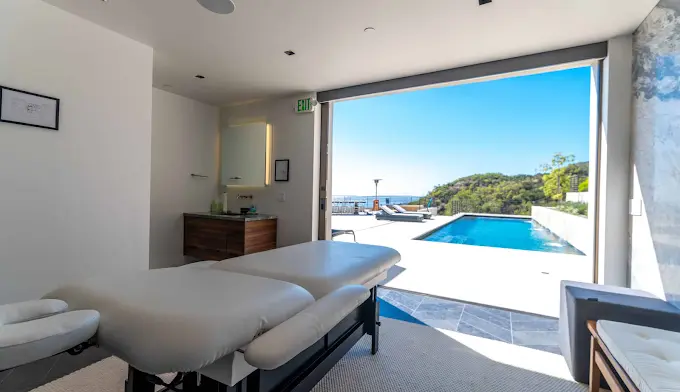
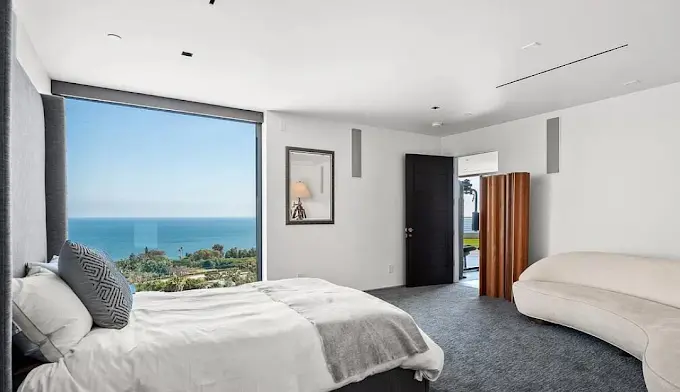
8.74 / 10 Claimed | Rise in Malibu is a secluded drug and alcohol rehab program in Malibu, California. They deliver Joint Commission accredited detox, inpatient treatment, medication assisted treatment (MAT), and aftercare services to adult clients. Their campus boasts luxury amenities and a seaside view. Detoxification at Rise Malibu takes place in its luxury residen | Treatments Programs Payment Options AlcoholismDrug AddictionDual DiagnosisOpioid AddictionSubstance Abuse Adult ProgramYoung Adult Program Private InsuranceSelf-Pay Options | 
Rise has saved my life on numerous occasions! The staff alone is super amazing that they have become my family. I cannot speak highly of all the times I have been through Rise. The peaceful ocean setting , the warm pool, the delicious meals, the wonderful group therapies, the wonderful group outings, comfortable room accommodations (and very private!!) make the whole experience absolutely wonderful and such a blessing. Will forever be blessed by Rise and the wonderful people there that make it so special and fabulous. The staff, Including Christina , Angie, Gina , Dr Mark, Sharie, Paul W, John, Paige , Nam , Bryce, Beth, and many more have been more than wonderful to me during some of the most difficult times of my life.
If you are seeking top shelf therapy, a true luxurious experience of healing, please go to Rise. I cannot speak highly of them more! Everyone is too amazing. Ron and Allison make the admission progress so easy. Allison is super kind and sweet and has helped me on so many occasions when she didn’t need too. Truly an asking person. And same with Ron! Ron is an amazing gentleman and his wife, Jennifer. Truly the best people I have ever met and encountered . You will love your time at Rise! Also, the scenery is truly amazing. After living in Malibu for a year, going to Rise was such a treat! Enjoy the beautiful sunsets and sunrises as you heal in such a beautiful environment !
MR RANSOM LAW SHIPP
2 weeks ago

One of the best rehabs available. Everyone was very personable, respectful, kind, and patient. Just over 365 days sober thanks to Rise. Allison saved me, and I cannot thank her enough. If you’re in deep and hopeless, take her word, do what she recommends, let her guide the process. She is a godsend. Trust her. Ron, Sharie, Dr. Mark, Nam, Cat, Dr. Raskin (who is very kind, don’t let other reviews fool you) and everyone else, thank you as well. My daughter has her dad back thanks to y’all.
Also special shout out to Cesar for our trip out to West Hollywood to check out sober livings. Fun adventure and one of the easiest people to talk to one on one.
Go to Rise. I’m telling you now if you have the opportunity, do not pass it up.
Wes Naylor
2 months ago

The first phone call i had was an intake with Allison. She is the one who convinced me to come to Rise. She is amazing. She is there from the beginning to the end if you need anything.
The first person I met at rise was Nam. He is the man he’s there for you all the time he works 20 hours a day. The man is amazing.
Next, I met Zac the nurse he’s such a cool dude and listens to you and takes whatever concerns you have and it gets it fixed for you.
As far as nurses Daisy, David and Nina were great.
If you have real medical issues, I would not go there
Dr.Raskin is a first class clown. The first time I met him, he spoke to me in the kitchen for 30 seconds and ran away. The next time I saw him was on Zoom for about 60 seconds and he got off. I had a lot of medical issues and he was not there for me. I was very disappointed in that. I refuse to see him after that that’s one of the few bad things about Rise is the doctor. If he was my employee he’d be fired. I complained about him a lot.
The counselor Michael, Josh And Beth were great they listen to you and make you feel like they are helping you out.
A special shout out to Cat My hippie dippy friend she is the one who does yoga and meditation. I never did that in my life before I’m an older man and she was amazing.
I’m from the East Coast. The food was not that great. I was disappointed in that they have a private chef. James was the best chef
That’s the only thing I could say about the food. Very disappointing.
That being said, I would definitely go to Rise. They save my marriage and they save my life. Thank you to the team if I left anybody out, I’m sorry.
Marc K
3 months ago
| 
6 6 

|
Woodbury, TN 10
Top 10 in Sober Living Homes
Rehab Score
Our Rehab Score is designed to make it easier for you to find the best treatment centers. We combine overall ratings with recent feedback to create a score that reflects a center’s quality right now.
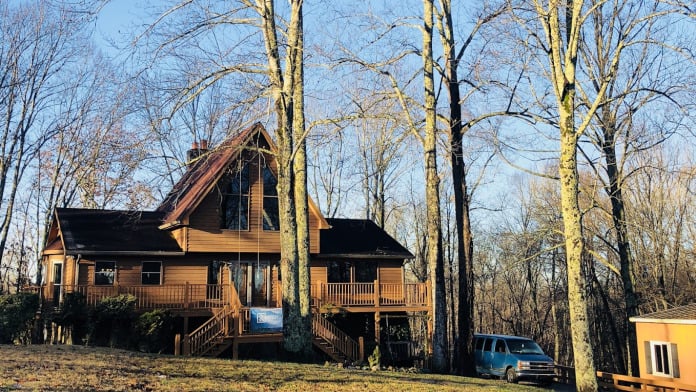
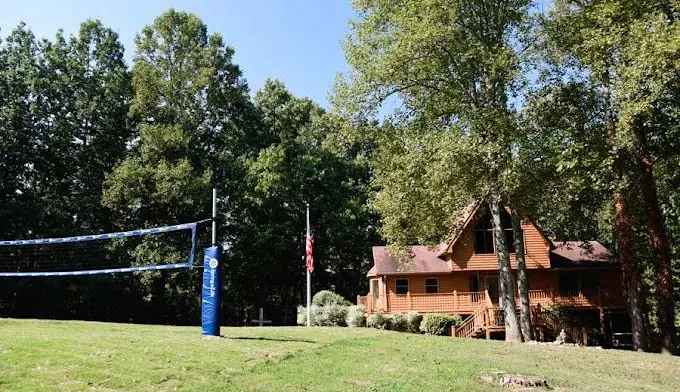
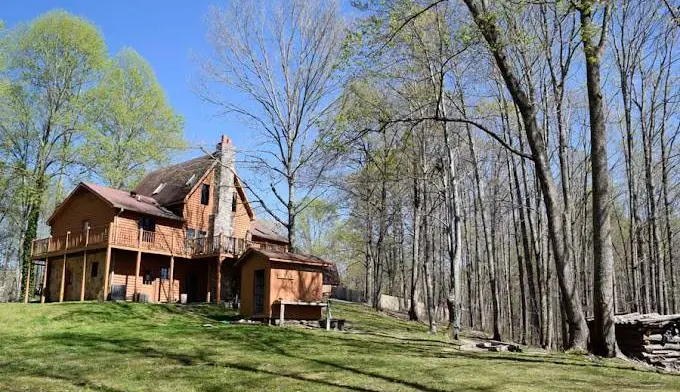
8.74 / 10 | If you’re looking for a Christian-based men’s drug rehab center, S2L Recovery in Woodbury, Tennessee, might be the place for you or your loved one. Located at the top of Short Mountain, and overlooking the green hills of Middle Tennessee, this residential and detox clinic boasts a one-to-one staff/patient ratio so there’ll always be someone t | Treatments Programs Payment Options AlcoholismDrug AddictionOpioid AddictionSubstance AbuseDual Diagnosis Adult ProgramYoung Adult ProgramProgram For Men Private InsuranceSelf-Pay Options | 
S2L Is a Christ centered recovery center for women. I had only been to 1 other treatment center (back in the 90’s, it was 12 Step, secular recovery) The way I found S2L was by no doubt God doing for me what I couldn’t do for myself. These ladies poured their hearts & souls into my spirit, reminding me of: who I am in Christ & who GOD is & how GOD sees me. I was only able to stay for 2 weeks due to health complications that were beyond S2L’s capabilities. But what I can say is, after only 2 weeks, I came home to chaos with family & intense physical pain & I never once wanted to use alcohol or anything else to change the way I felt. The staff there are truly committed to the people they serve & unselfishly go out of their way to lift you up with the Word of God. I’ve been home for a little over a week now, my dad still hates me & I’m looking for somewhere to live with no clue how things will work out. However, I know Who is in control & I’m not worried about these things. I feel confident in Christ, he’s always pursued me & has always provided.
The only other things I want to add are: 1. like most all treatment centers there are strict rules to abide by, go in with an open mind. These rules are for your good. 2. Be prepared to climb stairs to a lot of the classes & groups.
Thank you S2L staff for your care & support.
Love,
Kiwi
P.S. for a better understanding of S2L watch “The Forgotten Pandemic” on YouTube. It’s an eye-opener.
Kiwi Lovie
2 weeks ago

I came to S2L praying that the Lord would save my life. He did and in the process He saved my soul. I’m so grateful for the opportunity that was provided to me. You guys did me ,what I consider to be, the biggest favor anyone has ever done for me. Praise God!!
mark diggs
1 month ago

This place has been so amazing! This was truly a move of God to get here and stay all 6 weeks and to go home not powerless but aware of Holy Spirit in me .. I became the clearest in my mind after a very long time. With all of the leaders there and my coach Emily, I was truly blessed. God is in this place! I would always recommend S2L with the christian standards they have. And the love that everyone shown me was almost unfamiliar after so much turmoil but so so sweet. And to have a sisterhood now that I needed!
I am thankful!
Jovana Rivera
1 month ago
| 
6 6 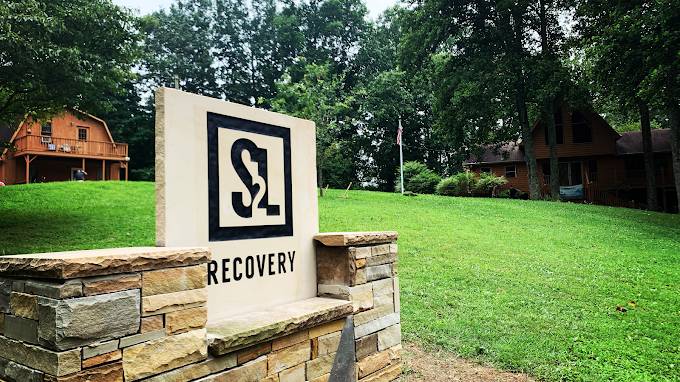

|

Sober Living After Addiction Recovery
Sober Living After Addiction Recovery
Sober living homes are a necessary support to help people adjust to daily life after addiction treatment. These structured, substance-free environments help individuals stay accountable and support developing healthy habits, leading to sustainable long-term sobriety.
This resource will teach you all about sober living, including different types of sober homes available, who they’re best for, what daily routines look like, and how to pick the right one. You’ll also find information on costs, funding choices, rules, and legal protections.
Key Facts About Sober Living Homes
- Sober living homes help people transition from rehab to living on their own.
- There are four levels of sober housing, each with different amounts of structure and support.
- Sober homes have rules, drug testing, and peer accountability.
- The ideal residents for these facilities consist of rehab alumni needing structured support together with safe living arrangements.
- Costs range from $600–$1,200/month for standard homes; funding options vary.
- Choosing the right sober home involves consideration of factors like location, structure, and how it fits with your goals.
What Is Sober Living?
What Is Sober Living?
One of the most challenging times for someone recovering from drug or alcohol addiction is when they leave a residential treatment center and head back to their daily life.
It can be tempting to return to old habits after they are no longer living under the structure and supervision they received during their treatment program. Especially during the first few months after treatment, the risk for relapse can be particularly high.
In fact, studies1 have identified that 65% to 70% of people relapse within the initial 90-day period.
A sober living house creates a bridge between life in a residential treatment setting and returning to daily life after treatment. Receiving additional support in the early days post treatment can significantly enhance the chance of achieving long-term sobriety.
This is particularly related to the peer support and camaraderie offered at a sober living home. Here, all residents are on the recovery journey together. As the National Institute on Drug Abuse (NIDA) states,2 peer support programs during and following treatment can help maintain abstinence.
Here you will find information about sober living houses, what they do, and how you or your loved one can take full advantage of the support of a sober living home and enjoy a life free from addiction.
Types of Sober Living Houses
Types of Sober Living Houses
Sober living houses date back to the 1800s when religious organizations set up residencies where people were required to abstain from alcohol. In the 1940s, more modern versions were established that focused on supporting rehabilitation from substance abuse.
Offering less crowded surroundings and more amenities, these facilities were typically more desirable than halfway houses. Sober living houses are also called sober residences, recovery houses, and recovery residences. All sober living homes differ in how they are managed, the services they provide, and the facilities on offer.
The National Association of Recovery Residences (NARR) identifies3 four levels of sober living housing based on the type of care they provide:
- Level I — Oxford housing: This is the most common type of sober living home in the United States. Oxford House Inc.4 is a non-profit, publicly supported organization that provides the network that connects all Oxford Houses.
- These recovery residencies are self-run and self-organized. Oxford House Inc. states that the concept works for both men and women, but not in the same house, and therefore Oxford Houses are single-sex only.
- The optimum number of members per house is 8 to 15. Oxford Houses have a minimum of six people, since this is what is required to be considered effective.
- To be accepted into an Oxford House, current residents usually interview the prospective residents, and they then take a vote to see if the person can move into the home.
- Level II — Monitored sober living homes: Within these facilities, a house manager or resident has often been allocated to manage the recovery house. Monitoring includes regular house meetings and drug testing.
- Level III — Supervised housing: These are more formal facilities with a hierarchy of qualified staffing. There is a focus on developing life skills, and clinical procedures are offered in the broader community.
- Level IV — Residential treatment housing: Often managed by professional healthcare providers, these are the most structured type of sober homes and offer services in-house. They are closely related to standard inpatient treatment facilities, although they may provide some additional freedoms to patients.
Halfway Houses
Halfway houses are a vital transitional stepping stone for people getting out of jail or rehab, and they typically receive government funding to support their operations, with a time limit on how long you can stay. This type of transitional housing provides a structured and time-sensitive environment for individuals to get support and guidance. Research5 has shown that living in a halfway house can improve treatment outcomes.
Sometimes people use the terms halfway house and sober living home interchangeably. Although they have some similarities, they are not the same thing. Both settings provide a space where residents live as a group and slowly transition back into daily life following a period away from home. However, their operations, funding, and length of stays differ.
Therapeutic Communities
Therapeutic communities (TCs)6 provide long-term residential care to people through programs that combine holistic recovery and behavioral transformation. These communities rely on peer support, along with responsibility and involvement in the community.
Even though they may not always be classified as sober living homes, the structured environment of therapeutic communities provides support to people who are in early recovery.
Special-Focus Residences
Many sober living homes exist to provide specialized care to meet the needs of particular population groups. These include women-only facilities, LGBTQ+ inclusive residences, as well as houses designed for young adults, collegiate recovery, and faith-based or executive-focused environments.
These specialized programs create secure, safe, and relatable spaces that consider residents’ personal characteristics, including their identity, background, and goals.
How Sober Living Works Day-to-Day
How Sober Living Works Day-to-Day
Sober living homes give a structured yet flexible routine to help individuals in recovery get back on track and prepare for long-term independent living. Below is a breakdown of what a typical day in a recovery residence looks like.
Media: Sample weekly schedule
Typical House Schedule
Most sober homes have a predictable routine that helps with responsibility, accountability, stability, and personal growth.
These routines typically include:
- Morning Chores: Residents are usually assigned shared household responsibilities, such as cleaning, yard work, or cooking. These tasks help residents foster a sense of ownership and routine.
- Work, School, or Volunteering: During the day, residents are expected to either work, go to school, attend outpatient treatment, or volunteer. Sober living homes help people rebuild their lives while staying focused on recovery.
- Evening Meetings: Residents typically attend a recovery meeting in the evenings. This could be a 12 Step Program like Alcoholics Anonymous or Narcotics Anonymous, or a recovery alternative like SMART Recovery. Some sober homes may require a specific number of weekly meetings, either on-site or in the community.
- House Meetings: Community house meetings are held weekly or biweekly to check in on residents’ responsibilities, address any concerns, and build cohesiveness.
Phase System with Escalating Privileges
Most sober living homes have a phase-based system where residents earn more freedom the longer they stay and by showing commitment to recovery and taking personal responsibility.
Early phases may include:
- Strict curfews (e.g., 9 or 10 p.m.)
- No overnight passes
- Limited phone or visitor privileges
As residents progress in their program, they may begin to gain access to:
- Later curfews
- Overnight or weekend passes
- More flexible schedules
This step-by-step method helps people regain their independence slowly over time, while still having support available.
Drug Testing & Accountability Measures
It is extremely important to maintain a drug- and alcohol-free sober living environment.
To implement this, most homes have:
- Random or scheduled drug and alcohol testing
- Zero-tolerance or strict policies against substance use, violence, or contraband
- Clear house rules and consequences for violations
- Daily or weekly check-ins with a house manager or peer leader
The purpose of accountability measures is not only to enforce the rules but also to safeguard the group dynamic and reinforce each resident’s dedication to their recovery.
Who Benefits From Sober Living?
Who Benefits From Sober Living?
Sober houses have been proven to support the recovery process of people who have undergone treatment for substance use disorder.
However, there are some situations where a sober living house may not be appropriate:
- If the individual is not in recovery from substance use disorder or has co-occurring issues such as mental health concerns.
- If someone requires medical detox or specialized therapies, they should be referred to a residential treatment center instead.
- If the person does not meet the demographic criteria. Some recovery residences are single-sex only or designed for people in a certain age bracket or life situation, such as adolescents or veterans.
- If someone is unwilling or unable to support the culture of recovery within the sober living house or cannot abide by the house rules.
- If the recovery residence cannot meet their needs. Although some Level 4 sober living homes offer addiction treatment, some needs may still not be catered to within a particular facility.
- If the person is a threat to themselves or others and will undermine the house’s cooperative, supportive, and pleasant environment.
Ideal Candidate Profiles
Sober living home environments are appropriate for those who have recently finished detox or residential treatment programs and require ongoing structure and assistance.
Sober living homes also serve people who are early on in their recovery but lack a secure or substance-free home to which they can return. This includes accepting individuals with co-occurring mental health conditions, those leaving inpatient care, and justice-system participants on probation or parole.
Sober living serves to connect individuals in their transition from intensive care to being fully independent, supporting long-term recovery from substance use. These homes give residents experience with everyday responsibilities, such as working, managing finances, and staying sober through peer support in a substance-free community.
Signs You May Need a Recovery Residence
If your current home is full of relapse triggers, like family or friends who use substances, or is not a safe or stable place, a recovery home might be a better, safer, and more supportive option.
Other signs you may need a recovery residence include:
- Having a limited number of sober connections in your life
- Feeling isolated in your recovery
- Struggling without structure during your free time
Residents who need additional structure during their recovery process should consider the benefits associated with drug testing, curfews, house meetings, and the support of peers who are also committed to sobriety.
Choosing a sober living home can provide essential stability and connection when you need it the most in your recovery.
Eligibility Requirements
While every sober home has its own set of rules, most require residents to be at least 18 years old, committed to abstinence, and willing to follow the house rules. This includes participation in house chores, timely rent payments, and attending recovery meetings or required group activities.
Homes may also screen for compatibility with their program, such as gender, age group, mental health needs, or recovery phase.
Most homes have a zero-tolerance policy for drugs, alcohol, violence, and contraband, with clear consequences for violations. Homes vary on whether they accept residents who take medication assisted treatment.
What Rules Apply in a Sober Living House?
What Rules Apply in a Sober Living House?
All sober houses maintain a zero-tolerance policy regarding the use of alcohol or drugs. Some recovery houses require random drug tests. This is to ensure residents remain sober. Individuals who break this rule are usually removed from the home immediately to protect the other residents.
Other rules depend on the type of facility and its ethos; some sober homes are stricter than others. If rules are violated, the repercussions can include being made to apologize, writing an apology letter, paying a fine, or, in the case of extreme breaches, someone may be asked to permanently leave the house.
Examples of rules that may apply are as follows:
- Nothing that promotes drug or alcohol use
- Being contactable and transparent about your whereabouts
- Compliance with curfews
- Participation in treatment programs
- Mandatory attendance at house meetings
Therapy, 12 Step, SMART Recovery & Life-skills Programming
- Required external therapy/IOP hours; onsite goal-setting, budgeting, and meal-prep classes
- Holistic add-ons: mindfulness, fitness, vocational support
Family & Alumni Involvement
- Family days, multi-family groups, recovery-ready home education
- Alumni-led sponsorship and job networking
How Effective Are Sober Living Houses?
How Effective Are Sober Living Houses?
Many studies7 have shown that best-practice rehabilitation treatment provides continuity of care post discharge. Sober homes allow individuals to continue with elements of their recovery treatment even after their formal rehab program has finished. This continuation of support, motivation, and, in some cases, therapy, significantly enhances their chance of long-term sobriety.
The risk of relapse when someone leaves addiction treatment is particularly concerning. One study8 into people being treated for heroin addiction showed a considerable risk of death from overdose in the month following treatment.
This indicates a need for better education on health issues surrounding drug use, as well as the need for relapse and overdose prevention programs. Sober living houses can assist in educating people with substance use disorder and reducing the chance of relapse.
Another study9 into Oxford House recovery homes found that they reduce relapse by providing closer monitoring and referring additional services to residents with a history of severe addiction. Beyond reducing the risk of relapse, recovery residences offer additional benefits. One study10 of 330 residents at 49 sober living homes in California found that residents had increased odds of total abstinence and employment.
The same research also identified operational characteristics that improved the success rate of sober houses. This included the facility’s location and whether residents must be sober for at least 30 days before admittance.
Costs, Insurance & Funding Options
Costs, Insurance & Funding Options
How Much Does Sober Living Cost?
Sober living costs can vary a lot depending on where you live, the location, and the services offered. Additional cost factors include whether the home is peer-run or professionally staffed, programs offered, and the level of support.
$600 to $1,200
Most standard sober homes cost between $600 and $1,200 per month and include shared housing, peer support, and basic utilities.
Over $3,000
Luxury sober living residences can exceed $3,000 per month and include amenities such as private rooms, meals made by a chef, and on-site therapists.
Some programs offer low-cost or scholarship options, but they may have stricter admission requirements or a waitlist.
Insurance doesn’t always cover sober living residences, but some parts of the program could be covered through your HSA or FSA funds. It is important to ask about all potential costs upfront, like deposits and testing fees, so you can prevent any surprises later on.
Who Pays for Sober Living Homes?
Sober living houses are usually peer-run facilities that encourage continued substance use disorder recovery. Occasionally, they are run by a charity or an addiction treatment center as a less structured and more informal version of the inpatient treatment plans they offer.
Residents pay rent to live in a sober house at a value similar to renting privately in the local area. As individuals pay rent and expenses, there is generally no time limit on how long they can stay. The facilities are usually pleasant and can include private rooms and bathrooms.
Many sober living homes are not government-funded and are self-supporting. Some recovery houses accept donations of clothing, household goods, and other items for use by residents or to sell to make money to offset the facility’s costs.
Some government funding for sober living homes is available, however. An example is the Substance Abuse and Mental Health Services Administration (SAMHSA), which offers grants11 to organizations that provide addiction treatment and recovery services.
Budgeting Tips & Hidden Fees
Besides rent, residents may have to pay for additional things, such as security deposits, drug testing fees, transportation to meetings or appointments, and mandatory fees for activities or missed chores.
Some sober living homes might also require extra payments for late rent or services like meal plans. Make sure to get a full breakdown of expenses before you commit.
If you have HSA or FSA funds, you can possibly use them to pay for certain aspects of treatment within sober living homes. These include things like counseling, outpatient programs, or group therapy. It is important to check with your provider or insurance company to know what’s covered and avoid any surprise costs.
Legal, Accreditation & Quality Standards
Legal, Accreditation & Quality Standards
Sober living homes may not have the same rules as licensed treatment centers, but there are still some important standards sober living homes abide by to keep everyone safe and accountable and to protect residents’ rights.
Knowing the legal and quality standards for sober housing can help you find a good, ethical place that follows best practices.
Licensing, NARR Certification & State Oversight
Sober living homes exist outside of government regulations, but facilities may seek certification from the National Alliance for Recovery Residences (NARR) voluntarily.
NARR3 certification promotes safety standards and ethical practices for resident care. These standards include NARR’s verification that facilities follow established best practices regarding their policies, staff training, and incident reporting systems.
Different states have different requirements, so some homes may need to obtain licenses. The staff of reputable homes conduct background checks on personnel while creating written policies and establishing grievance procedures for residents.
Fair Housing Act & ADA Protections
The Fair Housing Act,12 together with the Americans with Disabilities Act13 (ADA), recognizes sober living homes as housing for people with disabilities.
This means that cities are required to provide acceptable accommodations when residents express opposition to zoning or property usage regulations. Legal decisions throughout history have established protective measures against discriminatory local laws.
Local Zoning, Neighborhood Concerns & Residents’ Rights
Due to the Fair Housing Act and ADA protections, cities must allow reasonable accommodations, even if neighbors object.
The practice of “Not in My Backyard”14 (NIMBY) does not affect well-run sober living homes, because they have established relationships with neighbors and specific rules for resident conduct and noise or occupancy guidelines.
Residents also have rights within the sober home, including procedures for resolving conflicts, as well as due process protections before eviction. Written policies and rules should outline steps like warnings or mediation, and include a house manager or board review before a resident can be removed.
How to Choose the Right Home
How to Choose the Right Home
Choosing the right sober living home is an important and personal decision. The home’s environment, together with its structure and philosophy, will directly affect the path of your recovery. The following points should guide your evaluation when selecting a sober living home for yourself or your loved one.
How To Choose a Sober Home for Yourself or a Loved One
How To Choose a Sober Home for Yourself or a Loved One
There are many factors to take into account when choosing a sober living house.
Some of the things that you may wish to consider include:
- Location: Proximity that allows easy access to work, school, outpatient services, and supportive networks impacts both stability and motivation levels.
- Size: Some homes will accept between five and eight residents, but some accept 15 or more. Choose an option that fits your social interaction preferences and desired privacy levels.
- Amenities: Look for access to fundamental necessities, including clean living spaces, laundry facilities, and kitchen access. Ask about extra resources, such as fitness rooms, transportation services, and in-house meetings.
- Length of stay: Programs usually recommend15 a minimum stay of 90 days. You should determine if any flexibility exists in the duration of stay according to your individual goals and progress.
- Accreditation and management: NARR and state-certified homes typically follow best practices because they are part of the accreditation process. Ask management about their staff training approaches, their oversight procedures, and background-check policies.
- Record of success: Inquire about the historical success data of residents, including their stay duration, relapse rates, and their ability to find stable housing or employment.
- Cost: Examine the entire price structure, which includes housing costs, security deposits, testing expenses, and anything not included in the base price. Ask if their program offers any financial help or scholarships.
- Requirements for entry: Check the entry requirements to determine if the program requires minimum sobriety periods, age restrictions, gender limitations, or mental health stability.
Tour Checklist & Questions To Ask
When touring a potential sober living home, ask:
- What procedures exist for managing resident relapses?
- What does the ratio between staff members and residents look like?
- What does a typical day look like?
Additionally, check the cleanliness of the home and its organization and observe if the current residents appear active and receive proper assistance.
Red Flags & Warning Signs
Be cautious of:
- Cash-only fees
- “Free” rent offers tied to treatment kickbacks
- High resident turnover
- Lack of written policies, unclear policies, or lack of transparency about the policies
- Homes that don’t outline a relapse plan or resident rights
Transition Planning: Length of Stay & Exit Strategy
Most sober living homes suggest staying for at least 90 days, but staying longer (6–18 months) has been shown to have better long-term results. Quality homes will help you transition by gradually reducing structure, giving you more freedoms like lower rent or fewer check-ins as you become more independent.
Before leaving, residents should receive a personalized aftercare plan, with things included such as alumni support groups, referrals to outpatient care, job assistance, and guidance on finding safe housing to live independently.
FAQs About Sober Living & Supportive Housing
FAQs About Sober Living & Supportive Housing
Staying at least 90 days has been shown to lead to better recovery results.
The length of stay for residents can vary between six months and 18 months based on an individual’s recovery goals and stability. Longer stays provide additional time for residents to develop habits, find employment, and build a sober support network before moving into independent living.
Yes, the majority of sober living homes support their residents to work, study, or volunteer as part of their recovery process. The daily schedules in these homes are designed to support work and school activities but also require house chores, meeting attendance, and check-ins.
Most sober living homes provide both structure to help maintain and support recovery and flexibility to allow enough freedom for residents to manage their work and school commitments.
Visitor policies vary by program. As one example, visitors can visit on weekends and must stay within designated common areas. The recovery environment requires visitors to follow sobriety guidelines, and overnight guest stays are usually prohibited.
Each house maintains its own set of rules regarding family and friend visits, as well as child visits, so it is important to ask about specific policies.
Relapse policies vary, but the majority of facilities will conduct immediate evaluations when residents use drugs or alcohol, according to their established relapse policies.
Some houses will offer temporary exit and re-entry programs to residents who are stabilized through detox treatment or recovery recommitment. Others may enforce a permanent discharge policy to safeguard other residents.
Sober living homes that welcome couples or families with children do exist, although they are not common. However, some sober living homes, more commonly, will provide adjacent family units or child care facilities within their housing facilities.
Parents in recovery should search for recovery programs that focus on families and have flexible rules regarding family support services and reunification.
Find Treatment Near You
Find Treatment Near You
Looking for support? Use Rehab.com’s searchable directory to explore treatment centers, sober living homes, and recovery programs in your area. You can filter by location, insurance, special focus areas, and level of care to find the right fit.
Not sure where to start? Call the number below to talk to someone about treatment options, learn what services are available, and see if insurance will cover the cost of rehab or sober living care.
Call A Treatment Provider
For a conversation about what treatment options are available to you.
Make a Call
 800-985-8516
 Sponsored Helpline
Nearby Featured Supportive Housing
Finding facilities near you…

