










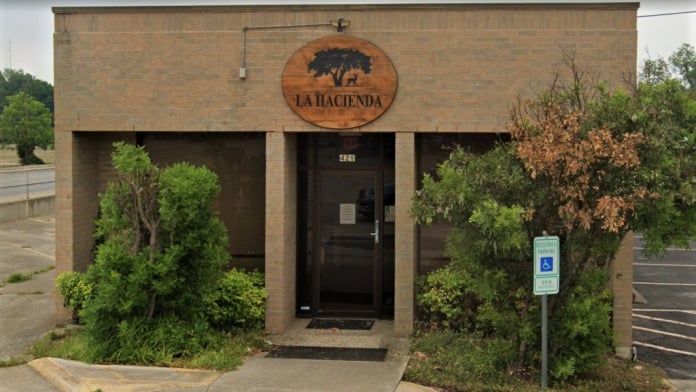
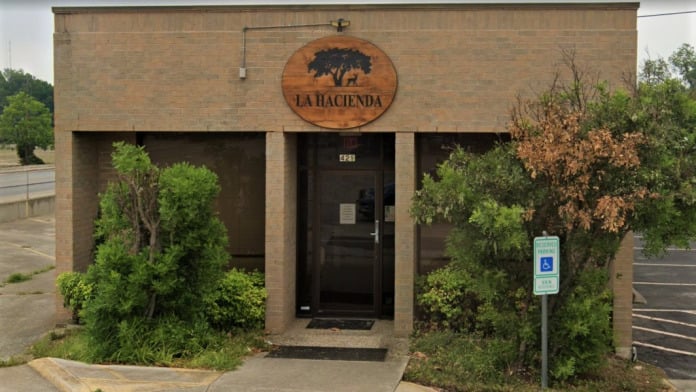
La Hacienda Treatment Center
1
Top 10 Rehab Centers In Hunt



















































































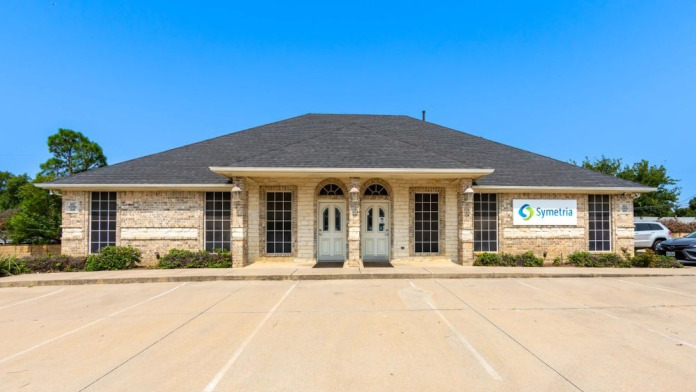
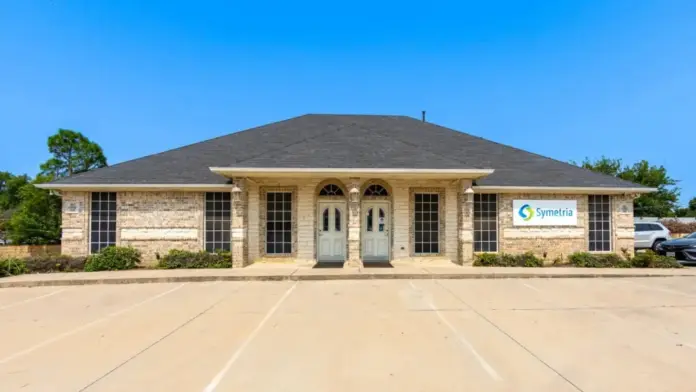
Symetria – Hurst Outpatient Rehab and Suboxone Clinic in Hurst, Texas, is a private drug rehabilitation clinic for adults. One of the best outpatient rehab centers in Texas, Symetria offers various withdrawal medications to help clients get started with their recovery journey. You’ll also have access to treatments such as the intensive outpatient program (IOP), one on one therapy and mental health treatment.
With the facility being an outpatient rehab, clients have the convenience of receiving their medication and therapy while still living at home. Symetria Recovery is certified as a methadone clinic, which means you can access your medication on site. Physicians can also prescribe Suboxone or Vivitrol as an option for treating your cravings and withdrawal symptoms. Vivitrol is administered off site through a non addictive monthly shot.
The facility’s intensive outpatient program is licensed by Texas Health and Human Services. With this program you’ll have access to unlimited one on one therapy and participate in group therapy three times a week. In one on one therapy, your therapist can treat underlying issues that might be contributing to your addiction such as trauma, anxiety and depression.
The primary therapeutic approach that group counselors will utilize is cognitive behavioral therapy. This approach can help you change negative beliefs or thoughts that hinder your recovery. You’ll also learn to regulate your emotions, develop coping skills and receive support and encouragement from your peers.
In between treatment sessions, one of the things you can do in Hurst is take time to relax in nature at the Giant City State Park. You can also visit the Crab Orchard National Wildlife Refuge.
 $30
$30 
 Our Methodology



Private insurance refers to any kind of healthcare coverage that isn't from the state or federal government. This includes individual and family plans offered by an employer or purchased from the Insurance Marketplace. Every plan will have different requirements and out of pocket costs so be sure to get the full details before you start treatment.
Self-pay involves paying for treatment out of your own pocket. You can use savings or credit, get a personal loan, or receive help from family and friends to fund your treatment. If you don't have insurance or your insurance plan doesn't cover a specific program, self-pay can help ensure you still get the care you need.
Medicare is a federal program that provides health insurance for those 65 and older. It also serves people under 65 with chronic and disabling health challenges. To use Medicare for addiction treatment you need to find a program that accepts Medicare and is in network with your plan. Out of pocket costs and preauthorization requirements vary, so always check with your provider.
Military members, veterans, and eligible dependents have access to specific insurance programs that help them get the care they need. TRICARE and VA insurance can help you access low cost or no cost addiction and mental health treatment. Programs that accept military insurance often have targeted treatment focused on the unique challenges military members, veterans, and their families face.
Outpatient Programs (OP) are for those seeking mental rehab or drug rehab, but who also stay at home every night. The main difference between outpatient treatment (OP) and intensive outpatient treatment (IOP) lies in the amount of hours the patient spends at the facility. Most of the time an outpatient program is designed for someone who has completed an inpatient stay and is looking to continue their growth in recovery. Outpatient is not meant to be the starting point, it is commonly referred to as aftercare.
Inpatient rehab programs are geared toward clients in early recovery. They also provide intensive support for clients in crisis and those at an increased relapse risk. Clients receive housing and meals while in inpatient care, allowing them to focus solely on their recovery. Most programs prioritize addiction counseling but may draw on various psychotherapeutic modalities, including CBT, DBT, RBT, trauma therapy, and motivational interviewing. Life skills training and holistic therapies are also common in inpatient care.
Intensive outpatient programs offer high-level care for clients as an increased risk of relapse, including those in early recovery, those with a strong history of relapse, and those experiencing a crisis. Intensive outpatient treatment typically requires clients to engage in nine to 20 hours of care weekly, with treatment modalities that combine psychotherapy and recovery education, and holistic therapies, such as acupuncture and animal therapy. Medication assisted treatment (MAT) is also common in alcohol and/or opioid recovery.
Rehab aftercare programs are based on a model of continuing care and the premise that recovery is a life-long process requiring ongoing client support. Many rehab aftercare services include outpatient care, but clients often continue to receive support after being discharged from formal treatment. Case managers and care teams typically collaborate with clients to design their long-term care plan, which may include peer coaching, career counseling, and 12 step program induction, among other services.
A drug intervention in Texas may be necessary if your loved one is in denial about a substance use disorder. You can partner with intervention services to plan and execute an effective intervention that educates your loved one about addiction and encourages them to get the treatment they need. Many rehab centers offer intervention specialists who can facilitate the intervention and help with a seamless transition to inpatient rehab for treatment.
Commonly known as "day treatment," a partial hospitalization program (PHP) offers intensive addiction treatment while allowing you to return home each day. It can serve as an alternative to inpatient hospitalization or as a step-down option. Depending on your needs, PHP treatment typically averages 90 days with a weekly requirement of 6-8 hours a day. PHP treatment offers a variety of therapeutic interventions such as individual counseling, group therapy, and psychoeducation. Oftentimes PHP treatment can be fully covered by insurance.
24-hour clinical care in Texas provides a safe environment for medical detox. This setting is crucial to provide medical care during withdrawal. Certain withdrawal symptoms can cause life-threatening conditions, but patients in a supervised clinical setting have treatment readily available to address any symptoms before they become severe. Treatment can also be provided for co-occurring physical and mental health issues.
Ridding the body of harmful, addictive substances, also known as detoxification, is usually the first phase of recovery. Those going through medically assisted detox can be administered medications by a team of medical professionals who are on-site 24/7 to provide different types of therapies that help mitigate withdrawal symptoms.
Substance rehabs focus on helping individuals recover from substance abuse, including alcohol and drug addiction (both illegal and prescription drugs). They often include the opportunity to engage in both individual as well as group therapy.
Alcoholism occurs when a person becomes physically and psychologically dependent on alcohol. Attending a professional alcohol rehab in Texas can provide customized intervention methods to address the physical, mental, and relational challenges of addiction.
 Opioid Addiction
Adult rehab programs include therapies tailored to each client's specific needs, goals, and recovery progress. They are tailored to the specific challenges adult clients may face, including family and work pressures and commitments. From inpatient and residential treatment to various levels of outpatient services, there are many options available. Some facilities also help adults work through co-occurring conditions, like anxiety, that can accompany addiction.
Young adulthood can be an exciting, yet difficult, time of transition. Individuals in their late teens to mid-20s face unique stressors related to school, jobs, families, and social circles, which can lead to a rise in substance use. Rehab centers with dedicated young adult programs will include activities and amenities that cater to this age group, with an emphasis on specialized counseling, peer socialization, and ongoing aftercare.
The goal of cognitive behavioral therapy (CBT) in Texas is to change thought patterns, which leads to changes in behavior. Specific techniques during CBT can include self talk, SMART goals, journaling, and positive activities.
Treatment that takes a dialectical behavior therapy approach focuses on four strategies. Distress tolerance will help you accept and tolerate intense emotions. Emotional regulation will teach you to manage those emotions. Mindfulness will keep you in the present moment instead of regret or worry. Interpersonal effectiveness will teach you to manage your relationships.
Peer support is an important aspect of group therapy sessions for drug and alcohol addiction. As you and your peers share stories and encourage each other, it fosters a sense of community and belonging that helps you process your feelings and reduces the sense of isolation that is associated with addiction.
Individual therapy offers you a confidential space to address the complexities of your drug or alcohol addiction. Your therapist guides these personalized sessions to help develop self awareness and manage stress. This promotes sustained sobriety and overall well being.
Therapy sessions that incorporate motivational interviewing focus on OARS: open questions, affirmation, reflections, and summarizing. This facilitates an exchange of information and an empowering of the client to decide for themselves what changes might need to be made in their lives.
Together with an experienced trauma therapist, you work on healing emotional wounds from traumatic experiences within a trauma therapy environment. Your therapist will help you process the experience of the trauma, which promotes emotional healing and improves your overall mental health.
Couples therapy helps couples learn to control emotions, trust each other, and communicate more effectively. It can be useful for short term intervention for a specific issue or for working on the relationship long term.
The purpose of family therapy is to create a supportive and understanding family dynamic within the family unit. Therapists help individual members to identify and change harmful behavior patterns and improve communication. This provides a stable foundation for the family and their loved one's recovery.
The right life skills training will help you build the skills you need for recovery. You'll learn how to solve problems, improve your social life, enhance your mental health, and make good decisions. This is a key component of drug rehab programs in Texas.
 Residential Setting
  Private Rooms
  Private Setting
CEO

CCO

COO

Senior Medical Advisor

The Commission on Accreditation of Rehabilitation Facilities (CARF) is a non-profit organization that specifically accredits rehab organizations. Founded in 1966, CARF's, mission is to help service providers like rehab facilities maintain high standards of care.
CARF Accreditation: Yes

LegitScript has reviewed Symetria — Hurst Outpatient Rehab & Suboxone Clinic as part of their certification program, and has determined that it meets the LegitScript standards for legality, safety and transparency.
LegitScript verified in June 2020

State Licenses are permits issued by government agencies that allow rehab organizations to conduct business legally within a certain geographical area. Typically, the kind of program a rehab facility offers, along with its physical location, determines which licenses are required to operate legally.
State License: Texas
Rehab.com regularly reviews this listing for accuracy but changes may occur between updates. For the most up-to-date information, please contact Symetria — Hurst Outpatient Rehab & Suboxone Clinic.

1813 Harwood Court
Hurst, TX 76054
Sponsored Helpline

Symetria is like a second family for me now and Mrs. Debrah , who runs the center is always awesome and also Mrs. Callie is my counselor and a great one at that! Come to Symetria if you need help you’re not alone they will treat you like your one of them. And the front desk lady Michelle is so sweet that she won’t let you miss a does so she calls every patient everyday in case you forgot so u don’t suffer!


I have been in the DARKEST place for so long. Symetria was my saving grace. My counselor Callie (my saving grace) showed me that I actually really do matter and gave me a sense of belonging for the FIRST time in my life! She truly cares and has helped me in so many ways that I can't thank her enough. If it weren't for her, I'm not sure where I'd be in life right now without her. Ms Callie, if you see this, thank you again. To all of the concerned mothers/fathers out there, I promise you, this is the best methadone clinic in the United States. Thank you for taking the time to read my comment, I promise I wouldn't steer you the wrong direction. <3 Please take into consideration coming to Symetria. I finally have hope.

 Back
Back
Sharing your insights and experiences can help others learn more about this rehab center.

 Written By: Eric Owens

