Sponsored Helpline






























































































 19 Min Read
Addiction treatment works best when it fits your life. Specialty rehab programs are designed around the needs of specific groups, from veterans and teens to working professionals and families.
Research from the American Psychological Association supports individualized, population-specific care as a way to improve recovery outcomes.1 NIDA’s research-based principles of effective treatment emphasize that matching treatment to a person’s specific characteristics and needs is critical for long-term success.2
This guide covers the most common specialty program types and who each one is built for. If you are looking for types of rehab organized by level of care (such as inpatient, outpatient, or detox), see our Levels of Care guide.
Key Points
- Specialty rehab programs tailor treatment to the needs of specific populations, such as men, women, teens, veterans, LGBTQ+ individuals, and working professionals.
- Research supports population-specific programming as a way to increase engagement and improve long-term recovery outcomes.
- Most specialty programs offer the same evidence-based therapies as general rehab (such as CBT, group therapy, and medication-assisted treatment) with added focus on population-relevant issues.
- Many specialty programs are available at multiple levels of care, including inpatient, outpatient, and intensive outpatient (IOP).
- Insurance, including Medicaid and private plans, often covers specialty rehab under the same terms as standard addiction treatment.
- You can search for specialty programs by population, location, and insurance on Rehab.com’s treatment center directory.
Men’s Rehab Programs
Men’s rehab programs provide addiction treatment in a male-only setting where participants can address issues like emotional suppression, relationship conflict, and societal pressure without the dynamics of a mixed-gender group. These programs often include peer mentorship and accountability structures tailored to how men build trust and social connection.
In a men-only environment, participants are more likely to openly discuss feelings, share vulnerabilities, and work through challenges that are common among men with substance use disorders. Topics like anger management, fatherhood, career stress, and emotional regulation receive focused attention.
Men’s groups also encourage a level of connection that many men do not typically experience. These peer bonds often extend beyond the rehab period, providing ongoing support during recovery. Programs may be available at inpatient, outpatient, and IOP levels of care.

Women’s Rehab Programs
Women’s rehab programs create a safe environment where women can address gender-specific factors in addiction, including trauma from domestic violence or sexual abuse, pregnancy-related concerns, eating disorders, and parenting challenges. Treatment is delivered in a women-only setting to encourage open discussion of sensitive topics.
Women who have experienced sexual trauma or domestic violence are often reluctant to discuss these issues when men are present. A women-only program removes that barrier and allows participants to process these experiences more freely.
Programs may also address issues related to pregnancy, postpartum recovery, parenting, and co-occurring eating disorders. Family therapy and childcare support are common components. Many women’s programs incorporate trauma-informed care as a core part of their treatment model.

Rehab for Teens
Teen rehab programs are designed for adolescents whose brains and bodies are still developing, making them more vulnerable to the effects of substance use and less equipped to manage stress, peer pressure, and emotional challenges on their own. These programs focus on developmental milestones alongside addiction education and relapse prevention.
NIDA’s Adolescent Brain Cognitive Development Study, which follows nearly 12,000 young people, has identified structural brain differences associated with substance use before age 15, reinforcing the need for age-appropriate treatment for teens.3,4
Teenagers have a lower tolerance for alcohol and drugs due to smaller body size and ongoing brain development. They also face age-specific pressures, including academic stress, social media influence, and identity formation, that general adult programs are not built to address.
Specialty teen programs use structured programming to build life skills such as goal setting, emotional regulation, and healthy communication. Family involvement is typically a central component, since family dynamics play a major role in adolescent substance use and recovery. Programs are often available in both residential and outpatient settings.

Addiction Treatment for Seniors
Senior-focused rehab programs address the unique substance use patterns common among older adults, including prescription drug misuse tied to chronic pain, grief-related drinking, and social isolation. Treatment is adapted for age-related physical and cognitive considerations, and peer groups are matched by life stage.
Prescription drug misuse is more common among older adults because they often take multiple medications for chronic health conditions. This creates a higher risk of developing a dependence, sometimes without realizing it. Alcohol misuse may also increase as seniors cope with retirement, the loss of a spouse or close friends, and reduced mobility.
Being among age-matched peers makes it easier for seniors to discuss these challenges openly and receive relevant support. Programs typically include medical coordination for co-occurring health conditions and slower-paced programming that accounts for physical limitations.
LGBTQ+ Drug Rehab Programs
LGBTQ+ rehab programs provide affirming, identity-safe treatment that addresses the elevated rates of substance use in LGBTQ+ communities. These programs focus on issues like discrimination, family rejection, internalized stigma, and minority stress that are often root contributors to addiction in this population.
According to NIDA, sexual and gender minorities have higher rates of substance misuse and substance use disorders than heterosexual individuals, and often enter treatment with more severe conditions.7,8
People who identify as LGBTQ+ face distinct challenges that general rehab programs may not adequately address. Experiences of bullying, social rejection, and discrimination can contribute to shame and negative self-beliefs that increase the risk of substance use.
In a specialized program, participants receive care from clinicians trained in LGBTQ+ cultural competency. Peer support from others with shared experiences helps build acceptance and self-worth. Programs may also address co-occurring conditions like depression, anxiety, and body image concerns that are disproportionately common in the community.

Drug Rehab for Veterans
Veterans rehab programs address the complex relationship between military service and substance use, including combat-related trauma, PTSD, extended separation from family, and the challenges of reintegrating into civilian life. Treatment is delivered by clinicians who understand military culture and the barriers veterans face when seeking help.
Military training often emphasizes physical toughness and emotional suppression, which can make it difficult for veterans to acknowledge a substance use problem or ask for help. Many veterans self-medicate with alcohol or drugs to cope with PTSD, depression, anxiety, or chronic pain from service-related injuries.
Research published in Substance Abuse and Rehabilitation found that among post-9/11 veterans with a substance use disorder, 82-93% also had at least one co-occurring mental health condition, most commonly PTSD or depression.5
In a veterans-specific program, participants are surrounded by peers who share similar experiences. This reduces stigma and encourages openness. Programs may incorporate trauma-focused therapies like EMDR and CPT alongside standard addiction treatment.6 VA benefits and TRICARE insurance often cover these programs.
Faith Based Addiction Treatment
Faith-based rehab programs integrate spiritual practices, such as prayer, scripture study, and pastoral counseling, into evidence-based addiction treatment. These programs are designed for people who draw strength from their faith and want their belief system to be a central part of their recovery process.
For people of faith, substance use often brings feelings of shame, guilt, and disconnection from their spiritual community. A faith-based program acknowledges these feelings and incorporates the person’s belief system as a resource for healing rather than treating it as separate from clinical care.
These programs vary in structure. Some are rooted in a specific tradition (such as Christianity), while others are interfaith or broadly spiritual. Most combine clinical therapies like CBT and group counseling with spiritual elements. The 12-step model, which references a “Higher Power,” also has roots in this approach.

Luxury Drug Rehab Programs
Luxury drug rehabs combine evidence-based addiction treatment with upscale amenities, private accommodations, and a high degree of personalization. These programs appeal to professionals, executives, and others who need privacy, comfort, and flexibility during treatment.
Luxury rehabs typically offer private or semi-private rooms, chef-prepared meals, spa services, fitness facilities, and serene locations. Beyond amenities, the clinical programming is often highly individualized, with low client-to-therapist ratios and access to specialists in areas like executive coaching, trauma therapy, and holistic wellness.
These programs are especially relevant for people in high-pressure careers who need discretion and the ability to manage some work responsibilities during treatment. Costs are higher than standard rehab, but many luxury facilities accept private insurance. Some also offer financing or payment plans.
Drug Rehab for Professionals & Executives
Treatment programs for professionals allow working adults to receive addiction treatment while maintaining essential job responsibilities. These programs offer secure workspaces, flexible scheduling, and confidentiality protections that standard residential programs do not typically provide.
Professionals and executives often delay seeking treatment because they fear losing their jobs, damaging their reputations, or falling behind at work. Executive rehab programs address these concerns directly by providing office equipment, private internet access, and scheduling flexibility that accommodates remote meetings and deadlines.
Clinical programming is the same high standard found in other rehab settings, including individual therapy, group sessions, and relapse prevention planning. The key difference is the program’s willingness to work around a professional’s schedule rather than requiring a complete pause from work. Many of these programs operate within luxury rehab facilities.

Family Addiction Treatment Programs
Family rehab programs treat substance use within the context of the whole family, recognizing that addiction affects everyone in the household. Some programs allow parents (especially mothers with young children) to bring their children into a residential setting, while others offer outpatient family therapy and parenting support.
In single-parent households, residential rehab can mean separation from children, which is a major barrier to treatment. Programs that allow children to stay on-site remove this barrier by providing childcare during treatment hours and incorporating family-centered activities into the schedule.
Outpatient family programs take a different approach: all family members attend counseling sessions to address the dynamics, communication patterns, and roles that develop around addiction. Topics like parenting skills, child development, boundary-setting, and financial planning are common. These programs recognize that sustained recovery often depends on a stable, supportive home environment.

Couples Rehab Programs
Couples rehab programs treat both partners together when substance use is affecting the relationship. These programs address shared patterns of use, communication breakdowns, trust issues, and codependency alongside individual addiction treatment for each partner.
In relationships where both partners use substances, the dynamic often reinforces continued use. What may start as a shared activity can create power imbalances, escalate conflict, and erode trust over time. Couples therapy in a rehab setting helps partners identify these patterns and develop healthier ways to support each other.
Programs typically combine couples counseling with individual therapy for each person. Topics like conflict resolution, intimacy, financial responsibility, and mutual accountability are addressed. Couples rehab works best when both partners are equally committed to their own recovery and to the relationship.
Holistic Drug Rehab
Holistic drug & alcohol rehabs treat addiction as a condition that affects the whole person, incorporating mind-body practices like meditation, yoga, acupuncture, and art therapy alongside clinical treatment. These programs are designed for people who want more than a purely clinical approach to recovery.
Many rehab facilities offer one or two holistic options as supplements to standard therapy. Fully holistic programs go further, building the entire treatment framework around wellness practices and personal growth. Common offerings include mindfulness training, massage therapy, nutritional counseling, music therapy, and outdoor activities.
Holistic approaches are particularly useful for managing stress, which is one of the most common relapse triggers. Learning to regulate emotions and manage physical tension through non-pharmaceutical methods gives people tools they can continue using long after treatment ends.

12 Step Programs
12-step programs follow the peer-support model originally developed by Alcoholics Anonymous (AA), providing a structured, step-by-step path toward abstinence. Many rehab facilities incorporate 12-step principles into their clinical programming, and participation in a 12-step group can continue as ongoing support after treatment ends.
The 12-step model provides a clear framework: participants work through a sequence of steps that address acceptance, accountability, self-reflection, and service to others. “Sponsors,” who are experienced members of the group, guide newer participants through this process.
A major advantage of 12-step programs is their availability after formal treatment ends. Meetings are free, widely available, and provide a built-in social network of people who understand the recovery experience. While AA is the most well-known, there are also 12-step groups for drug addiction (NA), gambling, and other behavioral issues.

Dual Diagnosis Treatment
Dual diagnosis treatment programs address substance use disorders and co-occurring mental health conditions (such as depression, anxiety, PTSD, or bipolar disorder) at the same time and within the same program. Research shows that treating both conditions simultaneously produces better outcomes than treating them separately.
Many people who seek addiction treatment also have an underlying mental health condition. When only the substance use is treated, the untreated mental health issue often triggers a relapse. Dual diagnosis programs avoid this by using integrated care teams that include both addiction specialists and mental health clinicians.
Common co-occurring conditions include major depression, generalized anxiety disorder, PTSD, eating disorders, and ADHD. Clinicians in these programs have training in both addiction medicine and psychiatry, allowing them to coordinate medication management, therapy, and behavioral interventions across both diagnoses.

Re-Entry Programs
Re-entry rehab programs support people transitioning from incarceration back into community life, combining clinical addiction treatment with housing assistance, job support, and legal coordination. These programs help reduce recidivism by addressing the substance use issues that often contribute to criminal justice involvement.
People returning from jail or prison face enormous challenges: finding stable housing, securing employment, rebuilding relationships, and managing the conditions of probation or parole. Without structured support, the risk of relapse and re-arrest is high.
Re-entry programs typically offer a combination of outpatient addiction treatment, case management, life skills training, and connections to community resources. Some programs coordinate directly with courts and probation officers to ensure compliance requirements are met. These programs serve people referred through the criminal justice system as well as those who seek them out voluntarily.

Chronic Pain and Addiction Treatment
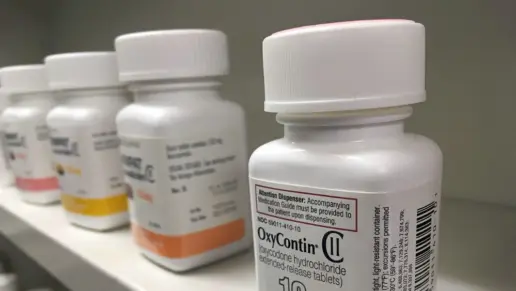
Chronic pain rehab programs treat substance use disorders that develop alongside or as a result of chronic pain conditions. These programs address the complex relationship between pain management and opioid dependence, offering integrated care that manages both the pain and the addiction without relying solely on opioid medications.
Chronic pain is one of the most common pathways to opioid dependence. People who receive prescription painkillers for a legitimate condition may develop a tolerance, escalate their dosage, and eventually become dependent. Treating the addiction without also addressing the underlying pain condition often leads to relapse or inadequate pain management.
Specialized programs use a combination of non-opioid pain management (such as physical therapy, nerve blocks, and non-addictive medications), behavioral therapies, and gradual medication tapering to help people manage both conditions. These programs are especially important for people who have been on long-term opioid therapy.

How to Choose a Specialty Rehab Program
The right specialty rehab program depends on your personal background, the severity of your substance use, any co-occurring conditions, and practical factors like insurance coverage, location, and scheduling needs. Matching these factors to a program designed for people in your situation can improve your comfort, engagement, and recovery outcomes.
Start by identifying which population-based or approach-based category fits your situation. If you are a veteran dealing with PTSD, a veterans program with trauma-informed care will likely be a better fit than a general program. If you are a parent who cannot be away from your children, a family program with on-site childcare may be the only realistic option.
Next, consider these practical questions:
- Level of care: Do you need 24/7 residential support, or can you attend treatment while living at home? Most specialty programs are available at multiple levels of care, from inpatient to outpatient. See our Levels of Care guide for a comparison.
- Insurance and cost: Contact your insurance provider to confirm coverage before choosing a program. Most private and public insurance plans cover addiction treatment under the Affordable Care Act. See our Insurance for Drug Rehab guide for details.
- Accreditation: Look for programs accredited by the Joint Commission or CARF (Commission on Accreditation of Rehabilitation Facilities). State licensing is a minimum requirement.
- Clinical approach: Ask about the therapies used. Evidence-based treatments like CBT, DBT, motivational interviewing, and medication-assisted treatment (MAT) are good indicators of quality care.
- Aftercare planning: A strong program will help you build a plan for ongoing support after treatment ends, including follow-up therapy, support groups, and relapse prevention strategies. Learn more about drug rehab aftercare.
If you are unsure where to start, you can search for specialty rehab programs near you or call the SAMHSA National Helpline (1-800-662-4357) for a free, confidential referral.
FAQs About Specialty Rehab
A specialty rehab program is an addiction treatment program designed for a specific population or built around a particular treatment approach. Examples include programs for veterans, women, teens, LGBTQ+ individuals, people of faith, and people with co-occurring chronic pain or mental health conditions. These programs provide the same core therapies as general rehab but tailor the environment, peer group, and clinical focus to the needs of the target population
Consider a specialty program if your identity, background, life circumstances, or co-occurring conditions are likely to affect your treatment experience. For example, a veteran with combat-related PTSD may benefit from a program where clinicians understand military culture. A working professional may need a program that allows continued access to work. If your needs go beyond what a general program typically addresses, a specialty option may be a better fit.
In most cases, yes. Under the Affordable Care Act, most private and public insurance plans are required to cover substance use disorder treatment as an essential health benefit. Coverage for specialty programs typically follows the same rules as general rehab, though specific benefits vary by plan. Contact your insurer to verify coverage before enrolling.
Many specialty programs are available at multiple levels of care, including outpatient and intensive outpatient (IOP). This allows people to receive population-specific treatment while living at home and continuing their daily responsibilities. Programs for professionals and working parents are especially likely to offer flexible outpatient scheduling.
Dual diagnosis treatment is a type of specialty program that treats addiction alongside a co-occurring mental health condition, such as depression, anxiety, or PTSD. Other specialty programs focus on a specific population (such as teens or veterans) or a specific treatment philosophy (such as faith-based or holistic care). Some programs combine both: for example, a veterans program that also treats PTSD as a dual diagnosis.
Nearby Featured Treatment Centers
Finding facilities near you…
References
- American Psychological Association. Trends: Psychologists tackling substance use. APA Monitor on Psychology. Published January 2024. Accessed March 25, 2026. https://www.apa.org/monitor/2024/01/trends-psychologists-tackling-substance-use
- Substance Abuse and Mental Health Services Administration. Key substance use and mental health indicators in the United States: results from the 2024 National Survey on Drug Use and Health. HHS Publication No. PEP25-07-007, NSDUH Series H-60. Center for Behavioral Health Statistics and Quality, Substance Abuse and Mental Health Services Administration. Published 2025. Accessed March 25, 2026. https://www.samhsa.gov/data/report/2024-nsduh-annual-national-report
- National Institute on Drug Abuse. Principles of Drug Addiction Treatment: A Research-Based Guide. 3rd ed. National Institutes of Health, U.S. Department of Health and Human Services. Published January 2018. Accessed March 25, 2026. https://nida.nih.gov/publications/principles-drug-addiction-treatment-research-based-guide-third-edition/principles-effective-treatment
- National Institute on Drug Abuse. The adolescent brain and substance use. National Institutes of Health. Updated June 27, 2024. Accessed March 25, 2026. https://nida.nih.gov/research-topics/adolescent-brain-substance-use
- Miller AP, Gataric D, Engel C, et al. Neuroanatomical variability and substance use initiation in late childhood and early adolescence. JAMA Netw Open. 2024;7(12):e2452027. doi:10.1001/jamanetworkopen.2024.52027
- Teeters JB, Lancaster CL, Brown DG, Back SE. Substance use disorders in military veterans: prevalence and treatment challenges. Subst Abuse Rehabil. 2017;8:69-77. doi:10.2147/SAR.S116720
- U.S. Department of Veterans Affairs, National Center for PTSD. Treatment of co-occurring PTSD and substance use disorder in VA. Updated 2024. Accessed March 25, 2026. https://www.ptsd.va.gov/professional/treat/cooccurring/tx_sud_va.asp
- National Institute on Drug Abuse. LGBTQI+ people and substance use. National Institutes of Health. Updated June 3, 2024. Accessed March 25, 2026. https://nida.nih.gov/research-topics/lgbtqi-people-and-substance-use
- Substance Abuse and Mental Health Services Administration. SAMHSA releases new data on lesbian, gay and bisexual behavioral health. Published June 13, 2023. Accessed March 25, 2026. https://www.samhsa.gov/newsroom/press-announcements/20230613/samhsa-releases-new-data-lesbian-gay-bisexual-behavioral-health
- Substance Abuse and Mental Health Services Administration. Release of the 2024 National Survey on Drug Use and Health: leveraging the latest substance use and mental health data. Published July 28, 2025. Accessed March 25, 2026. https://www.samhsa.gov/blog/release-2024-nsduh-leveraging-latest-substance-use-mental-health-data-make-america-healthy-again
- Substance Abuse and Mental Health Services Administration. 2024 NSDUH detailed tables. Center for Behavioral Health Statistics and Quality. Published 2025. Accessed March 25, 2026. https://www.samhsa.gov/data/report/2024-nsduh-detailed-tables