
 (930) 203-1947



















































































 Visit Website
  4
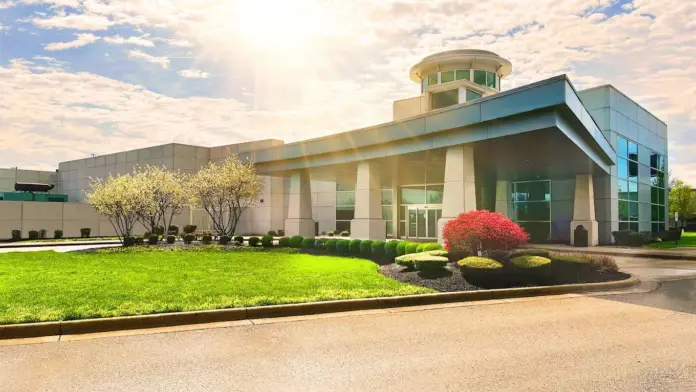
4 About Avenues Recovery Center at Clarksville
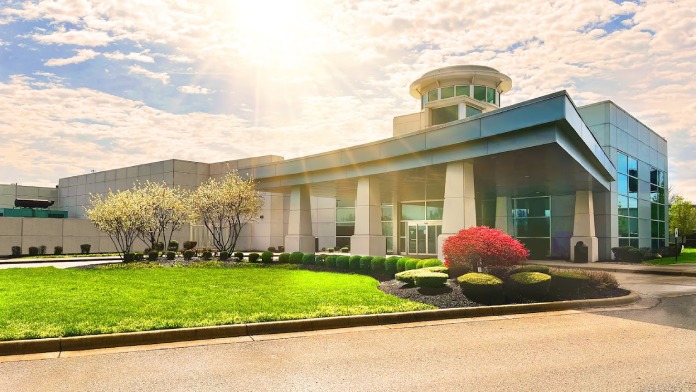
Avenues Recovery Center in Clarksville, Indiana, is an inpatient drug and alcohol detox and rehab center. They strive to provide individuals receiving treatment with a loving environment and attentive medical care. You’ll be away from toxic environments and triggers and have the opportunity to focus on developing life skills that will support your recovery journey.
Some clients may need to begin their treatment at the drug and alcohol detox center, where they may receive medications like Methadone or Suboxone to reduce withdrawal symptoms. Once you’ve received medical clearance, you can start the residential program.
I like that they provide clients with a full and diverse schedule that includes individual and group sessions, recovered focused activities, and interactive classes and workshops. You’ll gain tools and skills that’ll help you with managing your cravings and stress.
Families are an important support network for clients trying to overcome addiction, which makes it great that Avenues Recovery also provides family and couple counseling. Your loved ones can learn how to support you and also receive healing for any negative effect that your addiction may have had on them.
The therapeutic approaches that your counselors may use include Dialectical Behavioral Therapy, Cognitive Behavioral Therapy, and Motivational Interviewing. One other thing I noticed is that they also provide holistic therapy options. Activities such as yoga, art therapy, and nutrition therapy can help you better manage your emotional well being so you don’t feel a need to use substances.
The town of Clarksville is not far from lots of opportunities for fun and excitement. You can enjoy hiking in the Falls of the Ohio State Park or spend time walking in Ashland Park.
Facility Overview
 104
104  31 - 60
  $Varies
 Latest Reviews
See All



Rehab Score
 Our Methodology


Gallery
Accepted Insurance








Other Forms of Payment
Private insurance refers to any kind of healthcare coverage that isn't from the state or federal government. This includes individual and family plans offered by an employer or purchased from the Insurance Marketplace. Every plan will have different requirements and out of pocket costs so be sure to get the full details before you start treatment.
Self-pay involves paying for treatment out of your own pocket. You can use savings or credit, get a personal loan, or receive help from family and friends to fund your treatment. If you don't have insurance or your insurance plan doesn't cover a specific program, self-pay can help ensure you still get the care you need.
Medicaid is a state based program that helps lower-income individuals and families pay for healthcare. Medicaid covers addiction treatment so those enrolled can use their coverage to pay for rehab. When a program accepts Medicaid the client often pays very little or nothing out of their own pocket.
Military members, veterans, and eligible dependents have access to specific insurance programs that help them get the care they need. TRICARE and VA insurance can help you access low cost or no cost addiction and mental health treatment. Programs that accept military insurance often have targeted treatment focused on the unique challenges military members, veterans, and their families face.
Addiction Treatments
Levels of Care
Residential treatment programs are those that offer housing and meals in addition to substance abuse treatment. Rehab facilities that offer residential treatment allow patients to focus solely on recovery, in an environment totally separate from their lives. Some rehab centers specialize in short-term residential treatment (a few days to a week or two), while others solely provide treatment on a long-term basis (several weeks to months). Some offer both, and tailor treatment to the patient's individual requirements.
Clients receiving support in a rehab aftercare program have completed inpatient care and may also be preparing to exit formal outpatient care. Outpatient services are typically categorized as rehab aftercare, but these services often continue beyond the cessation of formal treatment. Rehab aftercare services are designed to promote life-long recovery through comprehensive, wraparound care, which may include medical, mental health, and social services. These programs are usually created in collaboration with the client's case manager and care team.
12 step programs foster participants' long-term sobriety through personal growth rooted in spiritual principles, though religious affiliation is not mandatory. Most 12 step meetings are non-denominational but are based on the belief in a higher power. Participants learn to understand and address the causes of their addiction, accept responsibility for their choices, and relinquish control for that which cannot be changed. Regular group meetings and mentoring by a self-selected sponsor are required.
The number one rule of a sober living home in Indiana is that residents cannot use or bring alcohol or drugs into the home. Breaking this rule typically results in eviction. In addition to this rule, men's and women's sober living homes have other standards that residents must meet. These usually include maintaining a job, helping with meal preparation and house cleaning, and attending 12-step meetings.
It is important to have support available 24/7. 24-hour clinical care offers a safe environment in which to recover from drug or alcohol addiction in peace, knowing medical detox and other treatment will happen with professionals on hand.
Drug and alcohol addiction often takes a heavy toll on one's body. Over time, a physical dependence can develop, meaning the body physiologically needs the substance to function. Detox is the process of removing drugs and/or alcohol from the body, a process that can be lethal if mismanaged. Medical detox is done by licensed medical professionals who monitor vital signs and keep you safe, healthy, and as comfortable as possible as you go through detox and withdrawal. The length of stay at the detoxification program is determined according to the specific needs of the patient.
A partial hospitalization program (PHP) can provide intensive rehab on a short-term basis. While PHP treatment typically requires a commute, telehealth may be available. PHP treatment costs can vary but are often covered by most insurance. The program duration can vary to meet your specific needs and require you to meet for a minimum of 20 hours a week for an average of 90 days. PHP Treatment services often include relapse prevention strategies, medication management, individual and group counseling, and other behavioral therapy interventions.
Persons who require high-level support but who do not wish to leave their homes or communities may enroll in an intensive outpatient program (IOP). Clients typically commit to a minimum of nine treatment hours across three therapeutic sessions per week, but many programs offer up to 20 hours of care weekly. Most intensive outpatient rehabs provide a combination of psychotherapy, recovery education, and holistic care. Medication assisted treatment (MAT) is widely available for those in alcohol or opioid recovery.
If you need some flexibility and choice when it comes to your recovery, outpatient rehab programs are a great option because they do not require intensive inpatient treatment. Clients remain in their own homes and may continue to work or attend school while in active treatment. Outpatient treatment typically includes addiction counseling and continuing recovery education, including courses in self-care and relapse prevention. Medication assisted treatment (MAT) is available in many treatment centers for clients in opioid and/or alcohol recovery.
Treatments
If a person has alcohol use disorder (AUD), also referred to as alcoholism, they experience a desire or physical need to consume alcohol. A person with AUD may try to stop drinking but they are unsuccessful without professional help. Alcohol rehab in Indiana can provide the resources necessary to achieve and maintain recovery. Rehab programs typically involve a combination of medical, behavioral, and social supports to overcome alcohol addiction.
 Mental Health And Substance Abuse
For long-term recovery from drug addiction, drug rehab in Indiana is often key. This treatment gives individuals who are struggling with a substance use disorder the tools to manage their disorder and achieve long-term sobriety.
 Opioid Addiction
Indiana provides substance abuse treatment programs for individuals with substance use disorders. With a range of care levels, including outpatient, inpatient, and partial hospitalization programs, you'll be able to find the right treatment for you. Programs usually include a substance abuse evaluation, evidence-based therapies such as cognitive-behavioral therapy (CBT), dialectical behavior therapy (DBT), and group therapy address substance abuse and enhance coping strategies. By offering personalized treatment plans and a supportive environment, these programs strengthen your ability to maintain your recovery.
In Indiana, dual-diagnosis addiction treatment programs address the unique needs of individuals with co-occurring substance use disorders and mental health conditions. Care levels include outpatient, inpatient, and partial hospitalization programs. Therapies like cognitive behavioral therapy, or dialectical behavioral therapy, trauma-informed therapy, and process groups address the co-occurring mental health disorders while achieving sobriety and promoting overall well-being. You'll also learn coping skills, relapse prevention strategies, and tools to enhance your relationships - all critical skills for long-term recovery.
Addiction treatment includes a wide range of mental health services. Professional mental health clinicians provide 24-hour care, and treatments often involve individual and group counseling sessions, cognitive-behavioral therapy (CBT), experiential therapies (equine and animal therapy, outdoor therapy groups, and individual / group counseling sessions designed to simultaneously address both mental health and substance abuse.
Programs
Adult rehab programs include therapies tailored to each client's specific needs, goals, and recovery progress. They are tailored to the specific challenges adult clients may face, including family and work pressures and commitments. From inpatient and residential treatment to various levels of outpatient services, there are many options available. Some facilities also help adults work through co-occurring conditions, like anxiety, that can accompany addiction.
Young adulthood can be an exciting, yet difficult, time of transition. Individuals in their late teens to mid-20s face unique stressors related to school, jobs, families, and social circles, which can lead to a rise in substance use. Rehab centers with dedicated young adult programs will include activities and amenities that cater to this age group, with an emphasis on specialized counseling, peer socialization, and ongoing aftercare.
Recovery is most successful when clients feel accepted and validated by their peers and treatment providers. Facilities that offer LGBTQ-inclusive programming are committed to creating a safe space where everyone can grow and recover without fear of judgment or discrimination. They will have dedicated policies in place to create a safe and supportive environment that fosters free expression.
Serving in the military is both mentally and physically challenging, and can result in trauma that persists even after combat ends. Military programs are tailored to the specific and often complex needs of active duty personnel, veterans, and military families. Clients often access these programs through the U.S. Department of Veterans Affairs (VA).
Clinical Services
When you participate in cognitive behavioral therapy in Indiana, you'll learn to recognize distorted thinking that has led to substance use. Your therapist will help you establish new patterns of thinking and healthy ways to cope with challenges that don't involve substance use.
Individual dialectical behavior therapy (DBT) takes place in weekly, 60 minute sessions. You'll have homework to do, such as keeping a diary to track your emotions and actions. You'll also attend group sessions, which are intended to be skills practicing sessions. DBT in Indiana typically lasts six months to a year.
Group therapy provides a unique experience for men and women to encounter a supportive environment where you can share your experiences and gain insight from your peers who understand your struggles. Group therapy improves your journey and helps promote sustainable recovery.
Qualified therapists in Indiana use a customized treatment approach for individual therapy to address your drug and alcohol addiction treatment. This considers your past history and life circumstances to help you uncover the underlying issues that trigger addictive behavior and manage these factors to support a healthy approach to recovery.
Motivational interviewing aims to stimulate the client's personal motivation and commitment to change. Rather than receive advice and warnings from the therapist, the client is given the opportunity to share their concerns and reach their own conclusions.
In couples therapy, you and your partner work with a psychologist to identify challenges in the relationship and what changes need to be made. You'll work on listening, communicating, and navigating those changes in healthy ways.
Life skills include cognitive skills, interpersonal skills, and personal skills that help you manage daily living. Cultivating these skills during rehab in Indiana is an important part of recovery. With these skills, you'll be able to navigate challenges and prevent relapse.
To function properly, your body must have nutritional balance. Addiction throws off this balance by depleting your body of essential nutrients. Nutrition therapy aims to restore this balance by providing a healthy diet that supports healing and long term sobriety.
Recreational therapy integrates structured activities into a holistic treatment program to help promote your physical and mental health and well being. You might engage in sports, creative arts, or outdoor adventures as a positive outlet for your stress and emotions. This helps you develop new interests and build a supportive network that helps you maintain long term sobriety.
Creative arts therapy opens an alternative pathway to emotional health. For those who find it difficult to talk about their feelings, it provides a new way to express feelings and thoughts. Options include poetry, music, journaling, dance, and painting.
The goal of family therapy in Indiana is to empower family members to effectively support their loved one's recovery. Therapists work with family members to develop the skills needed to manage stress and resolve conflicts successfully. This fosters a positive environment that is conducive to long term sobriety.
Amenities
-
 Gym
Gym -
 Yoga Studio
 -
 Residential Setting
 -
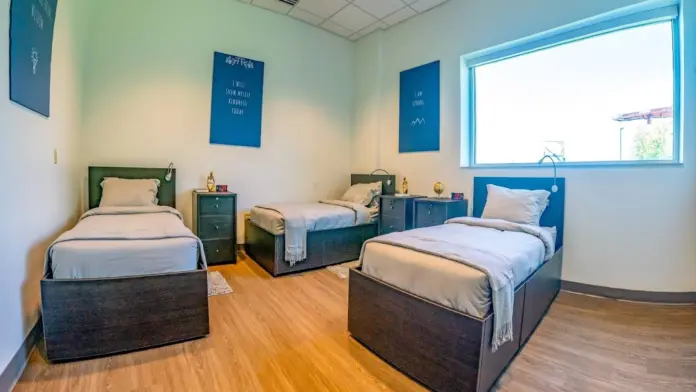
 Private Rooms
 -
 Hiking
 -
 Gardens
 -
 Walking Trails
Staff & Accreditations
Staff

Akiva Stern
Regional Executive Director

David Weinberger
Executive Director

Jeff Tellish
Executive Director

John Johnson
Operations Manager
Accreditations

The Commission on Accreditation of Rehabilitation Facilities (CARF) is a non-profit organization that specifically accredits rehab organizations. Founded in 1966, CARF's, mission is to help service providers like rehab facilities maintain high standards of care.
CARF Accreditation: Yes

LegitScript has reviewed Avenues Recovery Center at Clarksville as part of their certification program, and has determined that it meets the LegitScript standards for legality, safety and transparency.
LegitScript verified in September 2022

The Joint Commission, formerly known as JCAHO, is a nonprofit organization that accredits rehab organizations and programs. Founded in 1951, the Joint Commision's mission is to improve the quality of patient care and demonstrating the quality of patient care.
Joint Commission Accreditation: Yes


 View Website