Get Help Now
Question iconSponsored Helpline
Phone icon 800-784-1361

Acadiana Treatment Center

156 Choctaw Road
Sunset, LA 70584
Claim Profile
Acadiana Treatment Center LA 70584

About Acadiana Treatment Center

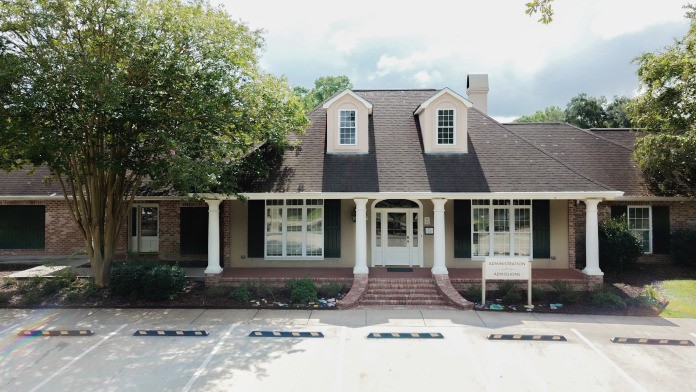
Located in Sunset, Louisiana is the Acadiana Treatment Center. This facility positions itself as one of the state’s leading providers of residential treatment for adolescent girls aged 12 to17 who are struggling with substance use.

Admission into the program is determined by an applicant’s health issues, recovery goals, and past or current behavioral health challenges they’ve dealt with. In addition to addressing substance abuse disorders, this facility is also equipped to treat girls who have co occurring mental health disorders like depression, PTSD or anxiety.

They accept policies from most major insurance providers. They also accept most Louisiana Bayou Health Medicaid Plans

Building Social Support for Long Term Recovery

The Acadiana Treatment Center is designed to help girls find lasting, long term success in their journey to wellness. One of the ways they do this is by providing whole person care that incorporates counseling and addresses relationships with friends and loved ones.

The treatment team here recognizes that your chances of success are magnified when you have a supportive community around you when you leave the facility. You’ll work on building that community by strengthening the relationships in your life that you value. Most residential plans last anywhere from four to six months on average.

Highly Structured, Supportive Care with Multiple Treatment Techniques

The program here best serves adolescent girls who have struggled with their behavior, emotions, or cognitive reasoning. This may be because of a lack of necessary skills or because of past traumas.

Through the counseling services, you’ll learn how to develop these skills as well as address what triggers are leading you to use and abuse substances.

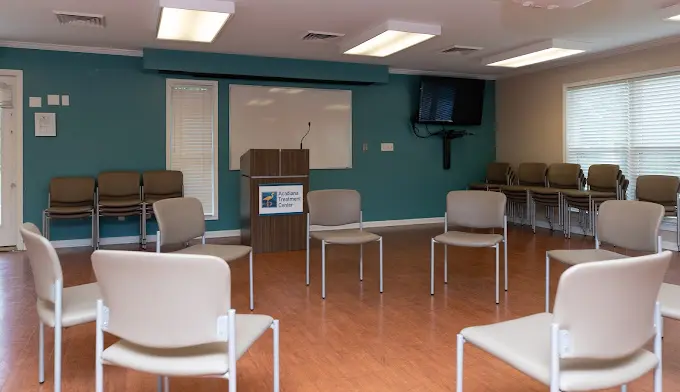
Some of the approaches used to help you work through treatment include psychiatric medications, cognitive behavioral therapy, motivational interviewing, and support groups. These groups cover topics like addiction education, self esteem, psychotherapy, and many other topics.

Escape to Nature for Recovery

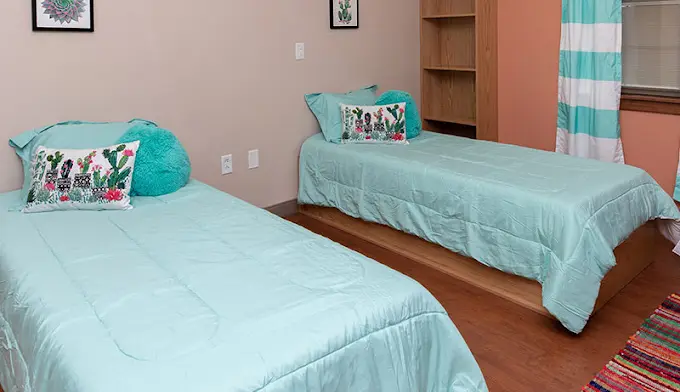
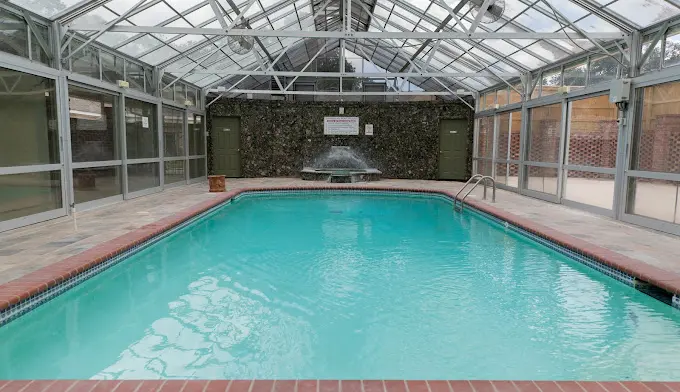
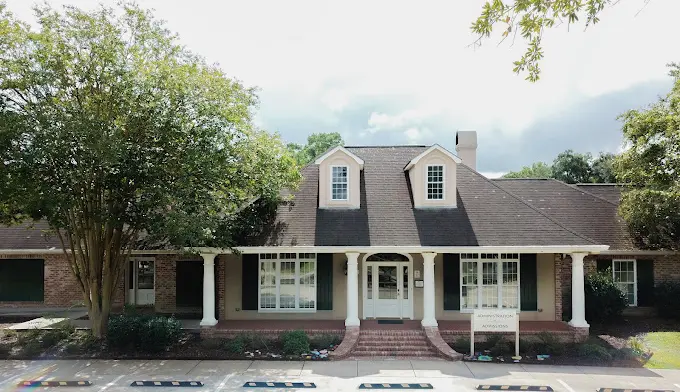
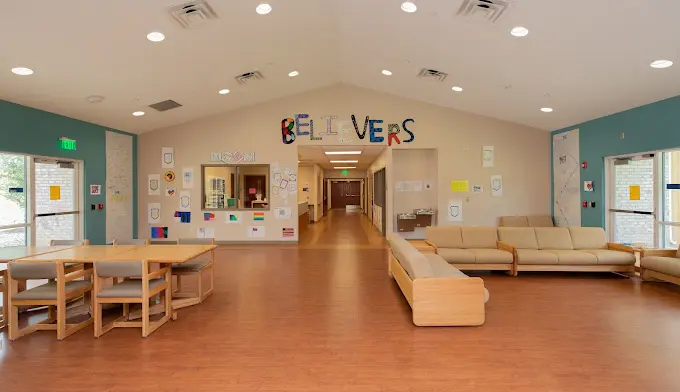
This facility is tucked away in the woodlands of South Sunset. You will be immersed in nature and have access to outdoor walking paths that encircle the campus lake, along with comfortable rooms. This serene setting allows you to connect with nature and focus fully on your recovery, distraction-free.

Similar Rehab Centers

Fact checked and written by:
Nadia El-Yaouti, M. Ed.
Edited by:
Nikki Wisher, BA

Latest Reviews

laila johnson
1 month ago on Google
1
just wanna say, do NOT send your kids here. i'm not even gonna speak on half of the things i've seen in here, but there's so much behind closed doors that go on (smothering people in their sleep, trying to stab people with color pencils and markers, snorting pills, sneaking vapes, etc.) every time i hear a loud noise, it reminds me of the seclusion door being banged on. i ignore it because my brain has just gotten used to the sound of yelling, screaming, fighting, etc. your child WILL end up more damaged when they leave than when they came in. but anyways shout out to Nurse Ryan and Ms. Fefe, everyone else either kinda sucks or really sucks.
kylah roy
2 months ago on Google
1
hated being in here, added more trauma onto me
JAYCIE OWEN
4 months ago on Google
1
this place was horrible my therapist was the only person that cared .The staff are rlly messy with the kids and add fuel to the fire and add to the drama . I got snuck my first week there and my shoulder popped out of place I was hurt my whole stay there I do not recommend going there .
Rehab.com icon

Rehab Score

Question iconOur Methodology
Scoring is assigned by a proprietary system which helps surface key metrics that determine quality. The 10-point scale factors in categories such as operations, customer satisfaction, and trust metrics. Read Full MethodologyCaret icon
Gauge icon
7.2 / 10

Accepted Insurance

Please contact to verify your specific insurance provider.

Acadiana Treatment Center works with several private insurance providers, please contact to verify your specific insurance provider.

Other Forms of Payment

Private insurance refers to any kind of healthcare coverage that isn't from the state or federal government. This includes individual and family plans offered by an employer or purchased from the Insurance Marketplace. Every plan will have different requirements and out of pocket costs so be sure to get the full details before you start treatment.

Self-pay involves paying for treatment out of your own pocket. You can use savings or credit, get a personal loan, or receive help from family and friends to fund your treatment. If you don't have insurance or your insurance plan doesn't cover a specific program, self-pay can help ensure you still get the care you need.

Medicaid is a state based program that helps lower-income individuals and families pay for healthcare. Medicaid covers addiction treatment so those enrolled can use their coverage to pay for rehab. When a program accepts Medicaid the client often pays very little or nothing out of their own pocket.

Addiction Treatments

Levels of Care

Clients enrolled in outpatient rehab typically need less intensive supervision and support than those in inpatient care. Clients may continue to work and attend school while participating in addiction counseling and recovery education during the evening, night, or weekend. Clients also often enter intensive outpatient (IOP) treatment immediately upon exiting residential care, which provides them with high-level step-down support as they reintegrate into their homes and communities.

Their highly rated residential program involves a thirty to ninety day inpatient stay on their beautiful campus, where the patient can relax and focus her/his attention on what’s most important – getting sober. The primary focus of their residential program is to help the patient to become emotionally stable, learn more about the disease of addiction, learn and develop recovery skills and resources, and adopt principles of recovery. As they are a holistic rehab center, they’re focused on treating all mind, body, and spirit.

Their Intensive Outpatient Program (IOP), is specifically designed for those individuals who have reached a place in their recovery such that they feel ready and prepared to re-enter their regular lives and assume their former responsibilities. Those attending our IOP program have also begun to recognize and correct the consequences of their substance abuse in terms of such areas of employment issues and interpersonal relationships. The focus of this program is on the individual’s readiness to commit to assuming personal responsibility for the course of their life, setting goals to meet this commitment, and planning and engaging in actions that lead to successfully accomplishing their objectives.

12-step programs are addiction recovery models based on Alcoholics Anonymous (AA). A number of substance abuse programs (including some drug and alcohol rehab centers) use the 12 steps as a basis for treatment. Beginning steps involve admitting powerlessness over the addiction and creating a spiritual basis for recovery. Middle steps including making direct amends to those who've been hurt by the addiction, and the final step is to assist others in addiction recovery in the same way. 12-Step offshoots including Narcotics Anonymous (NA), Cocaine Anonymous (CA), Dual Recovery Anonymous (DRA), Sex and Love Addicts Anonymous (SLAA) and Gamblers Anonymous (GA).

A partial hospitalization program (PHP) is a short-term form of intensive rehab, usually for those with acute symptoms that are hard to manage but don’t require 24-hour care. PHPs have structured programming (i.e. individual and/or group therapy), and usually meet 3-5 days a week for around 6 hours (i.e. 9am-3m). Some PHPs are residential (patients sleep on site) and some are not, so patients sleep at home. PHPs can last from 1-6 months, and some offer transportation and meals.

Initial phases of rehab treatment often require 24-hour clinical care in Louisiana. This supervised treatment offers three main benefits. Medical staff can provide medications to treat withdrawal. Clients can also benefit from having 24-hour nursing staff available to treat any other physical symptoms. Lastly, this setting ensures that professionals are constantly available to address any emotional or mental health issues related to the addiction or co-occurring disorders.

Drug and alcohol addiction often takes a heavy toll on one's body. Over time, a physical dependence can develop, meaning the body physiologically needs the substance to function. Detox is the process of removing drugs and/or alcohol from the body, a process that can be lethal if mismanaged. Medical detox is done by licensed medical professionals who monitor vital signs and keep you safe, healthy, and as comfortable as possible as you go through detox and withdrawal.

Treatments

A combined mental health and substance abuse rehab has the staff and resources available to handle individuals with both mental health and substance abuse issues. It can be challenging to determine where a specific symptom stems from (a mental health issue or an issue related to substance abuse), so mental health and substance abuse professionals are helpful in detangling symptoms and keeping treatment on track.

Programs

Adult rehab programs include therapies tailored to each client's specific needs, goals, and recovery progress. They are tailored to the specific challenges adult clients may face, including family and work pressures and commitments. From inpatient and residential treatment to various levels of outpatient services, there are many options available. Some facilities also help adults work through co-occurring conditions, like anxiety, that can accompany addiction.

Young adulthood can be an exciting, yet difficult, time of transition. Individuals in their late teens to mid-20s face unique stressors related to school, jobs, families, and social circles, which can lead to a rise in substance use. Rehab centers with dedicated young adult programs will include activities and amenities that cater to this age group, with an emphasis on specialized counseling, peer socialization, and ongoing aftercare.

Recovery is most successful when clients feel accepted and validated by their peers and treatment providers. Facilities that offer LGBTQ-inclusive programming are committed to creating a safe space where everyone can grow and recover without fear of judgment or discrimination. They will have dedicated policies in place to create a safe and supportive environment that fosters free expression.

Clinical Services

Cognitive Behavioral Therapy (CBT) is a therapy modality that focuses on the relationship between one's thoughts, feelings, and behaviors. It is used to establish and allow for healthy responses to thoughts and feelings (instead of unhealthy responses, like using drugs or alcohol). CBT has been proven effective for recovering addicts of all kinds, and is used to strengthen a patient's own self-awareness and ability to self-regulate. CBT allows individuals to monitor their own emotional state, become more adept at communicating with others, and manage stress without needing to engage in substance abuse.

Dialectical Behavior Therapy (DBT) is a modified form of Cognitive Behavioral Therapy (CBT), a treatment designed to help people understand and ultimately affect the relationship between their thoughts, feelings, and behaviors. DBT is often used for individuals who struggle with self-harm behaviors, such as self-mutilation (cutting) and suicidal thoughts, urges, or attempts. It has been proven clinically effective for those who struggle with out-of-control emotions and mental health illnesses like Borderline Personality Disorder.

Group therapy is any therapeutic work that happens in a group (not one-on-one). There are a number of different group therapy modalities, including support groups, experiential therapy, psycho-education, and more. Group therapy involves treatment as well as processing interaction between group members.

In individual therapy, a patient meets one-on-one with a trained psychologist or counselor. Therapy is a pivotal part of effective substance abuse treatment, as it often covers root causes of addiction, including challenges faced by the patient in their social, family, and work/school life.

Motivational Interviewing (MI) is a clinical approach to helping people with substance abuse issues and other conditions shift behavior in positive ways. It is more goal-oriented than traditional psychotherapy, as MI counselors directly attempt to get clients to consider making behavioral change (rather than wait for them to come to conclusions themselves). Its primary purpose is to resolve ambivalence and help clients become able to make healthy choices freely.

Trauma therapy addresses traumatic incidents from a client's past that are likely affecting their present-day experience. Trauma is often one of the primary triggers and potential causes of addiction, and can stem from child sexual abuse, domestic violence, having a parent with a mental illness, losing one or both parents at a young age, teenage or adult sexual assault, or any number of other factors. The purpose of trauma therapy is to allow a patient to process trauma and move through and past it, with the help of trained and compassionate mental health professionals.

EMDR is a therapeutic modality originally developed to help process trauma. In an EMDR session, a patient is prompted to undergo eye movements that mimic those of REM sleep. This is accomplished by watching a therapist's finger move back and forth across, or following a bar of light. The goal is repetitive sets of eye movements that help the brain reprocess memory, which can significantly reduce the intensity of remembered traumatic incidents. Associated memories can heal simultaneously, leaving patients significantly calmer, more stable, and more emotionally relaxed.

Research clearly demonstrates that recovery is far more successful and sustainable when loved ones like family members participate in rehab and substance abuse treatment. Genetic factors may be at play when it comes to drug and alcohol addiction, as well as mental health issues. Family dynamics often play a critical role in addiction triggers, and if properly educated, family members can be a strong source of support when it comes to rehabilitation.

Life skills trainings involve all the skills a person must have in order to function successfully in the world. These include time management, career guidance, money management, and effective communication. Truly successful addiction recovery is based on the ability to not only live substance-free, but to thrive. Life skills teaches the practical necessities of functioning in society, which sets clients up for success in life, and therefore sobriety.

Experiential therapy is a form of therapy in which clients are encouraged to surface and work through subconscious issues by engaging in real-time experiences. Experiential therapy departs from traditional talk therapy by involving the body, and having clients engage in activities, movements, and physical and emotional expression. This can involve role-play or using props (which can include other people). Experiential therapy can help people process trauma, memories, and emotion quickly, deeply, and in a lasting fashion, leading to substantial and impactful healing.

Amenities

  • weight iconGym
  • home-setting iconResidential Setting

Staff & Accreditations

Staff

Amy Apperson, RN, BSN

Chief Executive Officer

Melissa Meche

Chief Financial Officer

Manzy Williams

Program Director

Kayla Callahan

Director of Human Resources

Travis St Julien

Director of Operations & Intake

Accreditations

The Substance Abuse and Mental Health Services Administration (SAMHSA) is a branch of the U.S. Department of Health and Human Services. Established in 1992 by congress, SAMHSA's mission is to reduce the impact of substance abuse and mental illness on American's communities.

SAMHSA Listed: Yes

The Commission on Accreditation of Rehabilitation Facilities (CARF) is a non-profit organization that specifically accredits rehab organizations. Founded in 1966, CARF's, mission is to help service providers like rehab facilities maintain high standards of care.

CARF Accreditation: Yes
Accreditation Number: 241662

State Licenses are permits issued by government agencies that allow rehab organizations to conduct business legally within a certain geographical area. Typically, the kind of program a rehab facility offers, along with its physical location, determines which licenses are required to operate legally.

State License: Louisiana
License Number: 9682

The National Association of Addiction Treatment Providers (NAATP) is a professional association that represents organizations in the field of addiction services. Founded in 1978, NAATP's mission is to advance addiction services and ensure that high-quality addiction treatment is available and accessible.

NAATP Member: Yes
Member ID: 33

Contact Information

Building icon

156 Choctaw Road
Sunset, LA 70584

Explore Other Centers Near Sunset

Reviews of Acadiana Treatment Center

3.18/5 (39 reviews)
0
Staff
0
Amenities
0
Meals
0
Value
0
Cleanliness
5
19
4
2
3
1
2
1
1
16

Reviews

5

You can see the effort they put on your part to make your recovery better. The staff is interested in you, your recovery and your personal growth.

Reviewed on 3/1/2019
Overall Experience
Date Submitted
Reviewer

Google Reviews

3.1315789473684 (38 reviews)
laila johnson
1 month ago
1

just wanna say, do NOT send your kids here. i'm not even gonna speak on half of the things i've seen in here, but there's so much behind closed doors that go on (smothering people in their sleep, trying to stab people with color pencils and markers, snorting pills, sneaking vapes, etc.) every time i hear a loud noise, it reminds me of the seclusion door being banged on. i ignore it because my brain has just gotten used to the sound of yelling, screaming, fighting, etc. your child WILL end up more damaged when they leave than when they came in. but anyways shout out to Nurse Ryan and Ms. Fefe, everyone else either kinda sucks or really sucks.

kylah roy
2 months ago
1

hated being in here, added more trauma onto me

JAYCIE OWEN
4 months ago
1

this place was horrible my therapist was the only person that cared .The staff are rlly messy with the kids and add fuel to the fire and add to the drama . I got snuck my first week there and my shoulder popped out of place I was hurt my whole stay there I do not recommend going there .

Fern
4 months ago
1

I am a patient in ATC, I am a teenager and i want to say that this place is the worst. They have lost multiple belongings of mine, the stagf are MESSY (slang) and there are bugs in the unit 1 shower. Nothing is done about the bullying that goes on in the units. anyways shout out to Ms L'tonya, Mrs Jenna mrs taylor, and mrs tierra, and Mrs Cassidy!!

Overall Experience
Date Submitted
No reviews matching the selected filter!
Get Help Now
Question iconSponsored Helpline

Phone icon 800-784-1361

Left arrow iconBack

Write a review for Acadiana Treatment Center

Sharing your insights and experiences can help others learn more about this rehab center.

Title of Your Review
This is a required field
Your Review

Reviews comments must comply with our Review Policy Content Standards. Please do not use names (job titles / positions are acceptable) of any individual or identifying features, abusive remarks, or allegations of negligence or criminal activity.

A minimum of 200 characters and max of 2,000 characters required.
This is a required field
How would you rate the facility on the following?*
Overall Experience
Must select a star rating
Accomodations & Amenities
Must select a star rating
Meals & Nutrition
N/A
Must select a star rating
Treatment Effectiveness
Must select a star rating
Admissions Process
Must select a star rating
Staff & Friendliness
Must select a star rating
Cleanliness
Must select a star rating
Value for Cost
Must select a star rating
What is your connection to this facility?
This is a required field
Your Name*
This is a required field
Your Email*
This is a required field
Spinner icon Submitting your review...
Thumbs up icon Your review was successfully submitted.

Nearby Featured Providers

Get Help Today Phone icon 800-823-7153

Question iconSponsored Helpline