Our Rehab Score is designed to make it easier for you to find the best treatment centers. We combine overall ratings with recent feedback to create a score that reflects a center's quality right now.
7.93 / 10
1
Top 10 Rehab in Lafayette
Rehab Score
Our Rehab Score is designed to make it easier for you to find the best treatment centers. We combine overall ratings with recent feedback to create a score that reflects a center's quality right now.
Our Rehab Score is designed to make it easier for you to find the best treatment centers. We combine overall ratings with recent feedback to create a score that reflects a center's quality right now.
7.93 / 10
1
Top 10 Rehab in Lafayette
Rehab Score
Our Rehab Score is designed to make it easier for you to find the best treatment centers. We combine overall ratings with recent feedback to create a score that reflects a center's quality right now.
7.93 / 10
About Victory Addiction Recovery Center
The inpatient program offers a controlled atmosphere for people who require intensive assistance to stop using. This is the best option for anyone needing medical detox, or who has a mental illness that co-occurs with substance use. Residential treatment is ideal due to its 24 hour clinical care availability and monitoring.
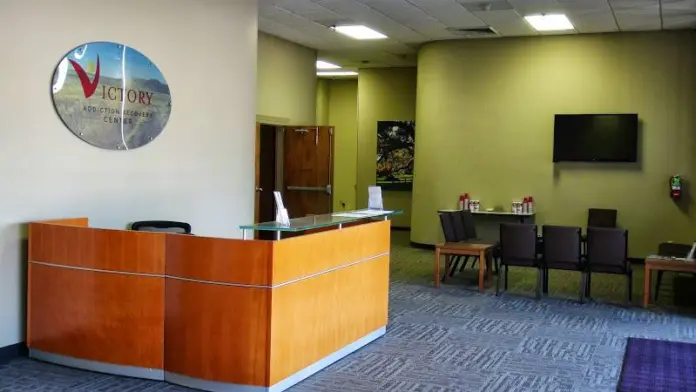
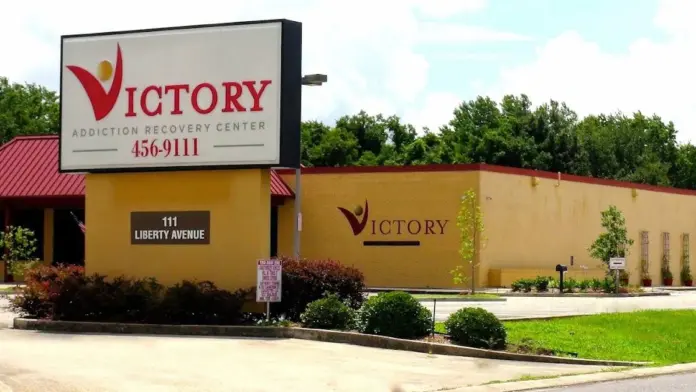
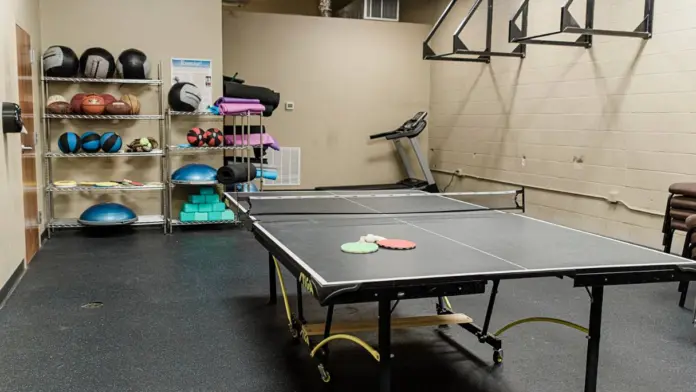
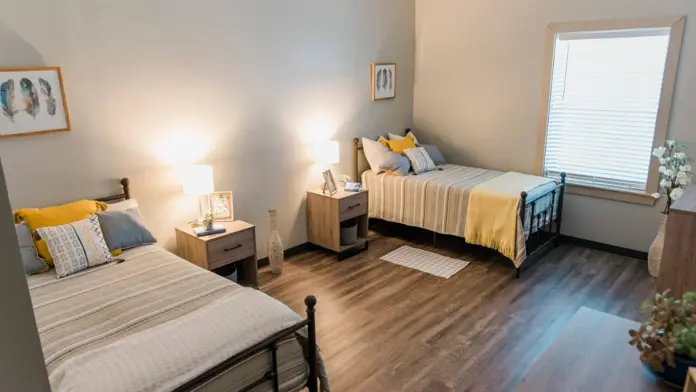
This clinic is situated in a secluded area and offers clients an escape from the bustle of daily life and a chance to dedicate their energy purely to the healing process. The center provides modern, clean and professional facilities that serve to elevate the therapeutic environment that is essential for comfort and safety, especially in recovery.
From troubled professionals to corporate executives, the Professionals and Executives Program assists individuals with significant career and life stressors including doctors, lawyers, business executives and other professionals from harm’s way at the hands of drugs. The program is designed to specifically address the challenges this demographic faces including career related stress management, confidentiality and restoring professional standing. Treatment gets started with an individualized assessment and incorporates evidence based therapies that align with professionals’ lifestyles and responsibilities.
The program offers individual counseling, group therapy and customized services including work life balance, stress management and rebuilding trust in professional relationships. Associates are offered a rigorous level of treatment while still allowing for the ability to keep discretion and receive the necessary treatment, focusing on re-integrating into demanding careers whilst maintaining sobriety.
Several treatment focuses set them apart, Family Week being one, allowing families to engage in the recovery process with their loved ones. Family Week provides education, therapy and bonding activities to enable families to be empowered to support recovery and heal relationships that were impacted by addiction.
A second distinguishing feature is the Trac9 Relapse Prevention Program, a year long aftercare program that helps clients stay sober after completing treatment. This extended support is especially beneficial during the difficulty of early recovery. They also feature a Veterans Program to help with the unique struggles of those who have served in the military, with expert knowledge and care.
Victory is also strong on alumni support. It has an active alumni program that encourages community and relationship building through hosting events and support networks. To further facilitate connection, engagement and support, Victory has created an alumni social media platform designed specifically for its graduates in the app Cared For.
The counselors do follow up. Oh and my name is Debbie
Food, snacks and the washer and dryers provided.
Definitely not home, but, protection and guidance provided.
I was not and am not comfortable with groups so going out to AA meetings was not for me. My comfort level was in house meetings and the past speakers gave me a feeling of hope that they chose to come back to chair and share their stories of hope.
This addiction is so challenging since alcohol is so available,. By me making better Choices of my soundings, situations and some friends it is and can be doable for me,
To the rest of my graduating family; is anything easy?
We just keep the fight till it becomes “natural”
Ok. I hope to be somewhat “normal”
Love to all
I admitted to Victory in December of 2025. I was scared from my life and had no idea where it was going to lead. over the course of my stay, I was met with nothing but love and care from a top-notch staff. today I’m extremely grateful for everything that Victory has done to help me with my recovery.
This place saved my son around 2015. He did relapse once not long after he got out, but we had learned so much from Victory and we knew what to do. He is now 31 still clean and happy! Thank you so much. I don’t think he would be here if it wasn’t for your help!
Scoring is assigned by a proprietary system which helps surface key metrics that determine quality. The 10-point scale factors in categories such as operations, customer satisfaction, and trust metrics. Read Full Methodology
7.9 / 10
Gallery
Accepted Insurance
Please contact to verify your specific insurance provider.
Victory Addiction Recovery Center works with several private insurance providers, please contact to verify your specific insurance provider.
Private insurance refers to any kind of healthcare coverage that isn't from the state or federal government. This includes individual and family plans offered by an employer or purchased from the Insurance Marketplace. Every plan will have different requirements and out of pocket costs so be sure to get the full details before you start treatment.
Self-pay involves paying for treatment out of your own pocket. You can use savings or credit, get a personal loan, or receive help from family and friends to fund your treatment. If you don't have insurance or your insurance plan doesn't cover a specific program, self-pay can help ensure you still get the care you need.
Addiction Treatments
Levels of Care
Outpatient Programs (OP) are for those seeking mental rehab or drug rehab, but who also stay at home every night. The main difference between outpatient treatment (OP) and intensive outpatient treatment (IOP) lies in the amount of hours the patient spends at the facility. Most of the time an outpatient program is designed for someone who has completed an inpatient stay and is looking to continue their growth in recovery. Outpatient is not meant to be the starting point, it is commonly referred to as aftercare.
Once you are physically healed, the licensed counselors utilize a variety of treatment methods including individual, group, and gender-specific therapy and education to begin mental and emotional healing. As you approach the completion of the residential program, their treatment team will work with you to provide a continuing care plan, which may include Victory’s PHP or IOP program. They are also connected with sober living facilities around the country.
Their Intensive Outpatient Program provides the benefits of treatment with added flexibility. With sessions at night, you are able to continue to live your life going to work or school. IOP combines group, individual, and family therapy to provide a solid foundation for recovery. Sessions focus on education, relapse prevention, spirituality, 12-Steps, and a variety of other topics. Clients will learn the tools necessary to live a happy and productive life without the use of drugs or alcohol.
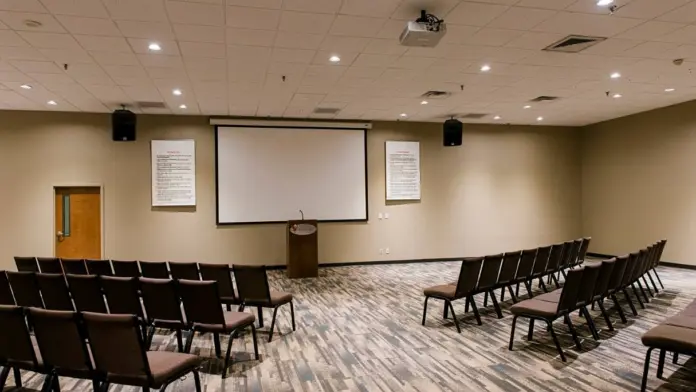
Sessions are held 3 nights each week for 12 weeks. Upon admittance to the outpatient program, clients will meet with a clinician for orientation. IOP clients will often have access to guest speakers presenting in their auditorium. Their outpatient program involves the support system by holding a monthly family and sponsor night. This reinforces continuum of care while clients are learning to live a life of sobriety.
Clients enrolled in rehab aftercare programs have completed high-level treatment and are typically in the maintenance phase of their recovery, receiving customized services designed to support their sustained sobriety. Case managers and care teams typically begin to plan for the client's rehab aftercare services early in the treatment process to ensure the client's fluid reentry into their home, workplace, and community. These programs evolve as clients' needs change, and frequently include peer coaching, relapse prevention, and career counseling.
12-step programs are addiction recovery models based on Alcoholics Anonymous (AA). A number of substance abuse programs (including some drug and alcohol rehab centers) use the 12 steps as a basis for treatment. Beginning steps involve admitting powerlessness over the addiction and creating a spiritual basis for recovery. Middle steps including making direct amends to those who've been hurt by the addiction, and the final step is to assist others in addiction recovery in the same way. 12-Step offshoots including Narcotics Anonymous (NA), Cocaine Anonymous (CA), Dual Recovery Anonymous (DRA), Sex and Love Addicts Anonymous (SLAA) and Gamblers Anonymous (GA).
Sober Living Houses (SLHs), aka sober homes or halfway houses, are safe, substance-free, supportive living facilities for those recovering from substance abuse. Ideal for those who've just been through inpatient or outpatient treatment, SLHs are supervised environments with rules that support sobriety, such as curfews, shared chores, and therapeutic meetings. Residents are also often trained on life skills and coping skills to make it easier to transition into society. SLHs also provide a strong sense of community that can lead to the kind of deep and lasting connections with other sober individuals that supports a new, healthy lifestyle.
Collaboration between a professional treatment team and the family of an addicted loved one is an essential benefit of intervention services in Louisiana. Working together, they can develop the best strategies for a drug intervention. These experienced professionals know what protocols are most effective for interventions and provide expert insight that can improve the outcome of the intervention. An intervention specialist acts as a mediator during the intervention and a guide for next steps based on the outcome of the effort.
A partial hospitalization program (PHP) is a short-term form of intensive rehab, usually for those with acute symptoms that are hard to manage but don’t require 24-hour care. PHPs have structured programming (i.e. individual and/or group therapy), and usually meet 3-5 days a week for around 6 hours (i.e. 9am-3m). Some PHPs are residential (patients sleep on site) and some are not, so patients sleep at home. PHPs can last from 1-6 months, and some offer transportation and meals.
Detoxification is their most intensive form of treatment that begins upon admission. They can detox all substances (alcohol and drugs), and you will be monitored around the clock by our healthcare professionals to provide a safe and comfortable experience. Once you are physically healed, their licensed counselors utilize a variety of treatment methods including individual, group, and gender-specific therapy and education to begin mental and emotional healing.
Treatments
The goal of treatment for alcoholism is abstinence. Those with poor social support, poor motivation, or psychiatric disorders tend to relapse within a few years of treatment. For these people, success is measured by longer periods of abstinence, reduced use of alcohol, better health, and improved social functioning. Recovery and Maintenance are usually based on 12 step programs and AA meetings.
While each drug rehab in Louisiana offers unique elements, recovery support often follows a similar pattern. Detox is followed by inpatient and/or outpatient care, then aftercare support is provided once the participant completes the initial program.
Many of those suffering from addiction also suffer from mental or emotional illnesses like schizophrenia, bipolar disorder, depression, or anxiety disorders. Rehab and other substance abuse facilities treating those with a dual diagnosis or co-occurring disorder administer psychiatric treatment to address the person's mental health issue in addition to drug and alcohol rehabilitation.
A combined mental health and substance abuse rehab has the staff and resources available to handle individuals with both mental health and substance abuse issues. It can be challenging to determine where a specific symptom stems from (a mental health issue or an issue related to substance abuse), so mental health and substance abuse professionals are helpful in detangling symptoms and keeping treatment on track.
Opioid rehabs specialize in supporting those recovering from opioid addiction. They treat those suffering from addiction to illegal opioids like heroin, as well as prescription drugs like oxycodone. These centers typically combine both physical as well as mental and emotional support to help stop addiction. Physical support often includes medical detox and subsequent medical support (including medication), and mental support includes in-depth therapy to address the underlying causes of addiction.
Programs
Adult rehab programs include therapies tailored to each client's specific needs, goals, and recovery progress. They are tailored to the specific challenges adult clients may face, including family and work pressures and commitments. From inpatient and residential treatment to various levels of outpatient services, there are many options available. Some facilities also help adults work through co-occurring conditions, like anxiety, that can accompany addiction.
Young adulthood can be an exciting, yet difficult, time of transition. Individuals in their late teens to mid-20s face unique stressors related to school, jobs, families, and social circles, which can lead to a rise in substance use. Rehab centers with dedicated young adult programs will include activities and amenities that cater to this age group, with an emphasis on specialized counseling, peer socialization, and ongoing aftercare.
Clinical Services
Cognitive Behavioral Therapy (CBT) is a therapy modality that focuses on the relationship between one's thoughts, feelings, and behaviors. It is used to establish and allow for healthy responses to thoughts and feelings (instead of unhealthy responses, like using drugs or alcohol). CBT has been proven effective for recovering addicts of all kinds, and is used to strengthen a patient's own self-awareness and ability to self-regulate. CBT allows individuals to monitor their own emotional state, become more adept at communicating with others, and manage stress without needing to engage in substance abuse.
Dialectical Behavior Therapy (DBT) is a modified form of Cognitive Behavioral Therapy (CBT), a treatment designed to help people understand and ultimately affect the relationship between their thoughts, feelings, and behaviors. DBT is often used for individuals who struggle with self-harm behaviors, such as self-mutilation (cutting) and suicidal thoughts, urges, or attempts. It has been proven clinically effective for those who struggle with out-of-control emotions and mental health illnesses like Borderline Personality Disorder.
Group therapy is any therapeutic work that happens in a group (not one-on-one). There are a number of different group therapy modalities, including support groups, experiential therapy, psycho-education, and more. Group therapy involves treatment as well as processing interaction between group members.
In individual therapy, a patient meets one-on-one with a trained psychologist or counselor. Therapy is a pivotal part of effective substance abuse treatment, as it often covers root causes of addiction, including challenges faced by the patient in their social, family, and work/school life.
If you are struggling with motivation to change, motivational interviewing is designed to help. This method typically involves one or two sessions with a therapist. The technique helps you understand your motivations and empowers you to make changes to reach your goals.
Trauma therapy addresses traumatic incidents from a client's past that are likely affecting their present-day experience. Trauma is often one of the primary triggers and potential causes of addiction, and can stem from child sexual abuse, domestic violence, having a parent with a mental illness, losing one or both parents at a young age, teenage or adult sexual assault, or any number of other factors. The purpose of trauma therapy is to allow a patient to process trauma and move through and past it, with the help of trained and compassionate mental health professionals.
Couples therapy focuses on helping the couple develop skills that will improve the relationship. These include communication, conflict resolution, and anger management. Couples also identify dysfunctional behaviors and work to eliminate them.
Eye Movement Desensitization And Reprocessing
Victory feels a strong support system is a very important part of recovery. “Family Week” is a feature of their inpatient program open to friends and family members of clients. Films, lectures, and group discussions are used to educate about addiction and how to support loved ones in recovery. Family groups will be scheduled by the treatment team as needed.
An integral part of addiction rehab in Louisiana is life skills training. This training equips you for the daily tasks you'll need to successfully navigate post treatment. Training may include employment coaching, stress management techniques, financial budgeting, and interpersonal skill development.
Examples of experiential therapy in Louisiana include equine/animal therapy, psychodrama, adventure therapy, and music therapy. These interventions focus on the exploration of emotions and how the client perceives the world.
Amenities
Yoga Studio
Residential Setting
Private Rooms
Staff & Accreditations
Staff
Kerri Cunningham, LCSW, LAC
CEO
Julie St. Martin, RN
Director of Nursing
Adrienne Broussard
Human Resources Director
Rachel Broussard, LCSW
Clinical Director
Crystal Cochran, CAC
Business Development Director
Accreditations
The Commission on Accreditation of Rehabilitation Facilities (CARF) is a non-profit organization that specifically accredits rehab organizations. Founded in 1966, CARF's, mission is to help service providers like rehab facilities maintain high standards of care.
CARF Accreditation: Yes
The Joint Commission, formerly known as JCAHO, is a nonprofit organization that accredits rehab organizations and programs. Founded in 1951, the Joint Commision's mission is to improve the quality of patient care and demonstrating the quality of patient care.
Joint Commission Accreditation: Yes
Rehab.com regularly reviews this listing for accuracy but changes may occur between updates. For the most up-to-date information, please contact Victory Addiction Recovery Center.
The facility is very clean, the staff is great, the priority for these people is getting their patients back to their normal life, free of drugs. Victory Addiction Recovery Center truly save lives, I can't express just with words what this place did for me, I will forever lo ...
Read More
The counselors do follow up. Oh and my name is Debbie
Food, snacks and the washer and dryers provided.
Definitely not home, but, protection and guidance provided.
I was not and am not comfortable with groups so going out to AA meetings was not for me. My comfort level was in house meetings and the past speakers gave me a feeling of hope that they chose to come back to chair and share their stories of hope.
This addiction is so challenging since alcohol is so available,. By me making better Choices of my soundings, situations and some friends it is and can be doable for me,
To the rest of my graduating family; is anything easy?
We just keep the fight till it becomes “natural”
Ok. I hope to be somewhat “normal”
Love to all
Jack Torry
3 months ago
5
I admitted to Victory in December of 2025. I was scared from my life and had no idea where it was going to lead. over the course of my stay, I was met with nothing but love and care from a top-notch staff. today I’m extremely grateful for everything that Victory has done to help me with my recovery.
Angela Manuel
5 months ago
5
This place saved my son around 2015. He did relapse once not long after he got out, but we had learned so much from Victory and we knew what to do. He is now 31 still clean and happy! Thank you so much. I don’t think he would be here if it wasn’t for your help!
Rockel Mundy is a dedicated professional with a rich background in journalism, international politics, and marketing. She began her academic journey at the University of Brighton in the UK, where she completed the esteemed Brighton Journalist Works program. This program provided her with a strong foundation in investigative reporting, editorial writing, and multimedia journalism.
By calling the helpline you agree to the terms of use. We do not receive any commission or fee that is dependent upon which treatment provider a caller chooses. There is no obligation to enter treatment.
Calls to numbers on a specific treatment center listing will be routed to that treatment center. Calls to any general helpline could be forwarded to SAMHSA or a verified treatment provider.
If you wish to connect with non-sponsor centers, you can browse top-rated listings, visit our homepage and browse by state, or visit SAMHSA.

 Sponsored Helpline




































































































 Yoga Studio
  Residential Setting
  Private Rooms