25 Min Read
Heroin is a highly addictive opiate that poses serious risks and side effects to your physical and mental health. Continued use of the drug could lead to a substance use disorder. Most heroin sold in the U.S. today is contaminated with illicitly manufactured fentanyl, which sharply raises overdose risk.
Heroin addiction is treatable. The right course of treatment depends on the severity of the condition, withdrawal risk, and whether other mental or physical health conditions are present. Most treatment plans combine medical detox, medication-assisted treatment, behavioral therapy, and a structured aftercare plan.
Key Facts About Heroin Addiction:
- Heroin is a highly addictive opioid that binds to receptors in the brain and triggers an intense dopamine response.
- Heroin use disorder is a diagnosable medical condition, not a moral failing, and it responds well to treatment.
- Medication-assisted treatment with methadone, buprenorphine, or naltrexone significantly reduces overdose risk and improves long-term outcomes.
- Treatment typically moves through detox, medication management, behavioral therapy, and a structured aftercare plan.
- Most major insurance plans, Medicaid, and Medicare are required to cover substance use disorder treatment under federal parity law.
- Low-cost and free treatment options exist for people without insurance coverage, including grant-funded and state block-funded programs.
In This Article:
- Understanding heroin addiction
- Medication-assisted treatment (MAT/MOUD)
- Behavioral and psychosocial therapies
- Levels of care and program types
- Specialized and holistic supports
- Aftercare and long-term recovery
- Costs, insurance, and access to care
- Frequently asked questions
Understanding Heroin Addiction
Heroin is a highly addictive opioid processed from morphine, an opiate alkaloid derived from the poppy plant. Street forms usually appear as a white or brown powder that can be snorted or smoked. An impure form known as black tar is typically dissolved, diluted, and then injected into the veins.
Heroin has a rapid blood-to-brain transfer, which provides a quick, intense, and short-lived euphoric feeling, as well as a warm flushing of the skin, dry mouth, and a heavy feeling in the extremities.
With repeated use, the brain adapts to the drug’s presence, and stopping becomes physically and psychologically difficult without support.
Why It’s So Addictive (Opioid Use Disorder)
Heroin is an opioid, which means it binds to the opioid receptors in the brain. When it does this, the brain releases dopamine, a neurotransmitter that drives feelings of pleasure and reward.
Dopamine release in the brain’s reward center feels good, which reinforces the urge to use again. With repeated use, the body builds tolerance: more of the drug is needed to produce the same effect. Stopping causes unpleasant withdrawal symptoms, which often pushes a person back into use and deepens the cycle of dependence.

How Heroin Addiction Is Diagnosed
Clinicians diagnose heroin addiction using the criteria for opioid use disorder (OUD) from the Diagnostic and Statistical Manual of Mental Disorders, Fifth Edition (DSM-5). A diagnosis requires meeting at least 2 of the following 11 criteria within any 12-month period:
- Using heroin in larger amounts or for longer than intended
- Persistent desire or repeated unsuccessful efforts to cut back
- Spending significant time obtaining, using, or recovering from heroin
- Experiencing strong cravings or urges to use
- Failing to meet major obligations at work, school, or home due to heroin use
- Continuing use despite persistent social or relationship problems caused by heroin
- Giving up important activities like work, hobbies, relationships — because of heroin use
- Using heroin in situations where it is physically hazardous (e.g., while driving)
- Continuing use despite knowing it worsens a physical or psychological condition
- Developing tolerance (needing more heroin to achieve the same effect)
- Experiencing withdrawal symptoms when stopping or reducing use
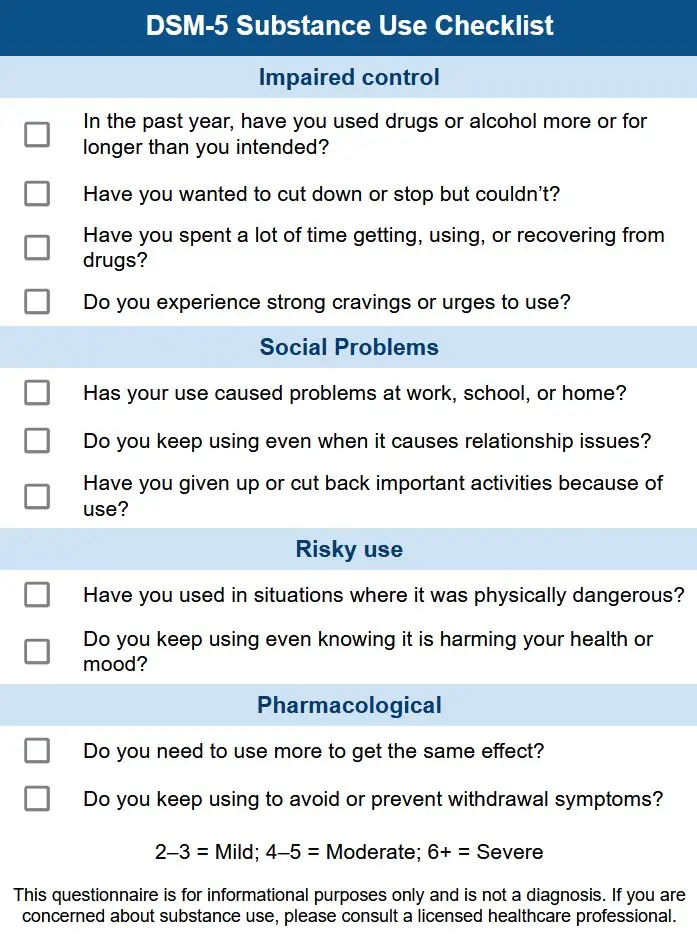
Severity is classified as mild (2-3 criteria), moderate (4-5 criteria), or severe (6 or more). A formal diagnosis requires a clinician evaluation, and not all people who meet criteria will self-identify as having an addiction, which is why professional assessment matters.1
Scope of the Crisis: Current Stats and Trends
The U.S. opioid crisis has shifted dramatically in the last two years. Heroin use has dropped sharply as fentanyl has displaced it on the street supply, and overall opioid overdose deaths fell for the first time in a decade. Heroin still kills thousands of Americans every year, but the bigger threat for most current heroin users is the fentanyl that contaminates the supply.
80% of heroin overdose deaths in 2022 involved synthetic fentanyl.
4,000 Deaths
Roughly 4,000 U.S. overdose deaths involved heroin in 2023, a 33% drop from 2022 as fentanyl displaced heroin on the street supply.2
Signs You May Need Treatment
Regular use of heroin will have short-term and long-term effects on your mental health, behaviors, and physical well-being. There are some specific signs to look for when deciding whether or not you need treatment for your drug use.
Physical, Psychological, and Behavioral Warning Signs
Some of the warning signs to look for that you or a loved one may have heroin use disorder include:
- Pinpoint pupils
- Head nodding or sudden drowsiness
- Track marks from intravenous use
- Chronic constipation
- Mood swings or irritability
- Acting secretively, lying about whereabouts
- Missing money, valuables, or prescription medications
- Withdrawing from family, friends, or activities
Health Risks, Complications, and Overdose Dangers
Heroin use carries serious health risks, especially when injected or used with a contaminated supply. Common medical complications include:
- Endocarditis (infection of the heart valves)
- Collapsed veins from repeated injection
- Hepatitis C and HIV from shared needles
- Skin infections and abscesses at injection sites
- Respiratory depression and overdose, often worsened by fentanyl contamination
Overdosing on heroin is possible and can be life-threatening. If you or someone you are with is using heroin and then has blue lips or slowed breathing, call 911 immediately. If you have access to it, give naloxone as soon as possible to reverse the overdose.
When to Seek Professional Help (Red-Flag Scenarios)
Recognizing the signs that you need help is just the first step. While it is possible to quit using heroin on your own, it can be extremely difficult due to the highly addictive nature of the drug.
Consider seeking professional help if:
- You are using heroin daily or near-daily
- You have tried to quit before and could not sustain abstinence
- Your use is interfering with your job, school, or family responsibilities
- You are facing legal consequences related to drug use
- You are experiencing suicidal thoughts or worsening mental health
- You have already experienced or witnessed an overdose
Call A Treatment Provider
For a conversation about what treatment options are available to you.
Make a Call
 800-985-8516
 Sponsored Helpline
Medical Detox and Withdrawal Management
Detoxing from heroin causes withdrawal symptoms that follow a fairly predictable pattern, though timing and intensity vary based on how long someone has been using and how much. Medical supervision during this window significantly reduces discomfort and the risk of relapse.
| Timeframe | Common symptoms | What to know |
|---|---|---|
| Hours 6-24 | Anxiety, restlessness, drug cravings, yawning, teary eyes, runny nose | Onset timing varies by duration and quantity of use |
| Days 1-3 | Muscle aches, sweating, insomnia, irritability, chills | Symptoms intensify; medical supervision strongly recommended |
| Days 3-5 (peak) | Nausea, vomiting, diarrhea, abdominal cramps, intense cravings | Most physically difficult phase; buprenorphine or clonidine can reduce severity |
| Days 6-7 | Physical symptoms begin to ease for most people | Acute withdrawal typically resolves within a week |
| Week 2 onward | Depression, anxiety, sleep disruption, persistent cravings | Post-acute withdrawal syndrome (PAWS) can continue for weeks to months |
Medications that can help during withdrawal include buprenorphine, clonidine, and anti-nausea drugs. Lofexidine (Lucemyra) is FDA-approved specifically to manage the physical symptoms of opioid withdrawal and is sometimes used as a bridge for patients waiting to start medication-assisted treatment.3
A professional detox program also addresses medical conditions that can occur alongside heroin use, such as bacterial infections, HIV, and hepatitis C. Keep in mind that detox alone rarely leads to long-term sobriety: it is the first step in a longer treatment program, not the full plan.

Overdose Reversal and Harm Reduction (Naloxone, Fentanyl Test Strips)
You can take steps to prepare to reverse overdose symptoms and avoid dangerous versions of heroin that are mixed with fentanyl.
The risk profile of heroin has shifted significantly since 2015. According to the CDC, most heroin on the U.S. street supply is now contaminated with illicitly manufactured fentanyl, roughly 50 times more potent than heroin. A person who uses heroin today may be using fentanyl without knowing it, and a dose that would have been survivable a decade ago can now cause respiratory failure within minutes.2
Fentanyl test strips are a low-cost tool that can detect fentanyl contamination in a drug supply before use. Many harm reduction programs and syringe service programs distribute them for free. They are legal in most U.S. states.
A few harm-reduction tips include:
- Carry naloxone nasal spray to reverse overdose symptoms
- Train yourself, friends and family in rescue breathing
- Obtain test supplies to detect fentanyl in drugs you plan to use
Medication-Assisted Treatment (MAT/MOUD)
Medication-assisted treatment (MAT) combines FDA-approved medications with counseling and behavioral support to treat heroin use disorder. Research consistently shows that people receiving MAT are less likely to experience a fatal overdose and more likely to remain in treatment long-term compared to those not receiving medication.5

The three FDA-approved medications for opioid use disorder work in different ways. Methadone and buprenorphine activate opioid receptors in a slower, more controlled way that suppresses cravings without producing a heroin-like high. Naltrexone blocks opioid receptors entirely, removing the reward of any opioid taken during recovery.
| Medication | How it works | How it’s given | Best for |
|---|---|---|---|
| Methadone | Full opioid agonist; suppresses cravings and blocks withdrawal | Daily oral dose at a licensed opioid treatment program (OTP) | Severe, long-standing heroin use disorder |
| Buprenorphine (Suboxone, Subutex, Sublocade) | Partial opioid agonist; lower overdose risk than methadone | Oral, sublingual film, or monthly long-acting injection; office-based prescribing | People who want a more flexible treatment schedule |
| Naltrexone (Vivitrol) | Opioid antagonist; blocks the effects of any opioid taken during treatment | Daily oral pill or monthly long-acting injection | People who have completed detox and want a non-opioid option |
| Lofexidine (Lucemyra) | Non-opioid; reduces autonomic withdrawal symptoms | Oral tablets, short-term | Bridging detox while waiting to start MAT |
Methadone Maintenance
Methadone is a medication commonly used to treat opioid use disorder. It is a full opioid agonist, which means it works to activate the opioid receptors in the brain. This helps to curb cravings for the drug as well as block the effects opioids typically have on the brain.
Methadone treatment begins with daily clinic dosing under the supervision of a doctor. As your condition progresses and you are deemed healthy enough, you may be allowed to take methadone with you to continue treatments on your own at home.
Studies have shown that, among those in methadone maintenance treatment, about 65 to 70 percent reported regular heroin use in the year before entering treatment. For those who stayed in treatment at least 3 months, that dropped to 25 to 30 percent during treatment.
Buprenorphine/Suboxone and Long-Acting Injectables
Buprenorphine and Suboxone are very similar to methadone in that they are opioid agonists; however, these drugs are only partial agonists, meaning they only partially activate the opioid receptors. This partial activation lowers the risk of overdose compared to methadone, but dependence on buprenorphine can still occur.
Like methadone, this drug can reduce cravings and the effects opioids have on your system. This drug can be prescribed by a doctor and taken at home or given as a long-acting injectable medication in the doctor’s office. It is also sometimes used in hospital and inpatient settings during the detox process.
Naltrexone/Vivitrol and Opioid Antagonists
Naltrexone is a medication that works to block opioid receptors in the brain. This means that if you have a relapse and begin using heroin again while taking naltrexone, you will be less likely to experience the euphoric feelings usually associated with heroin.
Naltrexone also reduces opioid cravings. This can help with long-term recovery and combating relapses. The drug can only be given after you have been free of heroin use for at least 7-10 days.
Managing Withdrawal with Lofexidine and Adjunct Medications
Lofexidine is a drug that provides relief of autonomic symptoms that often accompany heroin withdrawal, such as sweating, chills, rapid heart rate, high blood pressure, anxiety, and restlessness. This is not used as a long-term treatment medication, but can act as a bridge for patients who are waiting to start MAT.
Behavioral and Psychosocial Therapies
Behavioral therapies address the psychological side of heroin addiction, such as the triggers, thought patterns, and coping habits that sustain drug use. Most treatment programs combine medication with one or more evidence-based therapies, because medication alone without behavioral support produces lower long-term recovery rates.5

Cognitive-Behavioral Therapy (CBT)
Cognitive behavioral therapy is an evidence-based approach to mental health that seeks to help you identify triggers and unhealthy thought patterns so you can create new thought patterns leading to new behaviors.
Some of the techniques involve exercises where you reframe some of your old thinking patterns. For example, you may practice changing statements like “I need to use heroin to feel better” to something like “I crave heroin, but I can cope with that feeling until it moves on.”
Homework assignments with CBT might include:
- Keeping a craving log
- Journaling thoughts and feelings
- Listing triggers and corresponding coping skills
- Practicing mindfulness and grounding techniques
Contingency Management
Contingency management (CM) is another technique, most often used in the treatment of cocaine addiction. This approach utilizes a voucher or prize system to incentivize positive behaviors over negative ones.
For example, a patient may be rewarded for a negative urine drug screen or for following through on health markers such as HIV testing or getting vaccines. One study shows that individuals using CM were four times more likely to remain abstinent while in care than those not using the approach.
Motivational Interviewing (MI) and Stages of Change
MI is an approach used in therapy where open-ended questions are used by the therapist to steer the patient towards meaningful change.
This type of therapy is particularly helpful in resolving ambivalence or hesitation on the part of the patient. The therapist will ask questions and reflect back to the patient what they are hearing as a way of evoking motivation to change.
Group and Family Therapy
The power behind group therapy follows Irvin Yalom’s theory of universality. This is where group members feel less alone in their struggles as they hear their peers share their experiences. Group therapy helps to reduce shame for patients, which is very prevalent in substance use disorders.
Family sessions help patients and their loved ones align boundaries and address codependency that often exists in relationships with those who have heroin addiction. Family members also become educated on their loved one’s journey and how to help support them with ongoing recovery.

Trauma-Informed and Dual-Diagnosis Care
Utilizing a trauma-informed approach to therapy is also important for many patients in rehab. Some facilities will assess you for post-traumatic stress disorder (PTSD) and other conditions that are frequently associated with trauma exposure.
If other diagnoses are present besides the heroin use disorder, then treatment will integrate trauma-informed therapies such as eye movement desensitization reprocessing (EMDR) or dialectical behavioral therapy (DBT), which are known to help with trauma-related conditions.
Dual diagnosis care means that your treatment team will coordinate care between all providers and across medication and therapies to prevent symptom-triggered relapse.
Levels of Care and Program Types
Heroin addiction treatment is not one-size-fits-all. The right level of care depends on the severity of the physical dependence, the presence of co-occurring mental health conditions, and the stability of the person’s home environment and support system. Most people step down through multiple levels of care over the course of their recovery.
| Level of care | Typical time commitment | Best for | Average length of stay |
|---|---|---|---|
| Medical detox | 24/7 inpatient or outpatient | Active withdrawal management | 3 to 10 days |
| Inpatient/residential rehab | 24/7 in-facility | Severe addiction, unsafe home environment, or co-occurring conditions | 28 to 90 days |
| Partial hospitalization (PHP) | 5 to 6 hours per day, 5 days per week | Step-down from inpatient or higher-needs outpatient | 2 to 4 weeks |
| Intensive outpatient (IOP) | 9 to 12 hours per week | Working adults, step-down from PHP | 8 to 12 weeks |
| Standard outpatient | 1 to a few hours per week | Lower-severity cases or long-term maintenance | 3 to 6 months or longer |
| Telehealth/online rehab | Varies; often outpatient or IOP equivalents | Rural patients, working adults, post-residential continuity | Varies |
Inpatient Residential Rehab
If you are admitted into inpatient or residential rehab, you can expect:
- 24/7 supervision
- Multiple therapies daily
- Remaining in the facility overnight
- Medication management
Inpatient care is ideal for patients experiencing unstable housing or needing around-the-clock medical supervision. The stay usually lasts about 28-60 days and requires preauthorization of insurance coverage.

Partial Hospitalization Program (PHP)
PHP is a step down from inpatient care, for patients who still require daily medical supervision and treatment, but are stable enough to go home in the evenings.
You can expect:
- 5-6 hours per day of clinical care
- Spend your nights at home
- Group therapy
- Life-skills training
- Medication checks
PHP often acts as a bridge between higher level of care (inpatient) and lower level of care (outpatient).

Intensive Outpatient Program (IOP)
IOP is a version of outpatient treatment that allows for more flexibility in your schedule than inpatient or PHP. It is ideal for working adults who may not be able to commit as much time daily as other programs require.
Typically, you can expect:
- 9–12 hours per week of treatment sessions
- Evening sessions available for working adults
- Random drug tests to maintain accountability
- Ongoing medication checks
- Group and individual therapy

Standard Outpatient and Telehealth Options
Standard outpatient addiction treatment is the least intensive level of care provided and is sometimes available through telehealth. You can expect weekly sessions with a therapist and occasional check-ins with a medical doctor.
There are digital CBT and recovery apps that you can download and use to complement your weekly therapist contact.

How to Choose the Right Level of Care
It can be difficult to know what level of care you may need, which is why healthcare professionals have developed criteria to assess patient needs and recommend appropriate treatment.
Things to consider when choosing care include:
- Your level of withdrawal risk
- Comorbidities and dual diagnoses
- Your home environment and support system

Specialized and Holistic Support for Heroin Addiction
Beyond standard levels of care, many programs offer services tailored to specific populations or treatment philosophies. These supports can meaningfully improve engagement and outcomes by addressing the full context of a person’s life, not just the heroin use disorder in isolation.
Demographic-Specific Programs (Women, LGBTQ+, Veterans, Teens)
Several factors may influence your specific needs in treatment, including your age, gender, past trauma, or sexual orientation. Many facilities and specialty rehab programs exist to help you through the exact challenges you’re facing.
You can consider several options, including:
- Women’s programs that address pregnancy, childcare, and trauma histories
- LGBTQ+ tracks that provide minority-stress coping skills and affirming peer groups
- Veteran-focused programs that address military-related PTSD triggers
- Teen centers that offer peer and family support for adolescent patients
- Pregnancy and postpartum programs that coordinate MAT with prenatal care

Holistic and Complementary Therapies
Some patients benefit from integrating holistic approaches with addiction treatment. This might include techniques such as mindfulness, which is very useful in helping patients increase their stress tolerance and cope with urges to use.
A few other holistic approaches may include:
- Acupuncture
- Nutrition counseling
- Relaxation and yoga
- Herbal remedies
Sober Living Homes and Recovery Housing
Sober living homes are places that offer housing for those leaving a rehab facility who need a place to stay and additional accountability. Research has shown that those in sober living homes have better outcomes such as increased abstinence and fewer legal problems.
Some of the rules you can expect in a sober-living home include:
- Attending 12-step programs
- Maintaining a drug-free environment
- Curfews
- House meetings
- Undergoing drug screenings
Most sober living homes require you to be employed or attending school to stay there.

Aftercare and Long-Term Recovery
Your recovery does not end when you leave rehab. Your treatment team will work with you to create an aftercare plan that involves relapse prevention planning, peer support and medication management.
Relapse Prevention Planning and Coping Skills
While it can be disappointing to relapse, it’s important to know that it’s a common part of the recovery journey. You can take steps to help prevent relapse, though, including:
- Identifying high-risk people or places
- Learning coping skills for when you have the urge to use
- Creating “if-then” scripts that you can follow if you find yourself tempted to use
- Practicing urge-surfing
- Implementing grounding exercises
- Developing a routine for yourself

12-Step, SMART Recovery, and Peer Support Communities
Another important part of aftercare is regularly attending some type of peer support community. 12-step programs like AA and NA offer a spiritual approach to recovery, while SMART recovery groups are a secular approach based on CBT tools.
Groups and sponsor/mentor relationships help to reduce your isolation, which can lead to using heroin again.
Medication Maintenance, Tapering, and Monitoring
Maintaining your medication even after you leave rehab is also part of preventing relapse.
Research shows that medication-assisted treatment (MAT) can reduce relapse from around 90% within the first year without treatment to 50%.
Tapering off medication should only be done under the guidance of a medical professional and if you have stable housing, employment, and a strong support system.
Lifestyle Changes for Sustainable Sobriety
Making meaningful changes to your lifestyle after rehab will help you sustain sobriety for the long term.
Some of the positive changes might include:
- Improving sleep hygiene
- Maintaining balanced nutrition
- Adding purposeful work or volunteering to your schedule
- Getting involved with hobbies
- Keeping social connections
How to Help a Loved One With Heroin Addiction
Supporting a loved one with heroin addiction is one of the hardest things a family can navigate. The most useful things you can do are educate yourself, approach the conversation with care, set boundaries that protect everyone, and connect them to professional help when they are ready.
Recognize the Signs and Approach the Conversation
Before you start a conversation about treatment, take time to understand what you are seeing. Pinpoint pupils, frequent drowsiness, mood swings, missing money or valuables, and withdrawal from family routines are common signs of heroin use. Knowing the diagnostic criteria for opioid use disorder can help you separate occasional use from a pattern that needs professional treatment.
When you do talk to your loved one, choose a calm, private moment when they are not under the influence. A few tips for the conversation:
- Use “I” statements (“I am worried about you”) rather than “you” accusations
- Stick to specific behaviors and impacts you have observed
- Listen at least as much as you talk
- Have specific treatment options or a phone number ready if the conversation goes well
- Expect denial, anger, or minimization; do not take it personally
Consider an Intervention
If direct conversations have not led to action, a professionally guided intervention can be a turning point. Interventions are structured conversations led by a licensed interventionist, typically including family members and close friends. The goal is to communicate concern, present consequences, and offer a specific, pre-arranged path into treatment.
Interventions are not a guaranteed fix. They work best when treatment is already lined up, when participants are prepared by the interventionist, and when the family is ready to follow through on the boundaries they set.

Set Healthy Boundaries Without Enabling
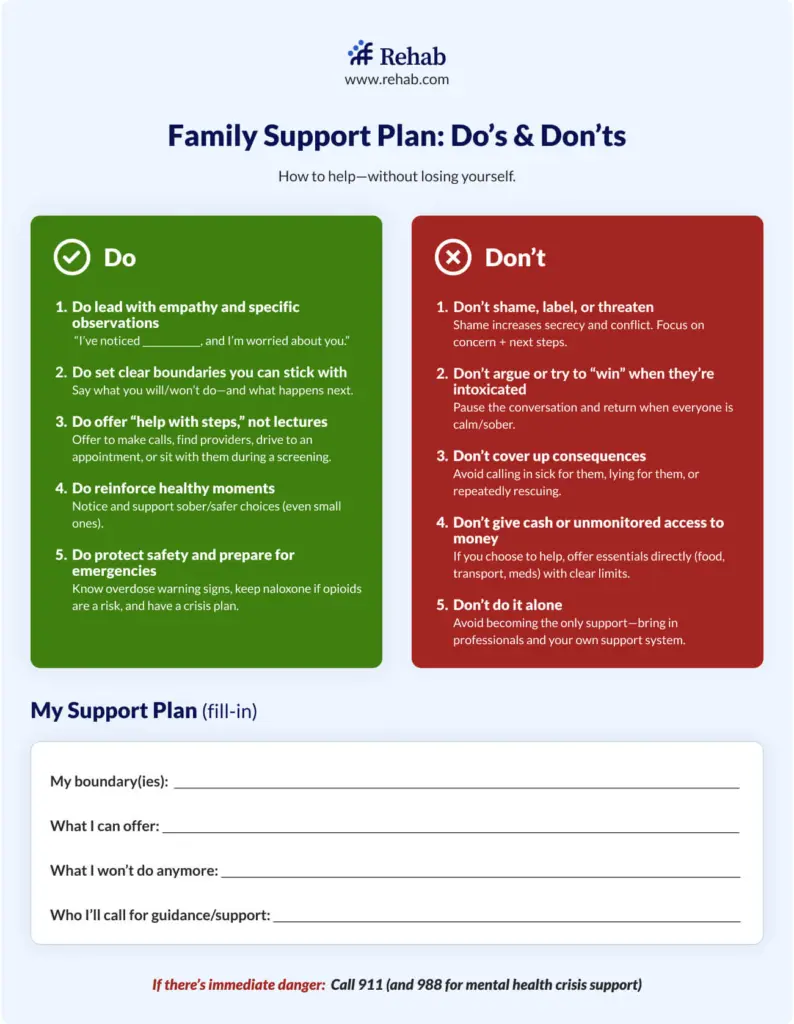
Loving someone with heroin addiction does not mean covering for them. Boundaries are decisions you make about what you will and will not do. They are most effective when stated clearly, explained calmly, and followed through consistently. Examples of healthy boundaries include:
- “I will not give you money.”
- “You cannot use drugs in my home.”
- “I will drive you to treatment, but I will not call your job to cover for you.”
- “I love you, and I cannot watch you do this. I will be here when you are ready for help.”
Boundaries reduce enabling behavior without cutting off the relationship entirely. If you also carry naloxone and know how to use it, you create a safety net without rewarding continued use.
Take Care of Yourself Too
Family members and loved ones of people with addiction need their own support. Nar-Anon and SMART Recovery Family & Friends are peer-support groups designed for the people closest to someone in active addiction. Individual therapy, especially with a clinician familiar with substance use, can help you process grief, manage anxiety, and avoid burnout.
You cannot control whether your loved one chooses treatment. You can control whether you stay physically and emotionally healthy enough to be there when they do.

Costs and Insurance for Heroin Addiction Treatment
Cost is one of the most common barriers to seeking treatment for heroin use disorder, but more options exist than most people realize. Federal parity law requires most insurance plans to cover substance use disorder treatment at the same level as physical health conditions, and public programs are available for people without coverage.
Understanding Insurance Coverage (Private, Medicaid, Medicare, ACA Plans)
Parity laws have recently made it a requirement for insurance plans to cover mental health conditions, including substance use disorder.
If you have medical insurance, check with your carrier to find treatment centers that are in-network so that you do not have to pay full cost for treatment. If you live in a Medicaid expansion state and qualify for Medicaid coverage, you can attend a methadone clinic for free.

Financing Without Insurance and Sliding-Scale Options
If you do not have insurance, there are still options available to you, including:
- Grant-funded centers that offer free care
- State block-funded rehab
- Scholarships within certain facilities
- Payment plans
- Crowdsourcing
Using SAMHSA’s Treatment Locator and Telehealth for Rural Access
You can visit FindTreatment.gov to search for centers near you and learn more about how to qualify for free care. You’re able to search by zip code, modality and language.
Filters can be set for opioid treatment programs (OTP) or office-based opioid treatment (OBOT). You can also search for telehealth options that cut out any travel barriers you may have in trying to begin recovery.
Frequently Asked Questions About Heroin Addiction Treatment
The duration of detox may differ from person to person, but it typically lasts a week or two. The acute physical phase of withdrawal symptoms will usually last about 1 week, but medical support can shorten the timespan and alleviate some intensity of symptoms.
Yes, MAT is safe during pregnancy. Methadone and buprenorphine lower fetal stress and are considered far better than the illicit use of opioids during pregnancy. Neonatal abstinence can be managed by utilizing certain approaches, such as rooming-in and breastfeeding.
Medication-assisted treatment coupled with therapy improves your odds of recovery. It’s important to keep in mind that a common part of the recovery process is relapse. Relapse rates for heroin use disorder are similar to other chronic illnesses, such as asthma and hypertension. Experiencing a relapse and entering treatment is common and not indicative of failure.
Yes, you can taper off methadone. There is no standard tapering off schedule, but it’s based on where you are in recovery, your support network, and other individual factors. Usually, a tapering schedule will start after at least 12 months of stability, and a professional will monitor your cravings and any withdrawal symptoms.
Find Treatment for Heroin Addiction Near You
You can find treatment centers near you using the Rehab.com website. The directory lets you filter your search by location, level of care, insurance providers and special programs.
Don’t wait. Reach out today. Call the phone number below to talk to someone about your treatment options and see if your insurance will cover rehab.
Call A Treatment Provider
For a conversation about what treatment options are available to you.
Make a Call
800-985-8516Sponsored Helpline
Find Opioid Addiction Treatment
Finding facilities near you…
Finding facilities near you…
Finding facilities near you…
References
- American Psychiatric Association. Diagnostic and Statistical Manual of Mental Disorders, Fifth Edition, Text Revision (DSM-5-TR). American Psychiatric Publishing; 2022.
- Centers for Disease Control and Prevention. About Overdose Prevention. Updated 2025. https://www.cdc.gov/overdose-prevention/about/index.html
- U.S. Food and Drug Administration. FDA approves the first non-opioid treatment for management of opioid withdrawal symptoms (lofexidine). Updated 2024. https://www.fda.gov/news-events/press-announcements/fda-approves-first-non-opioid-treatment-management-opioid-withdrawal-symptoms-adults
- National Institute on Drug Abuse. Medications to Treat Opioid Use Disorder Research Report. Updated 2024. https://nida.nih.gov/publications/research-reports/medications-to-treat-opioid-addiction/overview
- Optum/Provider Express. Medication-Assisted Treatment (MAT) FAQs. https://public.providerexpress.com/content/dam/ope-provexpr/us/pdfs/clinResourcesMain/mat/matFAQs.pdf
- Substance Abuse and Mental Health Services Administration. Key Substance Use and Mental Health Indicators in the United States: Results from the 2024 National Survey on Drug Use and Health. SAMHSA; 2025. https://www.samhsa.gov/data/data-we-collect/nsduh-national-survey-drug-use-and-health/national-releases/2024
- National Institute on Drug Abuse. Heroin DrugFacts. Updated 2024. https://nida.nih.gov/publications/drugfacts/heroin
- National Institute on Drug Abuse. Principles of Drug Addiction Treatment: A Research-Based Guide (Third Edition). NIDA; 2018. https://nida.nih.gov/publications/principles-drug-addiction-treatment-research-based-guide-third-edition/
- Centers for Disease Control and Prevention, National Center for Health Statistics. Drug Overdose Deaths in the United States, 2023-2024. NCHS Data Brief No. 549. 2025. https://www.cdc.gov/nchs/products/databriefs/db549.htm