





























































































About Lexington Addiction Center
Lexington Addiction Center is a private addiction and mental health treatment facility in Lexington, Kentucky, offering individualized outpatient programs for adults seeking lasting recovery. With a full continuum that includes a partial hospitalization program (PHP), intensive outpatient program (IOP), standard outpatient therapy, and medication-assisted treatment (MAT), the center is accredited by CARF, The Joint Commission, and LegitScript.
Treatment Programs and Therapies
The partial hospitalization program at Lexington Addiction Center is the center’s most intensive level of outpatient care, typically running 30 days and providing structured daily programming while clients remain connected to home, work, and community. Clients step down into IOP and then standard outpatient therapy as recovery stabilizes.
Every client receives a personalized treatment plan that incorporates cognitive behavioral therapy (CBT), individual therapy, group therapy, family counseling, relapse prevention, holistic care including yoga and meditation, and psychoeducation. MAT is available for individuals managing opioid or alcohol use disorder, using FDA-approved medications to reduce cravings and support long-term stability. The center also provides dual diagnosis services for co-occurring conditions including anxiety, depression, PTSD, and trauma.
Telehealth and Specialized Support
Telehealth services allow clients to access outpatient therapy and medication-assisted treatment remotely, supporting continuity of care across Fayette County and surrounding central Kentucky communities. Veteran-focused programming and psychoeducation are also available as part of the center’s specialized support services.
Location and Insurance
Lexington Addiction Center is located at 351 Burley Ave in Lexington, Kentucky, serving individuals across Fayette, Jessamine, Scott, Woodford, and surrounding counties. For adults seeking outpatient rehab in Lexington, the center accepts most major private insurance plans, including Anthem, Blue Cross Blue Shield, and Cigna, plus Medicare and self-pay options. Free insurance verification is available at any time.
Latest Reviews

Our team works hard to provide a structured, supportive environment where individuals can focus on healing, develop practical recovery skills, and build a strong foundation for what comes next. Knowing that the program made a positive impression on you means a lot to our entire team.
At Lexington Addiction Center in Lexington, Kentucky, we’re proud to provide compassionate addiction treatment, drug and alcohol rehab, and individualized recovery support focused on meaningful and lasting change.
Thank you again for your support, Matt. We wish you continued success in your recovery!
— Lexington Addiction Center team

We’re glad to hear that our team helped you develop valuable recovery skills that you can carry with you beyond treatment. Providing practical tools, guidance, and ongoing encouragement is an important part of helping each person build a stronger foundation for lasting recovery. We also appreciate you recognizing our staff and the support they provided throughout your time with us.
At Lexington Addiction Center in Lexington, Kentucky, we’re proud to provide compassionate addiction treatment, drug and alcohol rehab, and individualized recovery support focused on helping people grow and move forward with confidence.
Thank you again for your kind words, Decarlos. We wish you continued strength and success in your recovery!
— Lexington Addiction Center team

Hearing that you consider us the best treatment facility you’ve experienced means a great deal to our entire team. We’re especially glad that the compassion of our staff, the structure of our program, and the healing environment all stood out during your time with us. Creating a space where individuals feel genuinely cared for while developing the tools and stability needed for recovery is at the heart of what we do.
At Lexington Addiction Center in Lexington, Kentucky, we’re proud to provide individualized addiction treatment, drug and alcohol rehab, and comprehensive recovery support in an environment designed to encourage healing, growth, and lasting change.
Thank you for trusting our team and for your kind words, Levi. We wish you continued strength and success in your recovery!
— Lexington Addiction Center team

Rehab Score
 Our Methodology


Gallery

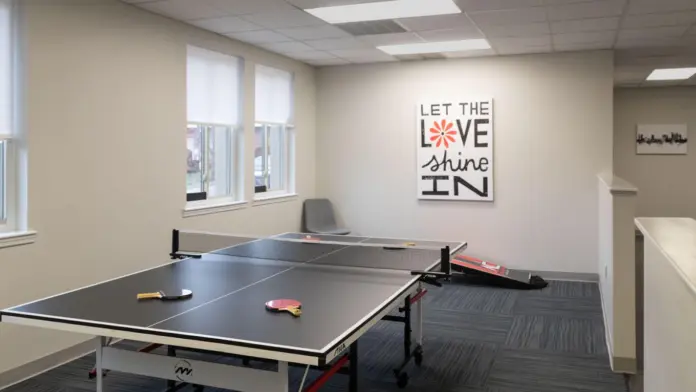

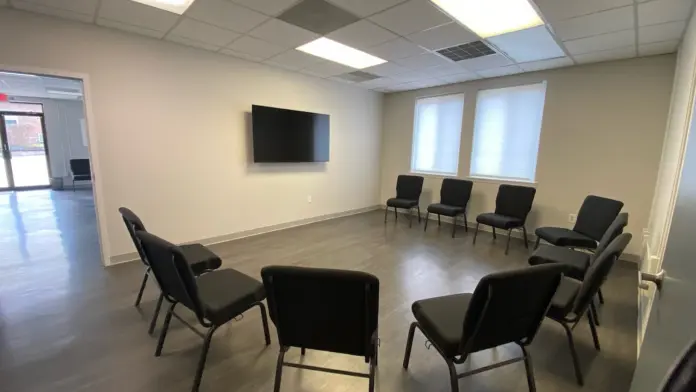
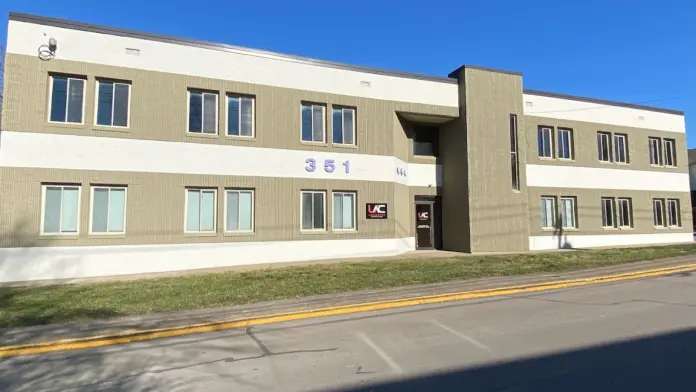
Accepted Insurance
Other Forms of Payment
Private insurance refers to any kind of healthcare coverage that isn't from the state or federal government. This includes individual and family plans offered by an employer or purchased from the Insurance Marketplace. Every plan will have different requirements and out of pocket costs so be sure to get the full details before you start treatment.
Self-pay involves paying for treatment out of your own pocket. You can use savings or credit, get a personal loan, or receive help from family and friends to fund your treatment. If you don't have insurance or your insurance plan doesn't cover a specific program, self-pay can help ensure you still get the care you need.
Financial aid can take many forms. Centers may have grants or scholarships available to clients who meet eligibility requirements. Programs that receive SAMHSA grants may have financial aid available for those who need treatment as well. Grants and scholarships can help you pai for treatment without having to repay.
Medicare is a federal program that provides health insurance for those 65 and older. It also serves people under 65 with chronic and disabling health challenges. To use Medicare for addiction treatment you need to find a program that accepts Medicare and is in network with your plan. Out of pocket costs and preauthorization requirements vary, so always check with your provider.
Addiction Treatments
Levels of Care
Lexington Addiction Center coordinates medically supervised detox for clients who require safe withdrawal management prior to beginning PHP or IOP programming, with clinical assessment guiding appropriate placement.
The PHP at Lexington Addiction Center provides 30 days of intensive daily programming, offering a structured therapeutic schedule while allowing clients to remain connected to home and community life.
The IOP delivers several hours of group and individual therapy each week, supporting clients who need continued clinical structure after PHP while reintegrating into work, school, or family responsibilities.
Standard outpatient programming provides ongoing weekly therapy and case management support for adults maintaining recovery momentum after completing higher levels of care in Lexington, Kentucky.
Relapse prevention planning, recovery referrals, and alumni support help clients maintain long-term sobriety and ongoing engagement with community resources after completing active treatment.
Virtual PHP and IOP sessions are available, providing remote access to structured outpatient programming for clients across Fayette County and surrounding central Kentucky communities who prefer or require telehealth options.
Treatments
Individualized treatment addresses alcohol use disorder through evidence-based therapy, medication-assisted treatment options, and structured PHP and IOP programming within Lexington Addiction Center's outpatient continuum.
Comprehensive outpatient programming covers assessment, individualized treatment planning, and evidence-based therapies for adults seeking recovery from a wide range of substance dependencies in Lexington, Kentucky.
MAT is available for opioid use disorder, pairing FDA-approved medications with behavioral therapy through PHP and IOP to reduce cravings, manage withdrawal, and support sustained recovery.
A multidisciplinary clinical team delivers structured outpatient treatment for substance use disorders, using individualized care plans that incorporate holistic and evidence-based approaches for the whole person.
Co-occurring conditions including anxiety, depression, PTSD, trauma, and bipolar disorder are treated alongside substance use within Lexington Addiction Center's integrated dual diagnosis programming across PHP and IOP.
Clinicians address mental health and substance use concurrently, using integrated evidence-based therapies to stabilize mood, manage psychiatric symptoms, and support lasting behavioral change in recovery.
Programs
Adults 18 and older receive individualized assessments and tailored care plans across PHP, IOP, outpatient, and telehealth programming at Lexington Addiction Center's Burley Avenue facility.
Male clients access gender-responsive clinical care across all levels of outpatient treatment, with individualized programming addressing the specific factors contributing to substance use and mental health challenges.
Female clients receive individualized outpatient treatment that incorporates trauma-informed care principles, addressing substance use and co-occurring mental health conditions within a clinically supportive environment.
Clinical Services
CBT is a core therapeutic modality, helping clients identify negative thought patterns driving substance use and develop practical coping skills used throughout PHP, IOP, and individual therapy sessions.
DBT skills training supports emotional regulation, distress tolerance, and interpersonal effectiveness, addressing the emotional vulnerabilities that can contribute to substance use and relapse.
One-on-one sessions with licensed clinicians allow clients to explore personal history, work through trauma, and develop recovery strategies tailored to their specific circumstances and goals.
Daily group sessions within PHP and IOP cover relapse prevention, coping strategies, and psychoeducation, providing peer accountability and clinical support throughout the recovery process.
Family counseling involves loved ones in the treatment process, improving communication, addressing enabling patterns, and building a home environment that supports ongoing sobriety following treatment.
Trauma-informed treatment approaches address the underlying trauma often associated with substance use disorders, using evidence-based therapies to help clients safely process and reduce trauma's impact on recovery.
Clinicians apply motivational interviewing throughout treatment to strengthen clients' internal motivation for change, resolve ambivalence, and sustain engagement across all levels of outpatient programming.
Holistic programming incorporating yoga, meditation, and recreational activities supports overall wellness, stress management, and the development of healthy coping habits alongside clinical treatment at Lexington Addiction Center.
Amenities
-
 Gym
Gym -
 Yoga Studio
 -
 Residential Setting
 -
 Private Rooms
 -
 Meditation Room
Staff & Accreditations
Staff
Zack Bowden
Executive Director
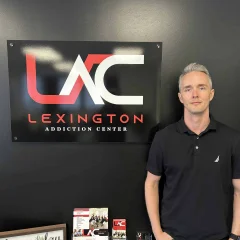
Josh Sprung
Clinical Director
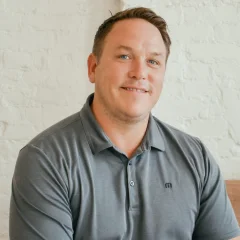
Keith Riley
Director of Business Development

Hannah Maki
Psychiatric Nurse Practitioner
Accreditations

The Commission on Accreditation of Rehabilitation Facilities (CARF) is a non-profit organization that specifically accredits rehab organizations. Founded in 1966, CARF's, mission is to help service providers like rehab facilities maintain high standards of care.
CARF Accreditation: Yes

The Joint Commission, formerly known as JCAHO, is a nonprofit organization that accredits rehab organizations and programs. Founded in 1951, the Joint Commision's mission is to improve the quality of patient care and demonstrating the quality of patient care.
Joint Commission Accreditation: Yes

LegitScript has reviewed Lexington Addiction Center as part of their certification program, and has determined that it meets the LegitScript standards for legality, safety and transparency.
LegitScript verified in

State Licenses are permits issued by government agencies that allow rehab organizations to conduct business legally within a certain geographical area. Typically, the kind of program a rehab facility offers, along with its physical location, determines which licenses are required to operate legally.
State License: Kentucky
Rehab.com regularly reviews this listing for accuracy but changes may occur between updates. For the most up-to-date information, please contact Lexington Addiction Center.
Contact Information


351 Burley Ave
Lexington, KY 40503
Sponsored Helpline


