
 (629) 201-7495


























































































 Visit Website
  6
6 About Tulip Hill Recovery
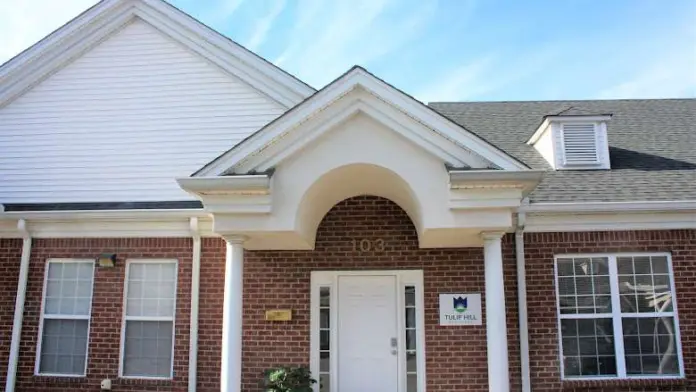
Tulip Hill Recovery is a clinically driven addiction treatment center in Murfreesboro, Tennessee, offering partial hospitalization, intensive outpatient, and sober living services for adults and young adults seeking lasting recovery from substance use disorders and co-occurring mental health conditions. The center holds CARF, Joint Commission, LegitScript, and State of Tennessee accreditations.
Evidence-Based Treatment Programs
Tulip Hill Recovery provides individualized treatment plans built on evidence-based modalities including cognitive behavioral therapy (CBT), dialectical behavior therapy (DBT), eye movement desensitization and reprocessing (EMDR), trauma-informed care, and relapse prevention. Every client receives an initial assessment and a care plan tailored to their specific needs, history, and recovery goals.
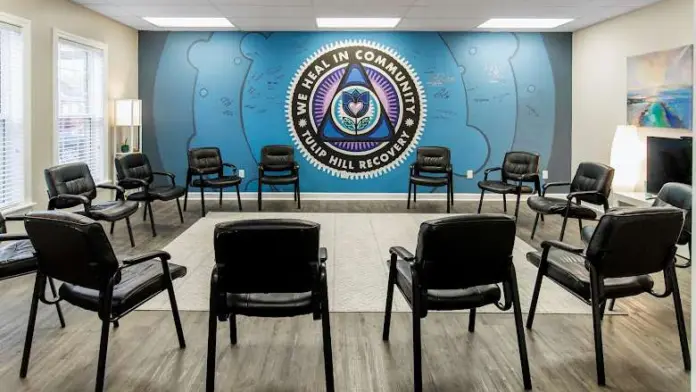
Group therapy, individual counseling, family therapy, recreational therapy, and case management are integrated throughout each level of care. The clinical team addresses both substance use and any underlying mental health conditions simultaneously through a dual diagnosis treatment approach.
Levels of Care and Sober Living
The partial hospitalization program at Tulip Hill Recovery offers 25 to 30 or more hours of structured treatment per week, suitable for people in early recovery or those stepping down from inpatient care. The intensive outpatient program (IOP) provides flexibility for clients managing work, school, or family obligations while continuing daily clinical support.
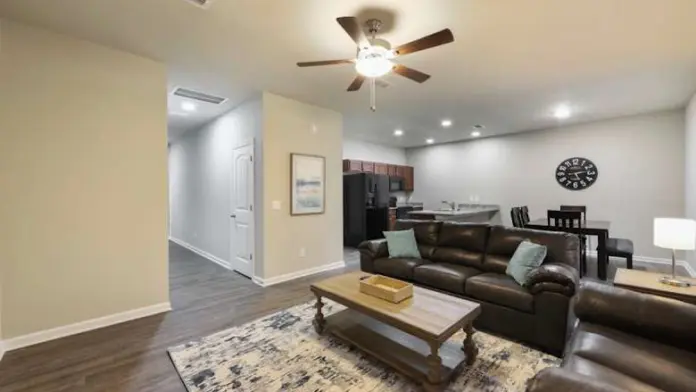
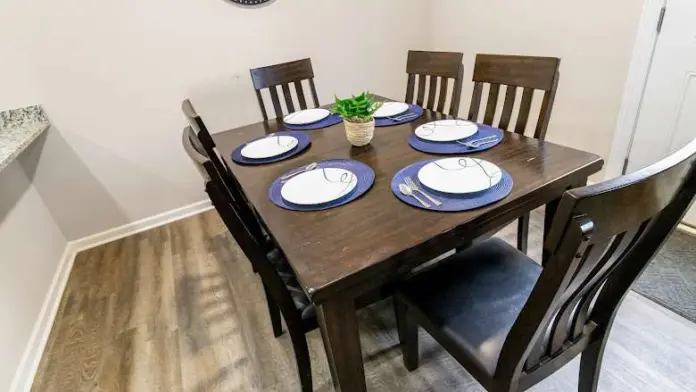
Sober living accommodations are available for clients who benefit from a structured, accountable housing environment during or after treatment. Facility amenities include a gym, yoga studio, private rooms, hiking trails, and mountain views that support whole-person recovery.
Location and Insurance
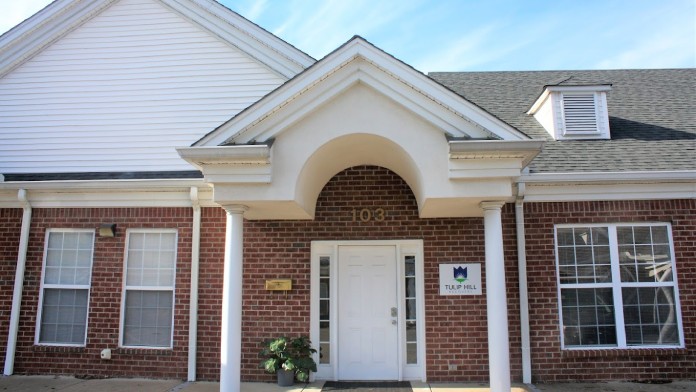
Tulip Hill Recovery is located at 1800 S Rutherford Blvd in Murfreesboro, Tennessee, serving individuals across Rutherford County and greater Middle Tennessee. For those seeking addiction treatment in Murfreesboro, the center accepts most major private insurance plans, including Anthem, Blue Cross Blue Shield, and Aetna, along with military insurance benefits. Free insurance verification is available around the clock.
Latest Reviews
See All
We're especially grateful for your recognition of Tosha, Asia, Shae, Billy, and our nursing team. Their dedication to providing compassionate care, honest guidance, and individualized support is at the heart of what we do. We're glad Billy's approach helped you uncover the root causes of your addiction while holding you accountable in a supportive way, and that our nursing team helped you feel cared for throughout the detox process.
Through rehab in Murfreesboro and detox in Murfreesboro, Tulip Hill Recovery is proud to support programs like Serenity Ranch Recovery, providing compassionate addiction treatment and comprehensive alcohol and drug rehab focused on helping individuals build lasting recovery and healthier futures.
Thank you again for your trust, kind words, and recommendation. We wish you continued strength, healing, and success as you move forward in recovery.
--- Tulip Hill Recovery team

We’re grateful to know that you left feeling satisfied with your experience and confident enough to recommend our program to others. Our goal is to provide the support, tools, and guidance needed to help individuals create lasting change and build a brighter future.
Through rehab in Murfreesboro and detox in Murfreesboro, we’re committed to providing compassionate addiction treatment and comprehensive alcohol and drug rehab in an environment where healing and personal growth can thrive.
Thank you again for your trust, recommendation, and kind words. We wish you continued strength, happiness, and success on your journey ahead.
--- Tulip Hill Recovery team

Helping individuals create meaningful, lasting change is at the heart of everything we do, and we’re grateful to know that the care and support provided here have made a difference in your community. Through rehab in Murfreesboro and detox in Murfreesboro, we’re committed to delivering compassionate addiction treatment and comprehensive alcohol and drug rehab that helps people build healthier, more fulfilling futures.
Thank you again for your support and kind words. We’re honored to be part of so many recovery journeys and grateful for your recommendation.
--- Tulip Hill Recovery team

Rehab Score
 Our Methodology


Gallery

Accepted Insurance

Other Forms of Payment
Private insurance refers to any kind of healthcare coverage that isn't from the state or federal government. This includes individual and family plans offered by an employer or purchased from the Insurance Marketplace. Every plan will have different requirements and out of pocket costs so be sure to get the full details before you start treatment.
Self-pay involves paying for treatment out of your own pocket. You can use savings or credit, get a personal loan, or receive help from family and friends to fund your treatment. If you don't have insurance or your insurance plan doesn't cover a specific program, self-pay can help ensure you still get the care you need.
Financial aid can take many forms. Centers may have grants or scholarships available to clients who meet eligibility requirements. Programs that receive SAMHSA grants may have financial aid available for those who need treatment as well. Grants and scholarships can help you pai for treatment without having to repay.
Military members, veterans, and eligible dependents have access to specific insurance programs that help them get the care they need. TRICARE and VA insurance can help you access low cost or no cost addiction and mental health treatment. Programs that accept military insurance often have targeted treatment focused on the unique challenges military members, veterans, and their families face.
Addiction Treatments
Levels of Care
Tulip Hill Recovery's PHP delivers 25 to 30 hours of structured weekly treatment combining individual counseling, group therapy, and evidence-based modalities for adults in early recovery or stepping down from inpatient care.
The IOP provides flexible daily programming with group and individual therapy sessions, supporting clients who need consistent clinical structure while maintaining work, school, or family commitments in Murfreesboro.
Standard outpatient services offer ongoing counseling and therapeutic support for adults who have completed higher levels of care and are building recovery skills in their daily lives.
Structured aftercare planning, relapse prevention resources, and community referrals help clients maintain sobriety and ongoing clinical connection after completing active programming at Tulip Hill Recovery.
Comfortable sober living in Murfreesboro provides peer accountability, daily structure, and access to PHP and IOP programming, with private rooms, mountain views, and recreational amenities on site.
Treatments
Individualized treatment plans address alcohol use disorder through evidence-based therapies, relapse prevention strategies, and structured daily programming designed to help adults achieve and sustain long-term sobriety.
Clinicians assess each person's substance use history and build personalized treatment plans addressing the physical, emotional, and psychological dimensions of drug addiction across all levels of outpatient care.
Medication-assisted treatment options are integrated with behavioral therapies to help adults manage opioid withdrawal, reduce cravings, and develop sustainable recovery skills throughout PHP and IOP programming.
A multidisciplinary clinical team addresses substance use disorders through individualized assessments and structured programming that targets root causes of addiction and supports lasting behavioral change.
Tulip Hill Recovery provides integrated care for adults managing substance use disorders alongside co-occurring mental health conditions, treating both simultaneously within the same outpatient treatment program.
The clinical team uses evidence-based modalities to address co-occurring mental health and substance use concerns together, helping clients stabilize mood, manage symptoms, and build durable recovery.
Programs
Adults 18 and older receive individualized care through PHP, IOP, and outpatient programming, with comprehensive clinical assessments guiding each person to the appropriate level of support.
Programming for young adults incorporates developmental considerations, peer connection, and life skills alongside evidence-based clinical care, addressing substance use and co-occurring mental health in this age group.
An affirming, inclusive treatment environment supports LGBTQ+ individuals across all levels of care, with identity-sensitive clinical approaches integrated throughout PHP, IOP, and outpatient programming.
Veterans, active-duty service members, and military families access PHP and IOP services with military insurance accepted and clinical support for service-connected substance use and co-occurring mental health concerns.
Clinical Services
CBT helps clients identify and reshape negative thought patterns driving substance use, building practical coping skills applied during individual sessions and group therapy across all levels of care.
DBT skills including distress tolerance, emotional regulation, and mindfulness are incorporated into group and individual therapy to help clients manage intense emotions that contribute to addictive patterns.
EMDR helps clients process traumatic memories tied to substance use, reducing the emotional impact of past experiences that may be sustaining addictive cycles during recovery.
Family sessions involve loved ones in the recovery process, addressing communication patterns and relationship dynamics to build a supportive home environment that reinforces progress made during treatment.
Facilitated peer groups cover relapse prevention, coping strategies, and emotional regulation, providing shared accountability and community throughout PHP, IOP, and outpatient programming.
One-on-one sessions with licensed clinicians allow clients to explore personal challenges, process trauma, and develop individualized recovery strategies aligned with their specific goals and treatment history.
Hiking, gym access, and yoga support physical wellness and stress management, reinforcing healthy lifestyle habits as part of the center's whole-person approach to addiction treatment in Murfreesboro.
Trauma-informed care addresses the connection between unresolved trauma and substance use, using evidence-based approaches to help clients process experiences safely and reduce trauma's influence on addictive behavior.
Clinicians use motivational interviewing to strengthen clients' personal commitment to change, resolve ambivalence about recovery, and build the intrinsic motivation needed to engage fully in treatment.
Amenities
-
 Private Transportation
 -
 Gym
Gym -
 Yoga Studio
 -
 Wifi
Wifi -
 Residential Setting
 -
 Private Rooms
 -
 Hiking
 -
 Mountain Views
 -
 Walking Trails
Staff & Accreditations
Staff
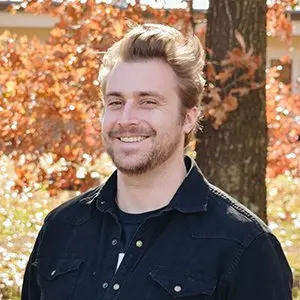
Riley Curry
Executive Director
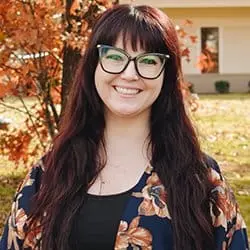
Casey Hillis, LPC-MHSP, NCC
Clinical Director
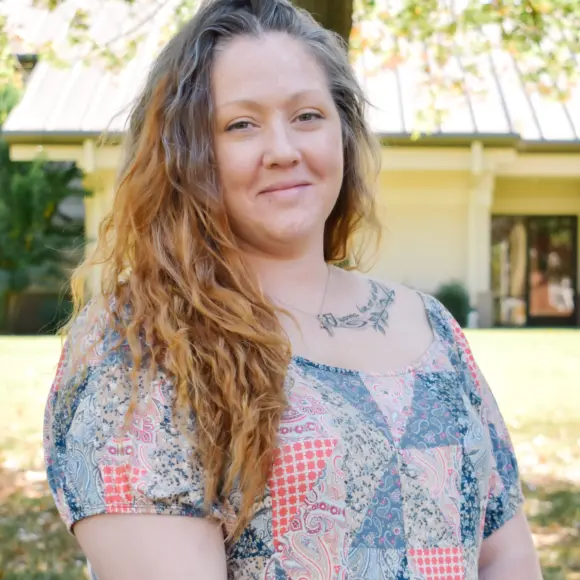
Amy Brawner
Case Manager
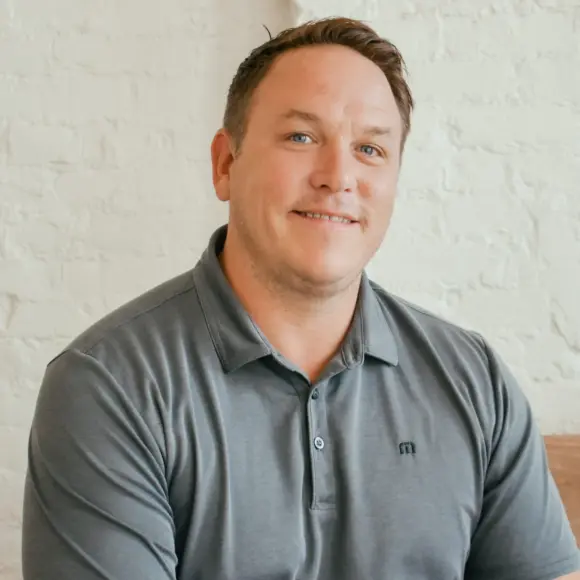
Keith Riley
Director of Business Development
Accreditations

The Commission on Accreditation of Rehabilitation Facilities (CARF) is a non-profit organization that specifically accredits rehab organizations. Founded in 1966, CARF's, mission is to help service providers like rehab facilities maintain high standards of care.
CARF Accreditation: Yes

LegitScript has reviewed Tulip Hill Recovery as part of their certification program, and has determined that it meets the LegitScript standards for legality, safety and transparency.
LegitScript verified in

State Licenses are permits issued by government agencies that allow rehab organizations to conduct business legally within a certain geographical area. Typically, the kind of program a rehab facility offers, along with its physical location, determines which licenses are required to operate legally.
State License: Tennessee

The Joint Commission, formerly known as JCAHO, is a nonprofit organization that accredits rehab organizations and programs. Founded in 1951, the Joint Commision's mission is to improve the quality of patient care and demonstrating the quality of patient care.
Joint Commission Accreditation: Yes



 View Website