For individuals researching rehab options, this federal investment signals potential growth in integrated care models that address housing, employment and clinical treatment simultaneously. It’s an approach that could reshape how rehab centers serve vulnerable populations.
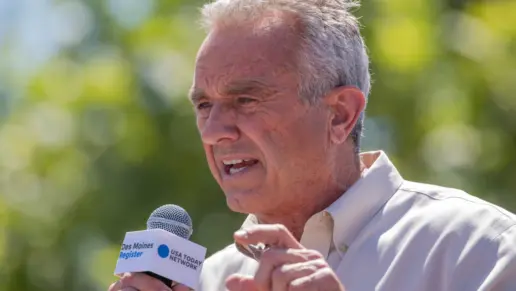
Health Secretary Robert F. Kennedy Jr. announced the STREETS (Safety Through Recovery, Engagement and Evidence Based Treatment and Supports) initiative on February 2, 2026, at the Substance Abuse and Mental Health Services Administration’s annual Prevention Day event. The program will launch in eight communities not yet specified by the administration.
New Federal Funding Expands Treatment Options
The STREETS program aims to create integrated care systems combining mental health therapy, substance abuse services, housing assistance and employment support.
According to the Associated Press, this builds on President Donald Trump’s executive order signed last week establishing the Great American Recovery Initiative to better coordinate federal resources addressing the addiction crisis.
In addition to this addiction treatment funding, HHS announced two policy changes affecting addiction treatment access. Faith-based organizations will now be eligible for federal addiction-related grants, broadening the network of providers who can receive SAMHSA funding.
The department will also expand states’ flexibility to use federal health funding for substance abuse treatment in certain situations involving children, though specifics on eligibility criteria have not been released.
Treatment Provider Landscape Faces Uncertainty
While the new funding represents a significant federal investment in drug rehab infrastructure, treatment providers nationwide are navigating an uncertain policy environment.
The Associated Press reports that approximately one-third of SAMHSA’s 900 employees have been laid off over the past year.
The agency recently experienced what providers described as a whiplash-inducing reversal when the administration briefly eliminated then abruptly restored $2 billion in grant funding for substance abuse and mental health programs last month.
Regina LaBelle, director of the Center on Addiction and Public Policy at Georgetown Law’s O’Neill Institute, told the AP that advocates and providers don’t feel they can plan for the future because the administration has created an environment of uncertainty.
LaBelle noted that while integrated care models are widely supported by addiction professionals, “the devil’s in the details.”
She raised questions about which cities will receive funding, how the program will be implemented and whether resources might be redirected from existing programs that have successfully reduced overdose deaths.
Overdose Deaths Decline, But Progress Slowing
The funding announcement comes amid encouraging national trends in overdose mortality.
According to federal data cited by the Associated Press, overdose deaths fell through most of 2025—representing what experts describe as a lasting improvement in an epidemic that worsened for decades. However, the data also showed the rate of decline was slowing. This context is critical for people researching treatment options.
The decline in overdose deaths reflects increased access to evidence-based interventions, including medication-assisted treatment (MAT), which combines FDA-approved medications like buprenorphine or methadone with counseling and behavioral therapies.
Integrated care models like STREETS aim to build on this progress by addressing social determinants that affect treatment outcomes, such as housing instability and unemployment.
Bipartisan Momentum on Addiction Policy
Later on February 2, Kennedy appeared at the launch of Action for Progress, a bipartisan initiative led by former Democratic Rep. Patrick Kennedy, now a partner at the national health consultancy Healthsperien.
Both Kennedy family members have shared publicly about their personal experiences with addiction. Robert F. Kennedy Jr. with heroin addiction, and Patrick Kennedy with alcoholism and drug addiction alongside bipolar disorder.
“When we go into recovery rooms we don’t think of ourselves as Democrats and Republicans,” Patrick Kennedy told the Associated Press.
The collaboration suggests potential for sustained federal attention to addiction policy despite political divisions.
What This Means for Treatment Seekers
For individuals and families researching rehab centers, these developments have several practical implications:
Expanded provider networks: Faith-based organizations’ new eligibility for federal grants may increase rehab options in communities where religious organizations already provide social services, though quality and evidence-based standards for these programs remain to be clarified.
Integrated care availability: If successfully implemented, the STREETS model could make comprehensive treatment more accessible for people facing multiple barriers to recovery, including those without stable housing or who need employment support alongside clinical care.
Policy volatility: Treatment seekers should verify current program availability and funding status directly with facilities, as recent federal policy reversals have created operational uncertainty for providers relying on government grants.
Exploring Treatment Options
When researching addiction treatment, consider these steps regardless of federal funding changes:
- Verify evidence-based approaches: Ask rehab centers about their use of medication-assisted treatment, cognitive-behavioral therapy, and other therapies with proven effectiveness for substance use disorders.
- Understand insurance coverage for rehab: Contact your insurance provider to confirm which levels of care are covered, including residential treatment, partial hospitalization programs (PHP), intensive outpatient programs (IOP) and standard outpatient services.
- Assess integrated services: If you’re facing housing instability, unemployment or co-occurring mental health conditions, ask whether facilities offer case management, housing assistance or vocational services as part of their programming.
- Check facility credentials: Verify that treatment providers are licensed by state authorities and accredited by organizations like The Joint Commission or CARF International.
Rehab.com’s directory includes thousands of verified treatment centers offering medical detox, residential treatment and outpatient programs. Call
800-985-8516
(  Sponsored Helpline )
to speak with a treatment advisor about rehab options that match your clinical needs and insurance coverage.
Sponsored Helpline )
to speak with a treatment advisor about rehab options that match your clinical needs and insurance coverage.