











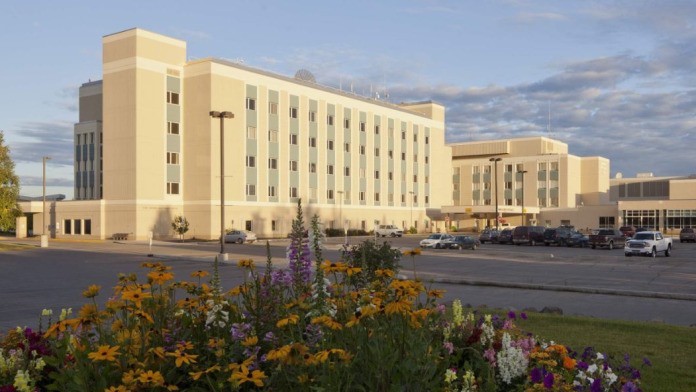
Copper River Native Association - Behavioral Health
Copper Center, Alaska



















































































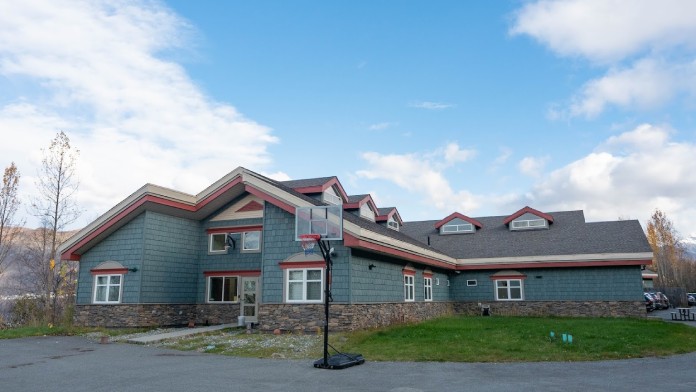
This program supports those with dual diagnosis or substance use disorder. Psychological testing, psychiatric services and counseling are provided. Clients will maintain their academic studies by participating in school on site. Nurse practitioners are available to support medical needs throughout the day and night. Clients focus on the benefits of individual therapy and group therapy, along with classes designed to cover a wide array of topics related to addiction and recovery.
This is a day treatment program where clients work on recovery skills designed to help them maintain a substance-free life. School is not interrupted as they are taught by teachers on-site to maintain their academic momentum. Clients focus on school relationships, family, and the community, along with the betterment of their mental health.
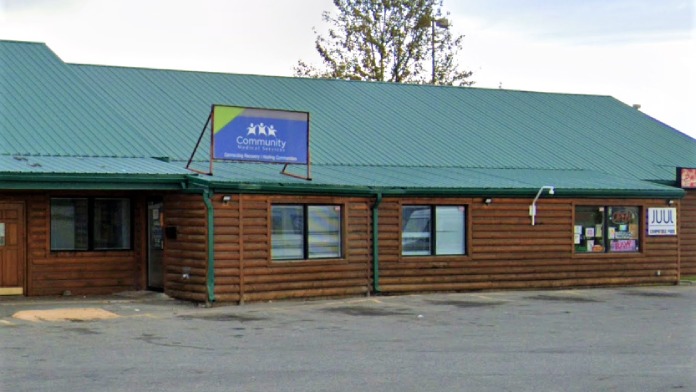
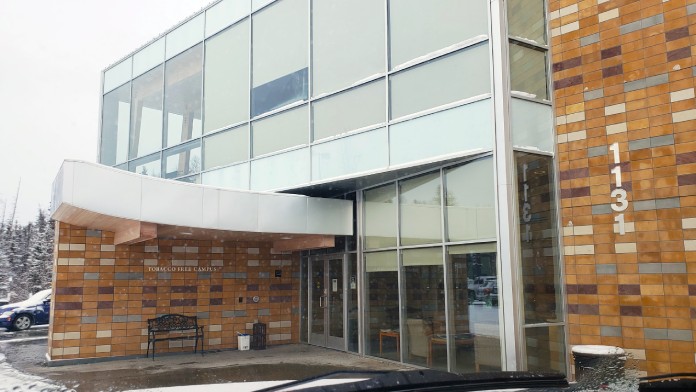

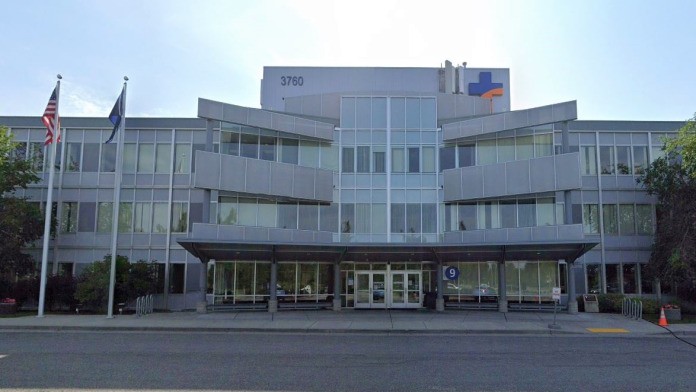
 18
18 
 Our Methodology


Private insurance refers to any kind of healthcare coverage that isn't from the state or federal government. This includes individual and family plans offered by an employer or purchased from the Insurance Marketplace. Every plan will have different requirements and out of pocket costs so be sure to get the full details before you start treatment.
Self-pay involves paying for treatment out of your own pocket. You can use savings or credit, get a personal loan, or receive help from family and friends to fund your treatment. If you don't have insurance or your insurance plan doesn't cover a specific program, self-pay can help ensure you still get the care you need.
Financial aid can take many forms. Centers may have grants or scholarships available to clients who meet eligibility requirements. Programs that receive SAMHSA grants may have financial aid available for those who need treatment as well. Grants and scholarships can help you pai for treatment without having to repay.
Sliding scale payments are based on a client's income and family size. The goal is to make treatment affordable to everyone. By taking these factors into account, addiction recovery care providers help ensure that your treatment does not become a financial burden to you or your family, eliminating one barrier to care.
Medicaid is a state based program that helps lower-income individuals and families pay for healthcare. Medicaid covers addiction treatment so those enrolled can use their coverage to pay for rehab. When a program accepts Medicaid the client often pays very little or nothing out of their own pocket.
Medicare is a federal program that provides health insurance for those 65 and older. It also serves people under 65 with chronic and disabling health challenges. To use Medicare for addiction treatment you need to find a program that accepts Medicare and is in network with your plan. Out of pocket costs and preauthorization requirements vary, so always check with your provider.
Clients engaged in an outpatient rehab program receive regular therapeutic care while continuing to live at home. Outpatient care is designed for clients in more advanced stages of recovery who no longer require intensive supervision. Many clients in outpatient treatment continue to work or attend school, while receiving counseling and education during the evening, night, or weekend. Levels of care vary based on clients' needs, ranging from partial hospitalization (PHP) and intensive outpatient (IOP) to standard outpatient programming.
Residential treatment programs are those that offer housing and meals in addition to substance abuse treatment. Rehab facilities that offer residential treatment allow patients to focus solely on recovery, in an environment totally separate from their lives. Some rehab centers specialize in short-term residential treatment (a few days to a week or two), while others solely provide treatment on a long-term basis (several weeks to months). Some offer both, and tailor treatment to the patient's individual requirements.
Clients engaged in intensive outpatient programs (IOP) receive between nine and 20 hours of outpatient treatment per week. Intensive outpatient drug rehabs offer a wide variety of services, including medication assisted treatment (MAT), individual, group, and family counseling, and evidence-based complementary care, such as acupuncture, massage, and meditation. The intensity and frequency of treatment generally decreases as clients progress in their recovery. Clients often transition into IOP from inpatient rehab but may choose IOP instead of inpatient treatment.
Clients engaged in a rehab aftercare program receive robust wraparound care designed to evolve with the clients' changing needs. The client's case manager, healthcare providers, and addiction recovery team partner with the client to develop a rehab aftercare plan that supports the client's long-term recovery and meets their unique goals. Drug rehab aftercare often encompasses a wide variety of services, such as peer coaching, career counseling, and 12 step program induction.
Group meetings, peer sponsorship, and spiritual development are the primary treatment modalities in 12 step programs, often considered a gold standard in addiction recovery. These programs emphasize healing in body, mind, and spirit as a cornerstone of recovery, though participants do not need to be religiously affiliated to attend. Recovery meetings are free, anonymous, open to the public, and available 365 days per year in communities across the US and around the world.
For individuals in recovery, a sober living home in Alaska can provide a good transition place between inpatient treatment and home. These structured, substance-free environments give individuals a safe place to practice and reinforce the lessons they learned in rehab before they try to re-enter their lives. Residents must abide by halfway house rules such as contributing to chores, working or going to school, and remaining substance-free.
When someone performs a drug intervention in Alaska, the event is a time where loved ones gather and attempt to convince their family member or friend that they need treatment for substance abuse. Participants share their feelings that the person has become a danger to themselves and others and has reached a point where they need professional treatment. To guide them through this process, professional intervention services are often necessary.
The partial hospitalization program (PHP) provides intensive care for those who don't require 24-hour care and can serve as a step down from residential programming. PHP treatments typically include behavioral therapies, relapse prevention, and medication management. individual therapy, group counseling, family involvement, educational sessions, and skill-building activities. PHP treatment is often covered by insurance and typically requires a weekly minimum of 20 hours. Depending on your needs, the duration of a partial hospitalization program can last for 90 days.
At certain points in the recovery process, it's important to have support available 24/7. 24-hour clinical care offers a safe environment in which to recover from drug or alcohol addiction in peace, knowing medical detox and other treatment will happen with professionals on hand.
The process of ridding your body of addictive substances under the 24/7 medical supervision is known and medically assisted detox. In an inpatient setting, a team of licensed medical professionals may include doctors, nurses, therapists, and clinical experts. The team will monitor the physical effects of withdrawal and help keep you as safe and comfortable as possible throughout the process.
The goal of treatment for alcoholism is abstinence. Those with poor social support, poor motivation, or psychiatric disorders tend to relapse within a few years of treatment. For these people, success is measured by longer periods of abstinence, reduced use of alcohol, better health, and improved social functioning. Recovery and Maintenance are usually based on 12 step programs and AA meetings.
During drug rehab in Alaska, you'll receive a combination of medical and psychotherapeutic treatments that are designed to treat drug dependency. The goal of drug rehab is to break this dependency and help you develop the skills to maintain a drug-free life.
Many of those suffering from addiction also suffer from mental or emotional illnesses like schizophrenia, bipolar disorder, depression, or anxiety disorders. Rehab and other substance abuse facilities treating those with a dual diagnosis or co-occurring disorder administer psychiatric treatment to address the person's mental health issue in addition to drug and alcohol rehabilitation.
Opioid rehabs specialize in supporting those recovering from opioid addiction. They treat those suffering from addiction to illegal opioids like heroin, as well as prescription drugs like oxycodone. These centers typically combine both physical as well as mental and emotional support to help stop addiction. Physical support often includes medical detox and subsequent medical support (including medication), and mental support includes in-depth therapy to address the underlying causes of addiction.
Substance rehabs focus on helping individuals recover from substance abuse, including alcohol and drug addiction (both illegal and prescription drugs). They often include the opportunity to engage in both individual as well as group therapy.
Young adulthood can be an exciting, yet difficult, time of transition. Individuals in their late teens to mid-20s face unique stressors related to school, jobs, families, and social circles, which can lead to a rise in substance use. Rehab centers with dedicated young adult programs will include activities and amenities that cater to this age group, with an emphasis on specialized counseling, peer socialization, and ongoing aftercare.
Recovery is most successful when clients feel accepted and validated by their peers and treatment providers. Facilities that offer LGBTQ-inclusive programming are committed to creating a safe space where everyone can grow and recover without fear of judgment or discrimination. They will have dedicated policies in place to create a safe and supportive environment that fosters free expression.
Cognitive behavioral therapy in Alaska is often used in the treatment of substance abuse and co occurring mental health disorders. This method of talk therapy is one of the most effective methods of treating these disorders.
Based on cognitive behavioral therapy (CBT), dialectical behavior therapy (DBT) offers some of the same techniques as CBT but is adapted for individuals who are experiencing intense emotions. It helps the individual understand their emotions and change unhealthy behaviors.
Group therapy is any therapeutic work that happens in a group (not one-on-one). There are a number of different group therapy modalities, including support groups, experiential therapy, psycho-education, and more. Group therapy involves treatment as well as processing interaction between group members.
In individual therapy, a patient meets one-on-one with a trained psychologist or counselor. Therapy is a pivotal part of effective substance abuse treatment, as it often covers root causes of addiction, including challenges faced by the patient in their social, family, and work/school life.
Basic techniques for motivational interviewing include open ended questions and reflective listening. The therapist helps you come to your own conclusions about making changes in your life without coercion or judgment.
Trauma therapy addresses traumatic incidents from a client's past that are likely affecting their present-day experience. Trauma is often one of the primary triggers and potential causes of addiction, and can stem from child sexual abuse, domestic violence, having a parent with a mental illness, losing one or both parents at a young age, teenage or adult sexual assault, or any number of other factors. The purpose of trauma therapy is to allow a patient to process trauma and move through and past it, with the help of trained and compassionate mental health professionals.
 Eye Movement Desensitization And Reprocessing
Research clearly demonstrates that recovery is far more successful and sustainable when loved ones like family members participate in rehab and substance abuse treatment. Genetic factors may be at play when it comes to drug and alcohol addiction, as well as mental health issues. Family dynamics often play a critical role in addiction triggers, and if properly educated, family members can be a strong source of support when it comes to rehabilitation.
Life skills trainings involve all the skills a person must have in order to function successfully in the world. These include time management, career guidance, money management, and effective communication. Truly successful addiction recovery is based on the ability to not only live substance-free, but to thrive. Life skills teaches the practical necessities of functioning in society, which sets clients up for success in life, and therefore sobriety.
Nutrition therapy, aka medical nutrition therapy (MNT), is a way of treating physical, emotional, and medical conditions through diet. Specific dietary plans are designed by professional nutritionists or registered dietitians, and patients follow them in order to positively affect their physical and mental health.
Recreational therapy helps people who are recovering from addiction engage in structured activities that raise their self esteem and resilience. These activities could include hiking, team sports, and creative arts. They help divert focus away from substance use while improving your physical fitness. This provides a constructive outlet for stress and emotions.
A combination of nicotine replacement therapy (NRT), counseling, and peer support can be a good way to break free from smoking. The NRT treats your physical symptoms so you can focus on addressing any emotional or mental addiction.
 Residential Setting
  Private Rooms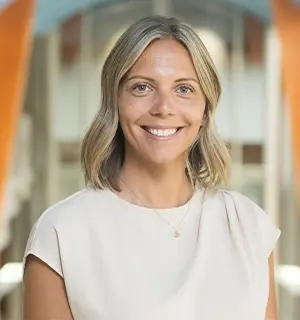
President
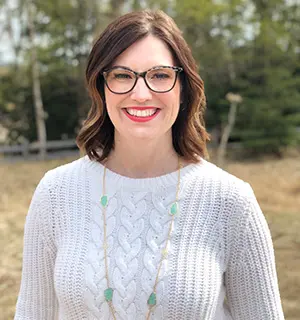
Clinical Development Director
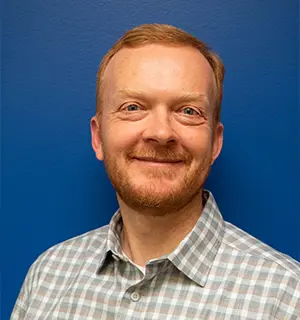
Administrative Operations Manager
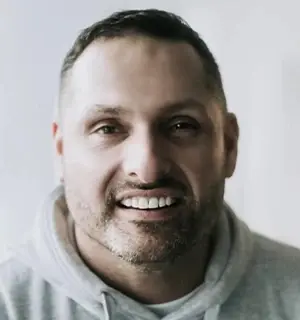
Program Director, Integrated Services

The Commission on Accreditation of Rehabilitation Facilities (CARF) is a non-profit organization that specifically accredits rehab organizations. Founded in 1966, CARF's, mission is to help service providers like rehab facilities maintain high standards of care.
CARF Accreditation: Yes

State Licenses are permits issued by government agencies that allow rehab organizations to conduct business legally within a certain geographical area. Typically, the kind of program a rehab facility offers, along with its physical location, determines which licenses are required to operate legally.
State License: Alaska
Rehab.com regularly reviews this listing for accuracy but changes may occur between updates. For the most up-to-date information, please contact VOA Alaska Adolescent Residential Center for Help (ARCH).

8012 Stewart Mountain Dr
Eagle River, AK 99577
Sponsored Helpline


Some of the staff were okay, I trusted them to pack my clothes and valuables and to get everything of mine back but I only got one pair of clothes. The one thing I really want back is my moms ring because she passed away so it’s very sentimental to me…

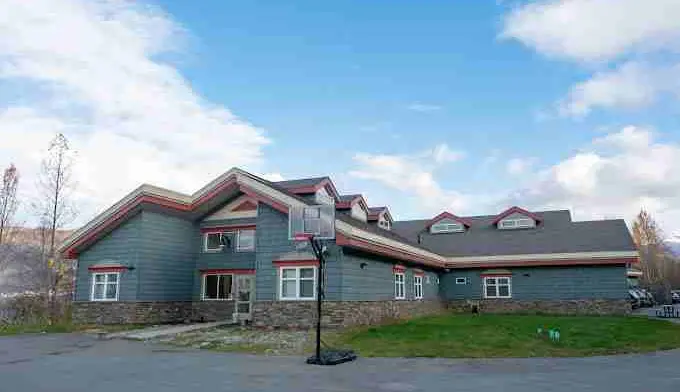
I love this program I believe that its helping my son in so many ways he is learning to be a kid again while learning life skills the staff is great and kind. and the facility is beautiful. thank you VOA team

 Back
Back
Sharing your insights and experiences can help others learn more about this rehab center.

 Written By: Nadia El-Yaouti
M. Ed.
Written By: Nadia El-Yaouti
M. Ed.


