8 Min Read
Alcohol detox foods and diet can play a beneficial role in your recovery. By understanding what your body experiences during detox, you can act by providing your body with nutritional balance that may ease your symptoms and help the healing process. Learn which foods and drinks to consume and which to avoid to support your overall treatment plan.
Key Facts
- During alcohol detox, the body can experience mild, moderate or severe withdrawal symptoms.
- However, you can improve the symptoms with a nutrient rich diet.
- Core nutrients come from natural sources, like fruits, vegetables, proteins, fermented foods and healthy fats.
- Many sources of fluids can help you stay hydrated and balance electrolytes during alcohol detox.
- Even in early recovery, you can benefit from eating the right foods and avoiding the wrong ones.
Alcohol Detox Foods and Diet
To understand alcohol detox foods and diet, it’s essential to learn what happens in your body during alcohol detox. This will help you avoid any adverse complications.
What’s Happening in Your Body During Alcohol Detox
Alcohol detox begins when you take your last drink and refers to the period of withdrawal that follows as the brain and body adjust to the absence of alcohol.
During this period, many changes occur in your body, causing symptoms that make it hard to desire or tolerate food, such as:
- Nausea
- Vomiting
- Diarrhea
- Insomnia
- Anxiety
Without a diet that supports detox, you may experience electrolyte imbalances, dehydration, blood sugar changes and digestive problems. You may also face hepatic dysfunction or liver problems as your body tries to eliminate toxins.
Call A Treatment Provider
For a conversation about what treatment options are available to you.
Make a Call
 800-985-8516
 Sponsored Helpline
How an Alcohol Detox Diet Supports Withdrawal and Early Recovery
Adequate nutrition during alcohol detox may reduce the severity of withdrawal symptoms. You may experience fewer withdrawal complications, including a more stable mood, increased energy, reduced cravings and improved appetite.
However, if you have moderate to severe alcohol withdrawal symptoms, medical supervision is recommended. Medical staff will introduce detox foods to support a comprehensive treatment plan that may include medications and monitoring.
Core Nutrients to Focus on During Alcohol Detox
Your body will go through many changes during alcohol detox. Knowing the core nutrients to focus on will help you avoid uncomfortable symptoms such as dehydration and nutrient deficiencies.
Hydration, Electrolytes, and Steady Blood Sugar
Withdrawal symptoms, like nausea, vomiting and sweating, can cause dehydration, which can lead to further complications. To avoid dehydration, it is critical to drink the right types of fluids, like water, electrolyte drinks, clear or diluted fruit juices, coconut water or broth.
Your body needs complex carbohydrates to function correctly, and getting an appropriate amount during detox is crucial to recovery. Complex carbohydrates include oats, brown rice, sweet potatoes and whole grain toast. They can prevent hypoglycemia, reduce cravings, fight infections, repair organ damage and boost energy.
Alcohol misuse depletes the body of vitamins, potassium, magnesium and sodium, leading to electrolyte imbalances. However, you can replace those nutrients by eating foods like bananas, leafy greens, nuts, seeds and lightly salted soups.
Vitamins, Minerals, and Antioxidants for Repair
Alcohol misuse depletes the body of essential vitamins and minerals. Replacing them, beginning in alcohol detox, may improve your symptoms and help you heal. They can especially enhance energy and cognition.
Specific vitamins, minerals, and antioxidants to aid in repair during alcohol withdrawal include the following:
- Thiamine (B1)
- B-complex vitamins
- Folate
- Zinc
- Iron
- Calcium
- Vitamin D
Many supplements can provide the daily recommended dose of these vitamins and minerals; your doctor can recommend the best ones for your detox.
You can also get nutrients from specific foods. For example, antioxidant rich fruits and vegetables can help counter oxidative stress and support liver function. Alcohol damages the cells within your body, causing oxidative stress. Antioxidants can reverse and prevent future damage.
| Supplement | Purpose During Detox | Evidence Level | Notes |
|---|---|---|---|
| Thiamine (B1) | Prevents Wernicke-Korsakoff syndrome | Strong; standard of care | Routinely given during medically supervised detox, often before glucose |
| Folate (B9) | Corrects a deficiency common in heavy drinkers | Moderate | Frequently low in long-term drinkers |
| Magnesium | May reduce tremor severity and muscle cramping; corrects depletion | Moderate | Often depleted with chronic drinking |
| B-complex / multivitamin | Broad nutritional repletion | Moderate | Addresses multiple deficiencies common in AUD |
| Vitamin D | Corrects a common deficiency | Limited for withdrawal specifically | Many people with AUD are deficient |
| Milk thistle (silymarin) | Liver support | Mixed | Not a substitute for medical care |
| N-acetylcysteine (NAC) | Antioxidant; investigational craving support | Emerging | Not standard of care |
| Kudzu | Investigational; may reduce alcohol intake | Emerging | Limited human studies |
Supplements do not replace medical detox. Talk with a clinician before starting any new supplement, especially during early recovery.
Best Foods to Eat During Alcohol Detox

Eating junk food may be desirable during alcohol detox because you may crave sweets or carbs. However, junk food cannot give you the nutrition you need to recover.
Detox-Supportive Fruits, Vegetables, and Whole Grains
While detoxing from alcohol, your doctor may recommend eating hydrating produce to support fluid balance and gentle fiber intake. Examples include cucumbers, oranges, berries, watermelon, celery, bell peppers and peaches.
They may also recommend non irritating vegetables to replenish micronutrients without overloading the gut. Plants with vitamin superpowers include steamed carrots, squash, spinach and broccoli.
Whole grains and low glycemic carbs can provide steady energy and support serotonin. Try oats, quinoa, brown rice, and whole-grain bread.
Lean Proteins, Healthy Fats, and Gut-Healing Foods
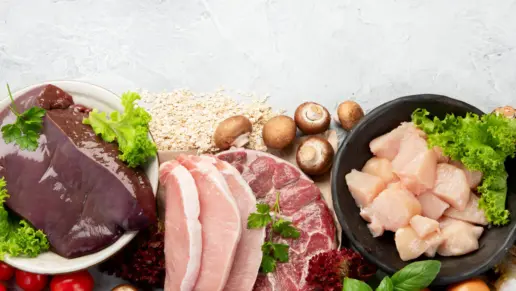
Easily digested proteins, like eggs, yogurt, cottage cheese, fish, poultry, tofu and lentils, help repair tissue and stabilize blood sugar during alcohol detox.
You can also benefit from healthy fats to support brain health and reduce inflammation, such as avocados, olive oils, nuts, seeds and omega-3-rich fish.
Fermented foods have been shown to positively impact the digestive system and heal the gut from the damage of alcohol misuse.
Gut-supporting foods include probiotic yogurt or kefir, sauerkraut or kimchi, fiber-rich plants and soothing bone broth, which aid gastrointestinal recovery.
Call A Treatment Provider
For a conversation about what treatment options are available to you.
Make a Call
800-985-8516Sponsored Helpline
Foods and Drinks to Avoid or Limit While Detoxing
Nutritious foods directly impact how the brain functions. Some foods and drinks can trigger the same neurotransmitters in the brain as alcohol and drugs, which may be a trigger, tempting you to drink again. It is essential to avoid certain foods while detoxing from alcohol.
Sugar, Processed Foods and Greasy Takeout
Refined or processed sugar and simple carbohydrates spike and crash blood sugar, worsening cravings and mood swings.
If you have a limited appetite and choose ultra processed foods, you won’t get the nutrients your body needs to heal. Additionally, highly processed, salty and fried foods strain the liver, worsen bloating and increase heartburn or nausea.
Caffeine, Energy Drinks, and Other Triggers
Caffeine is a nervous system stimulant and should be avoided during alcohol detox. Excess caffeine, like in coffee, sodas, energy drinks and even chocolate, can worsen anxiety, tremors, palpitations and sleep disruption.
Caffeine can also cause physical dependence, so to avoid withdrawal symptoms when you stop drinking it, gradually reduce the amount you consume over time rather than abrupt elimination.
Finally, avoid products or routines associated with drinking that may act as psychological triggers. If you enjoyed bar snacks while out drinking, avoid those snacks during alcohol detox.
Don’t go to late night restaurants that you would visit while drinking. Try to avoid any reminders of your drinking habits, so you are not tempted to relapse.
FAQs About Alcohol Detox Foods & Diet
No, only the liver and kidneys metabolize alcohol.
While foods can’t eliminate alcohol faster, the nutrition they provide can help the liver and kidneys heal and function better by reducing their workload.
Some of the best detox foods include fruits, vegetables, whole grains and lean proteins.
Before beginning a detox program, consult with a clinician or addiction specialist who can assess your risk of withdrawal symptoms and complications.
If you are at risk of moderate or severe withdrawal symptoms, it is best to have a medically supervised detox to avoid seizures, delirium tremens and other life-threatening consequences.
Both at home and medically supervised detox programs should include adjunctive care of nutritious food and fluids.
You will be given an individualized alcohol detox plan tailored to your specific dietary needs and medical conditions.
Coordinate with a professional who has experience in addiction medicine before beginning alcohol detox, especially if you need a special detox for diabetes, heart disease, kidney or liver disease, celiac or food allergies.
The first or acute phase of detox typically ranges from three to seven days. After that, you enter early recovery, which can last weeks to months.
Continuing a nutrient dense, whole food pattern will further support liver repair, improve mood, promote better sleep and prevent relapse.
Find Treatment Near You
If you are ready to start alcohol detox, check out the online directory at Rehab.com, where you can filter treatment programs by location, level of care, insurance and special programs.
Or if you are not sure where to start, call
800-985-8516
( Sponsored Helpline )
to speak to someone about your treatment options and see if your insurance will cover rehab.
Addiction Centers Nearby that Treat Alcoholism
Finding facilities near you…