8 Min Read
The fastest way to safely detox from alcohol is under medical supervision. Detoxing from alcohol can be dangerous and comes with unpleasant side effects that can be alleviated with medical intervention. This article will explain the impact that alcohol detox has on your body and explore options for fast and safe alcohol detox.
Key Facts
- Signs that you need medical help during alcohol detox include confusion, seizures, high blood pressure and chest pains.
- Alcohol detox takes about 7 days. Withdrawal symptoms peak around days 2-3.
- Staying hydrated and eating a balanced, nutritious diet will support you during detox.
- Detox is only the first step in recovery and is typically followed by rehab involving therapy and ongoing relapse prevention.
The process of detoxing from alcohol is a potentially dangerous undertaking. The fastest and safest option is a medically supervised detox.
Why is Medically Supervised Detox Usually the Fastest, Safest Option?
The quickest way to safely detox is not by doing it yourself at home. This could lead to complications that prolong your recovery.
Both inpatient and outpatient alcohol detox centers provide regular monitoring to ensure you stay safe and healthy. These centers can also offer medication to help reduce the risk of seizures, delirium tremens (DTs) and other complications.
Why Can’t You Hack or “Flush” Alcohol Out of Your System Instantly?
The liver metabolizes alcohol at a fixed rate, which means there is no way to instantly remove alcohol from your system or rapidly lower your blood alcohol level.
There is a difference between sobering up and proper alcohol detox. The symptoms you feel after consuming a large amount of alcohol at one time are called “hangover” symptoms.
Recovering from a hangover may produce unpleasant symptoms such as nausea, headache and dizziness.
This is different from detoxing. When you regularly drink alcohol in large amounts, your body becomes dependent on it, causing withdrawal symptoms when you stop drinking.
Some common myths claim that you can use “sobering” techniques to detox at home, such as taking a cold shower, drinking coffee or taking supplements.
These methods will not alleviate withdrawal symptoms and cannot prevent the risk of developing serious health risks while detoxing.
Is Rapid Alcohol Detox Safe for You? Know Your Risk Level
If you are wondering whether going through a fast detox is safe for you, there are some things to consider.
If you have experienced prior withdrawal seizures or delirium tremens, have a history of consuming large amounts of alcohol daily, have a serious medical or psychiatric condition or if you are pregnant, a rapid at home detox is not for you.
If you decide you want to try a rapid detox at home, there are red flag symptoms that you should be aware of, such as:
- Confusion
- Hallucinations
- Seizures
- Uncontrolled vomiting
- Chest pain
- Very high pulse or blood pressure.
If you notice any of these red flag symptoms, you must seek emergency care right away.
How to Decide Between Home, Outpatient and Inpatient Detox
There are some things to consider when deciding which type of detox you need.
Outpatient or at home detox may be appropriate if you have mild to moderate alcohol use disorder (AUD), your medical condition is stable and you have a strong support system.
In contrast, if your alcohol use disorder is severe, you have serious medical or psychiatric conditions or lack a sound support system, an inpatient or residential detox is recommended for your safety and comfort.
The best way to ensure that you are getting the right level of care in your detox journey is to have a medical assessment by a primary care physician or an addiction specialist.
Alcohol Detox Basics: What Actually Happens in Your Body
Regular alcohol use builds your tolerance levels, which means you will have to start drinking more alcohol to achieve the same effect as before.
Continued use of alcohol will eventually lead to physical dependence. This means that your body and brain depend on alcohol to maintain the same level of functioning.
When you suddenly stop drinking, your brain becomes “overexcited,” leading to the development of uncomfortable and potentially life threatening symptoms.
Symptoms and complications that can occur with suddenly quitting alcohol include:
- Anxiety
- Tremors
- Sweating
- Nausea
- Insomnia.
- Seizures
- DTs
Typical alcohol detox timeline from the first 24 hours to one week
Your exact detox timeline will depend on a few factors, but you can expect something like the following:
- Early withdrawal symptoms will appear within hours.
- Symptoms peak around days 2–3.
- Symptoms usually improve by days 4–7.
The intensity of your symptoms depends on how much, how often and how long you have been drinking.
Cravings, mood swings and sleep problems can persist beyond the first week. This is referred to as post acute withdrawal.
Fast but Safe Ways to Support Your Body During Detox
Taking care of your body during detox helps you recover quickly and safely.
Here are some tips for how to support your body:
- Stay hydrated with water and fluids containing electrolytes.
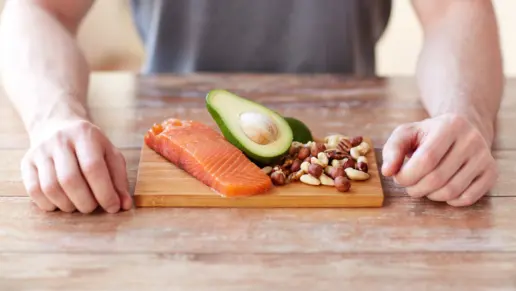
- Eat simple, balanced meals with complex carbs, lean proteins, fruits and vegetables.
- Avoid heavy, greasy foods
- Take vitamins like thiamine/B1 and other B complex vitamins.
| Supplement | Purpose During Detox | Evidence Level | Notes |
|---|---|---|---|
| Thiamine (B1) | Prevents Wernicke-Korsakoff syndrome | Strong; standard of care | Routinely given during medically supervised detox, often before glucose |
| Folate (B9) | Corrects a deficiency common in heavy drinkers | Moderate | Frequently low in long-term drinkers |
| Magnesium | May reduce tremor severity and muscle cramping; corrects depletion | Moderate | Often depleted with chronic drinking |
| B-complex / multivitamin | Broad nutritional repletion | Moderate | Addresses multiple deficiencies common in AUD |
| Vitamin D | Corrects a common deficiency | Limited for withdrawal specifically | Many people with AUD are deficient |
| Milk thistle (silymarin) | Liver support | Mixed | Not a substitute for medical care |
| N-acetylcysteine (NAC) | Antioxidant; investigational craving support | Emerging | Not standard of care |
| Kudzu | Investigational; may reduce alcohol intake | Emerging | Limited human studies |
Supplements do not replace medical detox. Talk with a clinician before starting any new supplement, especially during early recovery.
Sleep, Stress Management and Coping With Cravings
It is normal to experience difficulty sleeping and heightened anxiety during early detox. Talk to your doctor before using any substances to help you sleep.
You can try some of these techniques to cope with stress and sleep issues:
- Deep breathing exercises
- Grounding techniques
- Light stretching
- Guided meditations
Build a support plan for yourself during detox to help you cope with inevitable cravings. Regular check-ins with a sober support person, using helplines and removing alcohol and triggers from the home can help.
After Detox: Staying Sober and Protecting Your Health
Detox is only the first step of recovery. Staying sober requires ongoing treatment, which reduces the risk of relapse and supports long term recovery.
After detox, there are several treatment options to meet your needs. These includeresidential rehab, intensive outpatient programs, individual counseling and peer support groups.
Making arrangements for your ongoing care while you are still in detox helps you to maintain the momentum you need for recovery.
Medications and long term strategies that reduce relapse risk
Medication assisted treatment (MAT) is another option for individuals experiencing alcohol use disorder.
MAT programs for AUD utilize a mix of FDA approved medications, including naltrexone, acamprosate and disulfiram. These medications help to decrease or prevent drinking through different mechanisms such as curbing cravings, allowing you to fully engage in your treatment program.
As well, ongoing therapy to address triggers, trauma, mental health conditions and build relapse-prevention skills helps to support long term recovery.
Another way to help you to stay sober is to focus on lifestyle changes that strengthen recovery over time, such as:
- Exercise
- Healthy sleep routines
- Meaningful activities
- Sober social networks
FAQs: Fastest Way to Detox From Alcohol
Alcohol may leave the bloodstream in about a day; however, withdrawal symptoms often last several days or more. Trying to rush detox in 24 hours increases the risk of complications and relapse.
Detoxing completely alone is rarely safe, even for “light” drinkers who have an alcohol dependence. At minimum, seek medical clearance and have a sober support person check in on you during the process. Higher risk individuals should use a medically supervised detox program
Many people feel physically better after the first week, but energy, mood and sleep may take weeks to fully stabilize. Anxiety, low mood and cravings are common and treatable with counseling and in some cases, medication.
Find Treatment Near You
If you’re ready to get help, you can explore treatment centers by location, level of care, insurance and special programs.
And if you need support, you can call
800-985-8516
(  Sponsored Helpline )
today to discuss your treatment options and find the care provider that’s right for you.
Sponsored Helpline )
today to discuss your treatment options and find the care provider that’s right for you.
Addiction Centers Nearby that Treat Alcoholism
Finding facilities near you…