






























































































I was at Arbour Hospital for duel diagnosis therapy. It was a " hell hole " from day one. Many patient here are court mandated and have absolutely no desire to be there. The unit was poorly staffed and filthy. The nurses have all but given up. I was told by two of the nurses ...
About Arbour Hospital
Arbour Hospital provides behavioral health in Boston’s Jamaica Plain neighborhood providing inpatient substance use and mental health treatment.
The facility offers hospital-based detox, inpatient substance use care, psychiatric evaluation and co-occurring disorder treatment for both adolescents and adults.
Arbour Hospital delivers structured, medically supported care designed to guide patients from crisis toward lasting recovery.
Hospital Detox and Inpatient Recovery
Arbour Hospital’s core strength is its hospital inpatient environment offering medical detox and around-the-clock substance use treatment.
Programming may include inpatient and intensive outpatient care, group work, family counseling, assessment and aftercare planning. This hospital-based model distinguishes Arbour from outpatient-only providers.
Treatment blends substance use counseling and relapse prevention planning within a supervised setting.
Medication-assisted options such as buprenorphine and naltrexone may support detox and stabilization. Patients also benefit from discharge planning, case management and connections to community recovery supports.
Dual-Diagnosis and Adolescent Care
Arbour Hospital specializes in co-occurring mental health and substance use disorders, addressing both conditions together for more complete recovery.
The facility also offers adolescent-focused substance use programming, serving younger patients alongside adults. Care includes psychiatric evaluation, individual and family counseling and overdose education.
Latest Reviews
I’ve been here a few times for my mental health it’s a great place the staff and nurse are amazing I always saw Dr. Migueed and he changed my life I know have 9 months clean he got me off methadone after being on it over 10 years it was rough but cuz of the help and support I got from Arbour I was able to do it he really does care about his patients so great place amazing staff drs and nurses ❤️thanks for everything
Response from the owner1 week ago
Thank you for sharing your thoughtful feedback and kind words about our team. We are honored to have been part of your recovery journey and will share your appreciation with our staff.
They have a great PHP program and their staff are great- very caring and helpful.
Response from the owner1 week ago
Thank you for sharing your kind words about our PHP program and staff!
The sad truth is that most people do not work on their behavioral health. Arbour Hospital is one of the best hospitals that I have been to in the country and trust me, I have been to plenty. What makes this sanctuary so special is the people. From maintenance workers to the Nurse practitioners everyone there moves with purpose. I don't plan on ever going back, but willing to if I ever need to again with a smile on my face. It's a tight knit family that welcomes everyone no matter what you are going through.
Special shout out to: Kurt, Sylvester, Valarie Smith, Karma, and the entire staff on South 1 & 2.
Response from the owner1 week ago
It means the world to us that you took time out of your day to leave us this great feedback. Thank you, and we hope you have a pleasant day. 
Rehab Score
 Our Methodology
Scoring is assigned by a proprietary system which helps surface key metrics that determine quality. The 10-point scale factors in categories such as operations, customer satisfaction, and trust metrics. Read Full Methodology

7.2 / 10
Gallery
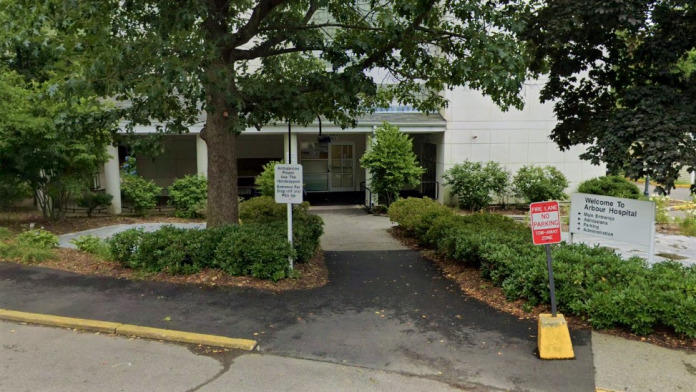
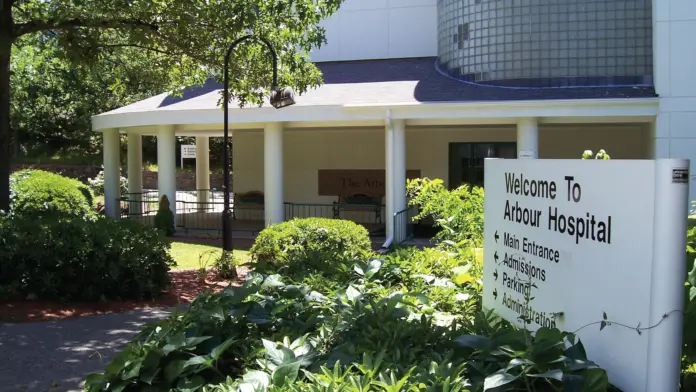
Accepted Insurance
Other Forms of Payment
Self-pay involves paying for treatment out of your own pocket. You can use savings or credit, get a personal loan, or receive help from family and friends to fund your treatment. If you don't have insurance or your insurance plan doesn't cover a specific program, self-pay can help ensure you still get the care you need.
Medicare is a federal program that provides health insurance for those 65 and older. It also serves people under 65 with chronic and disabling health challenges. To use Medicare for addiction treatment you need to find a program that accepts Medicare and is in network with your plan. Out of pocket costs and preauthorization requirements vary, so always check with your provider.
Medicaid is a state based program that helps lower-income individuals and families pay for healthcare. Medicaid covers addiction treatment so those enrolled can use their coverage to pay for rehab. When a program accepts Medicaid the client often pays very little or nothing out of their own pocket.
Private insurance refers to any kind of healthcare coverage that isn't from the state or federal government. This includes individual and family plans offered by an employer or purchased from the Insurance Marketplace. Every plan will have different requirements and out of pocket costs so be sure to get the full details before you start treatment.
Addiction Treatments
Levels of Care
Partial hospitalization programs (PHP) are offered for patients as part of the treatment continuum. These programs offer a safe, structured environment while enabling the patient to return home at night and maintain important family and community relationships. Partial hospitalization may be appropriate for patients making the transition from inpatient to outpatient treatment or as a program alternative for patients who do not present any danger to themselves or others but need a structured treatment plan and environment.
The adult inpatient psychiatric services provide short-term admission for intensive diagnostic evaluation and treatment to stabilize individuals in crisis. While hospitalized, patients will work with a multi-disciplinary team headed by a psychiatrist who will design and implement an individualized treatment plan, including 24-hour nursing care, psychopharmacological interventions and a full range of psychosocial interventions. Treatment may involve psychological and behavioral components, medication management, family education and participation in group therapy.
A partial hospitalization program (PHP), also known as day treatment, allows you to receive rehab-level care while living at home. PHP treatment requires a minimum of 20 hours of treatment each week for an average of 90 days. PHP treatment plans can vary depending on your needs but typically includes relapse prevention, medication management, and evidence-based therapies, such as cognitive-behavioral therapy (CBT), and dialectical behavior therapy (DBT). Most insurance providers fully or partially cover PHP treatment.
At certain points in the recovery process, it's important to have support available 24/7. 24-hour clinical care offers a safe environment in which to recover from drug or alcohol addiction in peace, knowing medical detox and other treatment will happen with professionals on hand.
Intensive outpatient programs (IOP) facilitate clients' sustained sobriety through high-level care aligned with their evolving needs. Clients engage in multiple treatment sessions per week, typically receiving between nine and 20 hours of outpatient care weekly. The frequency and intensity of treatment gradually decreases as clients stabilize. Many intensive outpatient rehabs offer a variety of services, including addiction counseling, recovery-focused life skills training, and medication assisted treatment (MAT). Evidence-based complementary therapies are also common.
Treatments
The goal of treatment for alcoholism is abstinence. Those with poor social support, poor motivation, or psychiatric disorders tend to relapse within a few years of treatment. For these people, success is measured by longer periods of abstinence, reduced use of alcohol, better health, and improved social functioning. Recovery and Maintenance are usually based on 12 step programs and AA meetings.
Addiction is a highly complex problem, and drug rehab in Massachusetts is often necessary to address it. These programs treat physical, mental, and relational issues that are involved. Treatment empowers individuals to manage these issues without the use of drugs.
Dual Diagnosis services offer a managed continuum of care designed to provide a comprehensive system of treatment and recovery from co-occurring psychiatric and substance disorders. Co-occurring psychiatric and substance disorders are treated simultaneously with a clear recognition that stabilization/arresting of the addiction is the most immediate concern upon the patient’s entering treatment.
A combined mental health and substance abuse rehab has the staff and resources available to handle individuals with both mental health and substance abuse issues. It can be challenging to determine where a specific symptom stems from (a mental health issue or an issue related to substance abuse), so mental health and substance abuse professionals are helpful in detangling symptoms and keeping treatment on track.
Opioid rehabs specialize in supporting those recovering from opioid addiction. They treat those suffering from addiction to illegal opioids like heroin, as well as prescription drugs like oxycodone. These centers typically combine both physical as well as mental and emotional support to help stop addiction. Physical support often includes medical detox and subsequent medical support (including medication), and mental support includes in-depth therapy to address the underlying causes of addiction.
In Massachusetts, substance abuse treatment programs can help to address addiction and, if relevant, any co-occurring mental health conditions. Programs include outpatient, inpatient, dual-diagnosis, and partial hospitalization. You'll receive therapies like cognitive behavioral therapy, or dialectical behavioral therapy, and sometimes complementary therapies like acupuncture and mindfulness-based therapy. By attending skills training and recovery groups you'll build a strong foundation for your recovery and strengthen your support network, increasing your chances of long-term recovery success.
Programs
Adult rehab programs include therapies tailored to each client's specific needs, goals, and recovery progress. They are tailored to the specific challenges adult clients may face, including family and work pressures and commitments. From inpatient and residential treatment to various levels of outpatient services, there are many options available. Some facilities also help adults work through co-occurring conditions, like anxiety, that can accompany addiction.
Teen programs are designed to address the unique pressures teens face, pressures that can drive them to experiment with dangerous, addictive substances. They need programs that meet them exactly where they are and give them tools for long-term recovery. Therapy can help teenagers understand and work through underlying issues so they can reclaim the life ahead of them.
The providers who specialize in the children's rehab space understand the specialized needs that this population faces. School-based and social services such as tutoring and family counseling are often central to treatment. Child programs may also address the needs of youth experiencing substance abuse in the home, including a parent's or sibling's addiction.
Nearly one million adults age 65 and older live with a substance use disorder. Treatment providers who specialize in senior care understand the social, psychological, and physical effects of aging and how they relate to recovery. They can help clients address particular challenges and risks they may face as they get older such as overdosing and medication interactions and dependencies.
Clinical Services
Cognitive Behavioral Therapy (CBT) is a therapy modality that focuses on the relationship between one's thoughts, feelings, and behaviors. It is used to establish and allow for healthy responses to thoughts and feelings (instead of unhealthy responses, like using drugs or alcohol). CBT has been proven effective for recovering addicts of all kinds, and is used to strengthen a patient's own self-awareness and ability to self-regulate. CBT allows individuals to monitor their own emotional state, become more adept at communicating with others, and manage stress without needing to engage in substance abuse.
Whether a marriage or other committed relationship, an intimate partnership is one of the most important aspects of a person's life. Drug and alcohol addiction affects both members of a couple in deep and meaningful ways, as does rehab and recovery. Couples therapy and other couples-focused treatment programs are significant parts of exploring triggers of addiction, as well as learning how to build healthy patterns to support ongoing sobriety.
Creativity is inherently healing, and can help those in recovery express thoughts or feelings they might not otherwise be able to. Creative arts therapy can include music, poetry/writing, painting, sculpting, dance, theater, sandplay, and more. Unlike traditional art, the final product matters far less than the experience of creation and expression itself.
Dialectical Behavior Therapy (DBT) is a modified form of Cognitive Behavioral Therapy (CBT), a treatment designed to help people understand and ultimately affect the relationship between their thoughts, feelings, and behaviors. DBT is often used for individuals who struggle with self-harm behaviors, such as self-mutilation (cutting) and suicidal thoughts, urges, or attempts. It has been proven clinically effective for those who struggle with out-of-control emotions and mental health illnesses like Borderline Personality Disorder.
ECT stimulates brain cells via a brief electrical pulse to the scalp while the patient is under anesthesia. ECT appears to cause changes in brain function that can quickly reverse symptoms of certain mental illnesses. ECT is commonly used to treat patients with severe or treatment resistant depression who have not responded to medications or who cannot tolerate medications’ side effects. ECT treatments are extremely safe and medical complications are rare. Patients are monitored constantly throughout treatment.
Experiential therapy is a form of therapy in which clients are encouraged to surface and work through subconscious issues by engaging in real-time experiences. Experiential therapy departs from traditional talk therapy by involving the body, and having clients engage in activities, movements, and physical and emotional expression. This can involve role-play or using props (which can include other people). Experiential therapy can help people process trauma, memories, and emotion quickly, deeply, and in a lasting fashion, leading to substantial and impactful healing.
Group therapy is any therapeutic work that happens in a group (not one-on-one). There are a number of different group therapy modalities, including support groups, experiential therapy, psycho-education, and more. Group therapy involves treatment as well as processing interaction between group members.
In individual therapy, a patient meets one-on-one with a trained psychologist or counselor. Therapy is a pivotal part of effective substance abuse treatment, as it often covers root causes of addiction, including challenges faced by the patient in their social, family, and work/school life.
Life skills trainings involve all the skills a person must have in order to function successfully in the world. These include time management, career guidance, money management, and effective communication. Truly successful addiction recovery is based on the ability to not only live substance-free, but to thrive. Life skills teaches the practical necessities of functioning in society, which sets clients up for success in life, and therefore sobriety.
Trauma therapy addresses traumatic incidents from a client's past that are likely affecting their present-day experience. Trauma is often one of the primary triggers and potential causes of addiction, and can stem from child sexual abuse, domestic violence, having a parent with a mental illness, losing one or both parents at a young age, teenage or adult sexual assault, or any number of other factors. The purpose of trauma therapy is to allow a patient to process trauma and move through and past it, with the help of trained and compassionate mental health professionals.
During family therapy, the therapist works with every member of the family unit to understand the role they play in their loved one's addiction. By addressing these patterns, family members learn healthier ways to interact with each other and contribute to a more effective recovery journey for the family member who is addicted.
Four principles are key to motivational interviewing in Massachusetts. First, the therapist offers empathy for the client's feelings and experiences. Second, they encourage the client to believe in themselves and their ability to change. Third, the therapist refrains from imposing their own viewpoints. Lastly, the therapist helps the client identify discrepancies in their circumstances and future goals.
Amenities
-
 Residential Setting
 -
 Private Setting
Staff & Accreditations
Staff
Steve Fahey
Chief Executive Officer
Anmir Aggresar, MD
Chief Medical Director
Justin Douglas
Chief Nursing Officer
Allison Bernier
Chief Clinical Officer
Jordan Eastham
Director of Admissions
John Erramouspe
Director of Human Resources
Accreditations

The Joint Commission, formerly known as JCAHO, is a nonprofit organization that accredits rehab organizations and programs. Founded in 1951, the Joint Commision's mission is to improve the quality of patient care and demonstrating the quality of patient care.
Joint Commission Accreditation: Yes

The Commission on Accreditation of Rehabilitation Facilities (CARF) is a non-profit organization that specifically accredits rehab organizations. Founded in 1966, CARF's, mission is to help service providers like rehab facilities maintain high standards of care.
CARF Accreditation: Yes

The Substance Abuse and Mental Health Services Administration (SAMHSA) is a branch of the U.S. Department of Health and Human Services. Established in 1992 by congress, SAMHSA's mission is to reduce the impact of substance abuse and mental illness on American's communities.
SAMHSA Listed: Yes

State Licenses are permits issued by government agencies that allow rehab organizations to conduct business legally within a certain geographical area. Typically, the kind of program a rehab facility offers, along with its physical location, determines which licenses are required to operate legally.
State License: Massachusetts
Rehab.com regularly reviews this listing for accuracy but changes may occur between updates. For the most up-to-date information, please contact Arbour Hospital.
Contact Information

49 Robinwood Avenue
Boston MA, 02130
Get Help Now - 617-862-0388
Sponsored Helpline
Sponsored Helpline


