13 Min Read
Porn addiction is a clinical term used to describe problematic pornography use that causes distress and a negative impact on your mental health, relationships and other areas of your life. Understanding the signs, symptoms and causes of porn addiction can help you find the right treatment.
Key Facts
- Porn addiction involves a loss of control and impairment in your everyday life.
- Porn addiction is caused by the patterns of the reward center in the brain, where dopamine seeking begins to drive behaviors.
- Porn addiction can negatively impact your mental health, sexual well-being and interpersonal relationships.
Porn Addiction Explained
There are different terms used when talking about problematic pornography use. Porn addiction is different from compulsive use and moral incongruence.
What “Porn Addiction” Means (and What It Doesn’t)
Problematic pornography use means you have a loss of control over your behaviors and are experiencing distress and/or impairment in your day-to-day life.
If you use pornography frequently, it does not necessarily mean you have a porn addiction. When your use interferes with relationships, work, school, sleep or values, you may have problematic use.
People seek porn and sex addiction help for different reasons, including abstinence, reduction or to put boundaries around their use.
Addiction vs. Compulsion vs. “Moral Incongruence”
Compulsive patterns are part of addiction and include elements such as a habit loop, urge to use and automaticity without conscious thought.
Compulsion is different from a values conflict that many people experience with pornography use. You can have values conflict without loss of control, which is an important marker in porn addiction.
Many people feel shame or embarrassment around the issues of porn use, and this can be a common element that worsens the cycle.
Focusing on outcomes such as improving distress or impairment is often more beneficial than concerning yourself with specific labels regarding the issue.
Clinical Terms You’ll Hear
Compulsive sexual behavior disorder (CSBD) is a clinical term that is often used when discussing issues related to porn addiction and involves a pattern of failing to control intense, repetitive sexual urges and behaviors.
Problematic porn use can fit under broader compulsive sexual behaviors.
Clinicians may also use terms such as behavioral addiction, impulse-control problems, compulsivity, hypersexuality or sex addiction. These different labels exist because there is no formal diagnostic category specifically for pornography addiction.
Instead, the behaviors commonly associated with problematic pornography use are understood within these broader and more established clinical concepts.
Signs and Symptoms of Problematic Porn Use
Several signs may indicate that your porn use has become problematic.
Loss of Control and Escalation
- Repeated failed attempts to cut back
- “Just one more” episodes
- Binges
- Increasing time spent seeking, viewing and recovering
- Using in risky or inappropriate situations
- Needing more novelty or intensity to feel the same effect
Emotional and Cognitive Warning Signs
- Cravings
- Preoccupation
- Irritability or restlessness when trying to stop
- Shame and guilt
- Anxiety
- Low mood
- Using porn to numb stress/loneliness.
- Mental “bargaining” and secrecy that reinforce the cycle
Life Impact: Functioning and Priorities
- Neglecting responsibilities
- Poor sleep habits
- Quitting hobbies
- Neglecting self-care
- Social withdrawal
- Reduced intimacy with partner
- Increased conflict in relationships
Why Porn Addiction Happens
The Reward Loop
The process of addiction occurs because of something called the Reward Loop that includes: Triggers → Urges → Use → Relief → Repeat.
In terms of porn addiction, certain cues or triggers will cause you to crave using porn.
If you give in to the urge and use, you experience short-term relief as your brain releases “feel-good” chemicals such as dopamine that reinforce the behavior.
Some common triggers of porn use include stress, boredom, loneliness or negative emotions.
Understanding the loop and how it works is the first step toward changing it.
Novelty, Accessibility and Digital Design
The more accessible porn is, the more likely you are to use it when a craving hits. Having easy access on your phone and other streaming devices lowers friction and increases habit strength.
Novelty, defined as exposure to new or changing stimuli, can enhance reinforcement and increase compulsive use. As tolerance increases, individuals may seek out increasingly novel material to achieve the same reward.
Another newer risk factor is emerging tech, such as AI and VR content. Their use can amplify risk by increasing personalization and novelty, which can drive compulsive behavior.
Risk Factors and Co-Occurring Conditions
- Trauma history
- Attachment wounds
- Social anxiety
- Depression
- OCD traits
- ADHD/impulsivity
- Substance use or other behavioral addictions
- Stressful life transitions
- Relationship dissatisfaction
How Porn Addiction Can Affect Your Life
Problematic porn use can harm your relationships, sexual well-being and mental health.
Relationships, Trust and Intimacy
Porn addiction can negatively impact your relationships due to secrecy, broken promises and emotional distance. Over time, this causes trust to erode.
Furthermore, porn addiction can uncover mismatched expectations about sex and intimacy, leading to an avoidance of vulnerability or connection, both of which can harm relationships.
For couples dealing with porn addiction, it is important to distinguish “problem behavior” from personal worth to reduce blame and shame spirals that can put further strain on the relationship.
Sexual Well-Being and Performance Anxiety
Habituation to specific stimulation patterns may reduce arousal with a real-life partner for some people who view pornography.
Problematic porn use can also lead to performance anxiety, comparison and stress. Because sexual well-being and intimacy are important components of a healthy relationship, they deserve the same care as physical and mental health.
Mental Health, Isolation and Day-to-Day Consequences
People with porn addiction experience increased anxiety or depression symptoms, shame-driven isolation, reduced motivation for other activities, strain on their time or finances, conflict at home and work or school performance issues.
Self-Assessment and When to Seek Help
Self-assessment can help you determine if you need professional help for your porn use.
A Quick Self-Check: Is This a Problem for Me?
Ask yourself a few honest questions: Have you tried to cut back and couldn’t?
Is porn use causing distress, guilt or frustration? Is my porn use interfering with my daily life, work or relationships? If you answer yes to any of these questions, it may indicate that you have a problem with porn.
Furthermore, if your use is escalating or your viewing is being done in secret or risky contexts, you are losing time when viewing the material or you are neglecting your obligations, you have likely developed problematic porn use or even porn addiction.
Red Flags That Call for Professional Support
Red flags that indicate you have a problem with your porn use include significant impairment in your life, problems with your relationships, worsening of your mental health, use that is tied to trauma symptoms or self-harm thoughts.
If you are experiencing any of these issues or have any concerns about illegal content or unsafe behavior, seek immediate professional and/or legal guidance.
What an Assessment Usually Covers
A professional assessment will look at your pattern of use (frequency, triggers, escalation) and screen for co-occurring conditions such as anxiety/depression, trauma, substance use and relationship dynamics.
After a comprehensive assessment, your care team will work with you to outline your goals, determine the appropriate level of care for your needs and create a collaborative treatment plan that includes improving coping skills, boundaries and accountability.
Porn Addiction Treatment Options
There are several treatment options for porn addiction, including therapy, group support and medication.
Evidence-Informed Therapy Approaches
Some common therapeutic approaches for porn addiction include cognitive behavioral therapy (CBT), acceptance and commitment therapy (ACT) and trauma-informed therapy.
CBT helps you identify triggers and thought patterns that contribute to your compulsive behaviors and develop healthier ones.
ACT/mindfulness skills will help you tolerate your urges, reduce shame and realign your behaviors with values-driven actions.
Trauma-informed therapy, when relevant, will address underlying drivers such as attachment and anxiety that may be contributing to your addiction.
Group Support, Peer Programs, and Accountability
Group therapy is also a beneficial approach to treating porn addiction.
In group therapy, you find support that includes normalizing and validating experiences, skills practice, accountability and reduced isolation.
Peer programs such as 12-step fellowships that focus on sex and porn addiction can also offer the same benefits as group therapy.
While they both offer the same benefits, your best option is a group that supports your goals and feels safe.
Medication and Treating Co-Occurring Issues
There is no single “porn addiction medication,” but medication may help if you have a dual diagnosis and need help with depression, anxiety, obsessive compulsive disorder (OCD) or impulsivity that fuels the addiction cycle.
It is best to coordinate medical care with a qualified prescriber so they can monitor side effects and progress. Best outcomes are linked to pairing medication support with therapy.
Levels of Care: Outpatient to Residential
There are varying levels of care when it comes to porn addiction treatment. Most people start with outpatient therapy and can move to higher intensity care if there is severe impairment or repeated relapse.
Structured programs like residential rehab can help if your home environment is a major trigger or secrecy is entrenched.
How to Stop Watching Porn (Practical Recovery Skills)
It is possible to recover from porn addiction.
Build Your “Trigger Plan” (Environment + Routine)
First, it is important to identify your top triggers, including times, places, emotions and devices. Then, you can create specific if/then plans to help manage those triggers.
Building routines and defining boundaries can reduce friction for healthy choices and help with relapse prevention. This includes a healthy bedtime routine, phone boundaries, content filters and device-free zones.
Urge-Surfing, Craving Skills, and Emotion Regulation
Utilizing dialectical behavior therapy style skills can help to reduce cravings and improve emotional regulation.
Some examples include:
- Building distress tolerance
- Grounding techniques
- “Ride the wave” approach to cravings
- Self-soothing without avoidance
- Using 5–10 minute delay tactics
- Involving movement and breathing to regulate emotions
It can also be helpful to track urges and wins to help build your confidence and spot patterns.
Replace the Function (Not Just the Behavior)
One way to help combat porn addiction is to identify what porn use provides for you. Is it stress relief, loneliness relief, stimulation or an escape?
Once you understand what drives your behaviors, you can work to develop healthier coping mechanisms.
Examples of coping options you can turn to include:
- Meet up with a friend
- Exercise
- Do something creative
- Call a support person
- Practice therapy homework
- Take a nap
Along with understanding what drives your behaviors, paying attention to your sleep, nutrition and stress management also helps reduce your risk of relapse.
Create Accountability That Actually Helps
Choose accountability that is aligned with your goals. That might include working with a sponsor or peer support person, a therapist, partner agreements or coaching.
Avoid punitive monitoring techniques, as this will only lead to shame, which can make the problem worse. Instead, use compassionate check-ins and clear boundaries.
Partners, Relationships, and Repair
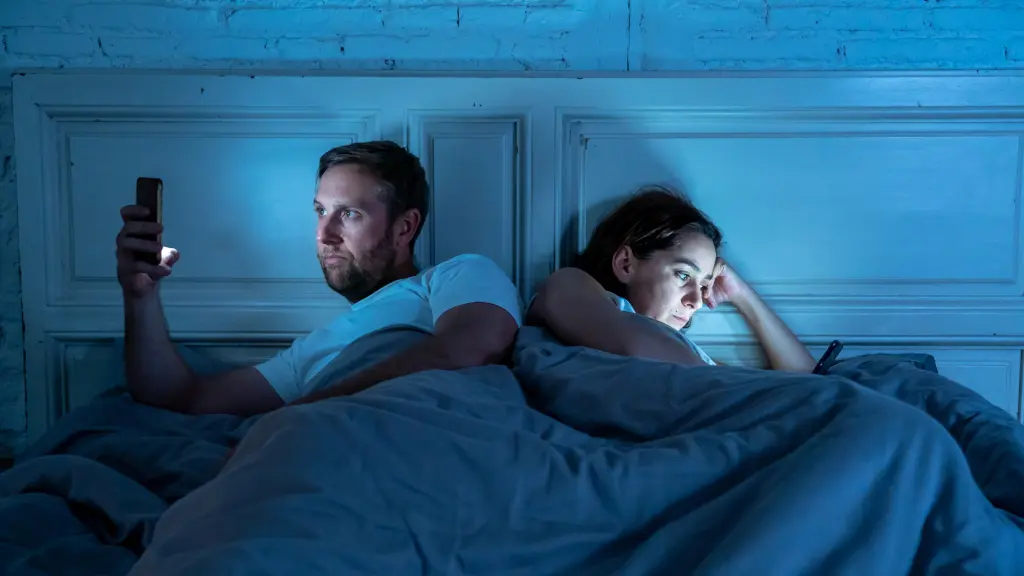
It can be difficult to work through porn addiction in a relationship, but there are things you can try to repair the damage.
Talking to a Partner Without Defensiveness
When talking to your partner about porn addiction, it is helpful to use ownership language like “I” statements, rather than accusatory language that can cause someone to become defensive.
Name the impact that porn use has on you and work together to define a recovery plan.
Set realistic expectations and understand that trust repair takes time and consistent transparency. Involving a therapist for individual counseling as well as couples counseling may be an important part of your recovery plan.
Betrayal Trauma and Partner Support
Many partners feel a sense of betrayal when they learn about a partner’s porn use. Validate your partner’s reactions and feelings without centering shame or minimizing the impact. Partners often benefit from their own support through therapy or groups.
Setting boundaries together is also important, but it should not become a means for one partner to control another. Boundaries with agreements, consequences and safety needs are most beneficial.
Rebuilding Intimacy and Sexual Health
Focus on emotional reconnection first. You can do this through emphasizing honesty, empathy and consistent behavior change.
Consider couples therapy when both partners are ready to rebuild shared intimacy scripts.
Porn Addiction in Teens and Young Adults
Porn addiction in teens and young adults is more common than for older adults for several reasons:
- Brain development is not fully complete
- Impulsivity is higher
- Constant device access can intensify habit formation
Curiosity about sex is normal; however, patterns of porn use that cause distress or impairment are problematic. Early support can prevent secrecy and escalation.
What Parents/Caregivers Can Do (Without Shame)
Some tips to follow include:
- Start with calm curiosity and values-based conversations
- Avoid humiliation or threats
- Set practical digital boundaries
- Enforce device rules, such as nighttime charging stations or parental controls
Seek professional help if there’s impairment, compulsivity or mental health concerns with your child.
Frequently Asked Questions
While the label varies by clinician, the lived problem of compulsive use causing distress and impairment is real and treatable. Some people may fit broader compulsive sexual behavior frameworks.
A structured plan that addresses triggers, builds skills and prevents relapse is a critical component of porn addiction recovery. Whether you choose to quit cold turkey or cut back depends on the severity of your symptoms and your treatment goals.
Progress is often nonlinear with wins and setbacks along the way. Early change comes from structure and support.
You may experience common phases in recovery, including stabilization within weeks, skill-building over months and ongoing maintenance that can last a lifetime.
Shame is a normal part of the cycle and shouldn’t be a barrier to recovery. Confidentiality is a standard part of professional care, so you can get help in a private and nonjudgmental environment.
You can start with one safe step, such as an anonymous support group, teletherapy, or a brief consultation and decide where you want to go from there.
Find Treatment Near You
If you think you may have a porn addiction, there is hope. Search for addiction treatment centers by location, level of care, insurance and special programs.
Not sure where to start? Call
800-985-8516
(  Sponsored Helpline )
today to talk to someone about your treatment options and see if your insurance will cover rehab.
Sponsored Helpline )
today to talk to someone about your treatment options and see if your insurance will cover rehab.
Addiction Centers That Treat Mental Health
Finding facilities near you…