






























































































Ankle monitors, no hoodies, overly strict (absurd) rules, employees fist-fighting daily, very stressful environment. If you are trying to end an addiction, I wouldn't recommend this place. Plus, I had to go back twice after being dismissed. They had my cell phone & 2nd ...
About CenterPointe Psychiatric & Addiction Hospital – Columbia
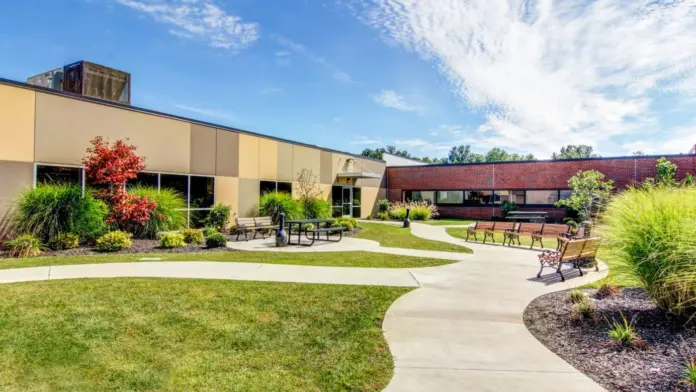
CenterPointe Hospital of Columbia offers inpatient and outpatient addiction treatment and mental healthcare for adults and seniors. Located in Columbia, Missouri, they specialize in treating alcohol, opioid and benzodiazepine use disorders.
Fondly called CoMo by residents, Columbia is a college town with a welcoming community. They seem to really care for individuals and families in recovery. You’ll find an abundance of local resources, including peer support and activities that can help you stay connected.
No Appointment Necessary
One of the first features I noticed is the crisis stabilization services. They’re available to anyone who needs urgent help during a mental health crisis, including issues related to substance use. You can access immediate care 24/7, and walk-ins are welcome.
Detox and Medication Assisted Treatment (MAT) in Columbia
Withdrawal is often the first big challenge you’ll face when you’re trying to start your journey. Quitting substances on your own without medical supervision can make withdrawal more difficult. The supervised medical detox program here is available to adults aged 18 and older.
You’ll be cared for by a team of addiction professionals who have experience helping people through this first stage of recovery. They not only monitor symptoms and progress, but they can also prescribe withdrawal medications through their MAT program.
Targeted Behavioral Healthcare for Seniors
I find a lot of value in the programs for older adults. They really focus on connection and meeting people where they are in this stage of life. Treatment addresses both mental health and addiction, recognizing how closely the two are related for many seniors.
Former Clients Appreciated Personalized Treatment
The admissions team will help you assess your needs during the intake process. Several clients have mentioned how much they appreciate the “individualized care plans and attentive, supportive therapists and nurses” at CenterPointe Hospital of Columbia.
Latest Reviews
They actually cared about me and for the first time in a long time I don't get PTSD flashbacks. Yay Centerpointe
Response from the owner4 weeks ago
It’s important to us to provide high-quality care. Thank you so much for offering this feedback.
Decent place, I actully got some help here.
Response from the owner4 weeks ago
We appreciate the time you took to write this review! Our priority is to provide excellent care, and we value all feedback we receive.
These people are the absolute best-friendliest psych ward around! They helped me get my head right. I cant put into words how amazing their staff is here! No jokes, im being sincere. I will never forget my experiences here. They made me deeply consider switching career fields to a psych role and one day i hope to! They set some high standards that i could only hope to achieve if i went into a psychological field. They care so much about their patients. And they have all the patience in the world! I can't praise or thank them enough. 😌☺️
Response from the owner4 weeks ago
We appreciate all feedback we receive. Thank you so much for sharing this review! 
Rehab Score
 Our Methodology
Scoring is assigned by a proprietary system which helps surface key metrics that determine quality. The 10-point scale factors in categories such as operations, customer satisfaction, and trust metrics. Read Full Methodology

6.7 / 10
Gallery
Accepted Insurance
Other Forms of Payment
Private insurance refers to any kind of healthcare coverage that isn't from the state or federal government. This includes individual and family plans offered by an employer or purchased from the Insurance Marketplace. Every plan will have different requirements and out of pocket costs so be sure to get the full details before you start treatment.
Self-pay involves paying for treatment out of your own pocket. You can use savings or credit, get a personal loan, or receive help from family and friends to fund your treatment. If you don't have insurance or your insurance plan doesn't cover a specific program, self-pay can help ensure you still get the care you need.
Medicaid is a state based program that helps lower-income individuals and families pay for healthcare. Medicaid covers addiction treatment so those enrolled can use their coverage to pay for rehab. When a program accepts Medicaid the client often pays very little or nothing out of their own pocket.
Medicare is a federal program that provides health insurance for those 65 and older. It also serves people under 65 with chronic and disabling health challenges. To use Medicare for addiction treatment you need to find a program that accepts Medicare and is in network with your plan. Out of pocket costs and preauthorization requirements vary, so always check with your provider.
Addiction Treatments
Levels of Care
Due to the potential for severe withdrawal symptoms, it is important to detox in a facility with 24-hour clinical care in Missouri. Most people experience some form of withdrawal symptoms, and this setting offers medical professionals who are on site 24/7 to provide any necessary treatment. This supervision makes the detox process safer and less painful and improves the likelihood of a successful recovery.
Inpatient rehabs provide a safe, supportive environment for clients to focus on their recovery secure from outside distractions, stressors, and triggers. Clients receive housing, meals, and intensive clinical supervision. They also engage in extensive addiction counseling, often including group and family therapy. Many programs prioritize recovery-focused life skills training to support clients' reintegration into their home, workplace, school, and community. Evidence-based holistic therapies, such as yoga, acupuncture, meditation, hypnotherapy, or animal therapy, may also be provided.
Intensive outpatient programs provide an intermediate level of care, often supporting clients' transition from inpatient rehab to outpatient treatment. Most IOP programs require a minimum of nine therapeutic hours weekly, but clients may receive up to 20 hours of care, with the intensity and frequency of care declining as clients grow stronger in their sobriety. Intensive outpatient treatment generally combines addiction counseling, recovery education, holistic therapies, and, for some, medication assisted treatment (MAT).
Medical detox is the process of ridding the body of addictive substances under the supervision of licensed medical professionals. An expert medical team, which may include physicians, nurses, clinical staff, and therapists, will monitor your vitals, help maximize your comfort and safety, and provide medication if necessary to help mitigate the symptoms of withdrawal. The length of the process varies depending on your needs.
Outpatient rehab enables clients to continue to work, attend school, or reside at home while undergoing treatment, including addiction counseling and recovery-focused life skills training. Evening, night, and weekend sessions are available at many facilities to ensure continuous access to care on the client's schedule. Many centers also offer ancillary services, such as career coaching and peer mentoring, to promote clients' sustained recovery and community integration. Higher-level outpatient treatment, including intensive outpatient (IOP) care, is also widely available.
Designed for individuals who don't require 24/7 monitoring, a partial hospitalization program (PHP) provides intensive-level treatment while allowing you to stay at home. PHP treatment typically requires a commitment of at least 20 hours of treatment per week for an average duration of 90 days. Services commonly offered in PHP include medication management and evidence-based therapies, such as cognitive-behavioral therapy (CBT), and dialectical behavior therapy (DBT). Insurance coverage for PHP treatment may vary depending on your provider.
Treatments
Individuals who suffer from alcoholism drink to the extent that they harm themselves or others and have an impaired ability to stop drinking. Their alcohol use disorder may be classified as mild, moderate, or severe. At any level, alcohol rehab in Missouri can help individuals overcome alcohol addiction. Treatment includes physiological, psychological, and social aspects to provide comprehensive care that leads to long-term recovery.
Drug rehab in Missouri usually involves several phases: detox, rehab, and aftercare. The rehab phase may include a combination of inpatient and outpatient treatments, as the individual moves through a continuum of care on their recovery journey.
 Mental Health And Substance Abuse
 Opioid Addiction
Substance abuse treatment programs in Missouri help individuals struggling with substance abuse and co-occurring mental health disorders. These programs utilize evidence-based therapies like cognitive-behavioral therapy (CBT), dialectical behavior therapy (DBT), and mindfulness-based interventions. With a range of treatment options available, including outpatient, inpatient, and residential programs, you can find the right program to meet your unique needs and improve your quality of life.
Programs
Adult rehab programs include therapies tailored to each client's specific needs, goals, and recovery progress. They are tailored to the specific challenges adult clients may face, including family and work pressures and commitments. From inpatient and residential treatment to various levels of outpatient services, there are many options available. Some facilities also help adults work through co-occurring conditions, like anxiety, that can accompany addiction.
Clinical Services
 Animal Therapy
Sessions of creative arts therapy can take place in a group or in a one on one format. Settings include a therapist's office, day centers, hospitals, and rehab treatment facilities in Missouri.
A complete course of dialectical behavior therapy typically takes six months. Skills training happens in a group setting. You'll also attend weekly individual treatment sessions to receive coaching from a therapist. You'll work on understanding and accepting your feelings and learn how to manage them to make positive changes.
Experiential therapy is not limited to one type of intervention. It includes a variety of hands on interventions that focus on creativity, emotions, personal interactions, and reflection. These activities can bring attitudes and feelings to the surface that are otherwise buried and allow you to work through them and learn from them.
Family therapy sessions help individual family members in Missouri learn to improve their communication skills and understand how the family dynamic is both affected by addiction and affects their loved one's addiction. Therapists work with individual members to identify and modify negative behaviors which helps create a more supportive home environment.
Peer support within a group therapy session in Missouri allows you to interact with your peers who are also struggling with drug addiction. You can share your stories and learn how to express your emotions openly in a non judgmental setting. These strategies help to reduce your feelings of isolation which are often associated with addiction.
Motivational interviewing is a short term method often used during drug rehab in Missouri. It typically lasts one or two sessions, with the goal of facilitating conversation about change. The client should leave the sessions feeling more decisive and secure in their ability to make the changes they desire in their life.
 Transcranial Magnetic Stimulation
Amenities
-
 Creative Arts Therapy
Accreditations

LegitScript has reviewed CenterPointe Psychiatric & Addiction Hospital – Columbia as part of their certification program, and has determined that it meets the LegitScript standards for legality, safety and transparency.
LegitScript verified in

The National Association of Addiction Treatment Providers (NAATP) is a professional association that represents organizations in the field of addiction services. Founded in 1978, NAATP's mission is to advance addiction services and ensure that high-quality addiction treatment is available and accessible.
NAATP Member: Yes
Rehab.com regularly reviews this listing for accuracy but changes may occur between updates. For the most up-to-date information, please contact CenterPointe Psychiatric & Addiction Hospital – Columbia.
Contact Information

1201 International Dr
Columbia, MO 65202
Get Help Now - 573-231-7955
Sponsored Helpline
Sponsored Helpline



