










The Gathering Place - Volunteers of America
1
Top 10 Rehab Centers In Sheridan



















































































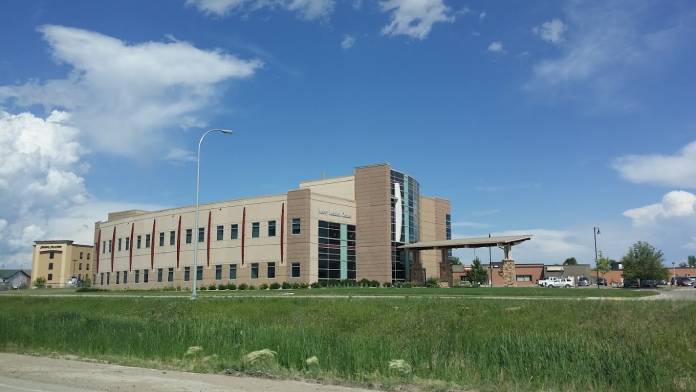
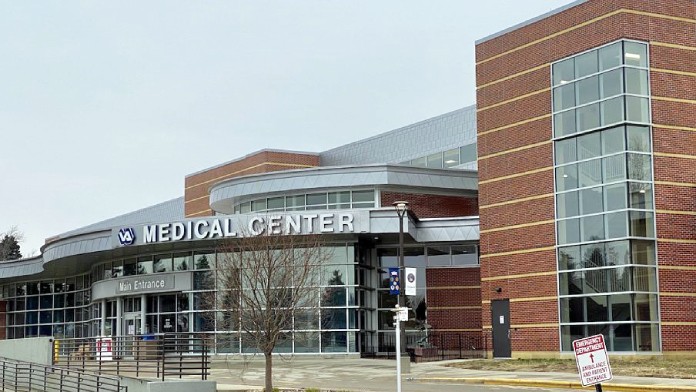
CHI St. Alexius Health Williston provides a wide range of services in Williston, North Dakota. The hospital offers both inpatient and outpatient services that cater to diverse medical needs. Insurance is accepted and they offer a financial assistance program.
This is a multi departmental facility that can help with all of your health needs under one roof from primary care to specialty services. That includes mental health and behavioral health care like addiction treatment. They provide comprehensive mental health services for individuals of all ages.
The hospital offers therapy, crisis intervention and medication management. Their team is trained to support those dealing with mental health challenges from anxiety and depression to more complex conditions.
Inpatient Behavioral Health
What stood out to me is that they recently reopened their inpatient behavioral health unit. That wing of the hospital had been unused since 2010.
They received a $2 million grant from the state government so they can provide both psychiatric and substance abuse treatment. A total of 10 inpatient spaces are available due to that grant.
Near the hospital are a mix of local amenities and attractions. The Williston Basin Speedway is nearby and popular among racing fans.
You can enjoy the outdoors at either the Lewis and Clark Trail or at Williston Park. You will also be near the Missouri River which offers boating and fishing opportunities.


 Our Methodology


Private insurance refers to any kind of healthcare coverage that isn't from the state or federal government. This includes individual and family plans offered by an employer or purchased from the Insurance Marketplace. Every plan will have different requirements and out of pocket costs so be sure to get the full details before you start treatment.
Self-pay involves paying for treatment out of your own pocket. You can use savings or credit, get a personal loan, or receive help from family and friends to fund your treatment. If you don't have insurance or your insurance plan doesn't cover a specific program, self-pay can help ensure you still get the care you need.
Financial aid can take many forms. Centers may have grants or scholarships available to clients who meet eligibility requirements. Programs that receive SAMHSA grants may have financial aid available for those who need treatment as well. Grants and scholarships can help you pai for treatment without having to repay.
Medicaid is a state based program that helps lower-income individuals and families pay for healthcare. Medicaid covers addiction treatment so those enrolled can use their coverage to pay for rehab. When a program accepts Medicaid the client often pays very little or nothing out of their own pocket.
Medicare is a federal program that provides health insurance for those 65 and older. It also serves people under 65 with chronic and disabling health challenges. To use Medicare for addiction treatment you need to find a program that accepts Medicare and is in network with your plan. Out of pocket costs and preauthorization requirements vary, so always check with your provider.
Outpatient rehabs offer clients the freedom to remain in their home and community while receiving treatment. Many facilities also provide transitional support for clients who are stepping down from intensive inpatient care. The primary treatment modalities for most outpatient programs include addiction counseling, recovery-focused life skills training, and medication assisted treatment (MAT) for alcohol and/or opioid dependency. Integrative facilities also provide holistic therapies, such as meditation, acupuncture, and massage.
Inpatient rehabs primarily serve clients who have just completed detox, those who are in crisis and at an elevated risk of relapse, and those who have a strong history of relapse. They provide a highly structured and supportive environment and intensive supervision. Residents engage in extensive addiction counseling. Many programs also offer recovery-focused life skills training to support clients' sustained sobriety. Holistic therapies, such as yoga and meditation, are available at many facilities.
Clients engaged in a rehab aftercare program may be receiving outpatient treatment or they may have already been discharged from formal treatment after completing intensive inpatient and/or outpatient care. These programs are designed to support clients' long-term sobriety through a robust continuum of care customized for clients' unique and evolving needs. Peer coaching, career counseling, relapse prevention, and 12 step program induction are among the most common rehab aftercare services.
Intervention services offer expert insights into the planning and execution of a drug intervention in North Dakota. Applying expert knowledge, an intervention specialist can develop an intervention plan that is tailored to the needs of the family. This customized, expert approach can help guide the individual to treatment without harming their self-esteem or putting barriers between family members.
In a partial hospitalization program (PHP), you'll experience intensive rehab with the ability to return home each day. PHP treatment is recommended for those with moderate to severe addictions that don't require 24/7 care. A partial hospitalization program serves as an alternative to inpatient hospitalization or as a step-down option. Throughout the week, you'll attend meetings for 4-8 hours each day, up to 3-5 days a week, for an average of 90 days. Medication management, evidence-based therapies, and relapse prevention are typical components of PHP treatment.
24-hour clinical care in North Dakota gives those in recovery immediate, constant access to medical professionals. This can be crucial if patients experience severe withdrawal symptoms during detox. Medical staff are on-site to deliver necessary treatment, which may include life-saving measures for symptoms such as heart palpitations or seizures. Mental health professionals are also available to address co-occurring disorders.
Medically assisted detox involves weaning your body off alcohol and drugs in a medically supervised environment. This is often the first step in the addiction recovery process. Abruptly stopping intake of alcohol and some drugs (like benzodiazepines and opioids) can cause uncomfortable side effects. In severe cases, withdrawal symptoms can even be dangerous. To minimize risks and discomfort, a team of medical professionals will monitor you 24/7, and may provide medications if necessary to ease potential withdrawal symptoms.
The goal of treatment for alcoholism is abstinence. Those with poor social support, poor motivation, or psychiatric disorders tend to relapse within a few years of treatment. For these people, success is measured by longer periods of abstinence, reduced use of alcohol, better health, and improved social functioning. Recovery and Maintenance are usually based on 12 step programs and AA meetings.
The goal of drug rehab in North Dakota is to help individuals overcome addiction. These programs provide treatment for both mind and body and teach participants how to live healthy, productive lives without drug abuse.
A combined mental health and substance abuse rehab has the staff and resources available to handle individuals with both mental health and substance abuse issues. It can be challenging to determine where a specific symptom stems from (a mental health issue or an issue related to substance abuse), so mental health and substance abuse professionals are helpful in detangling symptoms and keeping treatment on track.
Opioid rehabs specialize in supporting those recovering from opioid addiction. They treat those suffering from addiction to illegal opioids like heroin, as well as prescription drugs like oxycodone. These centers typically combine both physical as well as mental and emotional support to help stop addiction. Physical support often includes medical detox and subsequent medical support (including medication), and mental support includes in-depth therapy to address the underlying causes of addiction.
Adult rehab programs include therapies tailored to each client's specific needs, goals, and recovery progress. They are tailored to the specific challenges adult clients may face, including family and work pressures and commitments. From inpatient and residential treatment to various levels of outpatient services, there are many options available. Some facilities also help adults work through co-occurring conditions, like anxiety, that can accompany addiction.
Young adulthood can be an exciting, yet difficult, time of transition. Individuals in their late teens to mid-20s face unique stressors related to school, jobs, families, and social circles, which can lead to a rise in substance use. Rehab centers with dedicated young adult programs will include activities and amenities that cater to this age group, with an emphasis on specialized counseling, peer socialization, and ongoing aftercare.
Unlike some therapeutic methods, cognitive behavioral therapy in North Dakota focuses on the present rather than the past. The goal is to move forward with new patterns of thinking and behavior that are healthy and productive.
Group therapy is any therapeutic work that happens in a group (not one-on-one). There are a number of different group therapy modalities, including support groups, experiential therapy, psycho-education, and more. Group therapy involves treatment as well as processing interaction between group members.
In individual therapy, a patient meets one-on-one with a trained psychologist or counselor. Therapy is a pivotal part of effective substance abuse treatment, as it often covers root causes of addiction, including challenges faced by the patient in their social, family, and work/school life.
Trauma therapy aims to help you heal from the emotional and physical effects that are common after witnessing or experiencing a traumatic event. Working with a therapist, you learn to process the experience and develop healthy coping strategies that reduce your anxiety and improve your self confidence.
Research clearly demonstrates that recovery is far more successful and sustainable when loved ones like family members participate in rehab and substance abuse treatment. Genetic factors may be at play when it comes to drug and alcohol addiction, as well as mental health issues. Family dynamics often play a critical role in addiction triggers, and if properly educated, family members can be a strong source of support when it comes to rehabilitation.
Incorporating recreational therapy into your addiction treatment program helps you rediscover joy, build healthy habits, and develop new interests. You may be exposed to activities like yoga, painting, and group games to encourage social interaction and improve your mood. These are essential skills for a successful recovery journey.
 Gym
Gym 
President

Chief Medical Officer
BOD, Chair
BOD, Vice Chair

The Joint Commission, formerly known as JCAHO, is a nonprofit organization that accredits rehab organizations and programs. Founded in 1951, the Joint Commision's mission is to improve the quality of patient care and demonstrating the quality of patient care.
Joint Commission Accreditation: Yes
Rehab.com regularly reviews this listing for accuracy but changes may occur between updates. For the most up-to-date information, please contact CHI St. Alexius Health Williston Medical Center.

1301 15th Avenue West
Williston, ND 58801
Sponsored Helpline

Terrible hospital, I came in for my pregnant fiancé who has been sick for a month and getting worse by the day. We got here at 11pm and it is 1am and still have not seen a single doctor come into our room. P.S. We ended up waiting until 3am for no tests to be done and sent home. This hospital sucks, it has a 2 star for a reason. Do not come!!! Drive a hour or more to a different hospital.

I do not recommend coming here. The hospital told me and my boyfriend to go to the women’s clinic for an apt and we are very disappointed. They are there for the money not your health. Some of those doctors need booted. I have only had one good doctor and he was new at the time of going. The darker skinned lady at the women’s clinic for ob was rude about wanting an ultrasound and telling me an app where I can check my fertility. (That is not what I asked for and she was rude about it)… And that is not what the hospital told me to do either. I will never be going here again. I recommend going out of town to see a doctor that actually cares about your wellbeing and health. Also the hospital has some rude “doctors” as well. We have not had a good time here and they poke to find your vein and if they miss they are fishing for it with the needle. They did this to my 2 year old son at the time and me.

Pain medication was withheld from me by multiple doctors at this facility.

Called and asked for my medical bill multiple times, were unable to provide it, had to wait for it to be sent to collections to actually get a grip on payments for it. Pathetic.
 Back
Back
Sharing your insights and experiences can help others learn more about this rehab center.

 Written By: Jenise Alvarez


