










Extremely rude and mean staff. The nurses throughout the night/day hours only take vitals and sith there overlooking the area, and they don’t accommodate a vegetarian diet. A lot of situations need to be addressed at this center.
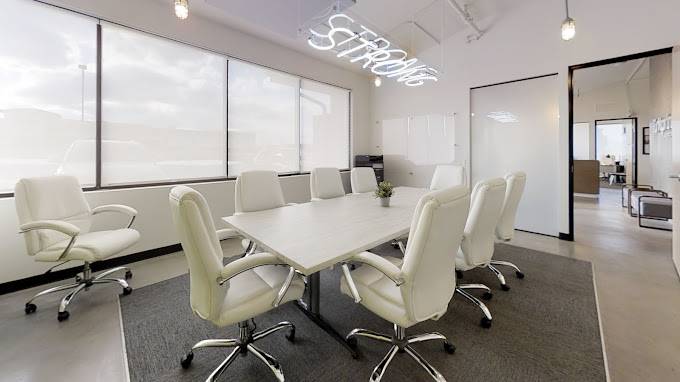





































































































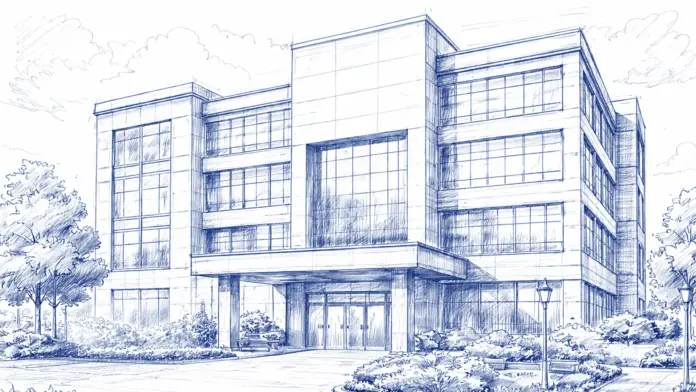
Now closed, the El Paso County Community Detoxification Facility in Colorado Springs, Colorado used to provide free detox services to adults struggling with substance abuse.
This facility used to operate with 20 beds available to clients beginning their recovery journey. Clients could effectively rely on safe withdrawal management services, including initial assessments and evaluations along with ongoing monitoring for safety purposes.
Discharge planning was also included to set individuals up for success in their recovery journey beyond the detox phase. Meanwhile, connections and referrals could be made on request to set individuals up with further care and specialized services.
The overall aim here was to offer effective addiction treatment services and a safe detox to clients through a collaborative approach.
Located near the El Paso County Jail and Police hubs, the center provided minimal support by way of comfort and accommodation according to former client reviews. Individuals noted issues with the facility’s cleanliness and hygiene as well as the quality of the food.
 40
40 
 Our Methodology


Financial aid can take many forms. Centers may have grants or scholarships available to clients who meet eligibility requirements. Programs that receive SAMHSA grants may have financial aid available for those who need treatment as well. Grants and scholarships can help you pai for treatment without having to repay.
 Free
FreeSelf-pay involves paying for treatment out of your own pocket. You can use savings or credit, get a personal loan, or receive help from family and friends to fund your treatment. If you don't have insurance or your insurance plan doesn't cover a specific program, self-pay can help ensure you still get the care you need.
Drug and alcohol addiction often takes a heavy toll on one's body. Over time, a physical dependence can develop, meaning the body physiologically needs the substance to function. Detox is the process of removing drugs and/or alcohol from the body, a process that can be lethal if mismanaged. Medical detox is done by licensed medical professionals who monitor vital signs and keep you safe, healthy, and as comfortable as possible as you go through detox and withdrawal.
Residential treatment programs are those that offer housing and meals in addition to substance abuse treatment. Rehab facilities that offer residential treatment allow patients to focus solely on recovery, in an environment totally separate from their lives. Some rehab centers specialize in short-term residential treatment (a few days to a week or two), while others solely provide treatment on a long-term basis (several weeks to months). Some offer both, and tailor treatment to the patient's individual requirements.
Sober Living Houses (SLHs), aka sober homes or halfway houses, are safe, substance-free, supportive living facilities for those recovering from substance abuse. Ideal for those who've just been through inpatient or outpatient treatment, SLHs are supervised environments with rules that support sobriety, such as curfews, shared chores, and therapeutic meetings. Residents are also often trained on life skills and coping skills to make it easier to transition into society. SLHs also provide a strong sense of community that can lead to the kind of deep and lasting connections with other sober individuals that supports a new, healthy lifestyle.
The goal of treatment for alcoholism is abstinence. Those with poor social support, poor motivation, or psychiatric disorders tend to relapse within a few years of treatment. For these people, success is measured by longer periods of abstinence, reduced use of alcohol, better health, and improved social functioning. Recovery and Maintenance are usually based on 12 step programs and AA meetings.
Professional services are often necessary to recover from addiction. Drug rehab in Colorado provides the expert services needed to address the complex issues of addiction and help individuals start their recovery journey.
Opioid rehabs specialize in supporting those recovering from opioid addiction. They treat those suffering from addiction to illegal opioids like heroin, as well as prescription drugs like oxycodone. These centers typically combine both physical as well as mental and emotional support to help stop addiction. Physical support often includes medical detox and subsequent medical support (including medication), and mental support includes in-depth therapy to address the underlying causes of addiction.
Substance rehabs focus on helping individuals recover from substance abuse, including alcohol and drug addiction (both illegal and prescription drugs). They often include the opportunity to engage in both individual as well as group therapy.
Adult rehab programs include therapies tailored to each client's specific needs, goals, and recovery progress. They are tailored to the specific challenges adult clients may face, including family and work pressures and commitments. From inpatient and residential treatment to various levels of outpatient services, there are many options available. Some facilities also help adults work through co-occurring conditions, like anxiety, that can accompany addiction.
Young adulthood can be an exciting, yet difficult, time of transition. Individuals in their late teens to mid-20s face unique stressors related to school, jobs, families, and social circles, which can lead to a rise in substance use. Rehab centers with dedicated young adult programs will include activities and amenities that cater to this age group, with an emphasis on specialized counseling, peer socialization, and ongoing aftercare.
Cognitive Behavioral Therapy (CBT) is a therapy modality that focuses on the relationship between one's thoughts, feelings, and behaviors. It is used to establish and allow for healthy responses to thoughts and feelings (instead of unhealthy responses, like using drugs or alcohol). CBT has been proven effective for recovering addicts of all kinds, and is used to strengthen a patient's own self-awareness and ability to self-regulate. CBT allows individuals to monitor their own emotional state, become more adept at communicating with others, and manage stress without needing to engage in substance abuse.
Group therapy is any therapeutic work that happens in a group (not one-on-one). There are a number of different group therapy modalities, including support groups, experiential therapy, psycho-education, and more. Group therapy involves treatment as well as processing interaction between group members.
In individual therapy, a patient meets one-on-one with a trained psychologist or counselor. Therapy is a pivotal part of effective substance abuse treatment, as it often covers root causes of addiction, including challenges faced by the patient in their social, family, and work/school life.
 Private Setting
 El Paso County Department of Human Services Executive Director
Support Services Director
Detox Specialist
Extremely rude and mean staff. The nurses throughout the night/day hours only take vitals and sith there overlooking the area, and they don’t accommodate a vegetarian diet. A lot of situations need to be addressed at this center.

Although I was hoping for an better outcome I left with a bad taste in my mouth, and an awful experience. First off, upon calling the detox center inquiring a new patient opening I was greeted professionally and my questions were answered. I was told to wait till the late evening before I admitted myself into the facility due to the pending discharges they had to complete prior to my arrival. I entered into the facility and did an initial intake qualification tests which was just an blood pressure check. I would have expected and been more challenged to stay if they did an initial urine analysis test upon entering and discharging from the facility, however they do not check your use statistics.)Anything above normal BP. 120/90, automatically qualifies you. They did the initial one on one check in. Than hand you a change of jail scrubs, jail shoes, non slip socks. All belongings except your couple of coloring books, one thing of markers, a hair brush can be kept with you everything else is placed in their keeping. Your given a bunk a cot a couple of blankets a sack lunch and a tub for your approved materials, and a jail cup. Not only was I taken back by the fact that this open round room was co-ed but that the bathroom and shower room areas as well were co-ed. You have to call out woman entering b4 u walk into the restroom incase it is currently occupied by a Male. The stalls and sinks and toilets were absolutely disgusting, trash n piss on the floors, feces in the toilet on the seats 🤢🤮 the sinks look like that have not been cleaned for months, no napkins in the dispensers I was surprised to actually see that the soap dispensers were actually filled. Underneath my cot was left over trash and crumbs from the visitor before me, the tub I was given was very dirty and sadly my towel and provided essentials were placed amongst it. I was not only disgusted but upset due to the fact that here I was self admitting to find a more beneficial cleansing, but it appeared to me as If I voluntarily placed myself in jail for free. The two women on shift throughout the night hours took vitals and sat overlooking the area, the same throughout the day shift. I self discharged with the assistance of an young lady and her supervisor that were not only very generous but understanding of my own personal reasoning and preference. I scheduled an appt with the nearest aspen pointe facilities mental health and substance use area to set up an discharge planning. I would highly unlikely recommend this center for any recovery center's. I'd rather attempt and fail on my own, vs. Staying there for 3days to longer period of a time. I apologize to the staff if this review upsets you all however, I feel that there needs to be alot of situations addressed there at the center. Thx to those whom assisted me into establishing my sobriety and recovery.

Btw, this is a free service so you can't ask for much. You sleep on a cot with a lot of people detoxing around you--hence the place being called "detox center". You get fed the worst food but you're still fed, which is nice even if I couldn't eat a meal. I was detoxing and having terrible withdraws from alcohol which was my own fault but they kept me in a very safe place. I'm a woman so I couldn't shower but all the other attendees were super polite about who was using the bathroom so I used them to clean myself. It sucks, I know, but we all ended up here for some reason or another. We were allowed to read, watch TV, and hang out so I met some wonderful people in the same position I was. I couldn't fill my glass from my shakes so a staff member helped me through it. Some of the staff were rough but there was a nice blonde lady and Kendall (?), Chris, and a cute braided-haired lady were so nice to us. I'm sad that this place gets so many bad reviews--these people take their time to make sure we're okay. I had a wonderful group experiencing something of the same thing so we had a pretty good time. My vitals were messed up and I was checked on often. Withdraw isn't pretty and mostly you have to go at it alone with medical help but the medications you take can be deadly. Most of the staff was so caring despite being bothered by clients even when those clients being aggressive. So thanks guys and I miss my buds dearly. I hope all goes well for you guys in the future because those in the same place, you managed to warm a person's heart so dearly. You guys are so charming and funny and deserve more than you think. Love you guys. <3 Worst part: food sucks. Please, just any seasoning would help. Also some staff members are very aggressive and you feel looked down upon.

Most of the staff their is very helpful. However one lady named Shara was very unprofessional. I woke up from detoxing from alcohol & asked for some vitamin c chews. She said no. I told her I felt like I was going to faint because along with my severe withdrawals I also have high blood pressure when she refused me again I told her I wanted to go home she got really rude with me and asked me how old I was when I told her I was 36 she said oh so how come you're still living with your mommy. At that point I demanded 2 leave. Not only are the bathrooms coed as well as the sleeping area and you have to wait if you have a stomach ache for some guy to get it out of the bathroom if your a girl and vice versa. Also they take your blood pressure while you're laying down when everybody knows your to be sitting up with your feet on the ground very unprofessional most staff is nice however the short grey haired lady with the glasses is completely rude sitting there eating her food at her desk and can't even give some vitamin C chews to somebody who has high blood pressure problems and is detoxing from alcohol the food that they serve isn't nourishing. Shara denied me my medical rights to receive my document stating when I came into detox and when I left. And threatened to have me sent to some place I would not like it and said that I did things that I didn't like slam tables. I did put the phone down because I couldn't get it to work. However it slipped off the hook I did not slam or get any violent like she said there's got to be cameras in that place so if you're looking to go there just be prepared that you have to share bathrooms with other men and the food is not nourishing and the one lady Shara is completely unprofessional. To add insult to injury she said the last time I was there the reason that I left was because I couldn't get my way however the last time I left I was released because I was too much of a risk because I didn't have my blood pressure pressure medication with me and my blood pressure would not go down. Detoxing from alcohol is very serious people need to be closely & correctly monitored and it is completely unprofessional to sit out at your desk and eat your food there should be a place in the back of brake place to eat your lunch instead of eating it in front of all the patients

 Back
Back
Sharing your insights and experiences can help others learn more about this rehab center.