








































































































The staff is composed of wonderful people, who understand what you have gone through and what you will go through. They had a life like us addicts and now they have a new life of their own
About Laurel Heights Hospital
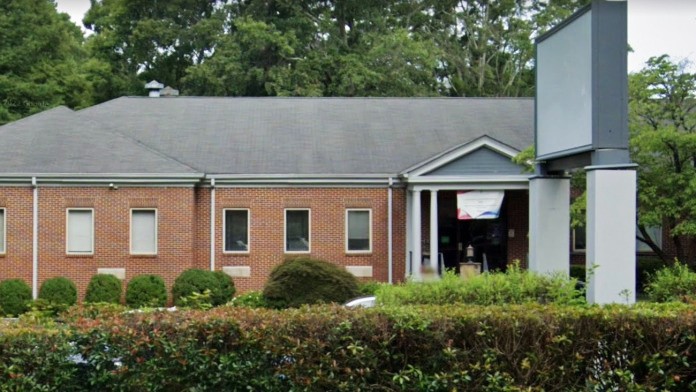
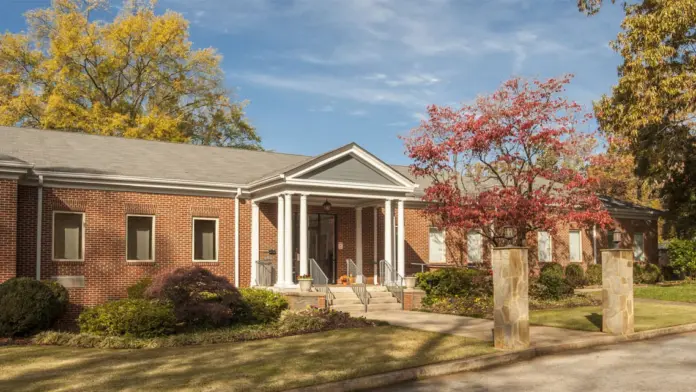
Laurel Heights Hospital provides inpatient and residential psychiatric and behavioral health services for children and adolescents ages six to 17. Located in Atlanta near Druid Hills/Briarcliff, the hospital welcomes clients from Georgia and neighboring states, offering a unique, youth-focused environment surrounded by gated, lush greenery.
Treating Complex Psychiatric, Behavioral, and Neurodevelopmental Youth
Laurel Heights Hospital is a pediatric facility that supports youth with complex psychiatric, behavioral, or neurodevelopmental challenges, including autism spectrum disorder, mood disorders, and trauma-related concerns. Their programs are designed to stabilize acute psychiatric crises, including dual diagnosis needs.
I’ve read the parent and guardian reviews where they often highlight the facility’s compassionate staff working with children. The staff’s experience with nonverbal and minimally verbal children, including those with serious behavioral complications, is positive, too.
Their treatment philosophy emphasizes individualized care planning, evidence-based therapies, and family involvement. Professional approaches include applied behavioral analysis (ABA) for children with autism spectrum disorder. Laurel Heights Hospital uses a team-based model involving psychiatrists, psychologists, therapists, nurses, and behavioral specialists.
Private and Protected Youth Facility
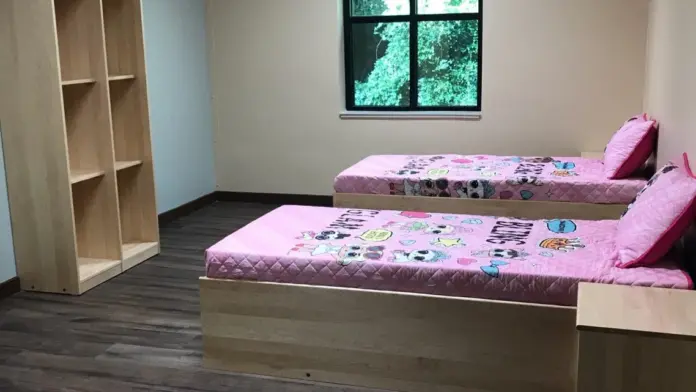
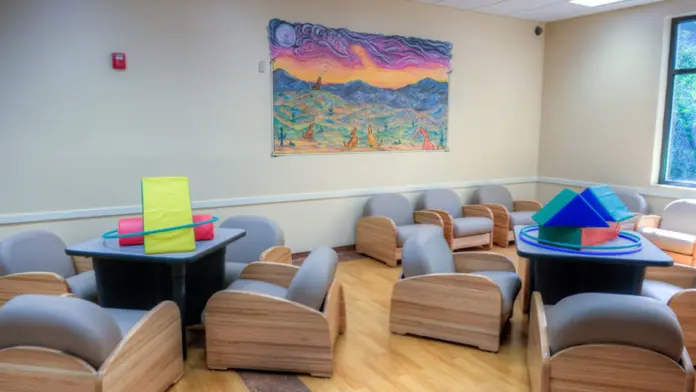
Laurel Heights Hospital provides a secure, gated campus. The facility has eight treatment units, as well as separate living areas for different age groups and specialized needs. There’s a private outdoor courtyard, play areas, and recreational places, providing a safe environment for the children attending.
The facility works with the educational system in Atlanta, Georgia, to provide continued schooling and educational services. There are classrooms and educational resources for these kids during their treatment, so they avoid falling behind in school. The facility also has a principal with more than 20 years in the education field, providing the best opportunities for children in the facility.
Fact checked and written by:
Maygen Brockway, MTC
Edited by:
Courtney Myers, MS
Facility Overview
 112
112 Number of Available Beds
 91+
91+ Avg Length of Stay in Days
Latest Reviews
I came here back in August of 2021, it was a pretty decent experience. I would have to say the staff and the outings was the best, idk if these staff is there anymore but shoutouts to. Ms. O, Ms. Nikki, and Mr. Troy, and Ms. Anistasia my therapist...people say that there diet there is bad but it really wasn't, yeah the food wasn't the best but at least it had flavor. on the unit was wild (in a good and bad way), it was fun cause we they had the TV playing and they let us color, play cards, do arts n crafts, and if we had a really good staff they would let us on the playground. and one time while i was there we had a dance battle against the other units and it was fun bc my untit won and it was js fun in general bc it was good to be able to get off the unit. but the only bad memory I had on the unit was when this one girl went crazy and wrote cuss words all over the unit in marker bc she got in trouble for tryna jump the fence n run away, and the fights between some of the patients but most of the time it was chill. so I dont really have anything really bad to say abt Laurel Heights.
Response from the owner5 months ago
Thank you for taking the time to leave us these kind comments. We'd like to learn more about any concerns you may have. At your convenience, please provide us with your contact information by visiting http://www.laurelheightshospital.com/contact-us. We hope to hear from you soon.
I recently just got out of Laurel heights hospital… not going to lie the first time I came I was a lil scared even cried a few times … some of the staff was so sweet and caring !!! I wanna say thanks to Ms.Shanae, Ms.AR, Ms.T, Mr.C and Mr.Bird … they all made my days there better … I am 17 years old and I know imma mess around and come back .. but for now imma tryna stay out of there and so better!!! Thanks to laurel heights I know I got a safe place to go to especially to get away from home for a mental break
Response from the owner5 months ago
Thank you for taking the time to give our staff a shout-out! Hearing kind words and sentiments such as these are always so meaningful. We will be sure to forward your positive messages along to our team. Take care, and we hope you are well!
They're so short staffed and I'm sure some of the employees just didnt care as much as some. It usually took around 2 hours, and us calling every 30 minutes just to get our child on the phone for his daily phone call. He also complained about always being thirsty, they definitely don't give them enough water. They also misdiagnosed him big time with very little detail. From fhe parts we could see it was dirty and smelly and just icky.
Response from the owner5 months ago
Thank you for bringing your concerns to our attention. We'd like to follow up with you directly so that we can further address them. At your convenience, please provide us with your contact information by visiting http://www.laurelheightshospital.com/contact-us. We hope to hear from you soon. 
Rehab Score
 Our Methodology
Scoring is assigned by a proprietary system which helps surface key metrics that determine quality. The 10-point scale factors in categories such as operations, customer satisfaction, and trust metrics. Read Full Methodology

5.6 / 10
Gallery

Other Forms of Payment
Private insurance refers to any kind of healthcare coverage that isn't from the state or federal government. This includes individual and family plans offered by an employer or purchased from the Insurance Marketplace. Every plan will have different requirements and out of pocket costs so be sure to get the full details before you start treatment.
Self-pay involves paying for treatment out of your own pocket. You can use savings or credit, get a personal loan, or receive help from family and friends to fund your treatment. If you don't have insurance or your insurance plan doesn't cover a specific program, self-pay can help ensure you still get the care you need.
Financial aid can take many forms. Centers may have grants or scholarships available to clients who meet eligibility requirements. Programs that receive SAMHSA grants may have financial aid available for those who need treatment as well. Grants and scholarships can help you pai for treatment without having to repay.
Military members, veterans, and eligible dependents have access to specific insurance programs that help them get the care they need. TRICARE and VA insurance can help you access low cost or no cost addiction and mental health treatment. Programs that accept military insurance often have targeted treatment focused on the unique challenges military members, veterans, and their families face.
Medicaid is a state based program that helps lower-income individuals and families pay for healthcare. Medicaid covers addiction treatment so those enrolled can use their coverage to pay for rehab. When a program accepts Medicaid the client often pays very little or nothing out of their own pocket.
Addiction Treatments
Levels of Care
Residential treatment programs are those that offer housing and meals in addition to substance abuse treatment. Rehab facilities that offer residential treatment allow patients to focus solely on recovery, in an environment totally separate from their lives. Some rehab centers specialize in short-term residential treatment (a few days to a week or two), while others solely provide treatment on a long-term basis (several weeks to months). Some offer both, and tailor treatment to the patient's individual requirements.
Treatments
Many of those suffering from addiction also suffer from mental or emotional illnesses like schizophrenia, bipolar disorder, depression, or anxiety disorders. Rehab and other substance abuse facilities treating those with a dual diagnosis or co-occurring disorder administer psychiatric treatment to address the person's mental health issue in addition to drug and alcohol rehabilitation.
Mental health rehabs focus on helping individuals recover from mental illnesses like bipolar disorder, clinical depression, anxiety disorders, schizophrenia, and more. Mental health professionals at these facilities are trained to understand and treat mental health issues, both in individual and group settings.
Clinical Services
Cognitive Behavioral Therapy (CBT) is a therapy modality that focuses on the relationship between one's thoughts, feelings, and behaviors. It is used to establish and allow for healthy responses to thoughts and feelings (instead of unhealthy responses, like using drugs or alcohol). CBT has been proven effective for recovering addicts of all kinds, and is used to strengthen a patient's own self-awareness and ability to self-regulate. CBT allows individuals to monitor their own emotional state, become more adept at communicating with others, and manage stress without needing to engage in substance abuse.
Group therapy is any therapeutic work that happens in a group (not one-on-one). There are a number of different group therapy modalities, including support groups, experiential therapy, psycho-education, and more. Group therapy involves treatment as well as processing interaction between group members.
In individual therapy, a patient meets one-on-one with a trained psychologist or counselor. Therapy is a pivotal part of effective substance abuse treatment, as it often covers root causes of addiction, including challenges faced by the patient in their social, family, and work/school life.
Trauma therapy addresses traumatic incidents from a client's past that are likely affecting their present-day experience. Trauma is often one of the primary triggers and potential causes of addiction, and can stem from child sexual abuse, domestic violence, having a parent with a mental illness, losing one or both parents at a young age, teenage or adult sexual assault, or any number of other factors. The purpose of trauma therapy is to allow a patient to process trauma and move through and past it, with the help of trained and compassionate mental health professionals.
Research clearly demonstrates that recovery is far more successful and sustainable when loved ones like family members participate in rehab and substance abuse treatment. Genetic factors may be at play when it comes to drug and alcohol addiction, as well as mental health issues. Family dynamics often play a critical role in addiction triggers, and if properly educated, family members can be a strong source of support when it comes to rehabilitation.
Experiential therapy is a form of therapy in which clients are encouraged to surface and work through subconscious issues by engaging in real-time experiences. Experiential therapy departs from traditional talk therapy by involving the body, and having clients engage in activities, movements, and physical and emotional expression. This can involve role-play or using props (which can include other people). Experiential therapy can help people process trauma, memories, and emotion quickly, deeply, and in a lasting fashion, leading to substantial and impactful healing.
Amenities
-
 Residential Setting
Staff & Accreditations
Staff

Adewale Okeleji, MD
Medical Director

Corey Jackson
CEO
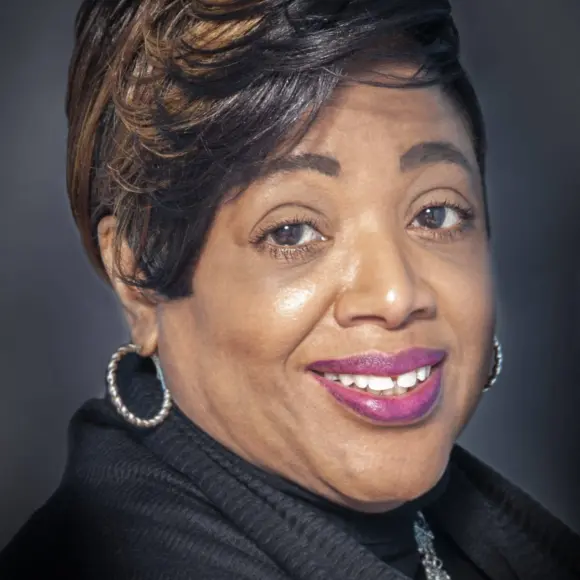
Saundra Newsum
HR Director
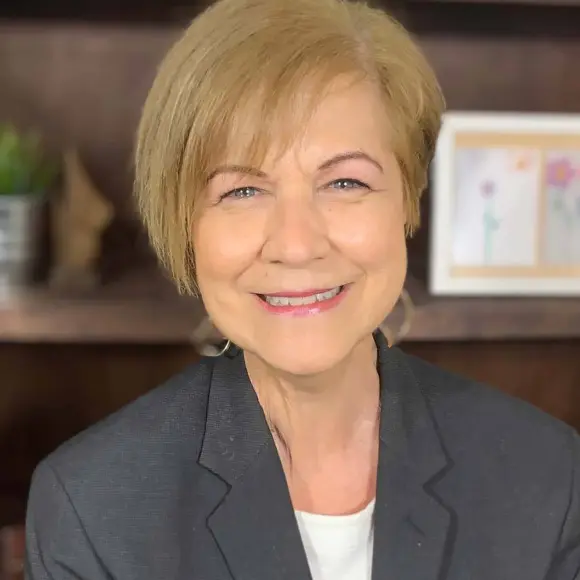
Mary Moore
Director of Risk Management & Quality Improvement

Christi Mcleod, LMSW
Admissions Director
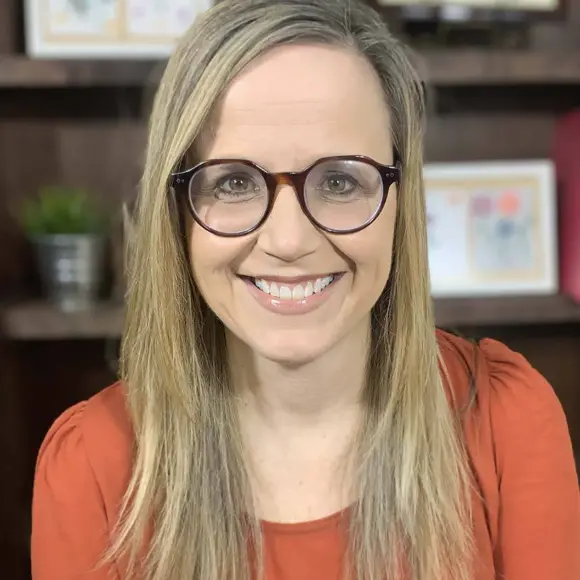
Marya Marcum-Jones, EdS
Director of Education/Principal

Petruska Bryant-Levert
Therapeutic Foster Care Director

Sonya Rice, MBA
Business Development Director
Accreditations

The Joint Commission, formerly known as JCAHO, is a nonprofit organization that accredits rehab organizations and programs. Founded in 1951, the Joint Commision's mission is to improve the quality of patient care and demonstrating the quality of patient care.
Joint Commission Accreditation: Yes
Contact Information

934 Briarcliff Road NE
Atlanta, GA 30306
Get Help Now - 470-866-4553
Sponsored Helpline
Sponsored Helpline

