






























































































Employee safety and well-being are not a priority at this company. Multiple staff members have been assaulted by clients. One employee was slapped in the parking lot by a client who was carrying a gun. Another was tackled to the ground and is now dealing with a broken leg an ...
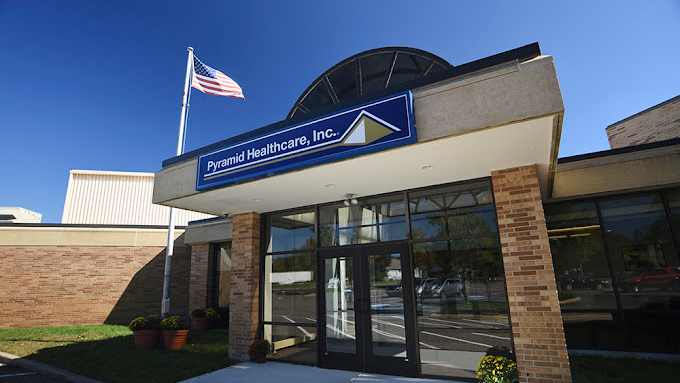
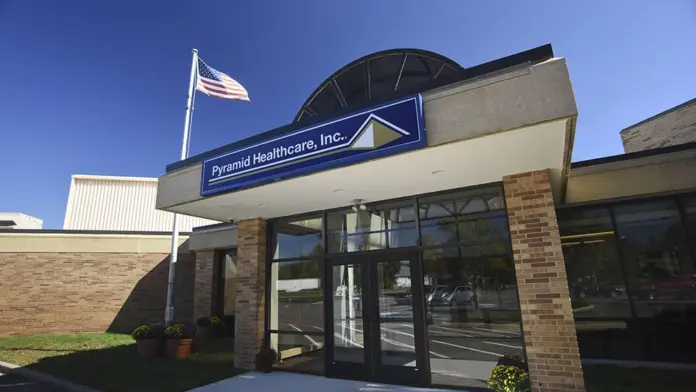
About Pyramid Healthcare Inc. – Hammonton
Pyramid Healthcare Inc. provides addiction treatment in Hammonton, New Jersey specializing in opioid use disorder care for adults.
The facility offers medication, structured outpatient programming and integrated support for co-occurring mental health conditions.
Pyramid Healthcare empowers individuals struggling with addiction to take control of their lives through individualized care designed to fit real-world schedules and needs.
Opioid Treatment and Medication-Assisted Recovery
The Hammonton location’s core focus is opioid treatment for individuals dependent on prescription pain medications and heroin.
Through its Opioid Treatment Program (OTP) the team provides structured outpatient care and ongoing recovery support.
Medication-assisted treatment, including options such as methadone and buprenorphine may be used to reduce cravings and withdrawal symptoms.
Clients work through individual counseling to address recovery goals, while group sessions build peer support and reinforce coping skills.
Family involvement may be incorporated to strengthen long-term recovery. Treatment also emphasizes relapse prevention education and recovery support services.
Integrated Dual-Diagnosis Care
Pyramid Healthcare offers integrated treatment for individuals facing substance use disorders alongside co-occurring mental health conditions.
The team addresses underlying mental health concerns that may contribute to substance use, helping clients build a more stable foundation for lasting recovery.
Latest Reviews
Hello , my name is Rene Larson . I spent 3-1/2 months at your facility 4 years ago today . I just wanted to share .
I’m wishing a Happy 4 years of being clean off of meth to myself. I posted back in 2023 asking for ideas on what would help me to succeed in my journey. I did choose on my own to go to rehab for 3-1/2 months , I’ve come a long way thankfully. Meetings didn’t work for me due to me not wanting all of my personal business out there. I chose instead to take this journey alone as I’ve done since childhood . Being stubborn/ resilient ,being strong willed as well as a Sagittarius , I song the song Jesus Take the wheel , and handed it up . I’m not religious but I do believe. What I will say is that even when I used I payed attention to people , places and surroundings that I knew I shouldn’t have been in . I played dumb because some thought I was. lol Far from it . What I will say , take one day at a time , remember where your addiction took you . The person on people that gave it to you aren’t your “friends”. There drug acquaintances ! Being thankful that I wasn’t out on the streets buying it , or any form of entertainment to get it. I was in a situation ship with the person whom offered it to me and I blame myself for saying yes !Yes I take accountability for my own actions . Do what works for you be it a meeting, sponsor, or just believing in your higher power . Remember the most important thing is “YOU” are worth every minute of your sobriety. Have a great day everyone.
This place helps ppl save their lives.
Great staff and good food.
The staff are what makes the place great.

Rehab Score
 Our Methodology
Scoring is assigned by a proprietary system which helps surface key metrics that determine quality. The 10-point scale factors in categories such as operations, customer satisfaction, and trust metrics. Read Full Methodology

6.5 / 10
Gallery
Other Forms of Payment
Private insurance refers to any kind of healthcare coverage that isn't from the state or federal government. This includes individual and family plans offered by an employer or purchased from the Insurance Marketplace. Every plan will have different requirements and out of pocket costs so be sure to get the full details before you start treatment.
Self-pay involves paying for treatment out of your own pocket. You can use savings or credit, get a personal loan, or receive help from family and friends to fund your treatment. If you don't have insurance or your insurance plan doesn't cover a specific program, self-pay can help ensure you still get the care you need.
Medicaid is a state based program that helps lower-income individuals and families pay for healthcare. Medicaid covers addiction treatment so those enrolled can use their coverage to pay for rehab. When a program accepts Medicaid the client often pays very little or nothing out of their own pocket.
Addiction Treatments
Levels of Care
Outpatient rehabs enable clients to receive a full continuum of care while continuing to live at home. They're often ideal for clients who are stepping down from inpatient care but some clients may prefer to transition into outpatient treatment immediately after completing detox. Many outpatient facilities also offer ambulatory medical detox for low-risk clients. Outpatient treatment generally includes psychotherapy and life skills training. Clients in opioid and/or alcohol recovery may also receive medication assisted treatment (MAT).
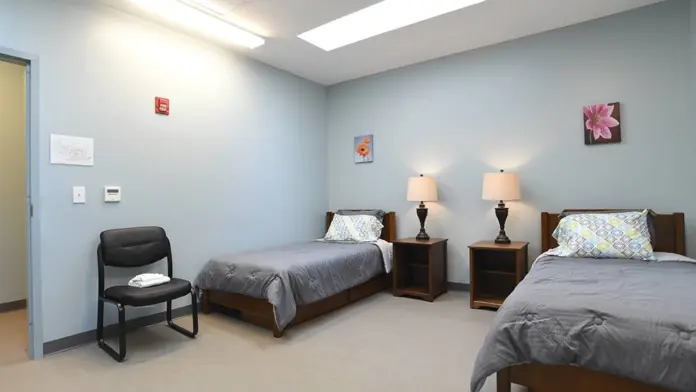
Residential treatment programs are those that offer housing and meals in addition to substance abuse treatment. Rehab facilities that offer residential treatment allow patients to focus solely on recovery, in an environment totally separate from their lives. Some rehab centers specialize in short-term residential treatment (a few days to a week or two), while others solely provide treatment on a long-term basis (several weeks to months). Some offer both, and tailor treatment to the patient's individual requirements. Linden Oaks' Residential Stay Program offers additional support for those who may benefit from a structured living environment. A patient's stay may vary from a few days to 30 days ago. The program includes group, family and individual counseling.
Participants in 12 step programs engage in a rigorous process of personal growth as a cornerstone of long-term recovery. They are expected to attend anonymous, peer-led 12 step meetings, which are free, open to the public, and available multiple times per day in most communities. Though these programs are rooted in spiritual principles, religious affiliation is not required. Self-selected peer sponsors mentor participants as they work through the 12 steps, learning forgiveness, understanding, acceptance, and accountability.
24-hour clinical care in New Jersey provides a setting where you can withdraw from alcohol or drugs under close monitoring of experienced medical staff. These trained professionals can intervene at any time if needed. They can prescribe medications to reduce cravings and physical discomfort. Mental health professionals are also available to address any emotional and psychological challenges you experience as you begin your recovery journey.
Drug and alcohol addiction often takes a heavy toll on one’s body. Over time, a physical dependence can develop, meaning the body physiologically needs the substance to function. Detox is the process of removing drugs and/or alcohol from the body, a process that can be lethal if mismanaged. Medical detox is done by licensed medical professionals who monitor vital signs and keep you safe, healthy, and as comfortable as possible as you go through detox and withdrawal.
Programs
Adult rehab programs include therapies tailored to each client's specific needs, goals, and recovery progress. They are tailored to the specific challenges adult clients may face, including family and work pressures and commitments. From inpatient and residential treatment to various levels of outpatient services, there are many options available. Some facilities also help adults work through co-occurring conditions, like anxiety, that can accompany addiction.
Clinical Services
Building life skills allows you to demolish negative patterns of behavior and build new, healthy patterns. By building new thought processes, coping strategies, and behaviors, you establish a solid foundation for recovery.
Amenities
-
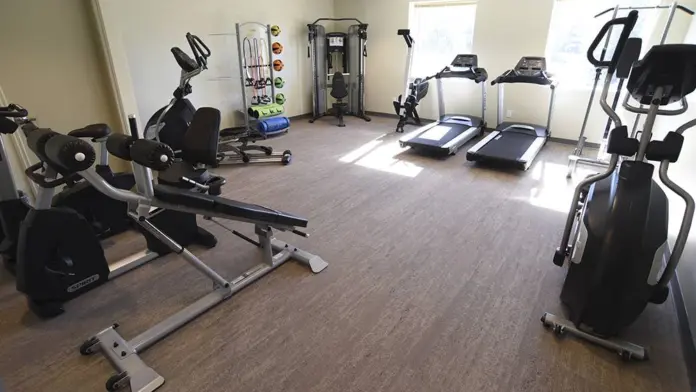
 Gym
Gym
Staff & Accreditations
Staff
Dominic Barone
Vice President of Operations
Stephanie Thomas
Regional Director of Marketing
Accreditations

The Commission on Accreditation of Rehabilitation Facilities (CARF) is a non-profit organization that specifically accredits rehab organizations. Founded in 1966, CARF's, mission is to help service providers like rehab facilities maintain high standards of care.
CARF Accreditation: Yes
Rehab.com regularly reviews this listing for accuracy but changes may occur between updates. For the most up-to-date information, please contact Pyramid Healthcare Inc. – Hammonton.
Contact Information

600 S White Horse Pike
Hammonton, NJ 08037
Get Help Now - 856-460-9043
Sponsored Helpline
Sponsored Helpline


