





























































































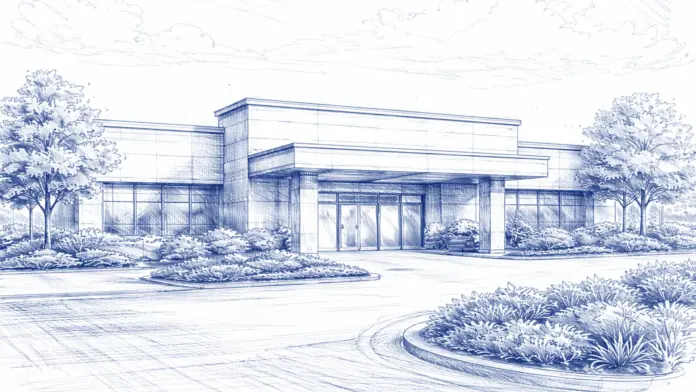
About Tooele County Outpatient Clinic | Valley Behavioral Health
As part of their outpatient treatment Valley Behavioral Health utilizes targeted programs. The organization runs an Assertive Community Treatment (ACT) program for people living with severe mental illness and/or co occurring substance use disorders who are at high risk of crisis, homelessness, or contact with the justice system. The ACT program is a 24 hour outreach service that can help prevent hospitalization or incarceration.
Plus, in its own county of Tooele, the clinic is working with the local jail to treat behavioral health needs among inmates. These services are focused on the mental health and substance use needs of those in the criminal justice system, including a Forensics Program to provide continuity of care for individuals on parole or probation.
Another thing that makes this Tooele Outpatient Clinic unique is its integration into the community. They have a Community Treatment and Outreach program that promotes awareness and fights stigmas about mental health and substance use disorders. The mix of outpatient flexibility along with specialized programs and community integration provides a vital resource in Tooele County.
Latest Reviews



Rehab Score
 Our Methodology


Location
Other Forms of Payment
Private insurance refers to any kind of healthcare coverage that isn't from the state or federal government. This includes individual and family plans offered by an employer or purchased from the Insurance Marketplace. Every plan will have different requirements and out of pocket costs so be sure to get the full details before you start treatment.
Self-pay involves paying for treatment out of your own pocket. You can use savings or credit, get a personal loan, or receive help from family and friends to fund your treatment. If you don't have insurance or your insurance plan doesn't cover a specific program, self-pay can help ensure you still get the care you need.
Medicaid is a state based program that helps lower-income individuals and families pay for healthcare. Medicaid covers addiction treatment so those enrolled can use their coverage to pay for rehab. When a program accepts Medicaid the client often pays very little or nothing out of their own pocket.
Addiction Treatments
Levels of Care
Outpatient Programs (OP) are for those seeking mental rehab or drug rehab, but who also stay at home every night. The main difference between outpatient treatment (OP) and intensive outpatient treatment (IOP) lies in the amount of hours the patient spends at the facility. Most of the time an outpatient program is designed for someone who has completed an inpatient stay and is looking to continue their growth in recovery. Outpatient is not meant to be the starting point, it is commonly referred to as aftercare.
Addiction treatment at an inpatient rehab center is significantly more intensive than outpatient and community-based care. Clients remain at the facility for the duration of their program, though many centers offer supervised group excursions. Inpatient treatment typically consists of extensive psychotherapy, often including group and family counseling. Many programs also prioritize addiction education and recovery-focused life skills training. Holistic therapies, such as yoga, art therapy, EMDR, and meditation, are commonly available as well.
Clients receiving services in a rehab aftercare program have generally been stable and sober for a period of weeks and months and no longer require high intensity treatment. Many have stepped down from inpatient rehab to outpatient treatment. Others have been discharged from formal treatment but need support in maintaining their sobriety. Clients typically work with their case manager and care team to develop a long-term care plan that aligns with their unique needs and goals.
Each sober living home in Utah is a residence, not a treatment center. This setting does not provide clinical or medical treatment, but many residents attend recovery groups or outpatient rehab while staying at the home. The setting, also called a halfway house, offers a balance between structure and accountability and living in the "real world," to help people transition from treatment to everyday life.
If your friend or family member is suffering physically or psychologically from substance use but denies there is a problem, it might be time for a drug intervention in Utah. This process involves meeting with an intervention specialist from a facility's intervention services program. This specialist will interview family members to gain an understanding of the situation, then facilitate the intervention. Their expertise can prove invaluable in navigating this complex confrontation.
Medical detox is the safest way to remove addictive substances from your body under the care of medical professionals. In an inpatient environment, you'll be monitored 24/7 by doctors, nurses, and clinical experts, who will help keep you as safe and comfortable as possible and administer medication if needed to treat any withdrawal symptoms. The process may take up to a week or longer depending on your needs, and is often at least partially covered by insurance.
Treatments
When treating substance use disorder and a mental health condition, the best approach is to treat both conditions at the same time. Known as dual diagnosis treatment, this kind of specialized care provides you with 24/7 access to medical and mental health professionals, group therapy in order to provide a supportive peer group, and family therapy which helps to improve relationships with loved ones.
Substance rehabs focus on helping individuals recover from substance abuse, including alcohol and drug addiction (both illegal and prescription drugs). They often include the opportunity to engage in both individual as well as group therapy.
Programs
Adult rehab programs include therapies tailored to each client's specific needs, goals, and recovery progress. They are tailored to the specific challenges adult clients may face, including family and work pressures and commitments. From inpatient and residential treatment to various levels of outpatient services, there are many options available. Some facilities also help adults work through co-occurring conditions, like anxiety, that can accompany addiction.
Young adulthood can be an exciting, yet difficult, time of transition. Individuals in their late teens to mid-20s face unique stressors related to school, jobs, families, and social circles, which can lead to a rise in substance use. Rehab centers with dedicated young adult programs will include activities and amenities that cater to this age group, with an emphasis on specialized counseling, peer socialization, and ongoing aftercare.
Clinical Services
Cognitive Behavioral Therapy (CBT) is a therapy modality that focuses on the relationship between one's thoughts, feelings, and behaviors. It is used to establish and allow for healthy responses to thoughts and feelings (instead of unhealthy responses, like using drugs or alcohol). CBT has been proven effective for recovering addicts of all kinds, and is used to strengthen a patient's own self-awareness and ability to self-regulate. CBT allows individuals to monitor their own emotional state, become more adept at communicating with others, and manage stress without needing to engage in substance abuse.
Dialectical Behavior Therapy (DBT) is a modified form of Cognitive Behavioral Therapy (CBT), a treatment designed to help people understand and ultimately affect the relationship between their thoughts, feelings, and behaviors. DBT is often used for individuals who struggle with self-harm behaviors, such as self-mutilation (cutting) and suicidal thoughts, urges, or attempts. It has been proven clinically effective for those who struggle with out-of-control emotions and mental health illnesses like Borderline Personality Disorder.
Community building is an important aspect of group therapy sessions in Utah. The sense of community building among participants encourages more transparent sharing of experiences in a judgment free environment. You create strong bonds with the people in your group that support your journey to recovery.
During individual therapy, men and women in Utah work with their therapists to build healthier daily habits and create coping strategies to manage stress. These are two components necessary for sustained sobriety and improved overall health.
Trauma therapy addresses traumatic incidents from a client's past that are likely affecting their present-day experience. Trauma is often one of the primary triggers and potential causes of addiction, and can stem from child sexual abuse, domestic violence, having a parent with a mental illness, losing one or both parents at a young age, teenage or adult sexual assault, or any number of other factors. The purpose of trauma therapy is to allow a patient to process trauma and move through and past it, with the help of trained and compassionate mental health professionals.
Couples at any stage of their relationship may benefit from couples therapy in Utah. It is designed to keep relationships on the right path by teaching both partners healthy forms of communication and conflict resolution.
Family therapists work with all members of the family unit to understand the impact that addiction has had on the family collectively and individually. Together they develop strategies to help their loved one recover. The therapist facilitates open discussions between family members to help build resilience and improve interactions. Ultimately, this supports their loved one's path to sobriety.
Life skills training helps you handle the daily obligations of work, school, and family. It rebuilds your self awareness and self confidence so you can face these challenges with healthy coping strategies rather than succumb to relapse.
Recreational therapy helps you in your addiction recovery program by improving your overall well being. Activities can include sports, music, and nature excursions that give you positive experiences, reduce your cravings, and offer the opportunity to reduce your stress. These aid in your addiction recovery.
Amenities
-
 Gym
Gym -
 Yoga Studio
 -
 Residential Setting
 -
 Private Rooms
Staff
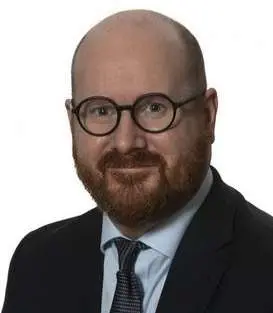
Jared Sanford
President & CEO
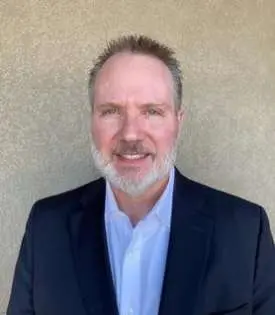
Steve Havertz
VP of Adult Services
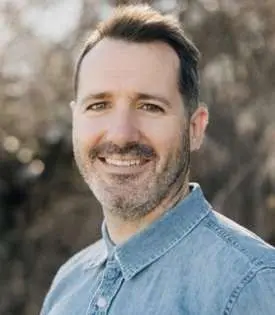
Russell Opatz
VP of Housing & Support Services

Jullie Rael
VP of Quality Assurance & Corporate
Rehab.com regularly reviews this listing for accuracy but changes may occur between updates. For the most up-to-date information, please contact Tooele County Outpatient Clinic | Valley Behavioral Health.
Contact Information


100 S 1000 W
Tooele, UT 84074
Sponsored Helpline



