My experience was a little rough at first but the fifth generation would work for me I gotta quit rushing everything and mean business. Very respectful and kind people u work with and it is hard but if u learn to take it one day at as time than you will be alright stay on ...
About 5th Generation Healing Center
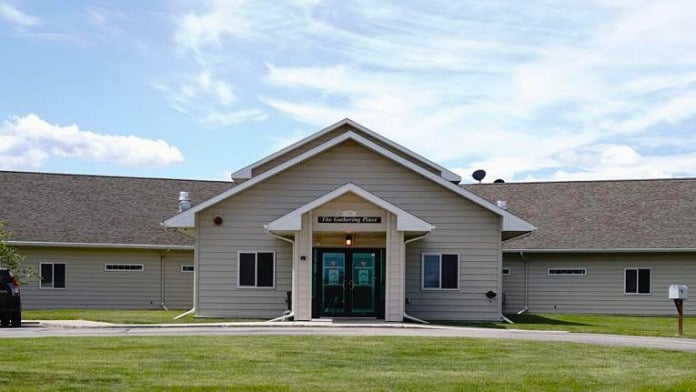
Fifth Generation Healing Center in Belcourt, North Dakota, is a drug rehab facility that provides care to young adults and adults, regardless of gender. Medicaid and Medicare are accepted, along with military and private insurance plans. Self-pay is also an option, with payment assistance and sliding scale fees also available based on income.
Prevention, Intervention, and Treatment for Addiction
The center operates on a clear model of prevention, intervention, and treatment when it comes to substance abuse. Its preventative measures ensure educational presentations occur in schools on a regular basis to promote healthy living and to warn of the dangers of addiction.
Intervention methods include intake, regular screenings, as well as thorough consultation and evaluation services to help accurately diagnose your particular substance abuse issues.
Finally, treatment here is offered through several avenues, including 24-hour residential inpatient services in the center’s dedicated 10-bed facility. Other options include day treatment, structured educational programs, and personalized outpatient care. Aftercare and relapse support services are also available post-treatment for individuals needing ongoing follow-up care.
Culturally Involved Treatment in a Natural Setting
You’ll find the center near Belcourt in a beautiful and serene natural environment. Some of the facility’s unique features include medicinal gardens and a healing forest. There are also sweat lodges and tipis to support more holistic, cultural healing practices. This is also part of the center’s attempt to incorporate Native American teachings as part of their culturally sensitive and involved treatment approach.
Further plans for treatment include eventual equine therapy and confidence courses. A large emphasis is also placed on family participation for more effective treatment results.

Facility Overview
Rehab Score
Other Forms of Payment
Financial aid can take many forms. Centers may have grants or scholarships available to clients who meet eligibility requirements. Programs that receive SAMHSA grants may have financial aid available for those who need treatment as well. Grants and scholarships can help you pai for treatment without having to repay.
Medicaid is a state based program that helps lower-income individuals and families pay for healthcare. Medicaid covers addiction treatment so those enrolled can use their coverage to pay for rehab. When a program accepts Medicaid the client often pays very little or nothing out of their own pocket.
Medicare is a federal program that provides health insurance for those 65 and older. It also serves people under 65 with chronic and disabling health challenges. To use Medicare for addiction treatment you need to find a program that accepts Medicare and is in network with your plan. Out of pocket costs and preauthorization requirements vary, so always check with your provider.
Military members, veterans, and eligible dependents have access to specific insurance programs that help them get the care they need. TRICARE and VA insurance can help you access low cost or no cost addiction and mental health treatment. Programs that accept military insurance often have targeted treatment focused on the unique challenges military members, veterans, and their families face.
Addiction Treatments
Levels of Care
Outpatient Programs (OP) are for those seeking mental rehab or drug rehab, but who also stay at home every night. The main difference between outpatient treatment (OP) and intensive outpatient treatment (IOP) lies in the amount of hours the patient spends at the facility. Most of the time an outpatient program is designed for someone who has completed an inpatient stay and is looking to continue their growth in recovery. Outpatient is not meant to be the starting point, it is commonly referred to as aftercare.
Intensive Outpatient Programs (IOP) are for those who want or need a very structured treatment program but who also wish to live at home and continue with certain responsibilities (such as work or school). IOP substance abuse treatment programs vary in duration and intensity, and certain outpatient rehab centers will offer individualized treatment programs.
Residential treatment programs are those that offer housing and meals in addition to substance abuse treatment. Rehab facilities that offer residential treatment allow patients to focus solely on recovery, in an environment totally separate from their lives. Some rehab centers specialize in short-term residential treatment (a few days to a week or two), while others solely provide treatment on a long-term basis (several weeks to months). Some offer both, and tailor treatment to the patient's individual requirements.
Sober Living Houses (SLHs), aka sober homes or halfway houses, are safe, substance-free, supportive living facilities for those recovering from substance abuse. Ideal for those who've just been through inpatient or outpatient treatment, SLHs are supervised environments with rules that support sobriety, such as curfews, shared chores, and therapeutic meetings. Residents are also often trained on life skills and coping skills to make it easier to transition into society. SLHs also provide a strong sense of community that can lead to the kind of deep and lasting connections with other sober individuals that supports a new, healthy lifestyle.
Treatments
The goal of treatment for alcoholism is abstinence. Those with poor social support, poor motivation, or psychiatric disorders tend to relapse within a few years of treatment. For these people, success is measured by longer periods of abstinence, reduced use of alcohol, better health, and improved social functioning. Recovery and Maintenance are usually based on 12 step programs and AA meetings.
The goal of drug rehab in North Dakota is to help individuals overcome addiction. These programs provide treatment for both mind and body and teach participants how to live healthy, productive lives without drug abuse.
Opioid rehabs specialize in supporting those recovering from opioid addiction. They treat those suffering from addiction to illegal opioids like heroin, as well as prescription drugs like oxycodone. These centers typically combine both physical as well as mental and emotional support to help stop addiction. Physical support often includes medical detox and subsequent medical support (including medication), and mental support includes in-depth therapy to address the underlying causes of addiction.

Substance rehabs focus on helping individuals recover from substance abuse, including alcohol and drug addiction (both illegal and prescription drugs). They often include the opportunity to engage in both individual as well as group therapy.
Programs
Adult rehab programs include therapies tailored to each client's specific needs, goals, and recovery progress. They are tailored to the specific challenges adult clients may face, including family and work pressures and commitments. From inpatient and residential treatment to various levels of outpatient services, there are many options available. Some facilities also help adults work through co-occurring conditions, like anxiety, that can accompany addiction.
Clinical Services
Group therapy is any therapeutic work that happens in a group (not one-on-one). There are a number of different group therapy modalities, including support groups, experiential therapy, psycho-education, and more. Group therapy involves treatment as well as processing interaction between group members.
Staff
Glen Longie
Program Director
Terry Jerome
Clinical Director
Annette Charette
Office Manager
Contact Information
Highway 5
P.O. Box 520
Belcourt, ND 58316