










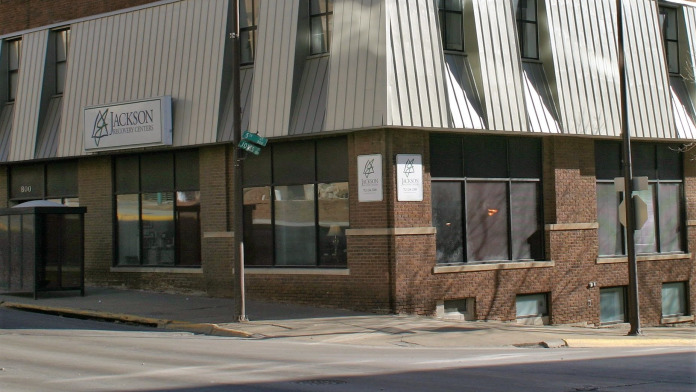
Rosecrance Jackson Centers
Sioux City, Iowa




















































































QNBMHCF PHS Indian Hospital – Behavioral Health provides comprehensive treatment services that are culturally sensitive. Services include:
Outpatient
Individuals can meet with a counselor for individual therapy, group therapy, or family therapy. Couples counseling is also provided. Topics include grief and loss, anxiety and depression, mental health issues, addiction, relationship issues, communication difficulties, health and disease complications, anger management, and trauma.
Dual Diagnosis
Individuals who struggle with mental health conditions and substance use disorder are known as having dual diagnosis, or co-occurring disorders. Treating both conditions simultaneously allows for a greater sense of well-being, improved mental health, and a higher chance of success with addiction treatment long-term. If a higher level of care is needed, individuals may be referred to an inpatient program.

 27
27 
 Our Methodology


Private insurance refers to any kind of healthcare coverage that isn't from the state or federal government. This includes individual and family plans offered by an employer or purchased from the Insurance Marketplace. Every plan will have different requirements and out of pocket costs so be sure to get the full details before you start treatment.
Self-pay involves paying for treatment out of your own pocket. You can use savings or credit, get a personal loan, or receive help from family and friends to fund your treatment. If you don't have insurance or your insurance plan doesn't cover a specific program, self-pay can help ensure you still get the care you need.
Financial aid can take many forms. Centers may have grants or scholarships available to clients who meet eligibility requirements. Programs that receive SAMHSA grants may have financial aid available for those who need treatment as well. Grants and scholarships can help you pai for treatment without having to repay.
Sliding scale payments are based on a client's income and family size. The goal is to make treatment affordable to everyone. By taking these factors into account, addiction recovery care providers help ensure that your treatment does not become a financial burden to you or your family, eliminating one barrier to care.
Medicare is a federal program that provides health insurance for those 65 and older. It also serves people under 65 with chronic and disabling health challenges. To use Medicare for addiction treatment you need to find a program that accepts Medicare and is in network with your plan. Out of pocket costs and preauthorization requirements vary, so always check with your provider.
Military members, veterans, and eligible dependents have access to specific insurance programs that help them get the care they need. TRICARE and VA insurance can help you access low cost or no cost addiction and mental health treatment. Programs that accept military insurance often have targeted treatment focused on the unique challenges military members, veterans, and their families face.
Medicaid is a state based program that helps lower-income individuals and families pay for healthcare. Medicaid covers addiction treatment so those enrolled can use their coverage to pay for rehab. When a program accepts Medicaid the client often pays very little or nothing out of their own pocket.
Outpatient Programs (OP) are for those seeking mental rehab or drug rehab, but who also stay at home every night. The main difference between outpatient treatment (OP) and intensive outpatient treatment (IOP) lies in the amount of hours the patient spends at the facility. Most of the time an outpatient program is designed for someone who has completed an inpatient stay and is looking to continue their growth in recovery. Outpatient is not meant to be the starting point, it is commonly referred to as aftercare.
Clients receiving treatment in an intensive outpatient program (IOP) often require higher-level support than those in standard outpatient (OP) programs. They are usually in early recovery or are experiencing crisis situations that increase their relapse risk. Intensive outpatient treatment generally involves nine to 20 hours of treatment weekly and may include a combination of addiction counseling, recovery education, medication assisted treatment (MAT), and holistic therapies, such as meditation, acupuncture, and massage.
Clients engaged in a rehab aftercare program may be receiving outpatient treatment or they may have already been discharged from formal treatment after completing intensive inpatient and/or outpatient care. These programs are designed to support clients' long-term sobriety through a robust continuum of care customized for clients' unique and evolving needs. Peer coaching, career counseling, relapse prevention, and 12 step program induction are among the most common rehab aftercare services.
Medically assisted detox involves weaning your body off alcohol and drugs in a medically supervised environment. This is often the first step in the addiction recovery process. Abruptly stopping intake of alcohol and some drugs (like benzodiazepines and opioids) can cause uncomfortable side effects. In severe cases, withdrawal symptoms can even be dangerous. To minimize risks and discomfort, a team of medical professionals will monitor you 24/7, and may provide medications if necessary to ease potential withdrawal symptoms.
Many of those suffering from addiction also suffer from mental or emotional illnesses like schizophrenia, bipolar disorder, depression, or anxiety disorders. Rehab and other substance abuse facilities treating those with a dual diagnosis or co-occurring disorder administer psychiatric treatment to address the person's mental health issue in addition to drug and alcohol rehabilitation.
Mental health and substance abuse treatment in North Dakota provides holistic care for individuals with co-occurring substance use disorders and mental health challenges. These outpatient and inpatient programs are staffed by clinicians who utilize a range of evidence-based therapies, psychoeducation, recovery groups, and 12-step programming to support your recovery and improve your mental health. The benefits of dual-diagnosis treatment are improved mental health and well-being and you'll have learned the tools to sustain your recovery.
Adult rehab programs include therapies tailored to each client's specific needs, goals, and recovery progress. They are tailored to the specific challenges adult clients may face, including family and work pressures and commitments. From inpatient and residential treatment to various levels of outpatient services, there are many options available. Some facilities also help adults work through co-occurring conditions, like anxiety, that can accompany addiction.
Young adulthood can be an exciting, yet difficult, time of transition. Individuals in their late teens to mid-20s face unique stressors related to school, jobs, families, and social circles, which can lead to a rise in substance use. Rehab centers with dedicated young adult programs will include activities and amenities that cater to this age group, with an emphasis on specialized counseling, peer socialization, and ongoing aftercare.
Recovery is most successful when clients feel accepted and validated by their peers and treatment providers. Facilities that offer LGBTQ-inclusive programming are committed to creating a safe space where everyone can grow and recover without fear of judgment or discrimination. They will have dedicated policies in place to create a safe and supportive environment that fosters free expression.
Serving in the military is both mentally and physically challenging, and can result in trauma that persists even after combat ends. Military programs are tailored to the specific and often complex needs of active duty personnel, veterans, and military families. Clients often access these programs through the U.S. Department of Veterans Affairs (VA).
Cognitive Behavioral Therapy (CBT) is a therapy modality that focuses on the relationship between one's thoughts, feelings, and behaviors. It is used to establish and allow for healthy responses to thoughts and feelings (instead of unhealthy responses, like using drugs or alcohol). CBT has been proven effective for recovering addicts of all kinds, and is used to strengthen a patient's own self-awareness and ability to self-regulate. CBT allows individuals to monitor their own emotional state, become more adept at communicating with others, and manage stress without needing to engage in substance abuse.
Your dialectical behavior therapy sessions in North Dakota will include individual and group formats. During group sessions, you may participate in group exercises such as role play. You'll also have homework assignments each week to practice the skills you're learning and to keep a diary of your emotions. Diary entries will guide your weekly one on one sessions.
Group therapy is any therapeutic work that happens in a group (not one-on-one). There are a number of different group therapy modalities, including support groups, experiential therapy, psycho-education, and more. Group therapy involves treatment as well as processing interaction between group members.
In individual therapy, a patient meets one-on-one with a trained psychologist or counselor. Therapy is a pivotal part of effective substance abuse treatment, as it often covers root causes of addiction, including challenges faced by the patient in their social, family, and work/school life.
Learning life skills in rehab is crucial to recovery. Addiction interferes with basic life skills, and many who are addicted are at a loss as to how to navigate daily life. Life skills training during rehab reteaches these skills so you can leave treatment with the tools you need to cope with day to day challenges.
Nutrition therapy includes input from doctors and nutritionists to develop a dietary plan that supports your recovery. You'll get nutritional support, learn to develop meal plans, and set goals for daily nutrition.
Incorporating recreational therapy into your addiction treatment program helps you rediscover joy, build healthy habits, and develop new interests. You may be exposed to activities like yoga, painting, and group games to encourage social interaction and improve your mood. These are essential skills for a successful recovery journey.
Creative arts therapy in North Dakota can make you feel more in control of your life and can relieve depression and anxiety. It allows you to process difficult situations and painful emotions through creative outlets such as music and art.
Experiential therapy is a form of therapy in which clients are encouraged to surface and work through subconscious issues by engaging in real-time experiences. Experiential therapy departs from traditional talk therapy by involving the body, and having clients engage in activities, movements, and physical and emotional expression. This can involve role-play or using props (which can include other people). Experiential therapy can help people process trauma, memories, and emotion quickly, deeply, and in a lasting fashion, leading to substantial and impactful healing.
 Private Setting
 CEO
Rehab.com regularly reviews this listing for accuracy but changes may occur between updates. For the most up-to-date information, please contact Quentin N. Burdick Memorial Hospital.

1300 Hospital Lp
Belcourt, ND 58316
Sponsored Helpline

Nurse Kateri in West Clinic was friendly, helpful, and very knowledgeable to help my daughter and I out on a walk-in basis. We appreciated her willingness to go above and beyond. Both receptionists at the front were very helpful and was able to get my daughter in for an appointment in the same day for meds. Thanks for being professional!!!


Always been helpful with me, i had services in the er a couple times.
 Back
Back
Sharing your insights and experiences can help others learn more about this rehab center.
 Written By: Terri Beth Miller
PhD Author, Award-Winning Post-Secondary Teacher
Written By: Terri Beth Miller
PhD Author, Award-Winning Post-Secondary Teacher

