










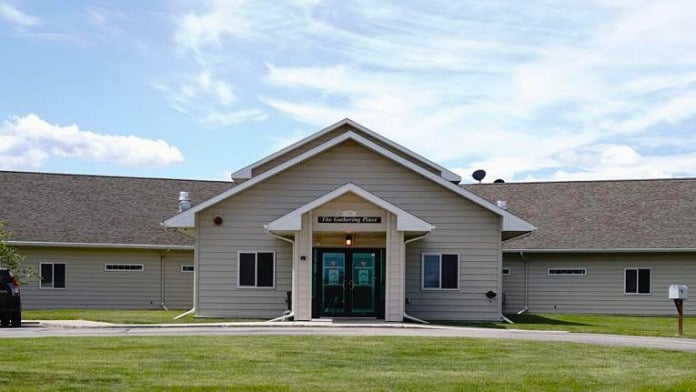
The Gathering Place - Volunteers of America
1
Top 10 Rehab Centers In Sheridan



















































































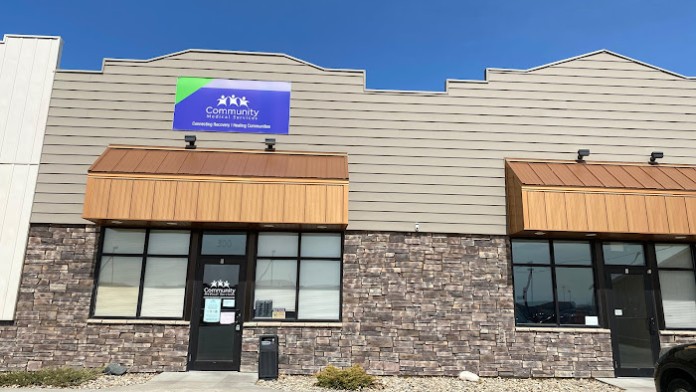
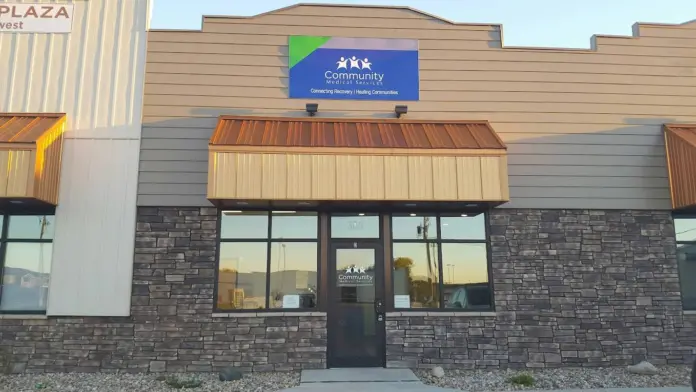
They’re located off Frontage Rd and 30th Avenue Northwest just North of Minot International Airport. This location offers easy access to the clinic using private and public transportation. People from nearby Burlington and Surrey can drive to the clinic within 15 to 20 minutes. Free parking is available. Minot City Transit operates bus routes throughout the city as well. You can check specific routes to the clinic via their website if you’re looking to use the bus.
Getting the right assistance for your opioid use issues can be tough. Community Medical Services will listen to you and provide the assistance you need to heal when you knock on their doors. Their friendly and expert care providers will assess your needs and create a personalized care plan that guides your healing.
Medication assisted treatment has been proven by multiple studies to increase the chances of recovery among people with opioid use issues. The technique facilitates “whole person” healing using both FDA approved meds and counseling. Community Medical Services offers Suboxone, naltrexone and methadone as available treatment options. Your personalized care plan will specify the best option for your lifestyle and unique conditions.
When taken as prescribed, the meds help reduce cravings and painful symptoms of opioid withdrawal. This lets you focus on the psychological aspects of your opioid addiction through counseling. Counselors use evidence based practices to help you build healthy coping strategies and avoid relapse. You’ll learn how to solve problems and manage stress or anger during counseling. These tools help you achieve and maintain a sober lifestyle.
Community Medical Services even integrates peer support into this program to make your recovery seamless. Peer support specialists are people who’ve been through substance use and recovery themselves. That means they understand the challenges firsthand. These experts bring unique insights to help you through recovery.
Pregnant women in recovery require specialized care to ensure the safety of both mom and baby. Community Medical Services delivers tailored care that meets the standards set by SAMHSA. They coordinate with OBGYN and other medical providers to ensure the highest quality of care.
The clinic accepts many common medical insurance carriers like ND Medicaid, TriWest VA North Dakota and UnitedHealthcare Medicare Adv. This makes their services affordable and accessible to a broader audience.

 Our Methodology


Private insurance refers to any kind of healthcare coverage that isn't from the state or federal government. This includes individual and family plans offered by an employer or purchased from the Insurance Marketplace. Every plan will have different requirements and out of pocket costs so be sure to get the full details before you start treatment.
Self-pay involves paying for treatment out of your own pocket. You can use savings or credit, get a personal loan, or receive help from family and friends to fund your treatment. If you don't have insurance or your insurance plan doesn't cover a specific program, self-pay can help ensure you still get the care you need.
Financial aid can take many forms. Centers may have grants or scholarships available to clients who meet eligibility requirements. Programs that receive SAMHSA grants may have financial aid available for those who need treatment as well. Grants and scholarships can help you pai for treatment without having to repay.
Medicare is a federal program that provides health insurance for those 65 and older. It also serves people under 65 with chronic and disabling health challenges. To use Medicare for addiction treatment you need to find a program that accepts Medicare and is in network with your plan. Out of pocket costs and preauthorization requirements vary, so always check with your provider.
Medicaid is a state based program that helps lower-income individuals and families pay for healthcare. Medicaid covers addiction treatment so those enrolled can use their coverage to pay for rehab. When a program accepts Medicaid the client often pays very little or nothing out of their own pocket.
Outpatient Programs (OP) are for those seeking mental rehab or drug rehab, but who also stay at home every night. The main difference between outpatient treatment (OP) and intensive outpatient treatment (IOP) lies in the amount of hours the patient spends at the facility. Most of the time an outpatient program is designed for someone who has completed an inpatient stay and is looking to continue their growth in recovery. Outpatient is not meant to be the starting point, it is commonly referred to as aftercare.
Inpatient rehabs primarily serve clients who have just completed detox, those who are in crisis and at an elevated risk of relapse, and those who have a strong history of relapse. They provide a highly structured and supportive environment and intensive supervision. Residents engage in extensive addiction counseling. Many programs also offer recovery-focused life skills training to support clients' sustained sobriety. Holistic therapies, such as yoga and meditation, are available at many facilities.
Clients receiving treatment in an intensive outpatient program (IOP) often require higher-level support than those in standard outpatient (OP) programs. They are usually in early recovery or are experiencing crisis situations that increase their relapse risk. Intensive outpatient treatment generally involves nine to 20 hours of treatment weekly and may include a combination of addiction counseling, recovery education, medication assisted treatment (MAT), and holistic therapies, such as meditation, acupuncture, and massage.
Clients engaged in a rehab aftercare program may be receiving outpatient treatment or they may have already been discharged from formal treatment after completing intensive inpatient and/or outpatient care. These programs are designed to support clients' long-term sobriety through a robust continuum of care customized for clients' unique and evolving needs. Peer coaching, career counseling, relapse prevention, and 12 step program induction are among the most common rehab aftercare services.
Recovery models based on 12 step programming combine intensive peer support with an emphasis on personal growth. Participants are expected to select a peer sponsor to mentor them through the recovery journey. 12 step recovery strategies are rooted in spiritual principles to promote self-compassion, acceptance, and accountability. Regular attendance at group meetings, which are free, anonymous, and open to the public, is expected. Specialized formats, including programs for seniors, youth, and families, are available in most communities.
Residents of a sober living home in North Dakota are often transitioning from inpatient treatment programs, but they're not quite ready to return home and live on their own. While living in the halfway house, residents must follow a strict set of rules and schedules, including maintaining attendance in recovery groups, participating in household duties, and, above all, remaining sober. Breaking established house rules can result in eviction.
Intervention services offer expert insights into the planning and execution of a drug intervention in North Dakota. Applying expert knowledge, an intervention specialist can develop an intervention plan that is tailored to the needs of the family. This customized, expert approach can help guide the individual to treatment without harming their self-esteem or putting barriers between family members.
Medically assisted detox involves weaning your body off alcohol and drugs in a medically supervised environment. This is often the first step in the addiction recovery process. Abruptly stopping intake of alcohol and some drugs (like benzodiazepines and opioids) can cause uncomfortable side effects. In severe cases, withdrawal symptoms can even be dangerous. To minimize risks and discomfort, a team of medical professionals will monitor you 24/7, and may provide medications if necessary to ease potential withdrawal symptoms.
Adult rehab programs include therapies tailored to each client's specific needs, goals, and recovery progress. They are tailored to the specific challenges adult clients may face, including family and work pressures and commitments. From inpatient and residential treatment to various levels of outpatient services, there are many options available. Some facilities also help adults work through co-occurring conditions, like anxiety, that can accompany addiction.
Young adulthood can be an exciting, yet difficult, time of transition. Individuals in their late teens to mid-20s face unique stressors related to school, jobs, families, and social circles, which can lead to a rise in substance use. Rehab centers with dedicated young adult programs will include activities and amenities that cater to this age group, with an emphasis on specialized counseling, peer socialization, and ongoing aftercare.
Unlike some therapeutic methods, cognitive behavioral therapy in North Dakota focuses on the present rather than the past. The goal is to move forward with new patterns of thinking and behavior that are healthy and productive.
Men and women in North Dakota find accountability and motivation within group therapy sessions. Members encourage each other to stay committed to their recovery goals, which fosters a sense of community and shared progress. These friendships often follow you outside the group therapy setting.
People in North Dakota work confidentially with their therapist who uses tailored interventions in the individual therapy sessions. These help you to develop effective coping skills and use emotional regulation techniques that enhance your likelihood of experiencing long term and sustainable sobriety.
Motivational interviewing helps you find internal motivation to change. If you're feeling insecure about your ability to change or ambivalent about the need for change, this method can help you explore your options and motivations.
Trauma therapy aims to help you heal from the emotional and physical effects that are common after witnessing or experiencing a traumatic event. Working with a therapist, you learn to process the experience and develop healthy coping strategies that reduce your anxiety and improve your self confidence.
Couples therapy lasts an average of 12 sessions. Most sessions involve both partners; however, therapists may also meet with each partner individually. The focus of couples therapy is to address conflict and improve the way you handle challenges in the relationship.
Family therapists in North Dakota use therapy sessions to emphasize healing the relationships that were strained by addiction. Your therapist will help each family member understand the role they played in addiction and their responsibilities in recovery. This helps foster a collaborative approach that benefits each loved one and the family unit.
Learning life skills in rehab is crucial to recovery. Addiction interferes with basic life skills, and many who are addicted are at a loss as to how to navigate daily life. Life skills training during rehab reteaches these skills so you can leave treatment with the tools you need to cope with day to day challenges.
 Residential Setting
  Private Rooms
CEO

CFO
COO
Chief Science Officer
Chief People Officer

Executive VP of Operations
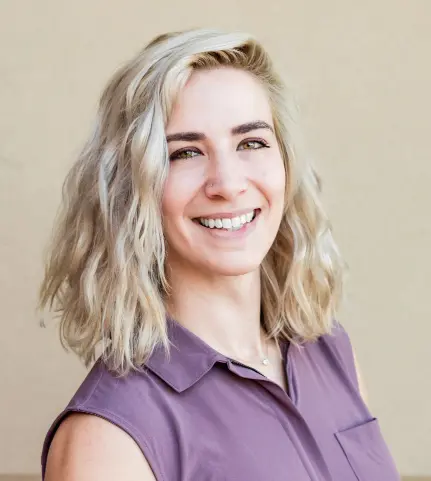
Medical Director, Eastern Territory
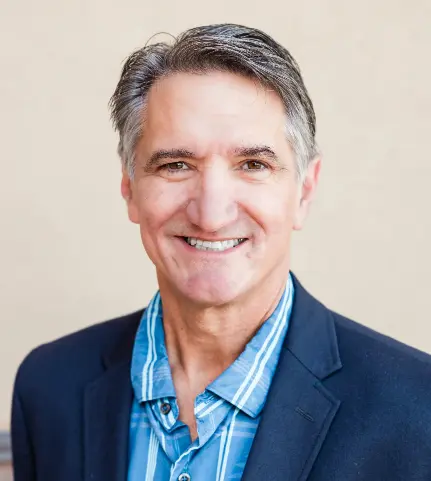
Medical Director, Western Territory

The Substance Abuse and Mental Health Services Administration (SAMHSA) is a branch of the U.S. Department of Health and Human Services. Established in 1992 by congress, SAMHSA's mission is to reduce the impact of substance abuse and mental illness on American's communities.
SAMHSA Listed: Yes

The Commission on Accreditation of Rehabilitation Facilities (CARF) is a non-profit organization that specifically accredits rehab organizations. Founded in 1966, CARF's, mission is to help service providers like rehab facilities maintain high standards of care.
CARF Accreditation: Yes

State Licenses are permits issued by government agencies that allow rehab organizations to conduct business legally within a certain geographical area. Typically, the kind of program a rehab facility offers, along with its physical location, determines which licenses are required to operate legally.
State License: North Dakota
Rehab.com regularly reviews this listing for accuracy but changes may occur between updates. For the most up-to-date information, please contact Community Medical Services.

300 30th Ave NW
Suite D
Minot, ND 58703
Sponsored Helpline

Community Medical is Great they really Help me out. There Great


Good place. They don't make you feel out of place. 👍🏼
 Back
Back
Sharing your insights and experiences can help others learn more about this rehab center.
 Written By: Chika Uchendu

