They have great customer service. My good friend recommended he was there for drug rehab. He is still clean and recommended I try this place for my alcohol abuse. I want to get sober like he did at this place.
About Alaska Dream Center
Alaska Dream Center is a faith based residential addiction treatment program in Palmer, Alaska, offering long term recovery support for adults struggling with substance use disorders.
The center provides a structured 9 month residential program with an optional 3 month life skills extension, emphasizing spiritual growth, peer support and practical reintegration skills.
Clients benefit from a therapeutic community environment in a rural Alaska setting that supports focus and healing.
What kinds of programs does Alaska Dream Center offer?
Alaska Dream Center offers long-term residential treatment built around a therapeutic community model with faith based counseling, Biblical study, peer support and work therapy.
The program is typically 9 months, with an optional 3 month phase focused on leadership development and life skills to prepare clients for independent living.
Who can get help at Alaska Dream Center?
The center serves adults ages 18 to 59 with substance use disorders and cooccurring mental health conditions.
Gender specific programming includes a men’s residential program and a women’s transitional living home, with specialized services for Indigenous people, young adults and individuals experiencing homelessness.
Where is the center and what is the setting like?
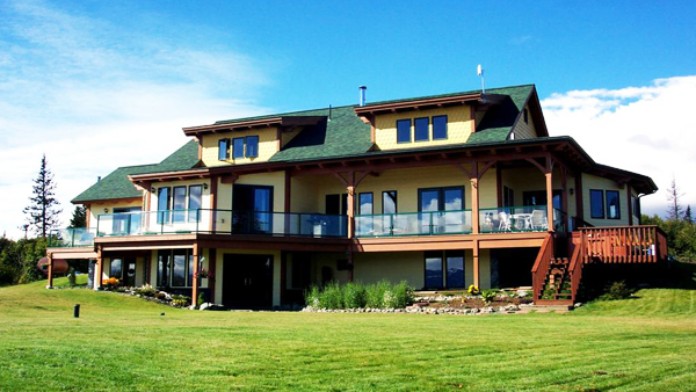
Alaska Dream Center is located in Palmer, Alaska, in a rural, wilderness setting that offers a calm, distraction free environment.
The location and structure support immersive recovery work within a close knit community.
Does Alaska Dream Center charge for services?
The program is offered free of charge, making long term residential care accessible to individuals regardless of financial situation.
How do I get started?
Contact Alaska Dream Center in Palmer, Alaska, to learn more about the program and begin the admissions process.

Rehab Score
Location
Other Forms of Payment
Addiction Treatments
Levels of Care
Residential treatment programs are those that offer housing and meals in addition to substance abuse treatment. Rehab facilities that offer residential treatment allow patients to focus solely on recovery, in an environment totally separate from their lives. Some rehab centers specialize in short-term residential treatment (a few days to a week or two), while others solely provide treatment on a long-term basis (several weeks to months). Some offer both, and tailor treatment to the patient's individual requirements.
Sober Living Houses (SLHs), aka sober homes or halfway houses, are safe, substance-free, supportive living facilities for those recovering from substance abuse. Ideal for those who've just been through inpatient or outpatient treatment, SLHs are supervised environments with rules that support sobriety, such as curfews, shared chores, and therapeutic meetings. Residents are also often trained on life skills and coping skills to make it easier to transition into society. SLHs also provide a strong sense of community that can lead to the kind of deep and lasting connections with other sober individuals that supports a new, healthy lifestyle.
Treatments
The goal of treatment for alcoholism is abstinence. Those with poor social support, poor motivation, or psychiatric disorders tend to relapse within a few years of treatment. For these people, success is measured by longer periods of abstinence, reduced use of alcohol, better health, and improved social functioning. Recovery and Maintenance are usually based on 12 step programs and AA meetings.
During drug rehab in Alaska, you'll receive a combination of medical and psychotherapeutic treatments that are designed to treat drug dependency. The goal of drug rehab is to break this dependency and help you develop the skills to maintain a drug-free life.
Many of those suffering from addiction also suffer from mental or emotional illnesses like schizophrenia, bipolar disorder, depression, or anxiety disorders. Rehab and other substance abuse facilities treating those with a dual diagnosis or co-occurring disorder administer psychiatric treatment to address the person's mental health issue in addition to drug and alcohol rehabilitation.
A combined mental health and substance abuse rehab has the staff and resources available to handle individuals with both mental health and substance abuse issues. It can be challenging to determine where a specific symptom stems from (a mental health issue or an issue related to substance abuse), so mental health and substance abuse professionals are helpful in detangling symptoms and keeping treatment on track.

Opioid rehabs specialize in supporting those recovering from opioid addiction. They treat those suffering from addiction to illegal opioids like heroin, as well as prescription drugs like oxycodone. These centers typically combine both physical as well as mental and emotional support to help stop addiction. Physical support often includes medical detox and subsequent medical support (including medication), and mental support includes in-depth therapy to address the underlying causes of addiction.

Programs
Adult rehab programs include therapies tailored to each client's specific needs, goals, and recovery progress. They are tailored to the specific challenges adult clients may face, including family and work pressures and commitments. From inpatient and residential treatment to various levels of outpatient services, there are many options available. Some facilities also help adults work through co-occurring conditions, like anxiety, that can accompany addiction.
Young adulthood can be an exciting, yet difficult, time of transition. Individuals in their late teens to mid-20s face unique stressors related to school, jobs, families, and social circles, which can lead to a rise in substance use. Rehab centers with dedicated young adult programs will include activities and amenities that cater to this age group, with an emphasis on specialized counseling, peer socialization, and ongoing aftercare.
Clinical Services
Group therapy is any therapeutic work that happens in a group (not one-on-one). There are a number of different group therapy modalities, including support groups, experiential therapy, psycho-education, and more. Group therapy involves treatment as well as processing interaction between group members.
In individual therapy, a patient meets one-on-one with a trained psychologist or counselor. Therapy is a pivotal part of effective substance abuse treatment, as it often covers root causes of addiction, including challenges faced by the patient in their social, family, and work/school life.
Life skills trainings involve all the skills a person must have in order to function successfully in the world. These include time management, career guidance, money management, and effective communication. Truly successful addiction recovery is based on the ability to not only live substance-free, but to thrive. Life skills teaches the practical necessities of functioning in society, which sets clients up for success in life, and therefore sobriety.
Contact Information
8117 East New Hope Street
Palmer, AK 99645