











Copper River Native Association - Behavioral Health
1
Top 10 Rehab Centers In Copper Center



















































































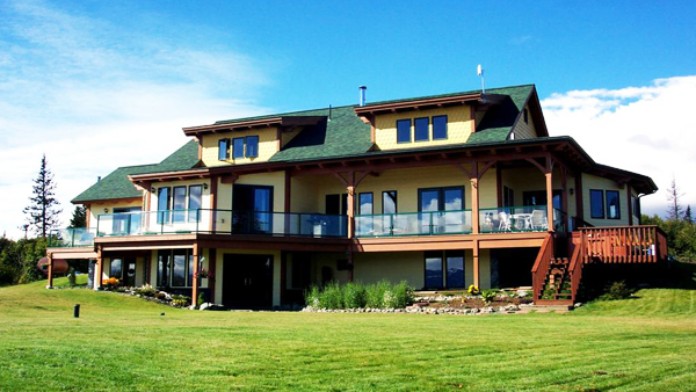
Residential
Set Free Alaska’s residential programs enable clients to focus on their recovery in highly structured and supportive environments featuring around-the-clock supervision and inviting, home-like amenities. Clients receive medical and mental health assessments, personalized care plans, and complete case management. They also engage in intensive individual, group, and family counseling and robust, age and gender-specific life-skills training. Topics include coping, self-care, wellness, and relapse prevention. The program prioritizes clients’ spiritual development as a cornerstone of lasting sobriety and includes prayer, Bible study, and devotions.
Outpatient
The outpatient programs encompass multiple levels of care aligned with clients’ evolving needs and include continuing addiction counseling, recovery education, and other ancillary therapies.
Aftercare
Aftercare programs provide complete, wraparound support. Services may include academic and vocational training, housing and employment assistance, and referrals for additional services.
Accreditation
Set Free Alaska is licensed by the state of Alaska and accredited by CARF.
Insurance
Set Free Alaska is a registered 501(c)(3) nonprofit organization. They work with most major insurance providers, such as Aetna, Cigna, BlueCross BlueShield, Humana, and United Healthcare. They also accept Medicaid. Contact your insurance provider to verify coverage, because out of network benefits can vary. Financial assistance is available.

 16
16 
 Our Methodology


Medicaid is a state based program that helps lower-income individuals and families pay for healthcare. Medicaid covers addiction treatment so those enrolled can use their coverage to pay for rehab. When a program accepts Medicaid the client often pays very little or nothing out of their own pocket.
Private insurance refers to any kind of healthcare coverage that isn't from the state or federal government. This includes individual and family plans offered by an employer or purchased from the Insurance Marketplace. Every plan will have different requirements and out of pocket costs so be sure to get the full details before you start treatment.
Self-pay involves paying for treatment out of your own pocket. You can use savings or credit, get a personal loan, or receive help from family and friends to fund your treatment. If you don't have insurance or your insurance plan doesn't cover a specific program, self-pay can help ensure you still get the care you need.
Financial aid can take many forms. Centers may have grants or scholarships available to clients who meet eligibility requirements. Programs that receive SAMHSA grants may have financial aid available for those who need treatment as well. Grants and scholarships can help you pai for treatment without having to repay.
Private insurance refers to any kind of healthcare coverage that isn't from the state or federal government. This includes individual and family plans offered by an employer or purchased from the Insurance Marketplace. Every plan will have different requirements and out of pocket costs so be sure to get the full details before you start treatment.
Sliding scale payments are based on a client's income and family size. The goal is to make treatment affordable to everyone. By taking these factors into account, addiction recovery care providers help ensure that your treatment does not become a financial burden to you or your family, eliminating one barrier to care.
Outpatient Programs (OP) are for those seeking mental rehab or drug rehab, but who also stay at home every night. The main difference between outpatient treatment (OP) and intensive outpatient treatment (IOP) lies in the amount of hours the patient spends at the facility. Most of the time an outpatient program is designed for someone who has completed an inpatient stay and is looking to continue their growth in recovery. Outpatient is not meant to be the starting point, it is commonly referred to as aftercare.
Intensive Outpatient Programs (IOP) are for those who want or need a very structured treatment program but who also wish to live at home and continue with certain responsibilities (such as work or school). IOP substance abuse treatment programs vary in duration and intensity, and certain outpatient rehab centers will offer individualized treatment programs.
Inpatient rehab enables clients to focus exclusively on their recovery in a highly structured and supportive environment. Housing, meals, and recreational activities are provided. Inpatient treatment allows clients to engage in extensive addiction counseling and recovery education. The environment also provides clients with an opportunity to prepare for the transition to outpatient care or community-based recovery programs.
The partial hospitalization program (PHP) provides intensive care for those who don't require 24-hour care and can serve as a step down from residential programming. PHP treatments typically include behavioral therapies, relapse prevention, and medication management. individual therapy, group counseling, family involvement, educational sessions, and skill-building activities. PHP treatment is often covered by insurance and typically requires a weekly minimum of 20 hours. Depending on your needs, the duration of a partial hospitalization program can last for 90 days.
Set Free Alaska provides telehealth or virtual session options to extend access to outpatient substance abuse treatment and counseling services.
Set Free Alaska includes aftercare planning and support services as part of its comprehensive outpatient program to help clients maintain recovery and prevent relapse.
The goal of treatment for alcoholism is abstinence. Those with poor social support, poor motivation, or psychiatric disorders tend to relapse within a few years of treatment. For these people, success is measured by longer periods of abstinence, reduced use of alcohol, better health, and improved social functioning. Recovery and Maintenance are usually based on 12 step programs and AA meetings.
During drug rehab in Alaska, you'll receive a combination of medical and psychotherapeutic treatments that are designed to treat drug dependency. The goal of drug rehab is to break this dependency and help you develop the skills to maintain a drug-free life.
Many of those suffering from addiction also suffer from mental or emotional illnesses like schizophrenia, bipolar disorder, depression, or anxiety disorders. Rehab and other substance abuse facilities treating those with a dual diagnosis or co-occurring disorder administer psychiatric treatment to address the person's mental health issue in addition to drug and alcohol rehabilitation.
Opioid rehabs specialize in supporting those recovering from opioid addiction. They treat those suffering from addiction to illegal opioids like heroin, as well as prescription drugs like oxycodone. These centers typically combine both physical as well as mental and emotional support to help stop addiction. Physical support often includes medical detox and subsequent medical support (including medication), and mental support includes in-depth therapy to address the underlying causes of addiction.
Substance rehabs focus on helping individuals recover from substance abuse, including alcohol and drug addiction (both illegal and prescription drugs). They often include the opportunity to engage in both individual as well as group therapy.
Adult rehab programs include therapies tailored to each client's specific needs, goals, and recovery progress. They are tailored to the specific challenges adult clients may face, including family and work pressures and commitments. From inpatient and residential treatment to various levels of outpatient services, there are many options available. Some facilities also help adults work through co-occurring conditions, like anxiety, that can accompany addiction.
Young adulthood can be an exciting, yet difficult, time of transition. Individuals in their late teens to mid-20s face unique stressors related to school, jobs, families, and social circles, which can lead to a rise in substance use. Rehab centers with dedicated young adult programs will include activities and amenities that cater to this age group, with an emphasis on specialized counseling, peer socialization, and ongoing aftercare.
The providers who specialize in the children's rehab space understand the specialized needs that this population faces. School-based and social services such as tutoring and family counseling are often central to treatment. Child programs may also address the needs of youth experiencing substance abuse in the home, including a parent's or sibling's addiction.
Men face specific challenges and concerns when seeking addiction treatment. Gender-specific recovery programs help them tackle these issues head-on in an environment that's focused, targeted, and distraction-free. It also gives them the opportunity to connect with and learn from other men who have been through a similar journey and can offer support for the next step.
Rehabs for women provide a safe, nurturing space for female clients to heal. These treatment programs consider the specific obstacles that women can face during recovery and place a special emphasis on mental, social, physical, and reproductive health. They explore how each woman's experience has shaped the trajectory of their substance use, addressing issues such as sexual abuse and past trauma.
Set Free Alaska is a Christ-centered recovery organization emphasizing Gospel-based counseling and Christian discipleship as the foundation of its substance use treatment and behavioral health services.
Set Free Alaska provides DUI assessments and State of Alaska required education groups as specialized services for individuals with alcohol-related legal involvement.
Research clearly demonstrates that recovery is far more successful and sustainable when loved ones like family members participate in rehab and substance abuse treatment. Genetic factors may be at play when it comes to drug and alcohol addiction, as well as mental health issues. Family dynamics often play a critical role in addiction triggers, and if properly educated, family members can be a strong source of support when it comes to rehabilitation.
Group therapy is any therapeutic work that happens in a group (not one-on-one). There are a number of different group therapy modalities, including support groups, experiential therapy, psycho-education, and more. Group therapy involves treatment as well as processing interaction between group members.
In individual therapy, a patient meets one-on-one with a trained psychologist or counselor. Therapy is a pivotal part of effective substance abuse treatment, as it often covers root causes of addiction, including challenges faced by the patient in their social, family, and work/school life.
Trauma therapy addresses traumatic incidents from a client's past that are likely affecting their present-day experience. Trauma is often one of the primary triggers and potential causes of addiction, and can stem from child sexual abuse, domestic violence, having a parent with a mental illness, losing one or both parents at a young age, teenage or adult sexual assault, or any number of other factors. The purpose of trauma therapy is to allow a patient to process trauma and move through and past it, with the help of trained and compassionate mental health professionals.
Cognitive behavioral therapy in Alaska is often used in the treatment of substance abuse and co occurring mental health disorders. This method of talk therapy is one of the most effective methods of treating these disorders.
Based on cognitive behavioral therapy (CBT), dialectical behavior therapy (DBT) offers some of the same techniques as CBT but is adapted for individuals who are experiencing intense emotions. It helps the individual understand their emotions and change unhealthy behaviors.
Set Free Alaska provides one-on-one counseling sessions tailored to individual recovery needs and goals within their Christ-centered treatment framework.
Set Free Alaska offers group counseling as part of their intensive outpatient program, facilitating peer support and community connection among clients in recovery.
Set Free Alaska delivers family-centered counseling services to help families impacted by addiction understand and support their loved ones' recovery journey.
Set Free Alaska uses motivational interviewing techniques to enhance client motivation and commitment to recovery during outpatient treatment.
Set Free Alaska encourages 12-step support and recovery principles as part of its faith-based approach to substance abuse treatment and peer support.
Set Free Alaska provides educational groups and State of Alaska required education groups to build clients' knowledge and foundation for sustained sobriety.
 Private Rooms
  Residential Setting
  Mountain Views
  Private Setting
President and Chief Executive Officer
Chief Clinical Officer
Chief Operating Officer

Executive Assistant and Board Liaison
Chief Financial Officer
Clinical Manager

The Commission on Accreditation of Rehabilitation Facilities (CARF) is a non-profit organization that specifically accredits rehab organizations. Founded in 1966, CARF's, mission is to help service providers like rehab facilities maintain high standards of care.
CARF Accreditation: Yes

State Licenses are permits issued by government agencies that allow rehab organizations to conduct business legally within a certain geographical area. Typically, the kind of program a rehab facility offers, along with its physical location, determines which licenses are required to operate legally.
State License: Alaska
Rehab.com regularly reviews this listing for accuracy but changes may occur between updates. For the most up-to-date information, please contact Set Free Alaska.

7010 East Bogard Road, Wasilla, AK 99654
Sponsored Helpline


 Back
Back
Sharing your insights and experiences can help others learn more about this rehab center.
Set Free Alaska provides Individual Counseling, Group Counseling, and Family Counseling as part of its outpatient recovery programs in Palmer, Alaska. The facility uses a faith-based approach centered on Christian principles to support individuals and families working through substance use and behavioral health issues.
Yes, Set Free Alaska offers Intensive Outpatient Treatment (IOP) as a primary level of care. The program includes group counseling, individual counseling, family counseling, and educational classes delivered both in person at the Palmer location and online for added accessibility.
Set Free Alaska uses a Christ-centered, gospel-based approach to recovery counseling and support. The facility emphasizes Christian discipleship and community connection, offering recovery coaching and peer support alongside structured counseling to help individuals overcome addiction and life-controlling issues.
Set Free Alaska offers a specialized program for men struggling with addiction and other life-controlling issues. The facility’s men’s program is designed with a focus on Christian recovery principles and structured support within a faith-based community framework.
Set Free Alaska is located at 7335 East Palmer Wasilla Highway, Suite 2-C, Palmer, AK 99645. Individuals can reach the facility by phone at (907) 336-3324 or email info@setfreealaska.org. Services are available both in person and online.
 Written By: Terri Beth Miller
PhD Author, Award-Winning Post-Secondary Teacher
Written By: Terri Beth Miller
PhD Author, Award-Winning Post-Secondary Teacher


