





























































































About Atlantic Coast Rehabilitation
Atlantic Coast Rehabilitation is a private addiction treatment center in Jacksonville, Florida specializing in substance use disorders including alcoholism, opioid addiction and co-occurring mental health conditions. The facility offers both residential and outpatient care, along with individual therapy tailored to each patient’s recovery needs. Atlantic Coast provides compassionate and structured treatment designed to support lasting sobriety through flexible levels of care.
Residential and Outpatient Treatment
Atlantic Coast Rehabilitation offers a continuum of care that includes long term residential support and outpatient therapy. Residential treatment provides a structured, immersive environment for individuals who need around the clock support early in their recovery, while outpatient programs allow patients to maintain daily responsibilities at home with regular treatment and accountability.
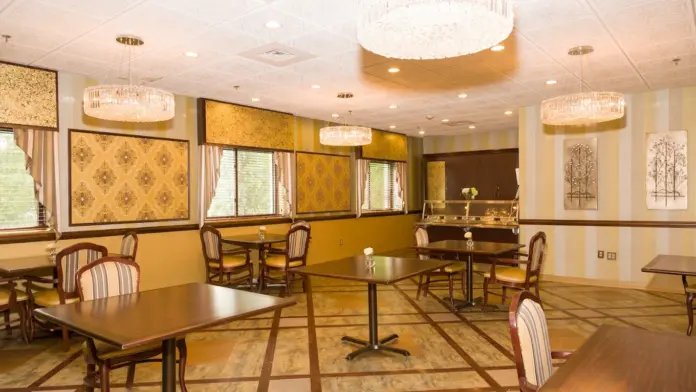
Individual therapy sessions focus on addressing the underlying causes of addiction, building coping skills and creating personalized relapse prevention strategies. Patients receive evidence based care in a setting that reviewers describe as clean, organized and welcoming, with staff who go above and beyond to ensure residents feel respected and supported.
Gender Specific Programs
Atlantic Coast offers dedicated men’s and women’s programs that tailor treatment to the unique experiences and challenges each gender may face in recovery. Gender responsive care allows patients to explore topics like trauma, relationships and identity in a supportive environment alongside peers who have shared experiences.
Getting Started
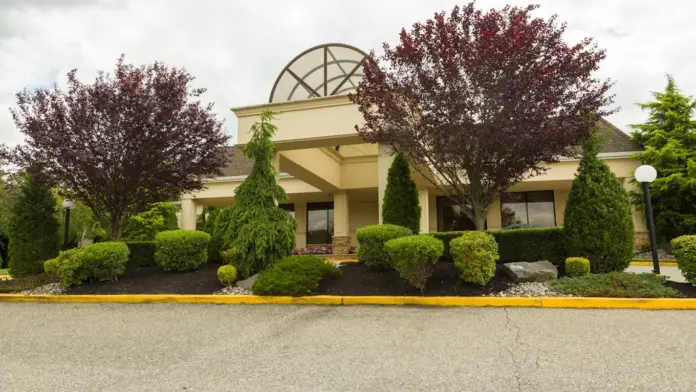
Atlantic Coast Rehabilitation serves patients in person at its Jacksonville facility on Emerson Street. The center accepts self pay options for individuals seeking private addiction treatment.
Latest Reviews



Rehab Score
 Our Methodology


Gallery


Other Forms of Payment
Self-pay involves paying for treatment out of your own pocket. You can use savings or credit, get a personal loan, or receive help from family and friends to fund your treatment. If you don't have insurance or your insurance plan doesn't cover a specific program, self-pay can help ensure you still get the care you need.
Addiction Treatments
Levels of Care
Outpatient rehabs encompass multiple levels of care to facilitate clients' progress through their recovery journey. Clients who are stepping down from inpatient treatment may require intensive outpatient (IOP) treatment, which involves more frequent and substantive therapeutic interventions than does standard outpatient care. Outpatient centers typically provide extensive addiction counseling, including individual, group, and family therapy. Medication assisted treatment programs (MAT) and recovery-focused life skills training are also common in outpatient care.
Clients typically choose inpatient rehab when they are in early recovery or are experiencing a crisis that puts them at an increased risk of relapse. They reside at the treatment center for the length of their program, which may range from two weeks to more than 18 months, depending on the program design. Intensive psychotherapy is often the primary treatment modality, but clients in inpatient care may also receive holistic treatment and recovery-focused life skills training.
Treatments
The goal of treatment for alcoholism is abstinence. Those with poor social support, poor motivation, or psychiatric disorders tend to relapse within a few years of treatment. For these people, success is measured by longer periods of abstinence, reduced use of alcohol, better health, and improved social functioning. Recovery and Maintenance are usually based on 12 step programs and AA meetings.
Drug rehab in Florida provides quality treatment to help individuals overcome dependency related to a wide range of addictive substances. Programs address both the physical and mental aspects of addiction in order to help you make a full recovery.
A combined mental health and substance abuse rehab has the staff and resources available to handle individuals with both mental health and substance abuse issues. It can be challenging to determine where a specific symptom stems from (a mental health issue or an issue related to substance abuse), so mental health and substance abuse professionals are helpful in detangling symptoms and keeping treatment on track.
Opioid rehabs specialize in supporting those recovering from opioid addiction. They treat those suffering from addiction to illegal opioids like heroin, as well as prescription drugs like oxycodone. These centers typically combine both physical as well as mental and emotional support to help stop addiction. Physical support often includes medical detox and subsequent medical support (including medication), and mental support includes in-depth therapy to address the underlying causes of addiction.
Programs
Adult rehab programs include therapies tailored to each client's specific needs, goals, and recovery progress. They are tailored to the specific challenges adult clients may face, including family and work pressures and commitments. From inpatient and residential treatment to various levels of outpatient services, there are many options available. Some facilities also help adults work through co-occurring conditions, like anxiety, that can accompany addiction.
Young adulthood can be an exciting, yet difficult, time of transition. Individuals in their late teens to mid-20s face unique stressors related to school, jobs, families, and social circles, which can lead to a rise in substance use. Rehab centers with dedicated young adult programs will include activities and amenities that cater to this age group, with an emphasis on specialized counseling, peer socialization, and ongoing aftercare.
Clinical Services
In individual therapy, a patient meets one-on-one with a trained psychologist or counselor. Therapy is a pivotal part of effective substance abuse treatment, as it often covers root causes of addiction, including challenges faced by the patient in their social, family, and work/school life.
Rehab.com regularly reviews this listing for accuracy but changes may occur between updates. For the most up-to-date information, please contact Atlantic Coast Rehabilitation.
Contact Information

4940 Emerson Street
Jacksonville, FL 32207
Sponsored Helpline


