






























































































This is one of the facilities with the best quality service that I have attended, I can not reach the word to thank this incredible place, they did many good things for me.
About Benchmark Behavioral Health Systems
Their main objective is to assist young men in overcoming obstacles and living happy healthy lives. In addition to trauma informed care and psychoeducational interventions they use cognitive behavioral therapy to offer a comprehensive program that gives residents the tools they need to successfully navigate life’s challenges.
They’re located close to the Rocky Mountains on the picturesque Wasatch Front and cater to a wide range of clients. Their dedication goes beyond providing individual therapy as they also concentrate on helping young people become productive, prosocial adults who can reintegrate into their communities.
Their therapeutic approach emphasizes relationship based treatment and is based on evidence based procedures. They employ the Transtheoretical Model of the Stages of Change meeting residents where they are and helping them on their individual journeys. This individualized approach adjusts treatment plans appropriately by taking into account each person’s particular needs and experiences.
Along with residential support they also provide fitness programs, community reintegration activities and extensive recreational therapy programs. These opportunities help clients develop critical life skills like interview and job application techniques.
Their strategy heavily relies on education with a specialized school and they place a strong emphasis on creating a supportive learning environment with specialized teaching techniques. Students will participate academically and be ready for challenges in the future thanks to this dedication to lifelong learning.
They also focus on trauma informed care and the possibility of post traumatic growth because they recognize the profound effects of trauma. They not only meet each youth’s immediate needs but also give them the tools they need to succeed in the long run by creating an atmosphere that encourages healing and development.
Facility Overview
 84
84 Number of Available Beds
Latest Reviews
My son was here for almost a year. He is now home. Benchmark was a good facility for him and us as parents. They really have a structured program that he needed. When he first arrived he went through some stuff there however after he was there and got with the right therapist we could tell things started to improve. His therapist JB was awesome. Really has the boys interest at heart and really worked with our son who was not opening up in therapy. JB is a wonderful therapist and so caring. All the staff were great. Sophia who answers the phone was so nice and wonderful Every time we would call. It is hard sending your child somewhere and it was out of state for us so we were nervous. However Benchmark really helped him and us as a family. We got to visit him and have day passes with him. Travis was very helpful in getting that arranged for us. If you are thinking of a place I would recommend them. Thank you to the staff at Benchmark and thank you JB you are awesome we would not be where we are without you.
Response from the owner3 weeks ago
Thank you for taking the time to share your kind words with us! Compliments such as these are held very dear to our hearts. We’re currently working on a staff recognition campaign and would like to share your kind words with our community. If we may include your anonymous feedback, please fill out the following form by visiting https://ebgw.short.gy/BenchmarkBehavioral. Thank you again for sharing your thoughtful comments with us.
Before my son has issues with behavioral problems/school and for the first time he had the opportunity to receive one on one therapy plus honor roll for three semesters in a row. Benchmark program has changed my our lives forever because of the great support and encouragement my son received from Benchmark staff members.
Response from the owner3 weeks ago
Thank you for taking the time to share your kind words with us! Compliments such as these are held very dear to our hearts. We’re currently working on a staff recognition campaign and would like to share your kind words with our community. If we may include your anonymous feedback, please fill out the following form by visiting https://ebgw.short.gy/BenchmarkBehavioral. Thank you again for sharing your thoughtful comments with us.
My son was just transferred to Benchmark from a facility here in Alaska. From the first contact, they were helpful, hopeful, and encouraging to my son and our family. Mindy is his therapist and she has kept in contact with my husband and I and made sure to ask deep questions about our son and his bio family. She takes time to show our son what trauma can do to your brain. Even with the time difference, the staff always makes sure our son gets to talk to us everyday. Without fail. They went over all his meds as well as making sure we as his parents understood what he’s on, why, and what side effects he could have. He hasn’t been there very long, but this is the first time in years that there is hope our son won’t just be another statistic in the system. Thank you Benchmark!
Response from the owner3 weeks ago
Thank you for taking the time to share your kind words with us! Compliments such as these are held very dear to our hearts. We’re currently working on a staff recognition campaign and would like to share your kind words with our community. If we may include your anonymous feedback, please fill out the following form by visiting https://ebgw.short.gy/BenchmarkBehavioral. Thank you again for sharing your thoughtful comments with us. 
Rehab Score
 Our Methodology
Scoring is assigned by a proprietary system which helps surface key metrics that determine quality. The 10-point scale factors in categories such as operations, customer satisfaction, and trust metrics. Read Full Methodology

7.2 / 10
Gallery
Accepted Insurance
Other Forms of Payment
Private insurance refers to any kind of healthcare coverage that isn't from the state or federal government. This includes individual and family plans offered by an employer or purchased from the Insurance Marketplace. Every plan will have different requirements and out of pocket costs so be sure to get the full details before you start treatment.
Self-pay involves paying for treatment out of your own pocket. You can use savings or credit, get a personal loan, or receive help from family and friends to fund your treatment. If you don't have insurance or your insurance plan doesn't cover a specific program, self-pay can help ensure you still get the care you need.
Financial aid can take many forms. Centers may have grants or scholarships available to clients who meet eligibility requirements. Programs that receive SAMHSA grants may have financial aid available for those who need treatment as well. Grants and scholarships can help you pai for treatment without having to repay.
Medicare is a federal program that provides health insurance for those 65 and older. It also serves people under 65 with chronic and disabling health challenges. To use Medicare for addiction treatment you need to find a program that accepts Medicare and is in network with your plan. Out of pocket costs and preauthorization requirements vary, so always check with your provider.
Medicaid is a state based program that helps lower-income individuals and families pay for healthcare. Medicaid covers addiction treatment so those enrolled can use their coverage to pay for rehab. When a program accepts Medicaid the client often pays very little or nothing out of their own pocket.
Military members, veterans, and eligible dependents have access to specific insurance programs that help them get the care they need. TRICARE and VA insurance can help you access low cost or no cost addiction and mental health treatment. Programs that accept military insurance often have targeted treatment focused on the unique challenges military members, veterans, and their families face.
Addiction Treatments
Levels of Care
Residential treatment programs are those that offer housing and meals in addition to substance abuse treatment. Rehab facilities that offer residential treatment allow patients to focus solely on recovery, in an environment totally separate from their lives. Some rehab centers specialize in short-term residential treatment (a few days to a week or two), while others solely provide treatment on a long-term basis (several weeks to months). Some offer both, and tailor treatment to the patient's individual requirements.
Clients often choose to enter intensive outpatient programs (IOP) when they exit inpatient rehab. Others turn to IOP as an alternative to hospitalization. Intensive outpatient rehabs offer high-level care for clients in early recovery and those at an elevated risk of relapse, typically requiring them to commit to between nine and 20 hours of treatment per week. The most prevalent treatment modalities include psychotherapy, recovery education, medication assisted treatment (MAT), and holistic therapies, such as meditation.
Clients receiving services in a rehab aftercare program have generally been stable and sober for a period of weeks and months and no longer require high intensity treatment. Many have stepped down from inpatient rehab to outpatient treatment. Others have been discharged from formal treatment but need support in maintaining their sobriety. Clients typically work with their case manager and care team to develop a long-term care plan that aligns with their unique needs and goals.
Participants in 12 step programs engage in rigorous group counseling, peer coaching, and personal development. Though 12 step recovery is rooted in spiritual principles, religious affiliation is not mandatory. The steps model promotes participants' emotional and psychological healing, which is presumed integral to sustained sobriety. Regular attendance at group meetings is expected. These meetings are free, anonymous, peer-led, and accessible day and night in most communities. Gender and age-specific programs and other specialized formats are common.
Treatments
Many of those suffering from addiction also suffer from mental or emotional illnesses like schizophrenia, bipolar disorder, depression, or anxiety disorders. Rehab and other substance abuse facilities treating those with a dual diagnosis or co-occurring disorder administer psychiatric treatment to address the person's mental health issue in addition to drug and alcohol rehabilitation.
Mental health rehabs focus on helping individuals recover from mental illnesses like bipolar disorder, clinical depression, anxiety disorders, schizophrenia, and more. Mental health professionals at these facilities are trained to understand and treat mental health issues, both in individual and group settings.
 Mental Health And Substance Abuse
Programs
Young adulthood can be an exciting, yet difficult, time of transition. Individuals in their late teens to mid-20s face unique stressors related to school, jobs, families, and social circles, which can lead to a rise in substance use. Rehab centers with dedicated young adult programs will include activities and amenities that cater to this age group, with an emphasis on specialized counseling, peer socialization, and ongoing aftercare.
Recovery is most successful when clients feel accepted and validated by their peers and treatment providers. Facilities that offer LGBTQ-inclusive programming are committed to creating a safe space where everyone can grow and recover without fear of judgment or discrimination. They will have dedicated policies in place to create a safe and supportive environment that fosters free expression.
Teen programs are designed to address the unique pressures teens face, pressures that can drive them to experiment with dangerous, addictive substances. They need programs that meet them exactly where they are and give them tools for long-term recovery. Therapy can help teenagers understand and work through underlying issues so they can reclaim the life ahead of them.
Clinical Services
Cognitive Behavioral Therapy (CBT) is a therapy modality that focuses on the relationship between one's thoughts, feelings, and behaviors. It is used to establish and allow for healthy responses to thoughts and feelings (instead of unhealthy responses, like using drugs or alcohol). CBT has been proven effective for recovering addicts of all kinds, and is used to strengthen a patient's own self-awareness and ability to self-regulate. CBT allows individuals to monitor their own emotional state, become more adept at communicating with others, and manage stress without needing to engage in substance abuse.
Group therapy is any therapeutic work that happens in a group (not one-on-one). There are a number of different group therapy modalities, including support groups, experiential therapy, psycho-education, and more. Group therapy involves treatment as well as processing interaction between group members.
In individual therapy, a patient meets one-on-one with a trained psychologist or counselor. Therapy is a pivotal part of effective substance abuse treatment, as it often covers root causes of addiction, including challenges faced by the patient in their social, family, and work/school life.
Trauma therapy addresses traumatic incidents from a client's past that are likely affecting their present-day experience. Trauma is often one of the primary triggers and potential causes of addiction, and can stem from child sexual abuse, domestic violence, having a parent with a mental illness, losing one or both parents at a young age, teenage or adult sexual assault, or any number of other factors. The purpose of trauma therapy is to allow a patient to process trauma and move through and past it, with the help of trained and compassionate mental health professionals.
Whether a marriage or other committed relationship, an intimate partnership is one of the most important aspects of a person's life. Drug and alcohol addiction affects both members of a couple in deep and meaningful ways, as does rehab and recovery. Couples therapy and other couples-focused treatment programs are significant parts of exploring triggers of addiction, as well as learning how to build healthy patterns to support ongoing sobriety.
Research clearly demonstrates that recovery is far more successful and sustainable when loved ones like family members participate in rehab and substance abuse treatment. Genetic factors may be at play when it comes to drug and alcohol addiction, as well as mental health issues. Family dynamics often play a critical role in addiction triggers, and if properly educated, family members can be a strong source of support when it comes to rehabilitation.
Experiential therapy is a form of therapy in which clients are encouraged to surface and work through subconscious issues by engaging in real-time experiences. Experiential therapy departs from traditional talk therapy by involving the body, and having clients engage in activities, movements, and physical and emotional expression. This can involve role-play or using props (which can include other people). Experiential therapy can help people process trauma, memories, and emotion quickly, deeply, and in a lasting fashion, leading to substantial and impactful healing.
Recreational therapy helps you in your addiction recovery program by improving your overall well being. Activities can include sports, music, and nature excursions that give you positive experiences, reduce your cravings, and offer the opportunity to reduce your stress. These aid in your addiction recovery.
Amenities
-
 Basketball Court
 -
 Recreation Room
Accreditations

The Joint Commission, formerly known as JCAHO, is a nonprofit organization that accredits rehab organizations and programs. Founded in 1951, the Joint Commision's mission is to improve the quality of patient care and demonstrating the quality of patient care.
Joint Commission Accreditation: Yes
Rehab.com regularly reviews this listing for accuracy but changes may occur between updates. For the most up-to-date information, please contact Benchmark Behavioral Health Systems.
Contact Information

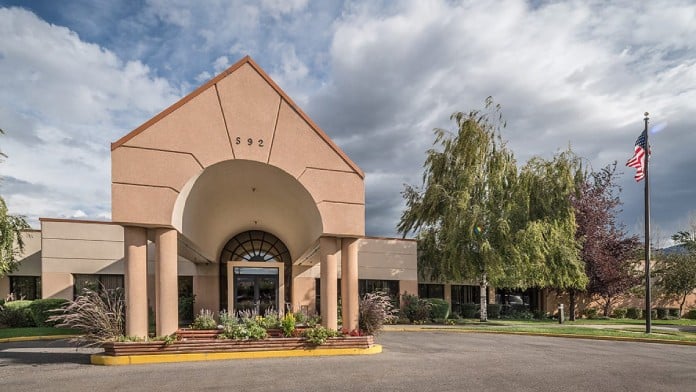
592 West 1350 South
Woods Cross, UT 84010
Get Help Now - 385-390-3465
Sponsored Helpline
Sponsored Helpline



