
 (760) 614-9800











































































 Visit Website
  17
17 About California Behavioral Health
This rehab facility provides multi level care that encourages successful rehabilitation. From a medical detox with FDA approved medications to multiple outpatient and inpatient programs, you’ll receive 24/7 care from staff who understand the struggles of living with addiction.
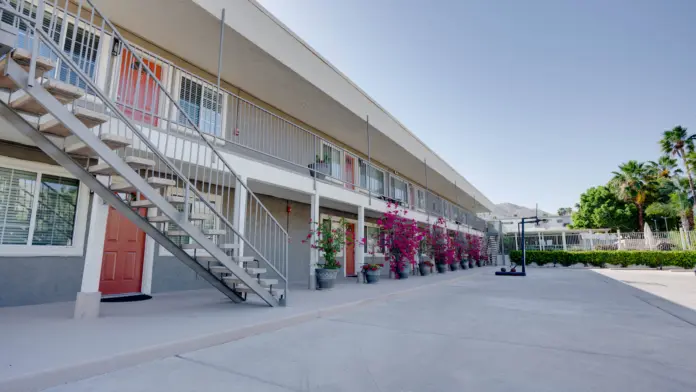
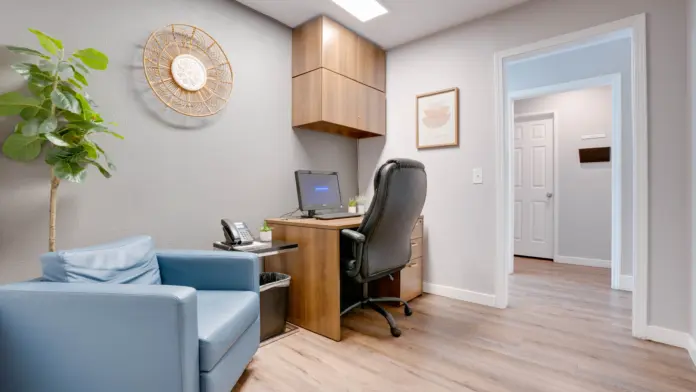
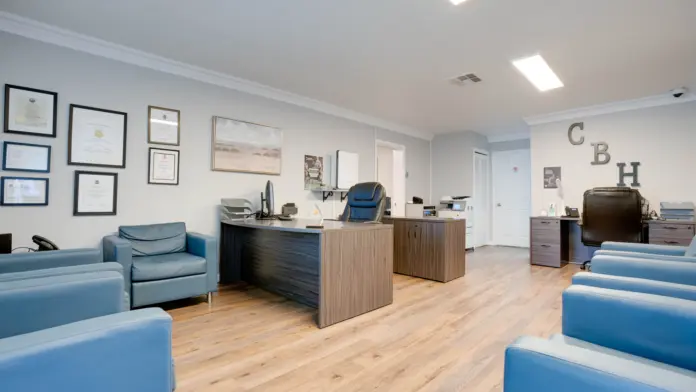
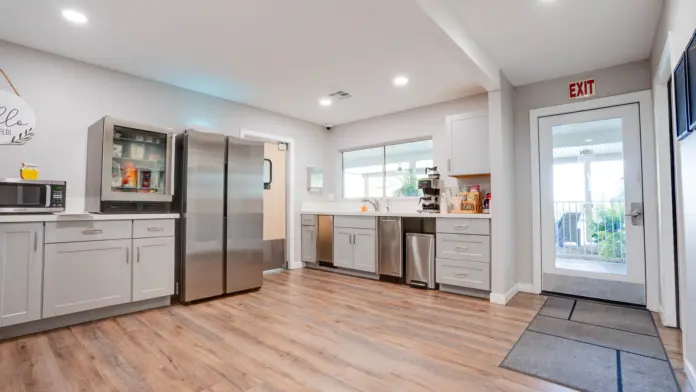
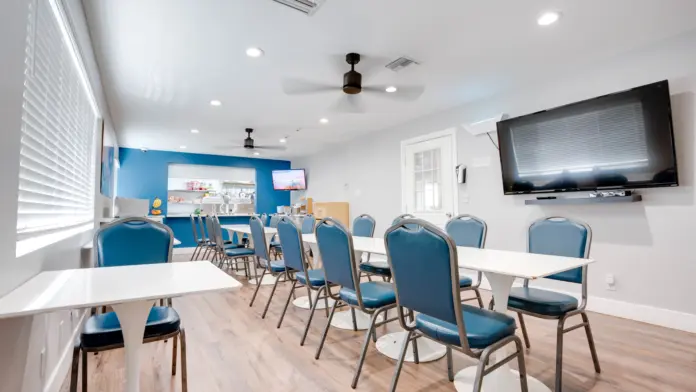
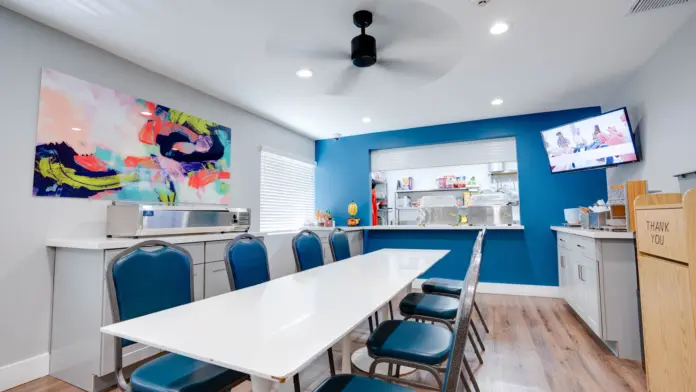
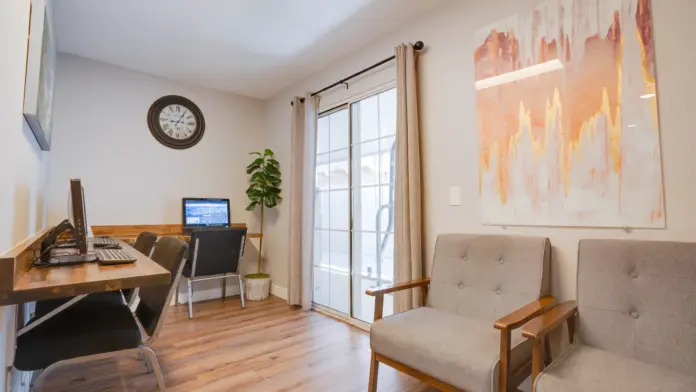
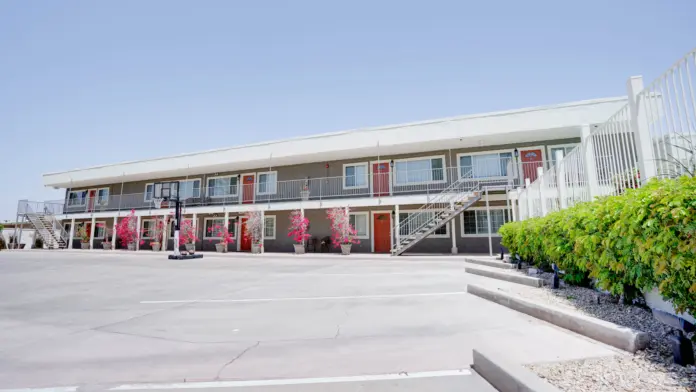
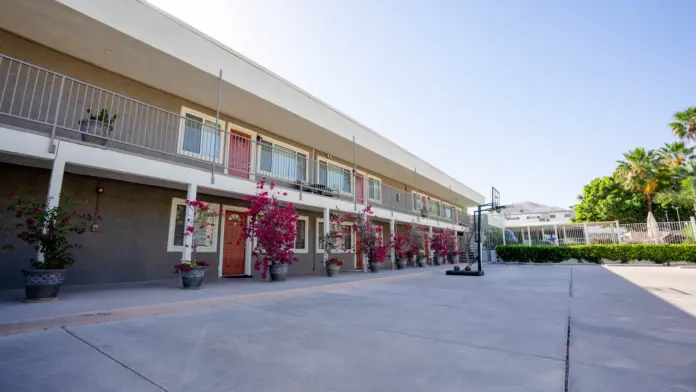
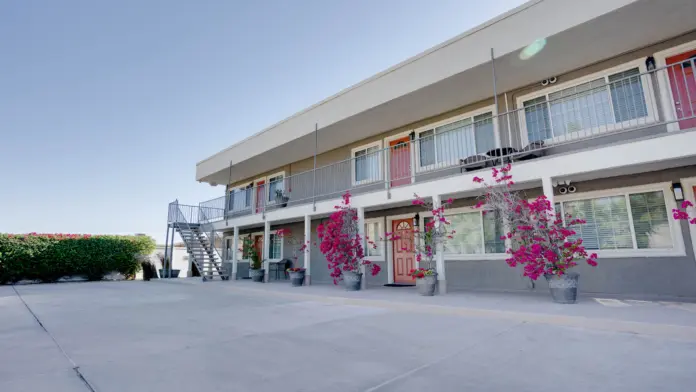
Many past patients have said this rehab center offers a safe, comforting and peaceful recovery environment. You can expect access to private spaces, entertainment in communal areas, a pool and amenities that aid in your substance abuse recovery.
You’ll also like knowing that this center provides emergency, same day admissions, where a team of supportive staff can help in a crisis scenario. They also offer aftercare services that help prevent relapse, such as cognitive behavioral therapy. The aim of the aftercare services is not just your physical health but also your psychological needs.
Facility Overview
 30
30  31 - 60
  $320
$320 Latest Reviews
See All



Rehab Score
 Our Methodology


Gallery
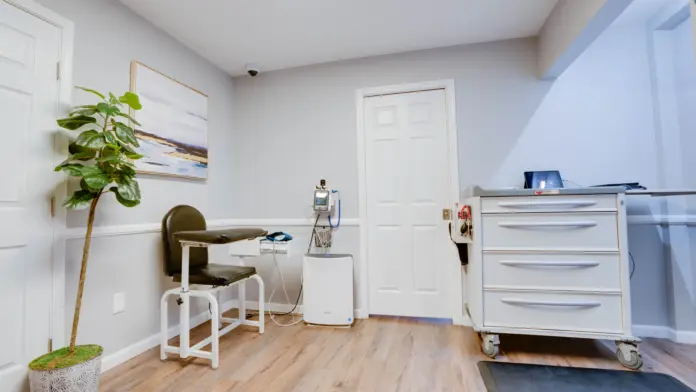

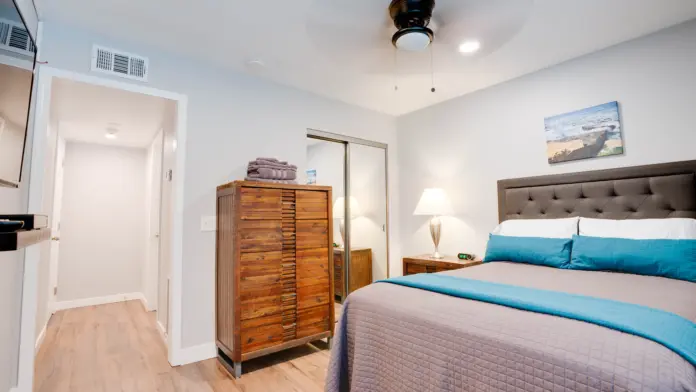

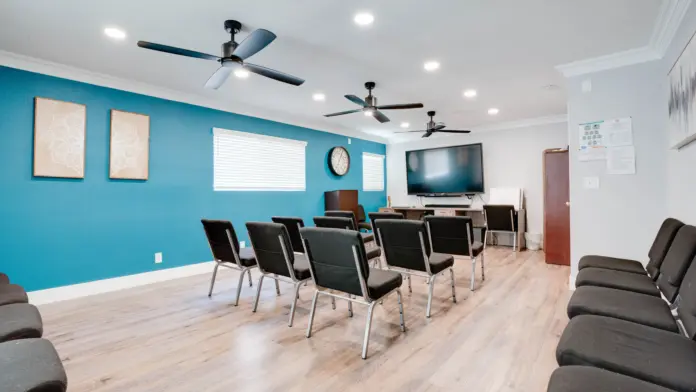
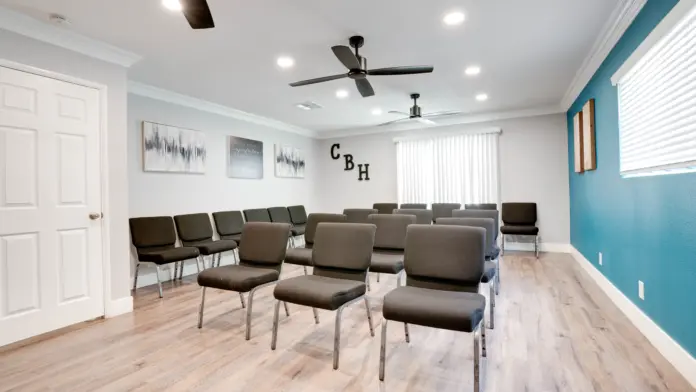


Accepted Insurance

















Other Forms of Payment
Self-pay involves paying for treatment out of your own pocket. You can use savings or credit, get a personal loan, or receive help from family and friends to fund your treatment. If you don't have insurance or your insurance plan doesn't cover a specific program, self-pay can help ensure you still get the care you need.
Private insurance refers to any kind of healthcare coverage that isn't from the state or federal government. This includes individual and family plans offered by an employer or purchased from the Insurance Marketplace. Every plan will have different requirements and out of pocket costs so be sure to get the full details before you start treatment.
Addiction Treatments
Levels of Care
Residential treatment programs are those that offer housing and meals in addition to substance abuse treatment. Rehab facilities that offer residential treatment allow patients to focus solely on recovery, in an environment totally separate from their lives. Some rehab centers specialize in short-term residential treatment (a few days to a week or two), while others solely provide treatment on a long-term basis (several weeks to months). Some offer both, and tailor treatment to the patient's individual requirements.
At certain points in the recovery process, it's important to have support available 24/7. 24-hour clinical care offers a safe environment in which to recover from drug or alcohol addiction in peace, knowing medical detox and other treatment will happen with professionals on hand.
Drug and alcohol addiction often takes a heavy toll on one's body. Over time, a physical dependence can develop, meaning the body physiologically needs the substance to function. Detox is the process of removing drugs and/or alcohol from the body, a process that can be lethal if mismanaged. Medical detox is done by licensed medical professionals who monitor vital signs and keep you safe, healthy, and as comfortable as possible as you go through detox and withdrawal. The length of stay at the detoxification program is determined according to the specific needs of the patient.
Commonly known as "day treatment," a partial hospitalization program (PHP) is an intensive form of outpatient treatment where clients meet during the day and return home in the evening. PHP treatment doesn't require 24-hour care and often serves as an alternative to inpatient hospitalization or a step-down after a residential program. With PHP treatment, you can receive daily support for 6 to 8 hours which includes evidence-based therapies and medication management. The cost of PHP treatment typically varies but averages 90 days.
Sober living homes in California offers an intermediate sober environment that has less structure than inpatient rehab but more than typical home environments. This makes it a good option for those who have concerns about transitioning back to the "real world" after treatment. Residents can typically live at the halfway house as long as they want, if they are willing to follow house rules. These may include a curfew, chores, and maintaining a job.
Treatments
The goal of treatment for alcoholism is abstinence. Those with poor social support, poor motivation, or psychiatric disorders tend to relapse within a few years of treatment. For these people, success is measured by longer periods of abstinence, reduced use of alcohol, better health, and improved social functioning. Recovery and Maintenance are usually based on 12 step programs and AA meetings.
Drug rehab in California teaches participants constructive ways to stay clean and sober. Treatment revolves around helping individuals stop using the substance they are addicted to and learn healthy habits to avoid relapse.
Many of those suffering from addiction also suffer from mental or emotional illnesses like schizophrenia, bipolar disorder, depression, or anxiety disorders. Rehab and other substance abuse facilities treating those with a dual diagnosis or co-occurring disorder administer psychiatric treatment to address the person's mental health issue in addition to drug and alcohol rehabilitation.
Opioid rehabs specialize in supporting those recovering from opioid addiction. They treat those suffering from addiction to illegal opioids like heroin, as well as prescription drugs like oxycodone. These centers typically combine both physical as well as mental and emotional support to help stop addiction. Physical support often includes medical detox and subsequent medical support (including medication), and mental support includes in-depth therapy to address the underlying causes of addiction.
Substance rehabs focus on helping individuals recover from substance abuse, including alcohol and drug addiction (both illegal and prescription drugs). They often include the opportunity to engage in both individual as well as group therapy.
 Mental Health And Substance Abuse
Programs
Adult rehab programs include therapies tailored to each client's specific needs, goals, and recovery progress. They are tailored to the specific challenges adult clients may face, including family and work pressures and commitments. From inpatient and residential treatment to various levels of outpatient services, there are many options available. Some facilities also help adults work through co-occurring conditions, like anxiety, that can accompany addiction.
Men face specific challenges and concerns when seeking addiction treatment. Gender-specific recovery programs help them tackle these issues head-on in an environment that's focused, targeted, and distraction-free. It also gives them the opportunity to connect with and learn from other men who have been through a similar journey and can offer support for the next step.
Rehabs for women provide a safe, nurturing space for female clients to heal. These treatment programs consider the specific obstacles that women can face during recovery and place a special emphasis on mental, social, physical, and reproductive health. They explore how each woman's experience has shaped the trajectory of their substance use, addressing issues such as sexual abuse and past trauma.
Recovery is most successful when clients feel accepted and validated by their peers and treatment providers. Facilities that offer LGBTQ-inclusive programming are committed to creating a safe space where everyone can grow and recover without fear of judgment or discrimination. They will have dedicated policies in place to create a safe and supportive environment that fosters free expression.
Serving in the military is both mentally and physically challenging, and can result in trauma that persists even after combat ends. Military programs are tailored to the specific and often complex needs of active duty personnel, veterans, and military families. Clients often access these programs through the U.S. Department of Veterans Affairs (VA).
Clinical Services
Research clearly demonstrates that recovery is far more successful and sustainable when loved ones like family members participate in rehab and substance abuse treatment. Genetic factors may be at play when it comes to drug and alcohol addiction, as well as mental health issues. Family dynamics often play a critical role in addiction triggers, and if properly educated, family members can be a strong source of support when it comes to rehabilitation.
Group therapy is any therapeutic work that happens in a group (not one-on-one). There are a number of different group therapy modalities, including support groups, experiential therapy, psycho-education, and more. Group therapy involves treatment as well as processing interaction between group members.
In individual therapy, a patient meets one-on-one with a trained psychologist or counselor. Therapy is a pivotal part of effective substance abuse treatment, as it often covers root causes of addiction, including challenges faced by the patient in their social, family, and work/school life.
Recreational therapy (aka therapeutic recreation) uses creative and fun activities to help with addiction recovery. Recreational therapists lead patients in entertaining and engaging activities like sports or games; art (drawing, painting, sculpture); drama, music, and dance; and/or community outings (field trips) to improve patients' physical, social, and emotional well-being.
The use of experiential therapy can be helpful for the treatment of behavioral disorders, including drug and alcohol addiction. This method teaches you how to release negative emotions and cope with pain from the past. Activities such as art, music, and animal care are used to facilitate this process.
 Eye Movement Desensitization And Reprocessing
 Equine Therapy
Trauma therapy is a structured approach used by therapists to help you heal from a past traumatic event. Your therapist works with you to identify the traumatic memory and process the information so you experience emotional healing and a sense of safety and stability.
Cognitive behavioral therapy in California is a method that therapists often use for the effective treatment of substance use disorders. It is based on the principle that substance abuse stems from unhelpful ways of thinking and patterns of behavior, which can be changed by helping the individual learn better ways of coping.
While participating in dialectical behavior therapy in California, you'll focus on four key areas of skill development: mindfulness, interpersonal effectiveness, emotion regulation, and distress tolerance. Treatment includes weekly individual and group sessions.
For clients who are struggling with ambivalence toward change, motivational interviewing in California can help strengthen their commitment to change. Using a conversational method, the therapist helps you explore your motivations and empowers you to make the changes you desire.
Rational behavior therapy supports addiction recovery by helping you identify and challenge irrational beliefs that fuel substance abuse and addiction. Using cognitive restructuring and emotional regulation techniques, you learn to manage stress, reduce your cravings, and maintain sobriety.
Amenities
-
 Private Setting
 -
 Mountain Views
 -
 Private Rooms
 -
 Hiking
 -
 Music Room
 -
 Yoga Studio
Staff & Accreditations
Staff

Paul Del Vacchio
CEO & Co-founder
Melissa Legere, LMFT
COO & Co-founder
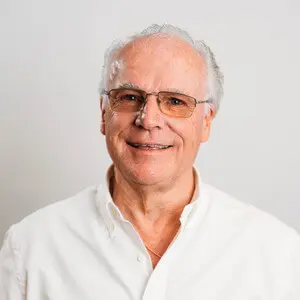
Hedley Green
Operations Director
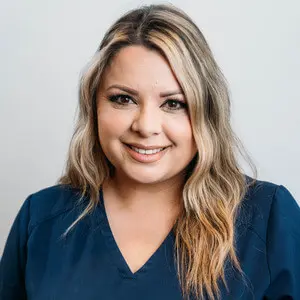
Amber Alvarez, LVN
Nursing Supervisor
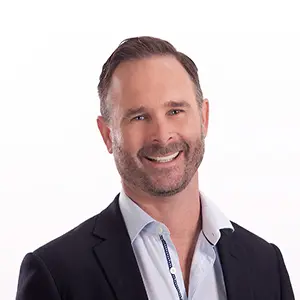
Dr. Christian Small, MD
sychiatry and Family Medicine

Christine Caballero, LVN
Lead

Martin Silva
Therapist
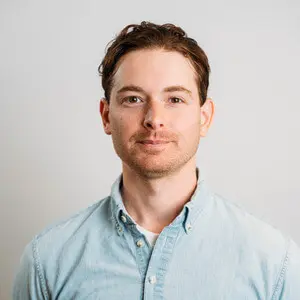
William Donahue, MSCMHC
Therapist
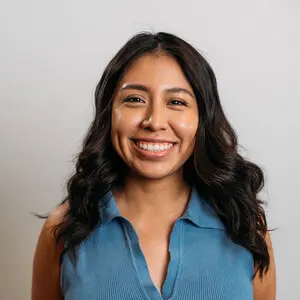
Leslie Penaloza, MFT
Group Facilitator
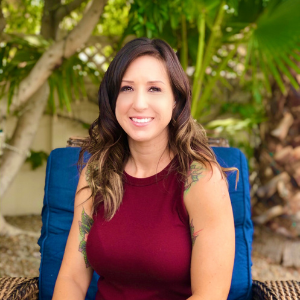
Heather Lyons
Care Manager
Accreditations

The Joint Commission, formerly known as JCAHO, is a nonprofit organization that accredits rehab organizations and programs. Founded in 1951, the Joint Commision's mission is to improve the quality of patient care and demonstrating the quality of patient care.
Joint Commission Accreditation: Yes
Accreditation Number: 565108

LegitScript has reviewed California Behavioral Health as part of their certification program, and has determined that it meets the LegitScript standards for legality, safety and transparency.
LegitScript verified in November 2019

State Licenses are permits issued by government agencies that allow rehab organizations to conduct business legally within a certain geographical area. Typically, the kind of program a rehab facility offers, along with its physical location, determines which licenses are required to operate legally.
State License: California
License Number: 330053AP


 View Website