





























































































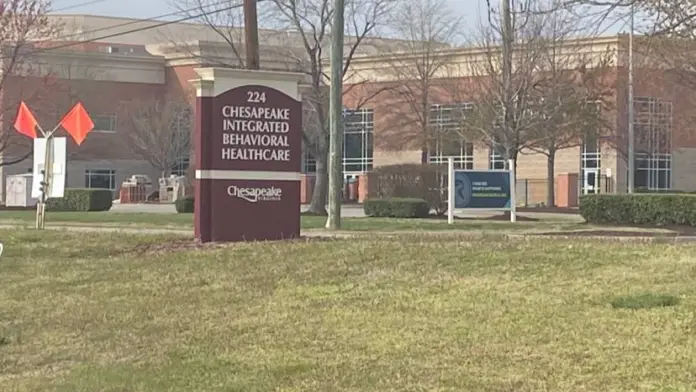
About Chesapeake Integrated Behavioral Healthcare
Chesapeake Community Services Board is a community organization in Chesapeake, Virginia. They provide outpatient addiction treatment and mental health care for children, adults, and families. Priority is given to pregnant and parenting women.
Chesapeake Integrated Behavioral Healthcare in Chesapeake, Virginia, assists you if you are dealing with a substance use disorder. Due to a substance abuse and mental health administration block grant this organization is able to offer priority services for recovery and treatment even if you don’t have health insurance. Nobody is turned away from this facility because they are unable to pay. They can also assist you in applying for Medicaid if you don’t have insurance.
They provide a variety of treatment choices based on your unique situation. Their services are provided on an outpatient basis and include comprehensive assessments, adult and group counseling and adolescent individual therapy. This outpatient treatment lets you receive support without having to enroll in inpatient programs, giving your treatment plan more flexibility.
Their office based opiate treatment (OBOT) program offers medication assisted treatment (MAT) for those who are addicted to heroin or prescription opiates. In order to lessen cravings and withdrawal symptoms a licensed doctor or nurse practitioner may prescribe medication.
Staff complete a thorough evaluation to find the best course of action for your needs. This assessment will assist in determining whether OBOT is appropriate for you or if a different kind of treatment might be more helpful. They aim to develop a personalized plan that focuses on your unique situation and helps you on your path to recovery.
They provide crisis mental health services as well. A crisis counselor is on call round the clock. They also prioritize Chesapeake residents who are pregnant, ensuring they receive treatment within 48 hours of contact.
Latest Reviews



Rehab Score
 Our Methodology


Gallery
Accepted Insurance
Other Forms of Payment
Private insurance refers to any kind of healthcare coverage that isn't from the state or federal government. This includes individual and family plans offered by an employer or purchased from the Insurance Marketplace. Every plan will have different requirements and out of pocket costs so be sure to get the full details before you start treatment.
Self-pay involves paying for treatment out of your own pocket. You can use savings or credit, get a personal loan, or receive help from family and friends to fund your treatment. If you don't have insurance or your insurance plan doesn't cover a specific program, self-pay can help ensure you still get the care you need.
Financial aid can take many forms. Centers may have grants or scholarships available to clients who meet eligibility requirements. Programs that receive SAMHSA grants may have financial aid available for those who need treatment as well. Grants and scholarships can help you pai for treatment without having to repay.
Medicare is a federal program that provides health insurance for those 65 and older. It also serves people under 65 with chronic and disabling health challenges. To use Medicare for addiction treatment you need to find a program that accepts Medicare and is in network with your plan. Out of pocket costs and preauthorization requirements vary, so always check with your provider.
Medicaid is a state based program that helps lower-income individuals and families pay for healthcare. Medicaid covers addiction treatment so those enrolled can use their coverage to pay for rehab. When a program accepts Medicaid the client often pays very little or nothing out of their own pocket.
Military members, veterans, and eligible dependents have access to specific insurance programs that help them get the care they need. TRICARE and VA insurance can help you access low cost or no cost addiction and mental health treatment. Programs that accept military insurance often have targeted treatment focused on the unique challenges military members, veterans, and their families face.
Addiction Treatments
Levels of Care
Outpatient Programs (OP) are for those seeking mental rehab or drug rehab, but who also stay at home every night. The main difference between outpatient treatment (OP) and intensive outpatient treatment (IOP) lies in the amount of hours the patient spends at the facility. Most of the time an outpatient program is designed for someone who has completed an inpatient stay and is looking to continue their growth in recovery. Outpatient is not meant to be the starting point, it is commonly referred to as aftercare.
Clients who are in early recovery, leaving detox, or experiencing a crisis often require the intensive treatment of an inpatient rehab facility. Clients in inpatient care receive robust clinical supervision, housing, and meals, allowing them to focus exclusively on their recovery while they stabilize. The primary treatment modalities used in most inpatient centers include extensive addiction counseling and recovery-focused life skills training. Many drug rehabs also offer holistic therapies, such as music, art, fitness, and experiential therapies.
Clients in an intensive outpatient rehab (IOP) benefit from robust support but often do not require the high-level supervision and round-the-clock clinical care provided in an inpatient setting. Clients engage in multiple therapeutic sessions weekly, with most programs requiring between nine and 20 treatment hours per week. Intensive outpatient rehabs provide a wide array of evidence-based services, including addiction counseling, recovery-focused life skills training, holistic therapies, and medication assisted treatment (MAT).
Once involved in a 12 step recovery program, clients can commit to a model of life-long recovery rooted in spiritual growth and intensive peer support. 12 step meetings are anonymous, peer-led, free, and accessible day and night, year-round, in most communities. Self-selected sponsors provide one-on-one coaching as participants work through the steps of recovery. These steps are based on spiritual principles used to address the origins of the addiction and to encourage self-compassion, forgiveness, acceptance, and accountability.
A sober living home in Vermont offers a balance between monitored structure and living in mainstream society. No alcohol or drugs are allowed on the premises, and residents must participate in 12-step meetings. Residents of the halfway house also agree to submit to random drug screenings, pay rent, and participate in household activities such as meetings, meals, and chores.
A drug intervention in Virginia requires careful planning and execution. Due to complex family dynamics, intervention services are often necessary to help families successfully navigate the process. An intervention specialist can help family members plan what they will say and then facilitate the conversation. This expert also educates everyone involved about addiction, enabling behaviors, and treatment options.
Known as the first step of the addiction recovery process, medical detox is the removal of addictive drugs and alcohol from your body and helping manage physical withdrawal. Medically assisted detox takes place in an inpatient setting where you will be closely monitored by a team of medical professionals to ensure your maximum health and safety. Medications like Suboxone or Vivitrol may be administered if needed to alleviate any potential withdrawal symptoms. This process is typically at least partially covered by most insurance plans.
Programs
Adult rehab programs include therapies tailored to each client's specific needs, goals, and recovery progress. They are tailored to the specific challenges adult clients may face, including family and work pressures and commitments. From inpatient and residential treatment to various levels of outpatient services, there are many options available. Some facilities also help adults work through co-occurring conditions, like anxiety, that can accompany addiction.
Young adulthood can be an exciting, yet difficult, time of transition. Individuals in their late teens to mid-20s face unique stressors related to school, jobs, families, and social circles, which can lead to a rise in substance use. Rehab centers with dedicated young adult programs will include activities and amenities that cater to this age group, with an emphasis on specialized counseling, peer socialization, and ongoing aftercare.
Serving in the military is both mentally and physically challenging, and can result in trauma that persists even after combat ends. Military programs are tailored to the specific and often complex needs of active duty personnel, veterans, and military families. Clients often access these programs through the U.S. Department of Veterans Affairs (VA).
Clinical Services
Cognitive behavioral therapy in Virginia is a short term form of talk therapy. Participants usually have homework between sessions, which may include journaling, self talk, and setting SMART goals. The aim is to transform negative thought patterns into positive ones.
For those experiencing mental health challenges, including substance use disorder, dialectical behavior therapy in Virginia offers an evidence based method of treatment. This therapy teaches skills for emotional regulation and interpersonal relations so you can break free from negative patterns.
When men and women in Virginia participate in group therapy sessions, they learn to freely express their emotions in a non judgmental setting. This helps you process your feelings and begin to understand the link between your thoughts, feelings, and behaviors that are associated with addictive behavior.
Men and women in Virginia use individual therapy to focus on addiction related challenges as a necessary part of their drug and alcohol addiction treatment. Your therapist guides you in developing coping strategies, setting realistic goals, and building a strong foundation for an improved quality of life.
Motivational interviewing in Virginia allows clients to examine their lives and consider their options. It is particularly useful if the client lacks confidence in their ability to change or is feeling uncertain about their desire to change.
Trauma therapy helps you understand and manage the emotional and physical responses that often follow witnessing or experiencing traumatic events. Using therapeutic interventions, your therapist works with you to reframe that experience, which in turn reduces your anxiety and helps you regain control over your life.
If you and your partner are facing challenges, couples therapy in Virginia is designed to help you work through those in a healthy way. Common challenges that couples therapy addresses include conflict resolution, financial disagreements, intimacy challenges, health issues, and substance abuse.
Family therapists work with all members of the family to understand the roles they play in the addiction dynamic. Addressing these patterns is crucial to developing healthier ways to interact and support each other, as well as contributing to a more effective recovery for their loved ones.
Amenities
-
 Residential Setting
 -
 Private Rooms
Staff & Accreditations
Staff
Edwin Gonzalez
Executive Director
Accreditations

State Licenses are permits issued by government agencies that allow rehab organizations to conduct business legally within a certain geographical area. Typically, the kind of program a rehab facility offers, along with its physical location, determines which licenses are required to operate legally.
State License: Virginia
Rehab.com regularly reviews this listing for accuracy but changes may occur between updates. For the most up-to-date information, please contact Chesapeake Integrated Behavioral Healthcare.
Contact Information


224 Great Bridge Boulevard
Chesapeake, VA 23320
Sponsored Helpline


