Get Help Now
Question iconSponsored Helpline
Phone icon 800-784-1361
Claim Profile

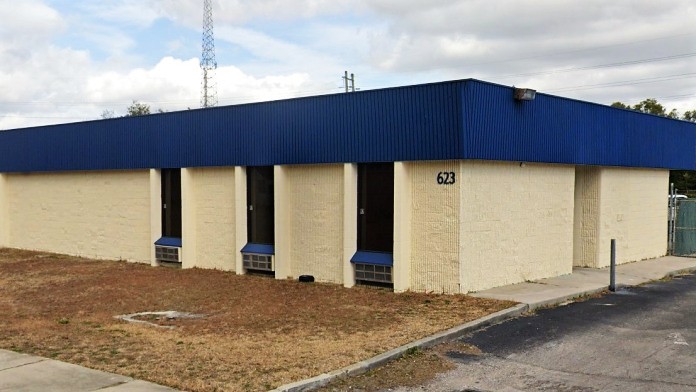
Community Rehabilitation Center

623 Beechwood street
Jacksonville, FL 32206
Claim Profile
Community Rehabilitation Center FL 32206

About Community Rehabilitation Center

Community Rehabilitation Center, located in Jacksonville, Florida is a non-profit alcohol and drug rehab that offers treatment for a variety of substance abuse addictions including alcoholism, co-occurring mental health disorders, and opiate addiction. They offer flexible outpatient addiction therapy allowing patients to live at home while receiving regular treatment. Specialty rehab programs at Community Rehabilitation Center include tailored care focusing on women's specific needs and experiences, gender-specific addiction treatment addressing unique challenges faced by men, and age-sensitive addiction treatment considering health and life-stage issues of older adults. Community Rehabilitation Center has received accreditations from CARF.

Similar Rehab Centers

Latest Reviews

Gabriel Jackson
1 month ago on Google
1
The phrase "safe harbor" in the context of drug trafficking, as targeted by legislation like the Safe Harbor Elimination Act (SHEA), is a multifaceted concept. It refers to any environment, jurisdiction, or mechanism that, either by design or default, offers protection or reduces the risk of detection, prosecution, or financial seizure for individuals and organizations engaged in illicit drug operations. This can manifest in various forms, from geographical regions with lax law enforcement or weak regulatory frameworks to sophisticated financial systems that obscure the origin and destination of illicit funds. The core idea behind eliminating these safe harbors is to create a global environment where the perceived benefits of drug trafficking are overshadowed by the increased certainty and severity of consequences. At its most fundamental level, a geographical safe harbor might refer to a country or territory that lacks the political will, the resources, or the legal infrastructure to effectively combat drug production, transit, or distribution within its borders. Such areas can become breeding grounds for criminal enterprises, offering them a relatively unhindered space to operate, grow, and profit. These regions might have porous borders, limited investigative capabilities, a judiciary prone to corruption, or a legal system that struggles to prosecute complex transnational drug crimes. For drug traffickers, these areas represent a vital sanctuary where they can establish production facilities, store illicit goods, launder money, and plan future operations with a diminished fear of international interference or even domestic repercussions. The SHEA aimed to close these geographical loopholes by fostering international cooperation, imposing sanctions on non-compliant nations, and empowering domestic agencies to pursue illicit activities that originated from or transited through such jurisdictions. Beyond physical geography, the concept of a financial safe harbor is perhaps the most pertinent to the core objectives of SHEA. This refers to the financial systems, institutions, or particular financial instruments that can be exploited to disguise, move, and integrate illicit drug proceeds into the legitimate economy. These can include traditional banking channels, but also extend to newer, less regulated financial technologies. For instance, a financial institution with weak anti-money laundering (AML) controls might inadvertently facilitate the movement of vast sums of drug money. Similarly, the use of shell corporations, complex offshore structures, or opaque investment vehicles can create layers of obfuscation, making it exceedingly difficult for law enforcement to trace the ultimate beneficial owners of these funds or to establish a direct link to drug trafficking. The SHEA specifically targeted these financial safe harbors by imposing stricter due diligence requirements on financial institutions, enhancing reporting obligations for suspicious transactions, and broadening the definition of money laundering to encompass a wider range of facilitating activities. The objective was to make it significantly harder and riskier for drug money to flow through the global financial system undetected. The digital realm has also become a significant arena for safe harbors in the drug trade. The rise of cryptocurrencies, online marketplaces, and encrypted communication platforms has provided new avenues for traffickers to operate with a degree of anonymity and to circumvent traditional financial controls. Cryptocurrencies, while offering benefits for legitimate transactions, can also be used to move illicit funds across borders with relative speed and without the direct oversight of traditional financial intermediaries. Similarly, dark web marketplaces can facilitate the direct sale of illicit drugs, connecting buyers and sellers in a way that is difficult to monitor. Encrypted messaging apps can be used for coordinating shipments and financial transactions, further reducing the traceability.
Ellie Lerma
1 year ago on Google
1
As a consumer here, I find this is not at all the place for special needs people. They are causing more problems than solutions. They can't keep teachers. The bathrooms are disgusting except the one in the cafeteria. The bullying just about goes unnoticed. They used to give us water, but then took it back and complain when consumers take the sodas THEY leave outside. They do things WRONG at this place. But the most outrageous thing to me is transportation. In January, they lost the contract they had with Safe ride and anyone with United Healthcare, Medicare, Medicaid had to take cabs instead of the crowded, smelly, no air conditioned vans they provide. As an autistic person I enjoyed taking the cabs because that meant I had peace and space while riding to and from. Today, they announced they got their contract back and are now forcing us to go back on the vans or we don't come back at all. This only proves to me that they could care less about us. All we are to them are $$$ signs. They're greedy as hell and don't care about the autistic people they have there. I went because I was tired of being lonely at home. The only thing I'm going to miss is the friends I've made along the way. Please give a good, thorough Google search or talk with mental health professionals before sending yourself or your caretakers here. Especially people with more problems than just mental health. I wish the News and health professionals and anyone else who reports things would get in on this. One more thing I want to mention is the food. Every day, after break, they give us snacks. The snacks are almost always way past the expiration date and me class alone had cookies with mold on them. And in the afternoons at lunch, we are not given enough time to eat. As soon as we sit down with our food, van drivers are yelling at us to load the vans or staff are rushing us out of the cafeteria for something "more important". Needless to say, I've made some some enemies along the way because I refuse to shove food down me throat and indigestion and heartburn like I do. Van drivers are also too strict and get on us for bringing backpacks and blankets to the center, even with autism. So I'm about to leave this place and find somewhere else to go where the people mean what they say when they say they care about us. Because truth be told if they really cared about us, they wouldn't be forcing us into these overcrowded vans with people sitting on the floor in between the seats. One star is for the friends I've made and me awesome group leader who cares more about us then the bosses.
Rosa Martin
2 years ago on Google
5
I freaking love this place.
Rehab.com icon

Rehab Score

Question iconOur Methodology
Scoring is assigned by a proprietary system which helps surface key metrics that determine quality. The 10-point scale factors in categories such as operations, customer satisfaction, and trust metrics. Read Full MethodologyCaret icon
Gauge icon
5.6 / 10

Accepted Insurance

Please contact to verify your specific insurance provider.

Community Rehabilitation Center works with several private insurance providers, please contact to verify your specific insurance provider.

Other Forms of Payment

Medicaid is a state based program that helps lower-income individuals and families pay for healthcare. Medicaid covers addiction treatment so those enrolled can use their coverage to pay for rehab. When a program accepts Medicaid the client often pays very little or nothing out of their own pocket.

Private insurance refers to any kind of healthcare coverage that isn't from the state or federal government. This includes individual and family plans offered by an employer or purchased from the Insurance Marketplace. Every plan will have different requirements and out of pocket costs so be sure to get the full details before you start treatment.

Self-pay involves paying for treatment out of your own pocket. You can use savings or credit, get a personal loan, or receive help from family and friends to fund your treatment. If you don't have insurance or your insurance plan doesn't cover a specific program, self-pay can help ensure you still get the care you need.

Financial aid can take many forms. Centers may have grants or scholarships available to clients who meet eligibility requirements. Programs that receive SAMHSA grants may have financial aid available for those who need treatment as well. Grants and scholarships can help you pai for treatment without having to repay.

Sliding scale payments are based on a client's income and family size. The goal is to make treatment affordable to everyone. By taking these factors into account, addiction recovery care providers help ensure that your treatment does not become a financial burden to you or your family, eliminating one barrier to care.

Medicare is a federal program that provides health insurance for those 65 and older. It also serves people under 65 with chronic and disabling health challenges. To use Medicare for addiction treatment you need to find a program that accepts Medicare and is in network with your plan. Out of pocket costs and preauthorization requirements vary, so always check with your provider.

Addiction Treatments

Levels of Care

Outpatient Programs (OP) are for those seeking mental rehab or drug rehab, but who also stay at home every night. The main difference between outpatient treatment (OP) and intensive outpatient treatment (IOP) lies in the amount of hours the patient spends at the facility. Most of the time an outpatient program is designed for someone who has completed an inpatient stay and is looking to continue their growth in recovery. Outpatient is not meant to be the starting point, it is commonly referred to as aftercare.

Treatments

The goal of treatment for alcoholism is abstinence. Those with poor social support, poor motivation, or psychiatric disorders tend to relapse within a few years of treatment. For these people, success is measured by longer periods of abstinence, reduced use of alcohol, better health, and improved social functioning. Recovery and Maintenance are usually based on 12 step programs and AA meetings.

Drug rehab in Florida provides quality treatment to help individuals overcome dependency related to a wide range of addictive substances. Programs address both the physical and mental aspects of addiction in order to help you make a full recovery.

Many of those suffering from addiction also suffer from mental or emotional illnesses like schizophrenia, bipolar disorder, depression, or anxiety disorders. Rehab and other substance abuse facilities treating those with a dual diagnosis or co-occurring disorder administer psychiatric treatment to address the person's mental health issue in addition to drug and alcohol rehabilitation.

A combined mental health and substance abuse rehab has the staff and resources available to handle individuals with both mental health and substance abuse issues. It can be challenging to determine where a specific symptom stems from (a mental health issue or an issue related to substance abuse), so mental health and substance abuse professionals are helpful in detangling symptoms and keeping treatment on track.

Opioid rehabs specialize in supporting those recovering from opioid addiction. They treat those suffering from addiction to illegal opioids like heroin, as well as prescription drugs like oxycodone. These centers typically combine both physical as well as mental and emotional support to help stop addiction. Physical support often includes medical detox and subsequent medical support (including medication), and mental support includes in-depth therapy to address the underlying causes of addiction.

Programs

Adult rehab programs include therapies tailored to each client's specific needs, goals, and recovery progress. They are tailored to the specific challenges adult clients may face, including family and work pressures and commitments. From inpatient and residential treatment to various levels of outpatient services, there are many options available. Some facilities also help adults work through co-occurring conditions, like anxiety, that can accompany addiction.

Young adulthood can be an exciting, yet difficult, time of transition. Individuals in their late teens to mid-20s face unique stressors related to school, jobs, families, and social circles, which can lead to a rise in substance use. Rehab centers with dedicated young adult programs will include activities and amenities that cater to this age group, with an emphasis on specialized counseling, peer socialization, and ongoing aftercare.

Clinical Services

Cognitive Behavioral Therapy (CBT) is a therapy modality that focuses on the relationship between one's thoughts, feelings, and behaviors. It is used to establish and allow for healthy responses to thoughts and feelings (instead of unhealthy responses, like using drugs or alcohol). CBT has been proven effective for recovering addicts of all kinds, and is used to strengthen a patient's own self-awareness and ability to self-regulate. CBT allows individuals to monitor their own emotional state, become more adept at communicating with others, and manage stress without needing to engage in substance abuse.

Group therapy is any therapeutic work that happens in a group (not one-on-one). There are a number of different group therapy modalities, including support groups, experiential therapy, psycho-education, and more. Group therapy involves treatment as well as processing interaction between group members.

In individual therapy, a patient meets one-on-one with a trained psychologist or counselor. Therapy is a pivotal part of effective substance abuse treatment, as it often covers root causes of addiction, including challenges faced by the patient in their social, family, and work/school life.

Amenities

  • private iconPrivate Setting

Staff & Accreditations

Staff
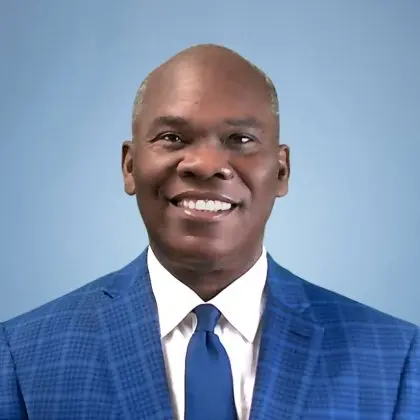
Reginald Gaffney, Sr.

President
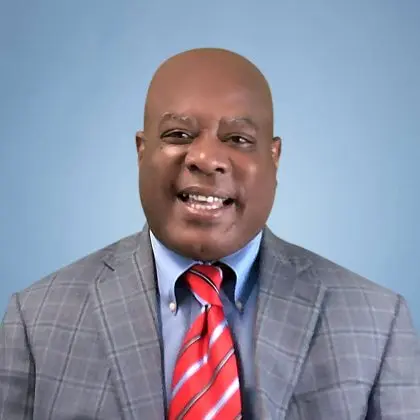
Stanley Twiggs

Operations Director
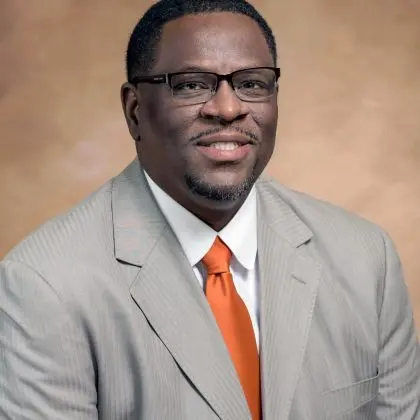
Dwight Brisbane

Chairman of the Board
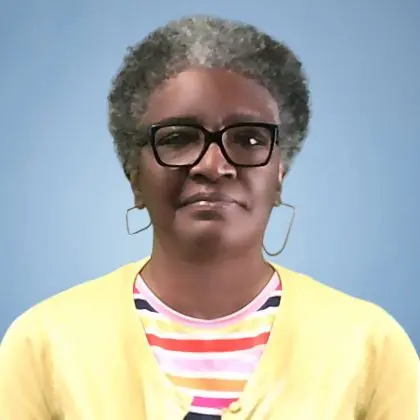
Dawn Smith

Interim Finance Director
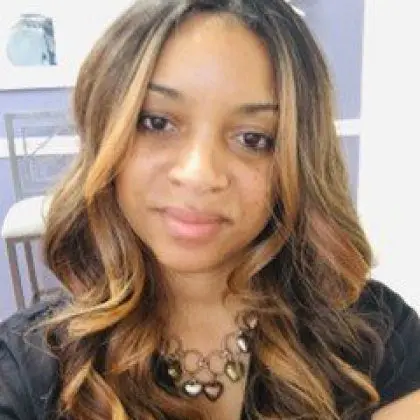
Pam Wilcox

Director of Human Resources
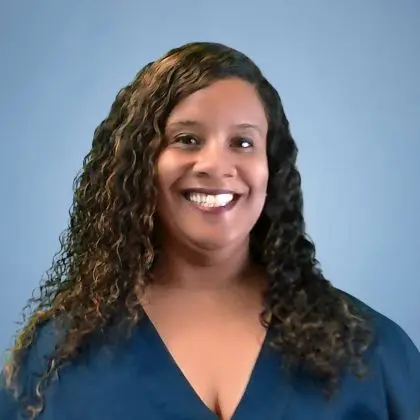
Dr. Erakal Goodman

Director of Grants & Special Programs
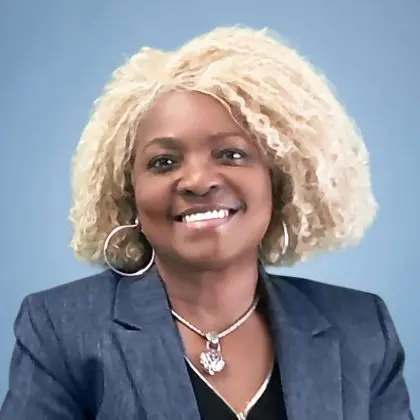
Patricia Sampson

Program Supervisor for Mental Health Case Management
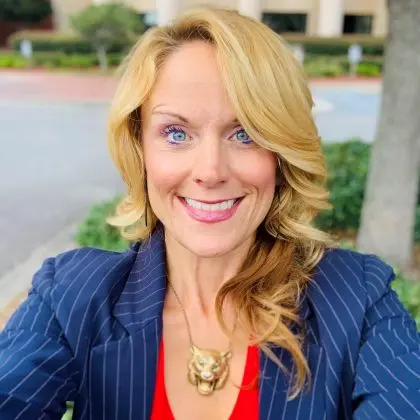
Jennifer Blalock

BOD

Accreditations

The Commission on Accreditation of Rehabilitation Facilities (CARF) is a non-profit organization that specifically accredits rehab organizations. Founded in 1966, CARF's, mission is to help service providers like rehab facilities maintain high standards of care.

CARF Accreditation: Yes

Contact Information

Building icon

623 Beechwood street
Jacksonville, FL 32206

Explore Other Centers Near Jacksonville

Reviews of Community Rehabilitation Center

3.36/5 (14 reviews)
0
Staff
0
Amenities
0
Meals
0
Value
0
Cleanliness
5
7
4
1
3
1
2
0
1
6

Reviews

Overall Experience
Date Submitted
Reviewer

Google Reviews

3.3571428571429 (14 reviews)
Gabriel Jackson
1 month ago
1

The phrase "safe harbor" in the context of drug trafficking, as targeted by legislation like the Safe Harbor Elimination Act (SHEA), is a multifaceted concept. It refers to any environment, jurisdiction, or mechanism that, either by design or default, offers protection or reduces the risk of detection, prosecution, or financial seizure for individuals and organizations engaged in illicit drug operations. This can manifest in various forms, from geographical regions with lax law enforcement or weak regulatory frameworks to sophisticated financial systems that obscure the origin and destination of illicit funds. The core idea behind eliminating these safe harbors is to create a global environment where the perceived benefits of drug trafficking are overshadowed by the increased certainty and severity of consequences. At its most fundamental level, a geographical safe harbor might refer to a country or territory that lacks the political will, the resources, or the legal infrastructure to effectively combat drug production, transit, or distribution within its borders. Such areas can become breeding grounds for criminal enterprises, offering them a relatively unhindered space to operate, grow, and profit. These regions might have porous borders, limited investigative capabilities, a judiciary prone to corruption, or a legal system that struggles to prosecute complex transnational drug crimes. For drug traffickers, these areas represent a vital sanctuary where they can establish production facilities, store illicit goods, launder money, and plan future operations with a diminished fear of international interference or even domestic repercussions. The SHEA aimed to close these geographical loopholes by fostering international cooperation, imposing sanctions on non-compliant nations, and empowering domestic agencies to pursue illicit activities that originated from or transited through such jurisdictions. Beyond physical geography, the concept of a financial safe harbor is perhaps the most pertinent to the core objectives of SHEA. This refers to the financial systems, institutions, or particular financial instruments that can be exploited to disguise, move, and integrate illicit drug proceeds into the legitimate economy. These can include traditional banking channels, but also extend to newer, less regulated financial technologies. For instance, a financial institution with weak anti-money laundering (AML) controls might inadvertently facilitate the movement of vast sums of drug money. Similarly, the use of shell corporations, complex offshore structures, or opaque investment vehicles can create layers of obfuscation, making it exceedingly difficult for law enforcement to trace the ultimate beneficial owners of these funds or to establish a direct link to drug trafficking. The SHEA specifically targeted these financial safe harbors by imposing stricter due diligence requirements on financial institutions, enhancing reporting obligations for suspicious transactions, and broadening the definition of money laundering to encompass a wider range of facilitating activities. The objective was to make it significantly harder and riskier for drug money to flow through the global financial system undetected. The digital realm has also become a significant arena for safe harbors in the drug trade. The rise of cryptocurrencies, online marketplaces, and encrypted communication platforms has provided new avenues for traffickers to operate with a degree of anonymity and to circumvent traditional financial controls. Cryptocurrencies, while offering benefits for legitimate transactions, can also be used to move illicit funds across borders with relative speed and without the direct oversight of traditional financial intermediaries. Similarly, dark web marketplaces can facilitate the direct sale of illicit drugs, connecting buyers and sellers in a way that is difficult to monitor. Encrypted messaging apps can be used for coordinating shipments and financial transactions, further reducing the traceability.

Keisha
1 month ago
3

Ellie Lerma
1 year ago
1

As a consumer here, I find this is not at all the place for special needs people. They are causing more problems than solutions. They can't keep teachers. The bathrooms are disgusting except the one in the cafeteria. The bullying just about goes unnoticed. They used to give us water, but then took it back and complain when consumers take the sodas THEY leave outside. They do things WRONG at this place. But the most outrageous thing to me is transportation. In January, they lost the contract they had with Safe ride and anyone with United Healthcare, Medicare, Medicaid had to take cabs instead of the crowded, smelly, no air conditioned vans they provide. As an autistic person I enjoyed taking the cabs because that meant I had peace and space while riding to and from. Today, they announced they got their contract back and are now forcing us to go back on the vans or we don't come back at all. This only proves to me that they could care less about us. All we are to them are $$$ signs. They're greedy as hell and don't care about the autistic people they have there. I went because I was tired of being lonely at home. The only thing I'm going to miss is the friends I've made along the way. Please give a good, thorough Google search or talk with mental health professionals before sending yourself or your caretakers here. Especially people with more problems than just mental health. I wish the News and health professionals and anyone else who reports things would get in on this. One more thing I want to mention is the food. Every day, after break, they give us snacks. The snacks are almost always way past the expiration date and me class alone had cookies with mold on them. And in the afternoons at lunch, we are not given enough time to eat. As soon as we sit down with our food, van drivers are yelling at us to load the vans or staff are rushing us out of the cafeteria for something "more important". Needless to say, I've made some some enemies along the way because I refuse to shove food down me throat and indigestion and heartburn like I do. Van drivers are also too strict and get on us for bringing backpacks and blankets to the center, even with autism. So I'm about to leave this place and find somewhere else to go where the people mean what they say when they say they care about us. Because truth be told if they really cared about us, they wouldn't be forcing us into these overcrowded vans with people sitting on the floor in between the seats. One star is for the friends I've made and me awesome group leader who cares more about us then the bosses.

Rosa Martin
2 years ago
5

I freaking love this place.

Overall Experience
Date Submitted
No reviews matching the selected filter!
Get Help Now
Question iconSponsored Helpline
Phone icon 800-784-1361
Left arrow iconBack

Write a review for Community Rehabilitation Center

Sharing your insights and experiences can help others learn more about this rehab center.

Title of Your Review
This is a required field
Your Review

Reviews comments must comply with our Review Policy Content Standards. Please do not use names (job titles / positions are acceptable) of any individual or identifying features, abusive remarks, or allegations of negligence or criminal activity.

A minimum of 200 characters and max of 2,000 characters required.
This is a required field
How would you rate the facility on the following?*
Overall Experience
Must select a star rating
Accomodations & Amenities
Must select a star rating
Meals & Nutrition
N/A
Must select a star rating
Treatment Effectiveness
Must select a star rating
Admissions Process
Must select a star rating
Staff & Friendliness
Must select a star rating
Cleanliness
Must select a star rating
Value for Cost
Must select a star rating
What is your connection to this facility?
This is a required field
Your Name*
This is a required field
Your Email*
This is a required field
Spinner icon Submitting your review...
Thumbs up icon Your review was successfully submitted.

Nearby Featured Providers

Get Help Today Phone icon 800-823-7153
Question iconSponsored Helpline