4
Tulip Hill Recovery
1
Top 10 Rehab Centers In Murfreesboro


















































































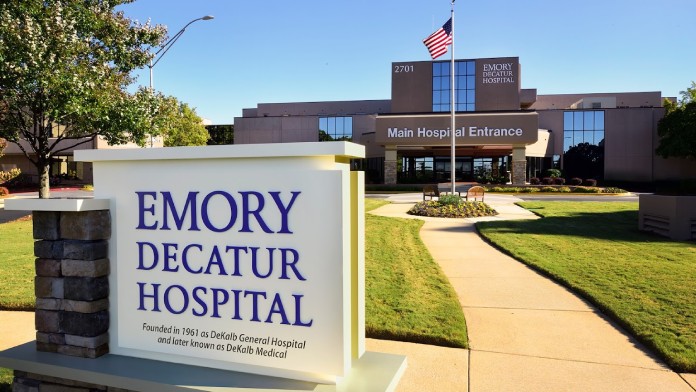
Electroconvulsive therapy, ketamine infusions and transcranial magnetic stimulation are offered at Emory Decatur Hospital through Behavioral Health Services. This addiction treatment center in Decatur, Georgia treats adults 18 and older who are in a mental health crisis.
Crisis stabilization in Behavioral Health Services covers mental illness, a substance use disorder and medical detox when acute inpatient care is needed.
The team includes physicians, nurses, social workers and professional counselors.
Electroconvulsive therapy is available in an inpatient setting and in an outpatient setting at Emory Decatur. The treatment uses a controlled seizure, a different approach than a daily pill. This service can be used in more intensive situations.
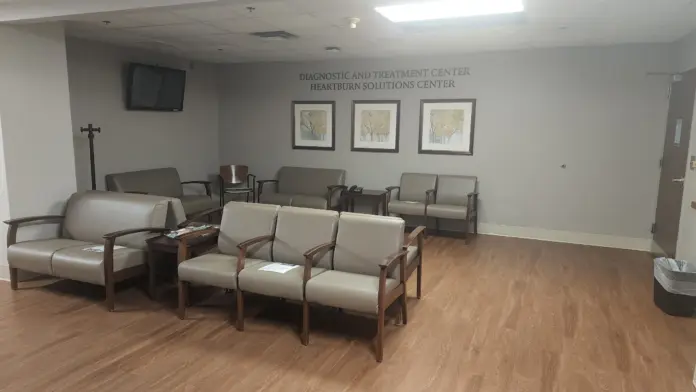
The behavioral health renovation in Decatur includes 32 inpatient beds and a neuromodulation clinic, along with the transitions program.
The transitions program uses group therapy and individual therapy to help patients move from an inpatient stay to outpatient care.
Behavioral health clinical staff assess patients in the emergency department and on medical units at all hours, every day, and they begin an initial plan and a next placement to coordinate treatment.
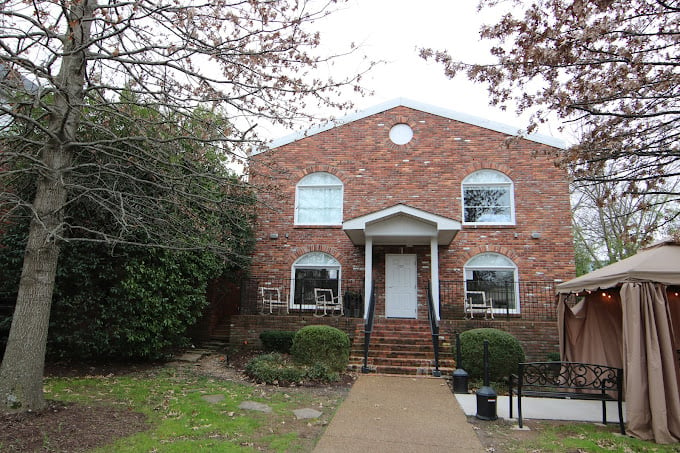
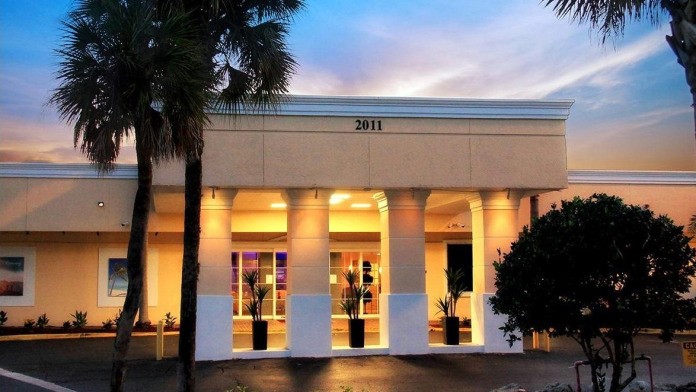
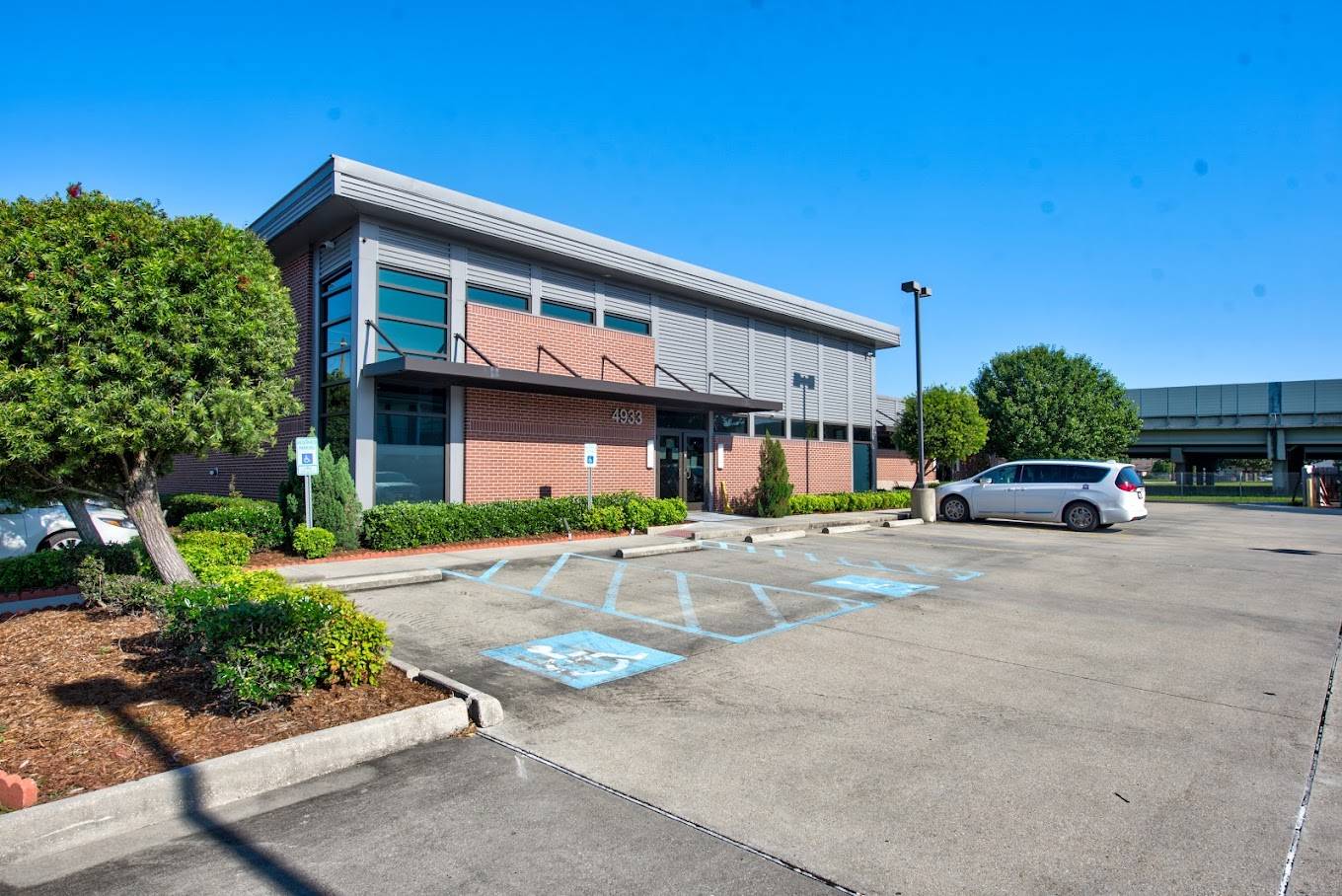
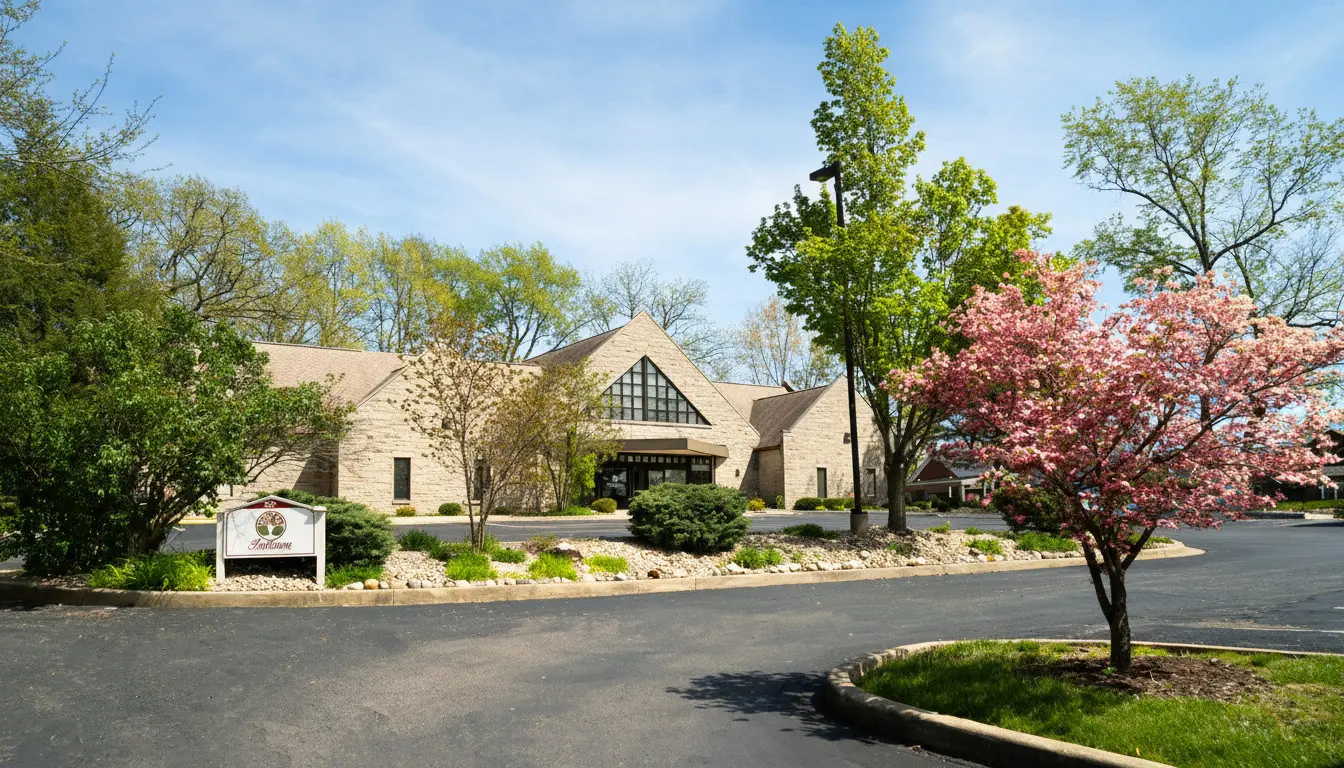
 451

 Our Methodology


Clients enrolled in an intensive outpatient program (IOP) travel to treatment centers for specialized care multiple times per week. Intensive outpatient treatment allows clients to receive robust care while continuing to live at home. Most programs require between nine and 20 treatment hours per week, with the frequency and intensive of sessions decreasing as clients stabilize. Services generally include a combination of addiction counseling, medication assisted treatment (MAT), recovery-focused life skills training, and holistic therapies.
Designed for individuals who don't require round-the-clock care, a partial hospitalization program (PHP) is a form of outpatient care with a higher level of support. PHP treatment can be an alternative to inpatient hospitalization or a step-down option. With daily sessions lasting 6 to 8 hours, up to 5 days a week, a partial hospitalization program may offer medication management, relapse prevention techniques, and behavioral therapy interventions. PHP treatment can be fully or partially covered by insurance.
The goal of treatment for alcoholism is abstinence. Those with poor social support, poor motivation, or psychiatric disorders tend to relapse within a few years of treatment. For these people, success is measured by longer periods of abstinence, reduced use of alcohol, better health, and improved social functioning. Recovery and Maintenance are usually based on 12 step programs and AA meetings.
A quality drug rehab in Georgia can help you overcome addiction. This environment is designed to help you address the complex issues contributing to drug dependence. The goal of treatment is to give you the tools you need to make a full recovery.
Behavioral Health Services handles crisis intervention plus crisis stabilization for adults of all ages. The care covers mental illness, substance use disorder and detoxification when an acute inpatient level is needed.
Opioid rehabs specialize in supporting those recovering from opioid addiction. They treat those suffering from addiction to illegal opioids like heroin, as well as prescription drugs like oxycodone. These centers typically combine both physical as well as mental and emotional support to help stop addiction. Physical support often includes medical detox and subsequent medical support (including medication), and mental support includes in-depth therapy to address the underlying causes of addiction.
Young adulthood can be an exciting, yet difficult, time of transition. Individuals in their late teens to mid-20s face unique stressors related to school, jobs, families, and social circles, which can lead to a rise in substance use. Rehab centers with dedicated young adult programs will include activities and amenities that cater to this age group, with an emphasis on specialized counseling, peer socialization, and ongoing aftercare.
Adult rehab programs include therapies tailored to each client's specific needs, goals, and recovery progress. They are tailored to the specific challenges adult clients may face, including family and work pressures and commitments. From inpatient and residential treatment to various levels of outpatient services, there are many options available. Some facilities also help adults work through co-occurring conditions, like anxiety, that can accompany addiction.
In individual therapy, a patient meets one-on-one with a trained psychologist or counselor. Therapy is a pivotal part of effective substance abuse treatment, as it often covers root causes of addiction, including challenges faced by the patient in their social, family, and work/school life.
 Electroconvulsive Therapy
 Transcranial Magnetic Stimulation

Chief Human Resources Officer

CFO
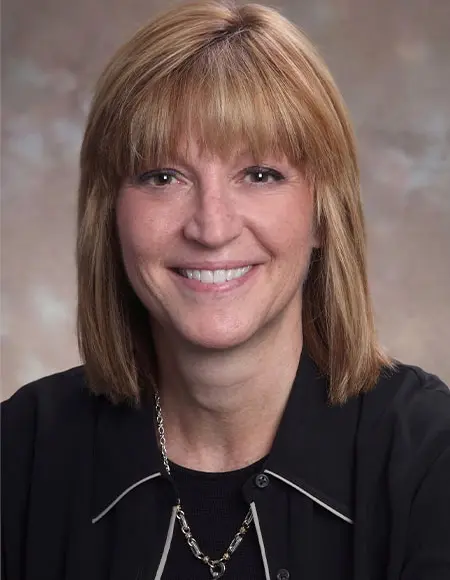
President, Physician Division

President, Regional Hospital Division
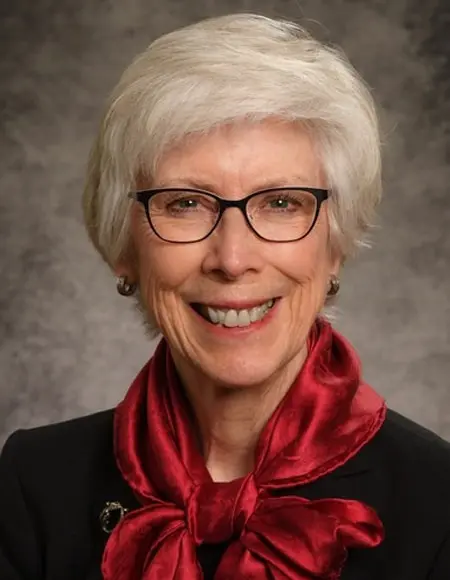
Chief Nurse Executive

CEO, Emory Healthcare

Chief Information and Digital Officer
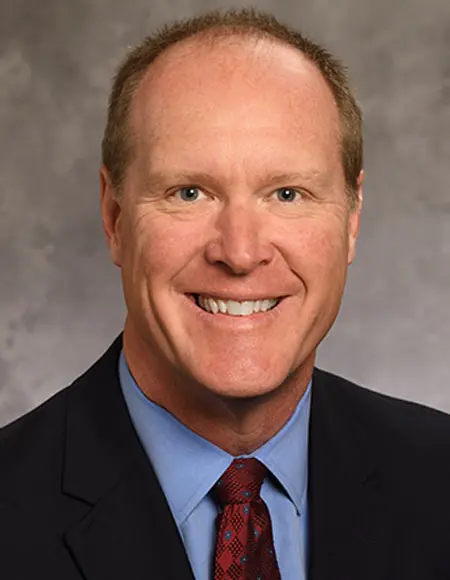
President, University Hospital Division
Rehab.com regularly reviews this listing for accuracy but changes may occur between updates. For the most up-to-date information, please contact Emory Decatur Hospital.

2701 North Decatur Road
Decatur, GA 30033
Sponsored Helpline

This is the worst experience I’ve ever in my life had a hospital ER. My mother had my underage brother call me to come to her bc she was that ill very unlike my mother. I called the ambulance , that really started things off bc those guys rolled up like a dumb and dumber they were moving slow we had to flag them down to help them find a very simple suburban apartment. We asked to go to piedmont and they took us here. Now my mom came in ambulance in severe abdominal pain and they put her in a treatment waiting room no bed just a dirty room with a curtain a bunch of other patients and a chair and hung an iv from i coat hanger. she’s been screaming in pain begging for assistance being ignored begging for a blanket. The nurses have no empathy or care for these patients and the janitors are coming in more than them sweeping and mopping around them which just goes to show how it’s operating just throwing shit on floor… on the way to ct scan patients were in beds in halls crying in agony. I’ve never been to a hospital this bad in all my 38 years. it’s be 6 hours we’re still in waiting room visit from doctor and nurses are not checking in i’ve had to ask everytime and my mom had to start wailing in pain to get them to do anything they waited until her pain came back and her in bag drained. my underage brother can’t come back here we got to keep trading off to be with my mom bc she’s in the small room. It’s not even a room it’s a curtain.

I had a wonderful experience with the phlebotomist (Pearlie) today. She was very professional, gentle, patient, and made the blood draw quick and comfortable. She did an excellent job, and I truly appreciate her kindness and care. Thank you for making the experience so pleasant!

I had such a wonderful and pleasant visit today! My pre-op registered nurse, Mrs.Funke, was very attentive and informative. She made the environment a safe space for me to ask all my questions. This is my first time undergoing any type of surgery, so she definitely made me feel comfortable about everything I will be experiencing. I also had an amazing visit with the phlebotomist, Mrs. Pearlie Bryd, who was very gentle when performing my blood work. I didn’t feel anything! I don’t normally write reviews, but I definitely needed to make sure I left one today! Outstanding staff! I am specifically referring to the pre-surgical team at Bobby Bailey Women’s Tower Building on the 1st level.

This weekend was ruff, but the Staff doctors, nurses even the police security were Amazing, Shoutouts to Taylor C pod 3 - emergency room. YOU ROCK, you were attentive, personable and caring, I just want to say thank you for making me and my mom feel better.
 Back
Sharing your insights and experiences can help others learn more about this rehab center.
Assessments, initial plans and dispositions run around the clock, all week, in the emergency department and on medical units at Behavioral Health Services. The service is for adults 18 and older in a mental health crisis.
Physicians and nurses work with licensed social workers and licensed professional counselors at Behavioral Health Services. The service treats adults 18 and older in a mental health crisis.
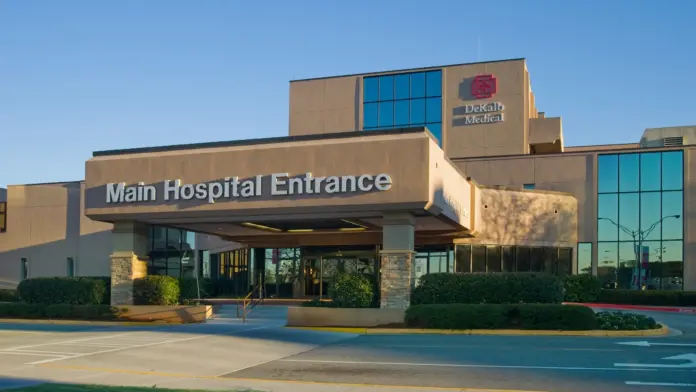
The hospital has cared for this community since 1961, and it is one of 10 Emory Healthcare hospitals. Behavioral Health Services treats adults 18 and older who are in a mental health crisis.