





























































































About DGR Behavioral Health, LLC
Their substance use treatment may involve individual, group and family therapy following extensive diagnostic evaluation. These therapies often use proven methods to help you dig into the underlying reasons for your substance use. They focus on understanding what drives your behaviors. This makes it easier to address those issues and start building healthier habits.
Group therapy lets you connect with peers going through similar behavioral issues. You’ll share experiences and learn from each other in a safe space. This can enhance peer recovery support. Plus, you’ll build a sense of community which makes recovery feel less isolating.
Individual therapy allows you to dive into personal challenges at your own pace. You’ll work with your dedicated therapist to address specific issues influencing your substance misuse. This therapist will assist you with tools to handle cravings, triggers and stress as necessary. One on one sessions can strengthen your coping mechanisms over time.
There are other counseling tracks. Family and couple therapy helps strengthen your support network by improving communication and mending relationships with loved ones.
What’s great about this facility is that they offer telehealth support. So you can access their therapeutic support in the comfort of your home. This saves cost and optimizes convenience. They even specialized treatments for anger and stress management, PTSD and women’s issues. Addressing these challenges may help you cope better with substance misuse, prevent relapse and enable you to stay sober.
Latest Reviews



Rehab Score
 Our Methodology


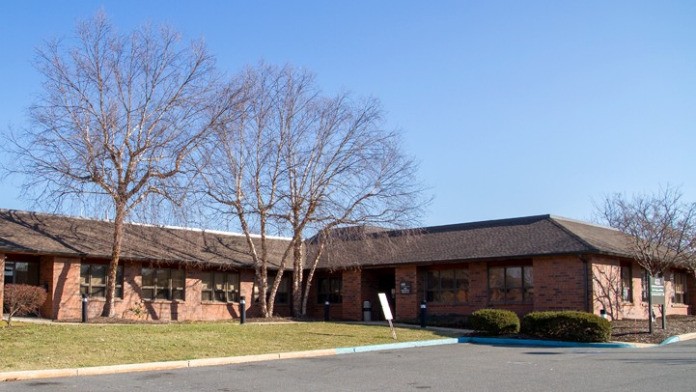
Gallery
Other Forms of Payment
Private insurance refers to any kind of healthcare coverage that isn't from the state or federal government. This includes individual and family plans offered by an employer or purchased from the Insurance Marketplace. Every plan will have different requirements and out of pocket costs so be sure to get the full details before you start treatment.
Self-pay involves paying for treatment out of your own pocket. You can use savings or credit, get a personal loan, or receive help from family and friends to fund your treatment. If you don't have insurance or your insurance plan doesn't cover a specific program, self-pay can help ensure you still get the care you need.
Addiction Treatments
Levels of Care
Outpatient rehabs specialize in providing comprehensive care for clients who choose to remain in their homes and communities during treatment. Their services may include transitional support for clients stepping down from intensive inpatient programming. Ambulatory medical detox may be provided for clients at low risk for withdrawal complications. Many programs include evening, night, and weekend services to accommodate clients who are working professionals or caregivers. Addiction counseling and life skills training are common treatment modalities.
Residential treatment programs are those that offer housing and meals in addition to substance abuse treatment. Rehab facilities that offer residential treatment allow patients to focus solely on recovery, in an environment totally separate from their lives. Some rehab centers specialize in short-term residential treatment (a few days to a week or two), while others solely provide treatment on a long-term basis (several weeks to months). Some offer both, and tailor treatment to the patient's individual requirements.
Clients receiving services from a rehab aftercare program are usually stable and in the maintenance phase of recovery, having completed detox and/or intensive inpatient treatment. Rehab aftercare services can vary widely based on clients' individual and evolving needs, but often include peer coaching, relapse prevention support, 12 step program induction, and medical, mental health, and social service referrals. Individual care plans are typically developed by the client in partnership with their case manager and care team.
Treatments
If you have a mental health condition and an addiction, it is critical to address both conditions simultaneously. If you only address the mental health disorder, you'll likely continue to use drugs or alcohol, which can make your mental health issues even worse. On the other hand, if you only address the addiction, you won't have the tools to cope with your mental health disorder in a healthy way.
Substance rehabs focus on helping individuals recover from substance abuse, including alcohol and drug addiction (both illegal and prescription drugs). They often include the opportunity to engage in both individual as well as group therapy.
Programs
Adult rehab programs include therapies tailored to each client's specific needs, goals, and recovery progress. They are tailored to the specific challenges adult clients may face, including family and work pressures and commitments. From inpatient and residential treatment to various levels of outpatient services, there are many options available. Some facilities also help adults work through co-occurring conditions, like anxiety, that can accompany addiction.
Young adulthood can be an exciting, yet difficult, time of transition. Individuals in their late teens to mid-20s face unique stressors related to school, jobs, families, and social circles, which can lead to a rise in substance use. Rehab centers with dedicated young adult programs will include activities and amenities that cater to this age group, with an emphasis on specialized counseling, peer socialization, and ongoing aftercare.
Clinical Services
Cognitive behavioral therapy (CBT) in Pennsylvania can be helpful to individuals who are experiencing substance use disorder and various mental health conditions. It helps you identify damaging thought and behavior patterns and replace them with healthy ones.
Dialectical behavior therapy in Pennsylvania is an evidence based technique that involves group therapy, individual therapy, and phone coaching. Group sessions focus on learning behavioral skills. Individual therapy gives you the opportunity to apply what you're learning to your personal situations. Phone coaching allows you to call your therapist during the week for help with challenging situations.
Group therapy sessions in Pennsylvania offer you a safe space when you're struggling with drug and alcohol addiction. You can openly discuss your challenges and the progress you're making in rehabilitation. Sharing this responsibility with others in your group fosters a commitment to sobriety and helps create strong bonds with your peers.
Personalized therapy sessions in Pennsylvania typically include a safe and nonjudgmental setting in which you can express your deepest emotions and feelings and explore the factors that have contributed to addiction. Therapists tailor the sessions to help you develop healthier thought patterns and behaviors, which improve your self control and build a foundation for your long term sobriety.
Couples therapy in Pennsylvania is typically short term treatment that focuses on building skills that lead to positive long term relationship changes. Sessions with the therapist may occur both jointly and individually.
Family therapy teaches individual family members in Pennsylvania the benefits of collectively combating addiction. Therapists help individual members establish healthy boundaries between themselves and their loved one who is struggling with addiction. This helps improve emotional support systems and creates a bond so families work together to sustain long term recovery.
Life skills are the mental and social skills that are necessary to navigate day to day life. Addiction diminishes or eliminates these skills, so they must be relearned and practiced during drug rehab treatment in Pennsylvania.
Amenities
-
 Private Setting
Staff
Aimee C. Adams, PhD
Psychologist
Andrea R. Carter, PsyD
Psychologist
Paul E. Delfin, PhD
Psychologist
Sarah R. Gerloff, Ph.D., LPC, NCC
Counselor
Meghan Grubb, PsyD
Psychologist
R. Adam Jenkins, MD
Psychiatrist
Joseph A. Lesko, PsyD
Psychologist
Robert E. Nelson, MD
Psychiatrist
Rehab.com regularly reviews this listing for accuracy but changes may occur between updates. For the most up-to-date information, please contact DGR Behavioral Health, LLC.
Contact Information

2201 Ridgewood Rd
#400
Wyomissing, PA 19610
Sponsored Helpline



