Get Help Now
Question iconSponsored Helpline
Phone icon 800-641-8351

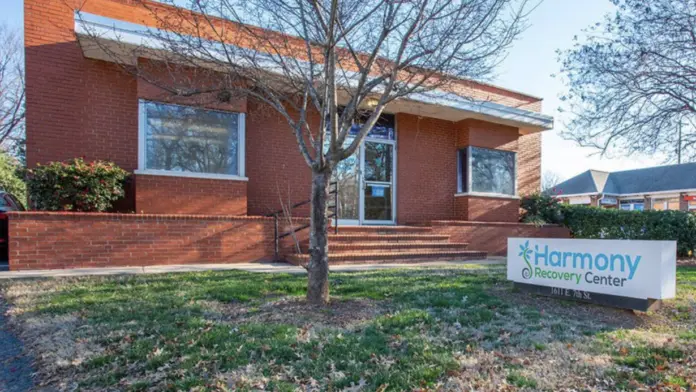
Harmony Recovery Center

11403 North Tryon Street
Charlotte, NC 28262
Claim Profile
6
Top 10 Rehab in Charlotte
Rehab Score
Our Rehab Score is designed to make it easier for you to find the best treatment centers. We combine overall ratings with recent feedback to create a score that reflects a center's quality right now.
7.53 / 10
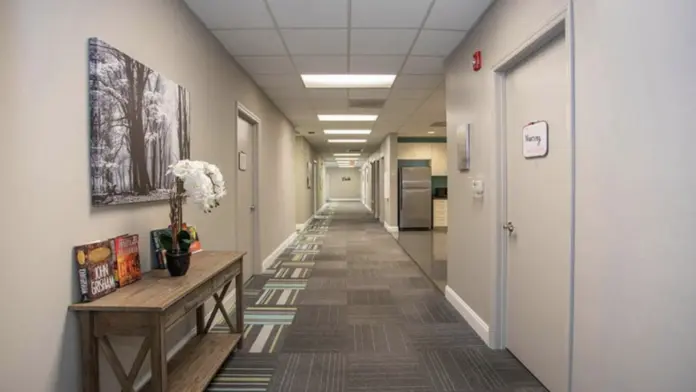
The facilities at Harmony Recovery Center in Charlotte, NC 2
6
Top 10 Rehab in Charlotte
Rehab Score
Our Rehab Score is designed to make it easier for you to find the best treatment centers. We combine overall ratings with recent feedback to create a score that reflects a center's quality right now.
7.53 / 10

About Harmony Recovery Center

As a part of their intensive outpatient program (IOP), patients have freedom and personal responsibility while also receiving structure and support in maintaining their sobriety. Staff members will help clients develop a productive daily routine. The facility offers the patients the option of staying in partnered supportive housing or staying at their own homes. Clients will attend the treatment program either in the morning or evening. They’ll participate in individual and group sessions where they’ll focus on developing skills that will support them in maintaining their sobriety.

The medication assisted treatment (MAT) available at Harmony Recovery Center is designed for clients who’ve been unable to maintain long term recovery. The drugs that are used to help clients deal with withdrawal symptoms are Suboxone, naltrexone and Vivitrol. This program will usually last one to six months. Patients participating in MAT will be required to participate in one other treatment program such as the partial hospitalization program (PHP) or the outpatient program.

Similar Rehab Centers

Fact checked and written by:
Eric Owens
Edited by:
Kerry Nenn, BSW

Facility Overview

Calendar icon 15 - 30
Avg Length of Stay in Days

Latest Reviews

Mary Jarade
7 months ago on Google
5
If you're reading this right now and addiction has taken over your life — stop and read this for a second. I used to think I didn’t need help. I thought I could do it on my own. I thought nobody understood what I was going through. But the truth is… I needed help more than I ever realized. Coming to Harmony Recovery Center was one of the hardest choices I’ve ever made — but it’s also one of the best. The staff here aren’t just employees — they’re in recovery too. They’ve lived the chaos. They’ve felt the pain. They’ve fought the same fight most of us are fighting. They’ve been in our shoes — and because of that, they don’t judge us… they *get* us. They sit with you in the dark moments. They guide you when you feel lost. They push you when you want to give up. And they remind you every single day that recovery is possible. They’ve been a huge part of my journey, and I don’t know where I’d be without them. So if you’re out there struggling, using, or believing you’re too far gone — listen: You’re not. You CAN get clean. You CAN rebuild your life. You DESERVE a future you don’t want to escape from. And if you don’t know where to start — start here. Make the call. Walk through the doors. Let someone help you save your life. It’s helping save mine. 💙
Response from the owner4 weeks ago
Hi, Mary. We are thrilled to learn that you had a positive experience with us!
Tiffany Beale
8 months ago on Google
5
Where do I start, first let me say finding mental health help for my husband was an extreme challenge being that he doesn't have true substance abuse issues. However, when I was placed in contact with Harmony Recovery Center OMG! Ms. Evelyn Contacted me, and she had done all the leg work on her side and let me know in detail all that was needed from me to get my husband admitted. Needless to say, the transition was smoother than butter! In a matter of hours not days he was in! They stayed in contact with us through our travels. The staff was super welcoming and supportive! Honestly Ms. Evelyn has made this whole experience for me one of comfort and ease! It's never easy to leave the ones you love in the hands or care of strangers whether they are professionals or not, but Evelyn took all that away with her kindness, willingness to go above and beyond, her compassion, her empathy. All-in-all.... she is AWESOMELY AMAZING! Thank you, Ms. Evelyn, and the entire Harmony Recovery Center Staff
Response from the owner4 weeks ago
Hi, Tiffany. Your feedback is highly appreciated. Thank you for the review!
Roylin
8 months ago on Google
5
I am truly grateful to be housed at Harmony Recovery Center. From the moment I arrived, I have felt supported, respected, and genuinely cared for. A huge part of that positive experience is thanks to Evelyn Dillard, who is an outstanding housing director. Evelyn goes above and beyond every single day to make sure everyone here is safe, comfortable, and heard. She treats residents with compassion and professionalism, always taking the time to listen and respond to our needs. Her dedication to helping people rebuild their lives is clear in everything she does, and her leadership makes Harmony feel less like a facility and more like a community. Thanks to Evelyn, this experience has been not only healing, but truly life-changing. I’m grateful for her kindness, guidance, and unwavering support. Harmony Recovery Center is a great place to be, and Evelyn Dillard is a big reason why.
Response from the owner4 weeks ago
Hi, Roylin. We appreciate the kind words and are glad we could provide you with a positive experience!
Rehab.com icon

Rehab Score

Question iconOur Methodology
Scoring is assigned by a proprietary system which helps surface key metrics that determine quality. The 10-point scale factors in categories such as operations, customer satisfaction, and trust metrics. Read Full MethodologyCaret icon
Gauge icon
7.5 / 10

Accepted Insurance

Please contact to verify your specific insurance provider.

Harmony Recovery Center works with several private insurance providers, please contact to verify your specific insurance provider.

Other Forms of Payment

Private insurance refers to any kind of healthcare coverage that isn't from the state or federal government. This includes individual and family plans offered by an employer or purchased from the Insurance Marketplace. Every plan will have different requirements and out of pocket costs so be sure to get the full details before you start treatment.

Self-pay involves paying for treatment out of your own pocket. You can use savings or credit, get a personal loan, or receive help from family and friends to fund your treatment. If you don't have insurance or your insurance plan doesn't cover a specific program, self-pay can help ensure you still get the care you need.

Financial aid can take many forms. Centers may have grants or scholarships available to clients who meet eligibility requirements. Programs that receive SAMHSA grants may have financial aid available for those who need treatment as well. Grants and scholarships can help you pai for treatment without having to repay.

Medicare is a federal program that provides health insurance for those 65 and older. It also serves people under 65 with chronic and disabling health challenges. To use Medicare for addiction treatment you need to find a program that accepts Medicare and is in network with your plan. Out of pocket costs and preauthorization requirements vary, so always check with your provider.

Military members, veterans, and eligible dependents have access to specific insurance programs that help them get the care they need. TRICARE and VA insurance can help you access low cost or no cost addiction and mental health treatment. Programs that accept military insurance often have targeted treatment focused on the unique challenges military members, veterans, and their families face.

free iconFree

Addiction Treatments

Levels of Care

Intensive Outpatient Programs (IOP) are for those who want or need a very structured treatment program but who also wish to live at home and continue with certain responsibilities (such as work or school). IOP substance abuse treatment programs vary in duration and intensity, and certain outpatient rehab centers will offer individualized treatment programs.

Drug and alcohol addiction often takes a heavy toll on one's body. Over time, a physical dependence can develop, meaning the body physiologically needs the substance to function. Detox is the process of removing drugs and/or alcohol from the body, a process that can be lethal if mismanaged. Medical detox is done by licensed medical professionals who monitor vital signs and keep you safe, healthy, and as comfortable as possible as you go through detox and withdrawal. The length of stay at the detoxification program is determined according to the specific needs of the patient.

12-step programs are addiction recovery models based on Alcoholics Anonymous (AA). A number of substance abuse programs (including some drug and alcohol rehab centers) use the 12 steps as a basis for treatment. Beginning steps involve admitting powerlessness over the addiction and creating a spiritual basis for recovery. Middle steps including making direct amends to those who've been hurt by the addiction, and the final step is to assist others in addiction recovery in the same way. 12-Step offshoots including Narcotics Anonymous (NA), Cocaine Anonymous (CA), Dual Recovery Anonymous (DRA), Sex and Love Addicts Anonymous (SLAA) and Gamblers Anonymous (GA).

Outpatient Programs (OP) are for those seeking mental rehab or drug rehab, but who also stay at home every night. The main difference between outpatient treatment (OP) and intensive outpatient treatment (IOP) lies in the amount of hours the patient spends at the facility. Most of the time an outpatient program is designed for someone who has completed an inpatient stay and is looking to continue their growth in recovery. Outpatient is not meant to be the starting point, it is commonly referred to as aftercare.

A sober living home in North Carolina offers structure and support to help individuals maintain sobriety. The home is free from substances and offers 12-step programs, individual responsibilities, and mutual support with others in recovery. This setting can provide a lifeline as individuals strengthen recovery skills and prepare to reenter mainstream society. Most residents remain in a men's or women's sober living home for six months or more.

Often used as a "step-down" option after you've completed a residential or inpatient program, the partial hospitalization program (PHP) typically involves a minimum of 20 hours of treatment per week for approximately 90 days. Programs offer structured programming that includes relapse prevention, medication management, and behavioral therapy services. Insurance coverage for PHP treatment varies among insurance providers.

Treatments

Substance rehabs focus on helping individuals recover from substance abuse, including alcohol and drug addiction (both illegal and prescription drugs). They often include the opportunity to engage in both individual as well as group therapy.

Programs

Adult rehab programs include therapies tailored to each client's specific needs, goals, and recovery progress. They are tailored to the specific challenges adult clients may face, including family and work pressures and commitments. From inpatient and residential treatment to various levels of outpatient services, there are many options available. Some facilities also help adults work through co-occurring conditions, like anxiety, that can accompany addiction.

Serving in the military is both mentally and physically challenging, and can result in trauma that persists even after combat ends. Military programs are tailored to the specific and often complex needs of active duty personnel, veterans, and military families. Clients often access these programs through the U.S. Department of Veterans Affairs (VA).

Clinical Services

Cognitive Behavioral Therapy (CBT) is a therapy modality that focuses on the relationship between one's thoughts, feelings, and behaviors. It is used to establish and allow for healthy responses to thoughts and feelings (instead of unhealthy responses, like using drugs or alcohol). CBT has been proven effective for recovering addicts of all kinds, and is used to strengthen a patient's own self-awareness and ability to self-regulate. CBT allows individuals to monitor their own emotional state, become more adept at communicating with others, and manage stress without needing to engage in substance abuse.

Creativity is inherently healing, and can help those in recovery express thoughts or feelings they might not otherwise be able to. Creative arts therapy can include music, poetry/writing, painting, sculpting, dance, theater, sandplay, and more. Unlike traditional art, the final product matters far less than the experience of creation and expression itself.

Research clearly demonstrates that recovery is far more successful and sustainable when loved ones like family members participate in rehab and substance abuse treatment. Genetic factors may be at play when it comes to drug and alcohol addiction, as well as mental health issues. Family dynamics often play a critical role in addiction triggers, and if properly educated, family members can be a strong source of support when it comes to rehabilitation.

Group therapy is any therapeutic work that happens in a group (not one-on-one). There are a number of different group therapy modalities, including support groups, experiential therapy, psycho-education, and more. Group therapy involves treatment as well as processing interaction between group members.

Trauma therapy addresses traumatic incidents from a client's past that are likely affecting their present-day experience. Trauma is often one of the primary triggers and potential causes of addiction, and can stem from child sexual abuse, domestic violence, having a parent with a mental illness, losing one or both parents at a young age, teenage or adult sexual assault, or any number of other factors. The purpose of trauma therapy is to allow a patient to process trauma and move through and past it, with the help of trained and compassionate mental health professionals.

You usually develop a strong bond with your therapist during individual therapy sessions. This helps you explore the underlying causes of your substance use in a safe and nonjudgmental environment. Therapists help you develop effective coping strategies you can use in the community and improve your self awareness so you understand your addiction triggers.

If you're struggling with insecurity about your ability to make changes in your life, motivational interviewing in North Carolina could be a good solution. This type of therapy offers support and empowerment to help you explore your options and decide how to move forward with positive changes.

Routine tasks are difficult for someone experiencing addiction. Daily skills deteriorate, which makes it harder to achieve recovery. That's why drug rehab programs in North Carolina reteach basic life skills. This gives you the tools you need to manage daily life without returning to substance use.

During nutrition therapy in North Carolina, you'll work with a nutritionist to develop a dietary plan. Medical professionals will provide input based on your health needs. You'll learn to create goals for nutrition and develop the skills you need to meet them.

When you participate in experiential therapy in North Carolina, you'll harness creative expression to release negative emotions and experience positive ones. This happens through hands on interventions such as music, art, animal care, culinary arts, and drama.

Amenities

  • spa2 iconYoga Studio
  • home-setting iconResidential Setting
  • private-room iconPrivate Rooms

Staff & Accreditations

Staff
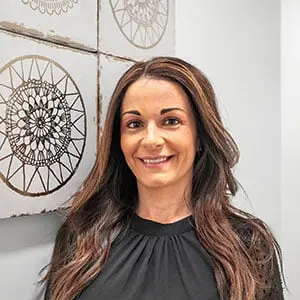
Kelly Rupinski

Manager of Quality Assurance

Dr. Jill E Thompson, MD

Medical Director

Jackie Redmond

Clinical Supervisor
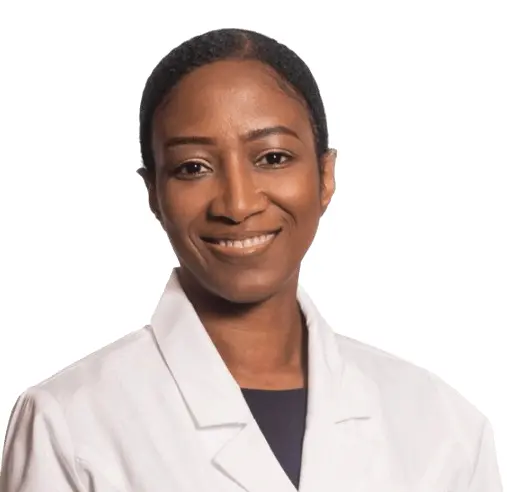
Jessie Seide, DNP, PMHNP-BC, FNP-BC, PA

Nurse Practitioner
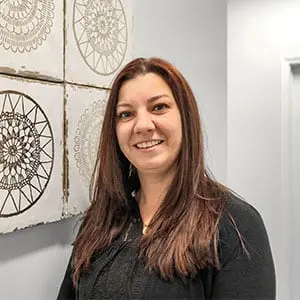
Stephanie McEvoy

Lead Case Manager
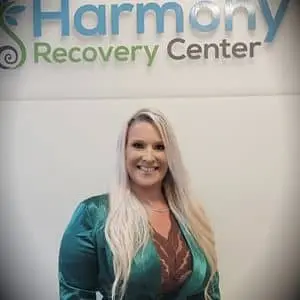
Evie Parrott

Business Development Executive

Accreditations

The Joint Commission, formerly known as JCAHO, is a nonprofit organization that accredits rehab organizations and programs. Founded in 1951, the Joint Commision's mission is to improve the quality of patient care and demonstrating the quality of patient care.

Joint Commission Accreditation: Yes

LegitScript has reviewed Harmony Recovery Center as part of their certification program, and has determined that it meets the LegitScript standards for legality, safety and transparency.

LegitScript verified in August 2021

Rehab.com regularly reviews this listing for accuracy but changes may occur between updates. For the most up-to-date information, please contact Harmony Recovery Center.

Contact Information

Building icon

11403 North Tryon Street
Charlotte, NC 28262

Explore Other Centers Near Charlotte

Reviews of Harmony Recovery Center

4.04/5 (224 reviews)
0
Staff
0
Amenities
0
Meals
0
Value
0
Cleanliness
5
156
4
16
3
6
2
6
1
45

Reviews

Overall Experience
Date Submitted
Reviewer

Google Reviews

4.04 (224 reviews)
Josh Melchor
1 month ago
1

Worst experience I’ve ever had. Staff is very rude and nasty!!!! And nastiest building. I’ve been in plus there’s a girl‘s house for php couple houses down from them men’s house there is a homeless guy that is living in the backyard. Literally posted up on the house, but they have cameras to watch everything else, but they don’t see this guy that’s living there. This is so Sickening to my stomach how they treat people and go about things I gave the girls and good lawyer and attorney to talk to!!!!!

Antonio Smith
4 months ago
1

My experience at Harmony Recovery Center in Charlotte, NC was deeply disappointing and, at times, alarming. During my time there, the housing program connected to PHP and IOP services significantly declined. Multiple houses were lost, IOP services were eventually no longer offered, and clients were directly impacted by these disruptions. Residents were left confused and unstable during what should be a structured recovery process. There were ongoing concerns about financial mismanagement involving rent payments connected to the IOP housing program. Clients were charged directly for housing while insurance had indicated coverage for certain levels of care. Billing transparency was lacking, and many of us were left questioning where funds were being allocated. The program required clients to obtain employment within two weeks and begin paying rent. Realistically, for individuals who had been out of work, rebuilding resumes, applying for jobs, interviewing, and waiting for a first paycheck often takes significantly longer. If rent could not be paid quickly, clients were forced to leave. There were little to no job placement resources or structured transitional support to help people reenter the community successfully. When the program ended, clients were not assisted with securing alternative housing. Many were left to “figure it out” on their own, and several individuals ended up homeless. I personally knew someone who was discharged back to the streets and later lost his life. Another individual passed away while in housing. These situations deeply affected many of us in 2025. Staff turnover was high, corporate restructuring led to mass firings, and there were not enough qualified staff members to meet the demand of the services advertised. The environment often felt chaotic rather than therapeutic. Recovery requires stability, transparency, and real support. Unfortunately, my experience was marked by instability, financial pressure, and lack of accountability. I strongly encourage anyone considering this facility to thoroughly research, ask detailed questions about housing stability and billing practices, and explore other treatment options before making a decision.

illaha moon
4 months ago
1

I had a very disappointing experience at this rehab center. While the facility itself seemed decent at first, the care provided, especially by the lead tech, was completely unacceptable. The tech Leo displayed a complete lack of empathy and professionalism. Instead of offering support or understanding, they belittled clients and were often dismissive of their concerns. There were multiple instances where they lied about clients' progress or actions, which created unnecessary tension and confusion. To make matters worse, the center fails to provide key aspects of recovery support. There are no case workers, no daily medical staff on-site, and absolutely no post-program support to help clients transition back to life outside of the center. It felt like once you finished the program, you were essentially on your own. The group sessions were bland and unstructured, with little to no thought put into them. Instead of being a place for meaningful discussion or therapy, they often resorted to just showing movies, which felt like a waste of time. There was no real effort to address the individual needs of the clients. On top of all that, it became clear that the center was more focused on making money than actually providing the services they advertise. What was promised in terms of therapy and individual support was either unavailable or rushed through. Overall, I would not recommend this center to anyone in need of serious recovery support. There are much better options out there with professionals who genuinely care about their clients and their progress.

sierra liggins
6 months ago
1

It took me nearly a year to fully realize that Harmony was a complete and utter failure as a treatment program. The group sessions were chaotic, poorly structured, and dominated by constant one-upmanship rather than healing. The therapy provided offered little to no meaningful support, and in some cases actively worsened my condition. Harmony falsely claimed that my insurance would no longer cover continued treatment, despite the fact that I later received official documentation confirming that coverage was still valid. As a result, it took almost a full year for me to finally receive proper and effective mental health care. One therapist not only failed to provide guidance but actively encouraged unhealthy behavior, offering no real tools for recovery. Another therapist made deeply troubling statements — criticizing the treatment of women in Islam while simultaneously expressing approval of physically beating children with belts. This contradiction was alarming, unethical, and completely inappropriate for a mental health professional. Ironically, what ultimately helped me recover was not the program, but my conversion to Islam, which provided structure, meaning, discipline, and stability during one of the most difficult periods of my life. Today, I am back in school and rebuilding my future — despite the harm caused by this program, not because of it. The housing conditions were equally unacceptable. Residents were treated with disregard and neglect. Heat was capped at 70 degrees in the middle of December, leaving those who could not afford space heaters at risk. The beds provided were uncomfortable and inadequate. Overall, residents were treated as burdens rather than human beings in need of care. Based on my experience, this facility should be shut down. The level of neglect, dishonesty, and incompetence is dangerous, and the way people are treated is unacceptable.

Overall Experience
Date Submitted
No reviews matching the selected filter!
Get Help Now
Question iconSponsored Helpline
Phone icon 800-641-8351
Left arrow iconBack

Write a review for Harmony Recovery Center

Sharing your insights and experiences can help others learn more about this rehab center.

Title of Your Review
This is a required field
Your Review

Reviews comments must comply with our Review Policy Content Standards. Please do not use names (job titles / positions are acceptable) of any individual or identifying features, abusive remarks, or allegations of negligence or criminal activity.

A minimum of 200 characters and max of 2,000 characters required.
This is a required field
How would you rate the facility on the following?*
Overall Experience
Must select a star rating
Accomodations & Amenities
Must select a star rating
Meals & Nutrition
N/A
Must select a star rating
Treatment Effectiveness
Must select a star rating
Admissions Process
Must select a star rating
Staff & Friendliness
Must select a star rating
Cleanliness
Must select a star rating
Value for Cost
Must select a star rating
What is your connection to this facility?
This is a required field
Your Name*
This is a required field
Your Email*
This is a required field
Spinner icon Submitting your review...
Thumbs up icon Your review was successfully submitted.

Nearby Featured Providers

Get Help Today Phone icon 800-847-1418
Question iconSponsored Helpline