





























































































About Haven Behavioral Hospital of Albuquerque
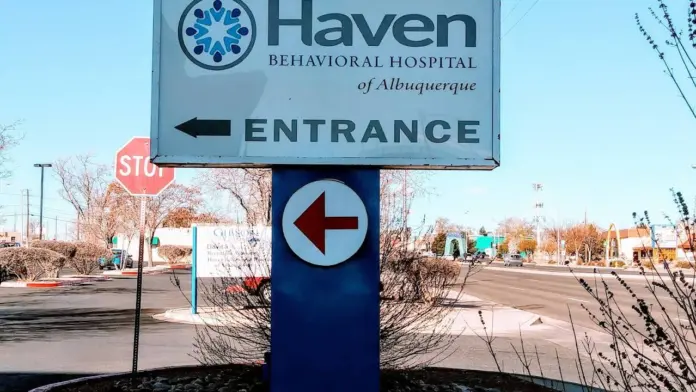
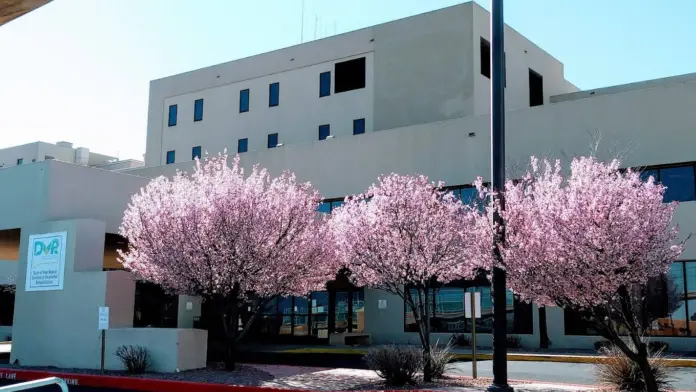
Haven Behavioral Hospital of Albuquerque is a behavioral health and mental health treatment center in Albuquerque, New Mexico, offering inpatient psychiatric care and outpatient programs for adults.
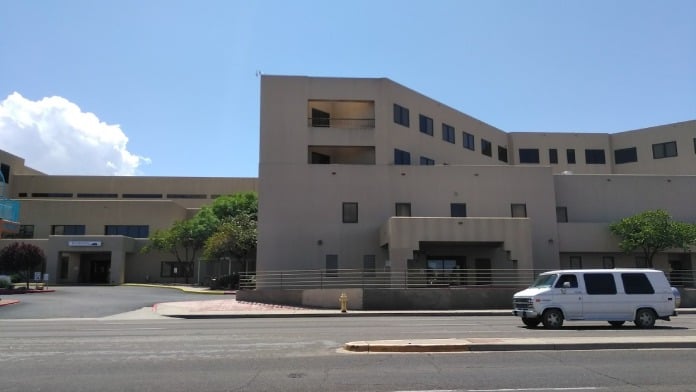
Located at 5400 Gibson Blvd SE, this 58 bed acute care hospital provides 24/7 nursing, physician oversight and structured programming.
Haven emphasizes evidence based, individualized care delivered by an interdisciplinary treatment team.
Around the Clock Clinical Staffing
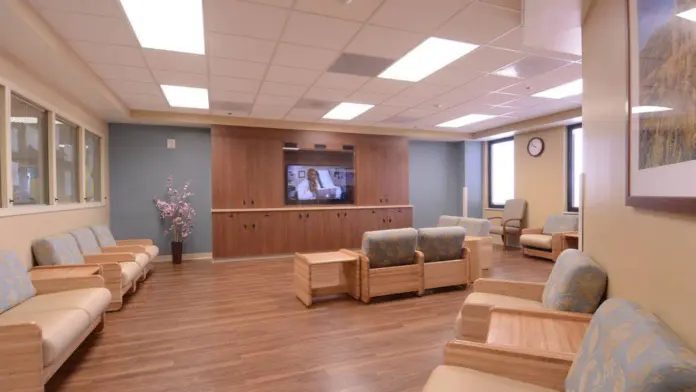
Adults experiencing acute mental health crises can begin with inpatient psychiatric hospitalization, where stabilization and treatment take place in a comfortable, healing environment with around the clock clinical staffing.
Haven treats a range of conditions, including depression, anxiety, bipolar disorder and other mood disorders.
Clients can expect individualized treatment planning, individual and group therapy and medication management guided by psychiatrists, nurses, therapists and case management staff.
Haven also offers outpatient programs and electroconvulsive therapy (ECT) for patients who may benefit from this treatment.
Quick Facts About Haven Behavioral Hospital of Albuquerque
- Location: Albuquerque, New Mexico, on Gibson Blvd SE
- Levels of care: Inpatient acute psychiatric care and outpatient mental health programs
- Who they treat: Adult men and women age 18 and older
- Approach: Evidence based, interdisciplinary care with individualized treatment planning
- Specialty services: Electroconvulsive therapy (ECT) for eligible patients
- Setting: Purpose built 58 bed behavioral hospital with 24/7 nursing and physician oversight
Getting Started
Beginning care at Haven Behavioral Hospital of Albuquerque starts with a no cost mental health assessment to determine the appropriate level of care in Albuquerque, New Mexico.
An admissions team member can explain available programs, review your needs and discuss payment options.
Reach out today to learn more about how Haven Behavioral Hospital of Albuquerque can support your path to improved mental health.
Latest Reviews



Rehab Score
 Our Methodology


Gallery
Other Forms of Payment
Private insurance refers to any kind of healthcare coverage that isn't from the state or federal government. This includes individual and family plans offered by an employer or purchased from the Insurance Marketplace. Every plan will have different requirements and out of pocket costs so be sure to get the full details before you start treatment.
Self-pay involves paying for treatment out of your own pocket. You can use savings or credit, get a personal loan, or receive help from family and friends to fund your treatment. If you don't have insurance or your insurance plan doesn't cover a specific program, self-pay can help ensure you still get the care you need.
Financial aid can take many forms. Centers may have grants or scholarships available to clients who meet eligibility requirements. Programs that receive SAMHSA grants may have financial aid available for those who need treatment as well. Grants and scholarships can help you pai for treatment without having to repay.
Medicare is a federal program that provides health insurance for those 65 and older. It also serves people under 65 with chronic and disabling health challenges. To use Medicare for addiction treatment you need to find a program that accepts Medicare and is in network with your plan. Out of pocket costs and preauthorization requirements vary, so always check with your provider.
Military members, veterans, and eligible dependents have access to specific insurance programs that help them get the care they need. TRICARE and VA insurance can help you access low cost or no cost addiction and mental health treatment. Programs that accept military insurance often have targeted treatment focused on the unique challenges military members, veterans, and their families face.
Medicaid is a state based program that helps lower-income individuals and families pay for healthcare. Medicaid covers addiction treatment so those enrolled can use their coverage to pay for rehab. When a program accepts Medicaid the client often pays very little or nothing out of their own pocket.
Addiction Treatments
Levels of Care
Outpatient Programs (OP) are for those seeking mental rehab or drug rehab, but who also stay at home every night. The main difference between outpatient treatment (OP) and intensive outpatient treatment (IOP) lies in the amount of hours the patient spends at the facility. Most of the time an outpatient program is designed for someone who has completed an inpatient stay and is looking to continue their growth in recovery. Outpatient is not meant to be the starting point, it is commonly referred to as aftercare.
Residential treatment programs are those that offer housing and meals in addition to substance abuse treatment. Rehab facilities that offer residential treatment allow patients to focus solely on recovery, in an environment totally separate from their lives. Some rehab centers specialize in short-term residential treatment (a few days to a week or two), while others solely provide treatment on a long-term basis (several weeks to months). Some offer both, and tailor treatment to the patient's individual requirements.
Intensive outpatient programs (IOP) provide robust support for clients who choose to remain in their own homes or who are reintegrating into their community following inpatient care. IOP treatment generally consists of a combination of individual, group, and family counseling, recovery-focused life skills training, and evidence-based holistic therapies. Many intensive outpatient rehabs also offer medication assisted treatment (MAT) for clients in alcohol and/or opioid recovery. Clients in IOP typically receive nine to 20 hours of treatment weekly.
Often known as "day treatment, a partial hospitalization program (PHP) offers short-term, intensive rehab during the day, allowing you to return home in the evening. PHP treatment is often part of a step-down service provided in the treatment of substance use disorders. PHP treatment provides structured programming that includes daily therapeutic services. Typically, PHP treatment sessions are 5 days a week for approximately 6-8 hours, offering intensive treatment during the day, allowing you to return home. The duration of PHP treatment varies based on your needs but averages 90 days.
Drug and alcohol addiction often takes a heavy toll on one’s body. Over time, a physical dependence can develop, meaning the body physiologically needs the substance to function. Detox is the process of removing drugs and/or alcohol from the body, a process that can be lethal if mismanaged. Medical detox is done by licensed medical professionals who monitor vital signs and keep you safe, healthy, and as comfortable as possible as you go through detox and withdrawal.
Programs
Adult rehab programs include therapies tailored to each client's specific needs, goals, and recovery progress. They are tailored to the specific challenges adult clients may face, including family and work pressures and commitments. From inpatient and residential treatment to various levels of outpatient services, there are many options available. Some facilities also help adults work through co-occurring conditions, like anxiety, that can accompany addiction.
Young adulthood can be an exciting, yet difficult, time of transition. Individuals in their late teens to mid-20s face unique stressors related to school, jobs, families, and social circles, which can lead to a rise in substance use. Rehab centers with dedicated young adult programs will include activities and amenities that cater to this age group, with an emphasis on specialized counseling, peer socialization, and ongoing aftercare.
Serving in the military is both mentally and physically challenging, and can result in trauma that persists even after combat ends. Military programs are tailored to the specific and often complex needs of active duty personnel, veterans, and military families. Clients often access these programs through the U.S. Department of Veterans Affairs (VA).
Clinical Services
When you participate in cognitive behavioral therapy in New Mexico you can expect to follow a structured four step process. This involves identifying life challenges, identifying inaccurate thinking about those challenges, changing those thought patterns to healthy ones, and changing the resulting behaviors.
Weekly dialectical behavior therapy (DBT) sessions involve one on one meetings with your therapist. Each session lasts about an hour. You'll work on identifying and accepting your emotions while also learning how to manage them. Additionally, weekly 90 minute group DBT sessions give you the opportunity to develop and practice coping skills.
Group therapy sessions in New Mexico are structured and led by professional therapists with experience in leading groups. This ensures that the group discussions are focused and productive and that therapeutic goals are consistently addressed during each session.
Individual therapy offers men and women a customized approach to explore the root causes of their substance use and develop healthy coping mechanisms. This improves the effectiveness of treatment and helps to foster long term sobriety. Sessions usually involve an in depth exploration of your life experiences, including harmful behaviors and thoughts that drive addictive behavior.
Motivational interviewing can help you resolve indecisive feelings and develop the confidence to make changes. It is a short term counseling method that offers empathy and practical support and is often used as part of drug and alcohol rehab in New Mexico.
The focus of trauma therapy is on healing the emotional wounds that happen after a traumatic experience. You may have witnessed the event or experienced it yourself. Your therapist will guide you through confronting those memories, which helps promote emotional regulation, resilience, and mental well being.
If you attend couples therapy in New Mexico, you can expect to work with the therapist and each other to identify emotions, explore your history, and learn new skills to help you better meet relationship challenges. These skills may include problem solving, conflict resolution, and anger management.
Therapists in New Mexico focus on creating a supportive network in family therapy sessions. This helps to support their loved one's recovery journey. By identifying dysfunctional patterns, your therapist can help you develop healthier ways of interacting with each other that significantly improve the overall treatment outcome.
Substance use disorders disrupt thinking and behavior patterns, which interferes with critical life skills. Drug rehab programs in New Mexico include life skills training to allow you to rebuild those skills. You'll relearn how to think, behave, and interact with others in healthy ways so you can successfully navigate daily life.
Amenities
-
 Residential Setting
 -
 Private Rooms
Staff & Accreditations
Staff

Kathleen Dostalik, JD, MBA
CEO
Dr. Ava Boswell, MD
Medical Director

Leslie Benavidez-Kau, MBA
COO

Carly Brandenburg, RN
Director of Nursing

Jeremy Jaramillo, MSW
Executive Director of Outpatient Services and Utilization Review

Jeff Johnson, LPCC
Director of Social Services

Jeanette Rodgers, MBA
Director, Quality and Risk Patient Advocate

Vanessa Trujillo
HR Director
Accreditations

The Joint Commission, formerly known as JCAHO, is a nonprofit organization that accredits rehab organizations and programs. Founded in 1951, the Joint Commision's mission is to improve the quality of patient care and demonstrating the quality of patient care.
Joint Commission Accreditation: Yes
Rehab.com regularly reviews this listing for accuracy but changes may occur between updates. For the most up-to-date information, please contact Haven Behavioral Hospital of Albuquerque.
Contact Information


5400 Gibson Blvd SE
Albuquerque, NM 87108
Sponsored Helpline


