






























































































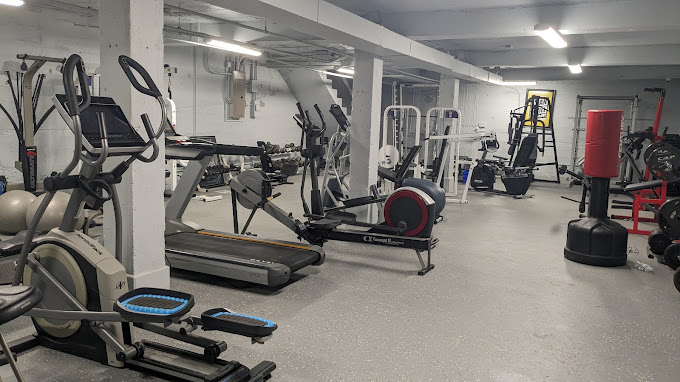
This place helped me rebuild from the ground up. They brought back structure, gave me space to mentor younger folks, and let me move my body again. Depression hit hard, but they knew how to support that too. Not perfect, but it gave me my purpose back.
About Healing House Inc
Healing House Inc is a nonprofit recovery organization in Kansas City, Missouri, providing CARF accredited outpatient and intensive outpatient substance use disorder treatment since 2002. The organization serves adults and young adults through ASAM aligned programming, including specialized tracks for veterans, court referred clients, pregnant and postpartum women, and people with co-occurring mental health disorders and trauma histories.
Healing House pairs clinical treatment with recovery housing and peer led community supports, offering person centered care that meets individuals where they are, regardless of financial circumstances.
Outpatient and Intensive Outpatient Addiction Treatment
Healing House operates Missouri certified CSTAR programming at multiple levels of care, including outpatient services (ASAM Level 1, under 9 hours per week) and intensive outpatient programming (ASAM Level 2.1, 9 to 20 hours weekly). Treatment is individualized using multidimensional ASAM assessments, with gender specific and population tailored options for men, women, young adults, and specialty groups.
Sessions integrate evidence based modalities and case management, addressing both substance use and underlying issues like trauma and mental health conditions. Clients benefit from flexible scheduling, including daytime and evening IOP groups, designed to support step down care or those entering treatment. Past clients have shared that the program helped them “rebuild from the ground up” and regain purpose after hitting rock bottom.
Recovery Housing and Community Based Supports
Beyond clinical treatment, Healing House operates 15 gender specific recovery homes and a Recovery Community Center offering daily meals, peer led groups, and employment support. Certified Peer Specialists trained in harm reduction, Mental Health First Aid, and naloxone distribution provide non clinical recovery navigation and community outreach, including free Narcan and fentanyl test strips with training.
Beginning Care In Kansas City
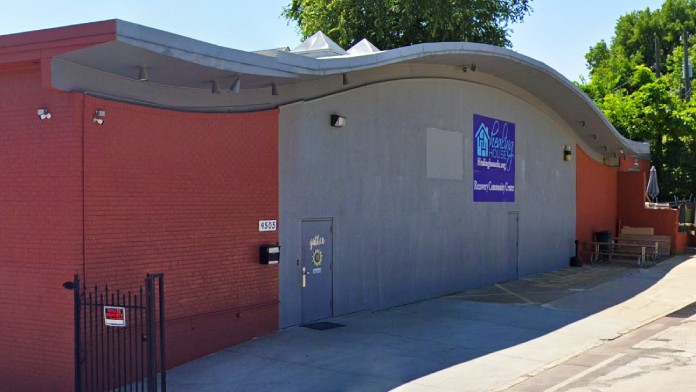
Healing House provides in person outpatient and intensive outpatient services at 4505 St John Ave in Kansas City, with recovery housing and community supports at separate locations throughout Historic Northeast Kansas City. The organization is CARF accredited for outpatient treatment, intensive outpatient treatment, and case management.
Healing House works with individuals regardless of financial situation, with payment assistance available and admissions based on clinical need rather than ability to pay.
Latest Reviews
I was at Healing House for 3 months and it was the best thing that I could’ve done. They truly prepare you to be on your own and the counselors and staff are amazing. Bobbi Jo is so passionate about what she does and I feel extremely lucky to have been a part of what she does and having the opportunity the community she created. During my time there, it was very rare to see someone relapse or leave before they were strong enough to be on their own and I feel like that is the most telling thing about Healing House. It’s a safe place that keeps you busy and keeps you on track. ❤️
Love the mission and the people!
I would recommend anyone who is in their addiction - who honestly needs and wants the help that is offered at this facility, to just sit still and let the magic happen.
🩵 -Much Love & Respect

Rehab Score
 Our Methodology
Scoring is assigned by a proprietary system which helps surface key metrics that determine quality. The 10-point scale factors in categories such as operations, customer satisfaction, and trust metrics. Read Full Methodology

7.4 / 10
Gallery
Other Forms of Payment
Self-pay involves paying for treatment out of your own pocket. You can use savings or credit, get a personal loan, or receive help from family and friends to fund your treatment. If you don't have insurance or your insurance plan doesn't cover a specific program, self-pay can help ensure you still get the care you need.
Private insurance refers to any kind of healthcare coverage that isn't from the state or federal government. This includes individual and family plans offered by an employer or purchased from the Insurance Marketplace. Every plan will have different requirements and out of pocket costs so be sure to get the full details before you start treatment.
Financial aid can take many forms. Centers may have grants or scholarships available to clients who meet eligibility requirements. Programs that receive SAMHSA grants may have financial aid available for those who need treatment as well. Grants and scholarships can help you pai for treatment without having to repay.
Addiction Treatments
Levels of Care
Outpatient Programs (OP) are for those seeking mental rehab or drug rehab, but who also stay at home every night. The main difference between outpatient treatment (OP) and intensive outpatient treatment (IOP) lies in the amount of hours the patient spends at the facility. Most of the time an outpatient program is designed for someone who has completed an inpatient stay and is looking to continue their growth in recovery. Outpatient is not meant to be the starting point, it is commonly referred to as aftercare.
Residential treatment programs are those that offer housing and meals in addition to substance abuse treatment. Rehab facilities that offer residential treatment allow patients to focus solely on recovery, in an environment totally separate from their lives. Some rehab centers specialize in short-term residential treatment (a few days to a week or two), while others solely provide treatment on a long-term basis (several weeks to months). Some offer both, and tailor treatment to the patient's individual requirements.
12 step programs are designed to enable participants to understand and address the root causes of their addiction, accept responsibility for their life choices, and relinquish control over that which they cannot change. Participants are expected to regularly attend 12 step meetings and to be mentored in their recovery journey by a self-selected sponsor. Meetings are free, anonymous, and open to the public. A variety of formats are available, including programs for seniors, teens, family members, and nondenominational Christians.
Programs
Adult rehab programs include therapies tailored to each client's specific needs, goals, and recovery progress. They are tailored to the specific challenges adult clients may face, including family and work pressures and commitments. From inpatient and residential treatment to various levels of outpatient services, there are many options available. Some facilities also help adults work through co-occurring conditions, like anxiety, that can accompany addiction.
Young adulthood can be an exciting, yet difficult, time of transition. Individuals in their late teens to mid-20s face unique stressors related to school, jobs, families, and social circles, which can lead to a rise in substance use. Rehab centers with dedicated young adult programs will include activities and amenities that cater to this age group, with an emphasis on specialized counseling, peer socialization, and ongoing aftercare.
Clinical Services
Peer support within a group therapy session in Missouri allows you to interact with your peers who are also struggling with drug addiction. You can share your stories and learn how to express your emotions openly in a non judgmental setting. These strategies help to reduce your feelings of isolation which are often associated with addiction.
In Missouri, therapists and patients work closely in individual therapy to address the personal challenges and triggers that drive addictive behavior. Using a customized approach helps foster self awareness so you can make positive changes toward a healthier, substance free life.
Family therapy sessions help individual family members in Missouri learn to improve their communication skills and understand how the family dynamic is both affected by addiction and affects their loved one's addiction. Therapists work with individual members to identify and modify negative behaviors which helps create a more supportive home environment.
Amenities
-
 Private Rooms
Staff & Accreditations
Staff
Toby Cook
Director Of Public Relations
Bobbi-Jo Reed
Founder/CEO
Accreditations

The Commission on Accreditation of Rehabilitation Facilities (CARF) is a non-profit organization that specifically accredits rehab organizations. Founded in 1966, CARF's, mission is to help service providers like rehab facilities maintain high standards of care.
CARF Accreditation: Yes
Rehab.com regularly reviews this listing for accuracy but changes may occur between updates. For the most up-to-date information, please contact Healing House Inc.
Contact Information

4505 St John Ave
Kansas City, MO 64123
Get Help Now - 816-892-9904
Sponsored Helpline
Sponsored Helpline


