All In Solutions Counseling Center
1
Top 10 Rehab Centers In Boynton Beach

























































































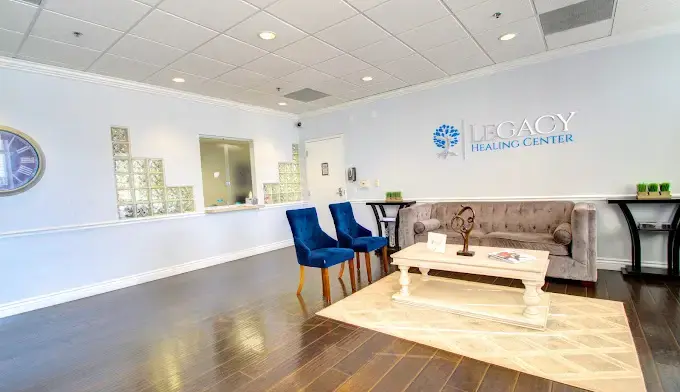
Legacy Healing Center is an addiction and mental health treatment organization. They have several treatment centers, including the facility in Fort Lauderdale, Florida. The Fort Lauderdale center offers a luxury treatment experience with medical detox, inpatient and outpatient treatment programs that include integrated dual diagnosis care.
The organization accepts insurance from most major providers. The facility is conveniently located near the Fort Lauderdale Executive Airport and easily accessible from I-95.
This luxury rehab is near South Florida’s beautiful beaches, which offer opportunities for relaxing and reflecting between outpatient treatments. I think clients will appreciate the outdoor areas that include beaches, parks and green spaces for immersing themselves in the healing aspects of nature.
The clinicians emphasize healing not only the body, but also the mind and spirit. I notice that they offer integrated holistic treatments that complement traditional evidence based therapies. This includes practices such as art therapy, yoga and meditation.
Clients report feeling cared for by the compassionate staff and clinicians. They also report feeling accepted and safe.
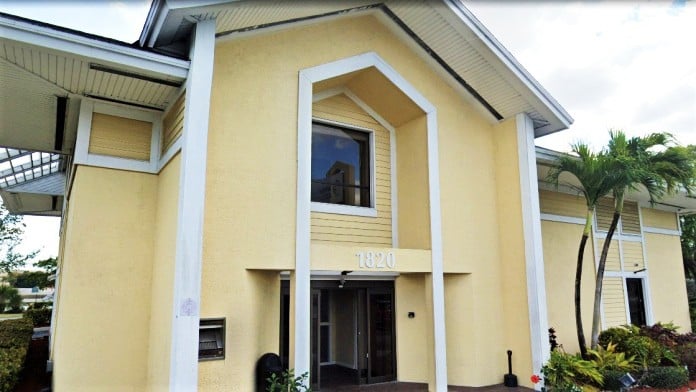
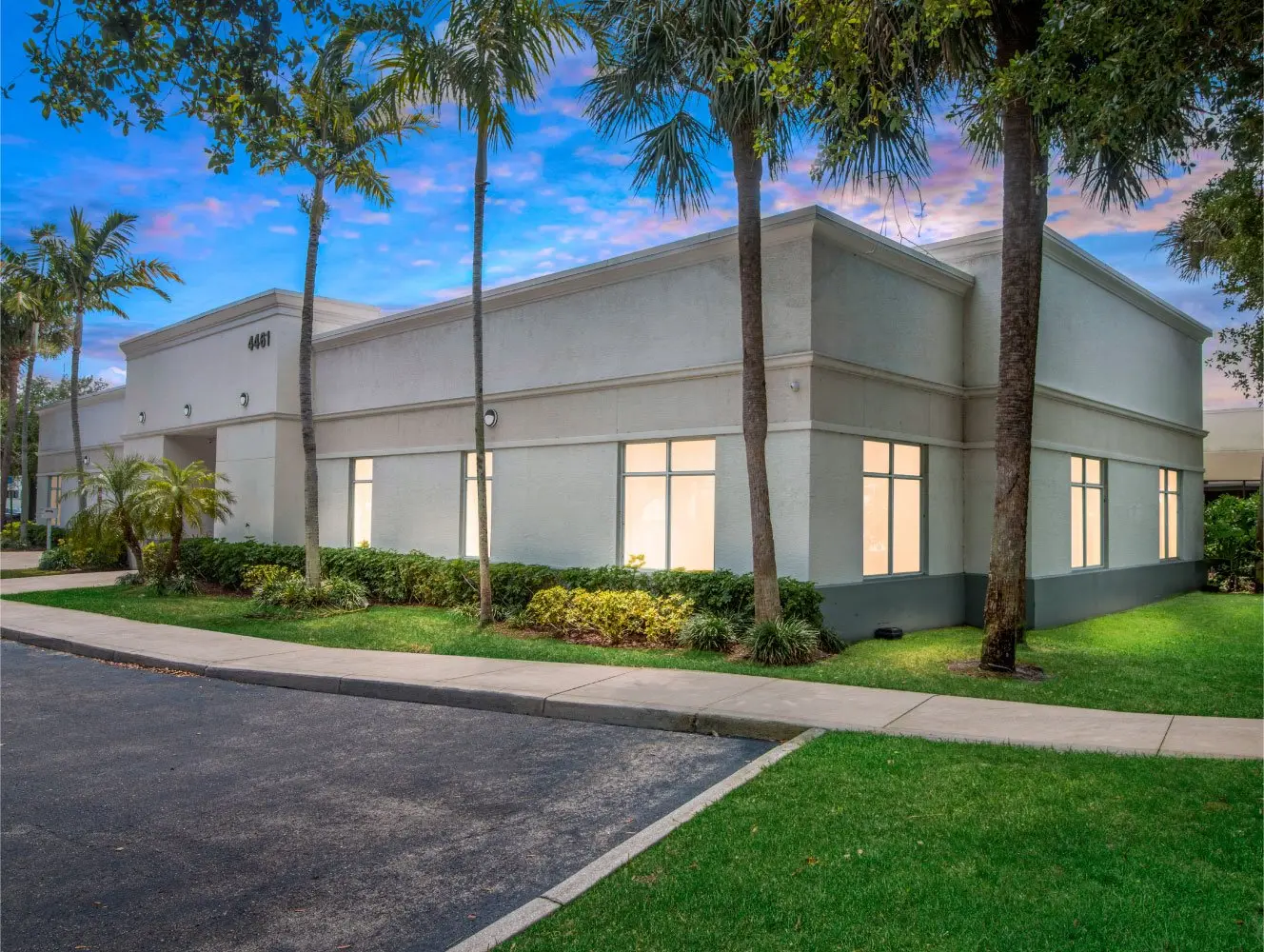
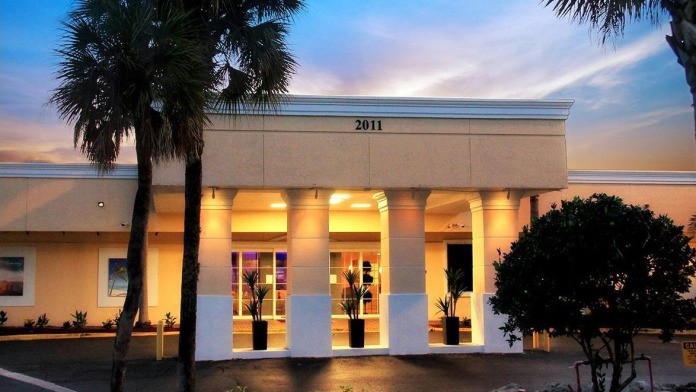
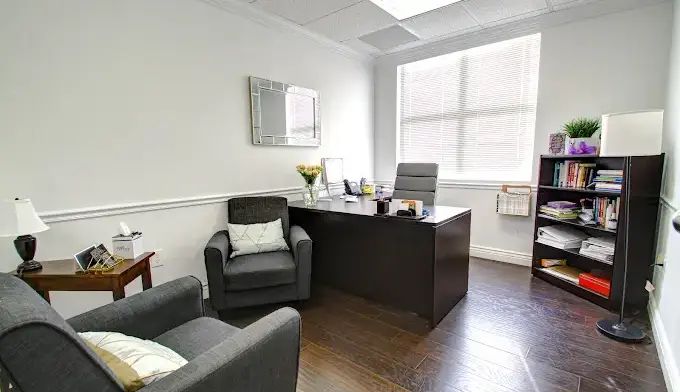
Treatment is in a beautiful residence that offers a home like and comfortable environment. The facility is modern and clean with comfortable communal spaces for activities and group therapy.
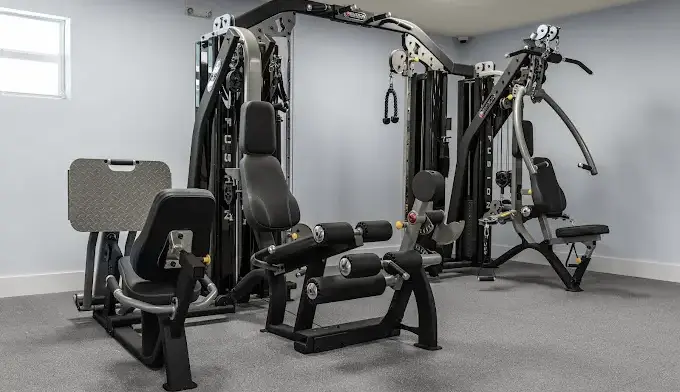
There are areas for leisure, wellness, and fitness, and a chef prepares delicious and nutritious meals daily. There’s around-the-clock supervision and security. You’ll focus on relapse prevention strategies and building a healthy lifestyle.
The credentialed and experienced staff is there to provide you with the tools you need to maintain sobriety moving forward. Alumni have mentioned the lasting personal transformation that came from their experience and offered praise for the individualized treatment plans. Clients also mentioned the strong support networks they built during treatment that continued after treatment.


 Our Methodology





Private insurance refers to any kind of healthcare coverage that isn't from the state or federal government. This includes individual and family plans offered by an employer or purchased from the Insurance Marketplace. Every plan will have different requirements and out of pocket costs so be sure to get the full details before you start treatment.
Self-pay involves paying for treatment out of your own pocket. You can use savings or credit, get a personal loan, or receive help from family and friends to fund your treatment. If you don't have insurance or your insurance plan doesn't cover a specific program, self-pay can help ensure you still get the care you need.
Clients typically choose inpatient rehab when they are in early recovery or are experiencing a crisis that puts them at an increased risk of relapse. They reside at the treatment center for the length of their program, which may range from two weeks to more than 18 months, depending on the program design. Intensive psychotherapy is often the primary treatment modality, but clients in inpatient care may also receive holistic treatment and recovery-focused life skills training.
Often referred to as "day treatment," a partial hospitalization program (PHP) offers an intensive treatment option that allows individuals to return home at night. PHP treatment typically requires a minimum of 20 hours a week for an average of 90 days. Participants attend daily therapeutic sessions, receive medication management, and have access to skilled medical professionals. While costs can vary, most insurance will fully or partially cover a partial hospitalization program.
Intensive outpatient programs (IOP) involve frequent and robust therapeutic sessions for clients requiring high-level care. Clients may engage in a combination of medication assisted treatment (MAT), addiction counseling, recovery skills training, and holistic therapies for a minimum of nine and a maximum of 20 hours per week. Intensive outpatient rehab is designed primarily for persons in early recovery, those exiting detox or inpatient care, and those at an elevated relapse risk.
Outpatient rehabs encompass multiple levels of care to facilitate clients' progress through their recovery journey. Clients who are stepping down from inpatient treatment may require intensive outpatient (IOP) treatment, which involves more frequent and substantive therapeutic interventions than does standard outpatient care. Outpatient centers typically provide extensive addiction counseling, including individual, group, and family therapy. Medication assisted treatment programs (MAT) and recovery-focused life skills training are also common in outpatient care.
Rehab aftercare programs are a collection of highly individualized services designed to promote long-term recovery. These services evolve as your needs change. Case managers and recovery teams typically begin formulating the rehab aftercare service plan early in the recovery process to facilitate your reintegration back into the home, workplace, and community.
A sober living home in Florida often serves as a transitional residence for individuals coming out of inpatient rehab. This helps those in recovery avoid isolation that can sometimes happen after they return home from treatment. It offers a supportive environment where they can practice skills learned in rehab. Offering a combination of structure and freedom, men's or women's sober living is a good stepping stone to independent life in recovery.
Telehealth offers many benefits for Florida residents. It lets you see your healthcare provider from anywhere. This saves time because you don't have to travel to a doctor's office or take time off work to get there. It also provides more options, because you can choose health care specialists who are located far from you.
When a person has alcohol use disorder (AUD), also referred to as alcoholism or alcohol addiction, they experience withdrawal symptoms when they stop drinking. This physical dependence results from overuse of alcohol, which may be used as a coping mechanism or escape. Individuals who have AUD can overcome the alcohol addiction through alcohol rehab in Florida. This treatment process involves essential therapy and supports to help the individual achieve and maintain recovery.
Drug rehab in Florida provides quality treatment to help individuals overcome dependency related to a wide range of addictive substances. Programs address both the physical and mental aspects of addiction in order to help you make a full recovery.
 Mental Health And Substance Abuse
 Opioid Addiction
In Florida, substance abuse treatment focuses on treating mental health and substance use disorders concurrently to improve recovery outcomes and overall health. Levels of care include medical detox, outpatient, residential treatment, and intensive outpatient programs. Clinicians utilize evidence-based therapies such as dialectical behavioral therapy (DBT) or medication-assisted treatment, group therapy, and skills training activities. This comprehensive approach to treatment helps to ensure sustained recovery.
Adult rehab programs include therapies tailored to each client's specific needs, goals, and recovery progress. They are tailored to the specific challenges adult clients may face, including family and work pressures and commitments. From inpatient and residential treatment to various levels of outpatient services, there are many options available. Some facilities also help adults work through co-occurring conditions, like anxiety, that can accompany addiction.
Men face specific challenges and concerns when seeking addiction treatment. Gender-specific recovery programs help them tackle these issues head-on in an environment that's focused, targeted, and distraction-free. It also gives them the opportunity to connect with and learn from other men who have been through a similar journey and can offer support for the next step.
Rehabs for women provide a safe, nurturing space for female clients to heal. These treatment programs consider the specific obstacles that women can face during recovery and place a special emphasis on mental, social, physical, and reproductive health. They explore how each woman's experience has shaped the trajectory of their substance use, addressing issues such as sexual abuse and past trauma.
Therapists who apply cognitive behavioral therapy in Florida believe patient thoughts and behaviors are closely linked. They use this treatment method to help clients change their thought patterns so they can also change behaviors and break free from substance abuse.
Dialectical behavior therapy in Florida consists of individual therapy and group instruction. This structured program is a form of psychotherapy that incorporates the development of skills for managing emotions and relationships.
 Eye Movement Desensitization And Reprocessing
During family therapy sessions, you navigate the complexities of addiction and are provided tools to help improve communication and resolve conflicts. When you work together, families can better support their loved one's recovery and restore balance and harmony within the household.
Group therapy provides a safe and supportive environment for people in Florida who are struggling with drug addiction. There you can openly discuss the challenges and progress you're making without fear of judgment from your peers who experience many of the same things you are.
 Hypnotherapy
Individual therapy often includes Cognitive Behavioral Therapy. This is a structured approach to identifying and changing negative thought patterns. During therapy you learn how what you think drives your actions so you can develop healthier coping strategies to manage addiction triggers and reduce drug use.
As a short term therapeutic method, motivational interviewing in Florida requires only a couple of sessions. During these sessions, you'll have the opportunity to talk about your circumstances and any discrepancies between your current situation and future goals. You'll then decide for yourself what changes you want to make.
Trauma therapy helps you work through the psychological impact that traumatic events have had on your life. Your therapist helps you identify the physical, emotional, and mental triggers and develop coping mechanisms. This helps rebuild a sense of safety and trust in yourself and others.
 Gym
Gym  Massage Room
  Private Rooms
  Private Setting
  Private Transportation
  Recreation Room
  Residential Setting
  Swimming Pool
  WiFi
WiFi 
The Substance Abuse and Mental Health Services Administration (SAMHSA) is a branch of the U.S. Department of Health and Human Services. Established in 1992 by congress, SAMHSA's mission is to reduce the impact of substance abuse and mental illness on American's communities.
SAMHSA Listed: Yes

The Joint Commission, formerly known as JCAHO, is a nonprofit organization that accredits rehab organizations and programs. Founded in 1951, the Joint Commision's mission is to improve the quality of patient care and demonstrating the quality of patient care.
Joint Commission Accreditation: Yes

1425 NW 62nd St
Fort Lauderdale, FL 33309
Sponsored Helpline
 Back
Back
Sharing your insights and experiences can help others learn more about this rehab center.