





























































































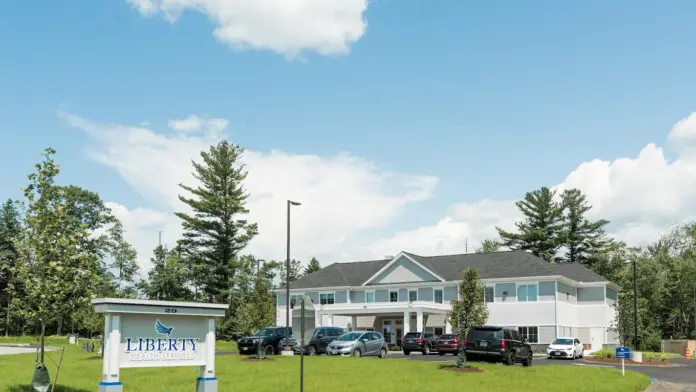
About Liberty Health Services
Liberty Health Services is a medical detox and addiction treatment center in Derry, New Hampshire. They offer programs for adults 18 and older struggling with substance use disorders. With a 24-bed capacity, the facility provides highly personalized treatment plans in a private, serene woodland setting just off Route 28. Liberty Health Services combines effective therapies and holistic approaches to support lasting recovery.
Inpatient Detox Treatment
Treatment typically begins with medically monitored detox where clients receive 24-hour supervision and medication management to safely ease withdrawal symptoms over 3 to 7 days. From there, clients can transition into a 28-day residential inpatient program that includes individual counseling, group therapy, family counseling, twice-weekly case management and psychiatric nurse practitioner follow-ups.
Seamless Transitions
For those stepping down from residential care or managing work and family responsibilities, Liberty Health Services offers an Evening Intensive Outpatient Program three nights per week with both in-person and virtual options. Treatment incorporates therapy with trauma-informed care, 12-step facilitation and holistic therapies such as art, music, and recreation therapy to address co-occurring mental health needs and relapse prevention.
They work with most healthcare plans.
Latest Reviews



Rehab Score
 Our Methodology


Gallery


Accepted Insurance
Other Forms of Payment
Private insurance refers to any kind of healthcare coverage that isn't from the state or federal government. This includes individual and family plans offered by an employer or purchased from the Insurance Marketplace. Every plan will have different requirements and out of pocket costs so be sure to get the full details before you start treatment.
Self-pay involves paying for treatment out of your own pocket. You can use savings or credit, get a personal loan, or receive help from family and friends to fund your treatment. If you don't have insurance or your insurance plan doesn't cover a specific program, self-pay can help ensure you still get the care you need.
Addiction Treatments
Levels of Care
Clients in addiction recovery often enroll in inpatient rehabs to receive intensive, hands-on, highly supervised treatment. These programs are generally designed for clients exiting detox and those who are at an increased risk of relapse. Clients reside at the treatment center and engage in multiple psychotherapeutic sessions each week. Inpatient addiction counseling often includes individual, group, and family therapy. Education and life skills training are also often prioritized to promote sustained sobriety. Some inpatient rehabs include holistic therapies, such as massage and animal therapy.
Intensive outpatient programs (IOP) offer high-level transitional support for clients exiting inpatient rehab. They can also be effective for clients at significant relapse risk Intensive outpatient treatment typically involves between nine and 20 hours of care per week, with the frequency and intensity of treatment decreasing as clients progress in their recovery. Most IOP clients participate in a combination of psychotherapy, recovery education, holistic therapies, and, for some, medication assisted treatment (MAT).
The aim of a medically supervised detox is to minimize withdrawal symptoms while removing alcohol and drugs from your system under 24/7 medical supervision and keep you as safe and as comfortable as possible. Medical detox is usually the first step in the recovery process as a whole, and it can take about 5-7 days to complete. This process is usually at least partially covered by most insurance plans.
Clients undergoing treatment at an outpatient rehab reside in their own homes and engage in counseling and recovery education sessions in the evening, at night, or on the weekend. This ensures clients' access to care while working, caregiving, or attending school. Outpatient treatment is often the next level of care for clients stepping down from inpatient care, though some clients enroll immediately after completing detox. Many programs offer medication assisted treatment (MAT) for those in alcohol or opioid recovery.
Treatments
Alcohol use disorder (AUD) is a condition characterized by drinking that causes distress or harm. Also called alcoholism, this alcohol addiction can be classified as mild, moderate, or severe. Various treatments for alcoholism can be classified as social, psychological, and physiological. Options include inpatient or outpatient alcohol rehab in New Hampshire, 12-step groups, and faith-based recovery programs.
Treatment provided at drug rehab in New Hampshire prepares individuals to handle life stressors without using substances. Participants get the tools and support they need to maintain lifelong recovery.
In New Hampshire, dual-diagnosis addiction treatment programs prioritize comprehensive care for individuals with co-occurring substance use disorders and mental health conditions. Offering a full continuum of care, you can generally choose from inpatient residential rehab, or outpatient programs. Treatment includes therapies such as cognitive behavioral therapy, or dialectical behavioral therapy, process groups, family counseling, skills training, and psychoeducation to uncover the root causes of your addiction, improve mental health, and achieve and sustain your recovery. Addiction and mental health experts help to create a comprehensive aftercare plan that will your long-term success.
If you had a pre-existing mental health disorder before you started abusing substances, it is likely you relied on the substances as a way to self-medicate. Many symptoms of mental health disorders are stressful, so it can initially feel like drugs or alcohol are a way to reduce those symptoms. On the other hand, people who abuse substances increase their chances of developing a mental health condition.
 Mental Health And Substance Abuse
 Opioid Addiction
In New Hampshire, individuals can benefit from rehab programs that provide substance abuse treatment on an inpatient or outpatient basis. These programs typically utilize evidence-based therapies such as cognitive-behavioral therapy (CBT), dialectical behavior therapy (DBT), and experiential therapies, together with family counseling, individual, and group meetings. These critical interventions provide an effective treatment program that will help you achieve sobriety and maintain it in the long-term.
Programs
Adult rehab programs include therapies tailored to each client's specific needs, goals, and recovery progress. They are tailored to the specific challenges adult clients may face, including family and work pressures and commitments. From inpatient and residential treatment to various levels of outpatient services, there are many options available. Some facilities also help adults work through co-occurring conditions, like anxiety, that can accompany addiction.
Serving in the military is both mentally and physically challenging, and can result in trauma that persists even after combat ends. Military programs are tailored to the specific and often complex needs of active duty personnel, veterans, and military families. Clients often access these programs through the U.S. Department of Veterans Affairs (VA).
Clinical Services
Cognitive behavioral therapy in New Hampshire involves several steps to healing. The therapist will first help you identify stressful conditions currently in your life. You'll then identify your thoughts and beliefs about these challenges. Next, you'll identify inaccurate thoughts, and lastly you'll change those thought patterns, which will lead to changed behavior.
The focus of family therapy in New Hampshire is to strengthen the family unit by fostering mutual support among the members. Each member learns effective communication strategies that help to create a nurturing environment. This strength and family bonds and supports your loved one's path to recovery.
People experience long term benefits from group therapy sessions that build a strong support network and create lasting connections that you can use throughout your recovery efforts. Building relationships within a group therapy environment helps enhance your social skills and reduce your stress levels, all contributing to promoting sobriety.
Individual therapy is available to people in New Hampshire seeking drug and alcohol addiction treatment. This offers a personalized approach to understanding your background and triggers. During therapy, you and your therapist collaborate to develop effective coping strategies that ensure you receive a comprehensive approach to foster lasting change.
Amenities
-
 Private Rooms
 -
 Luxury Accommodations
 -
 Private Setting
 -
 Residential Setting
Accreditations

The Joint Commission, formerly known as JCAHO, is a nonprofit organization that accredits rehab organizations and programs. Founded in 1951, the Joint Commision's mission is to improve the quality of patient care and demonstrating the quality of patient care.
Joint Commission Accreditation: Yes

LegitScript has reviewed Liberty Health Services as part of their certification program, and has determined that it meets the LegitScript standards for legality, safety and transparency.
LegitScript verified in
Rehab.com regularly reviews this listing for accuracy but changes may occur between updates. For the most up-to-date information, please contact Liberty Health Services.
Contact Information


29 Ashleigh Dr
Derry, NH 03038
Sponsored Helpline


