





























































































Granite House was a good experience regarding my purpose of sober living. I was treated with love and compassion. I would recommend this program first to anyone in need of help.
About The Granite House – Drug & Alcohol Rehab
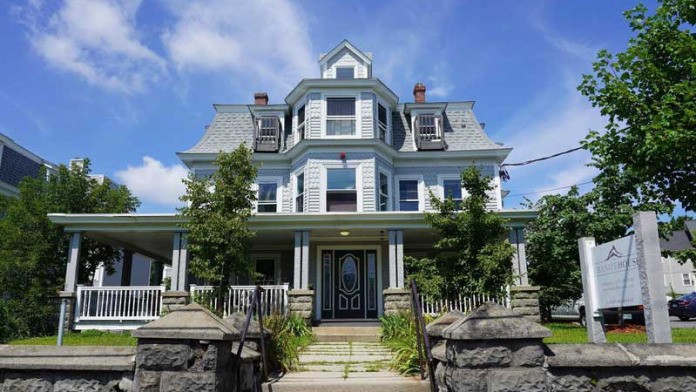
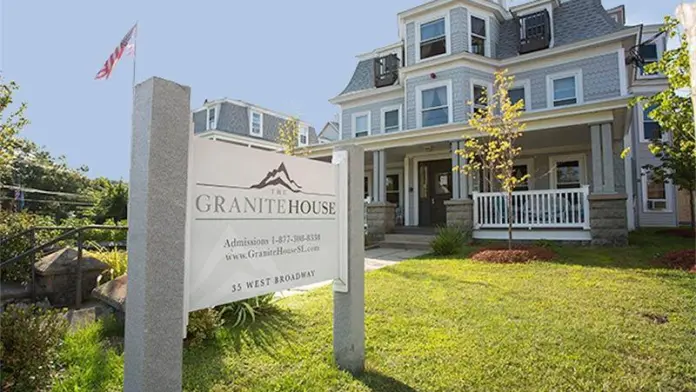
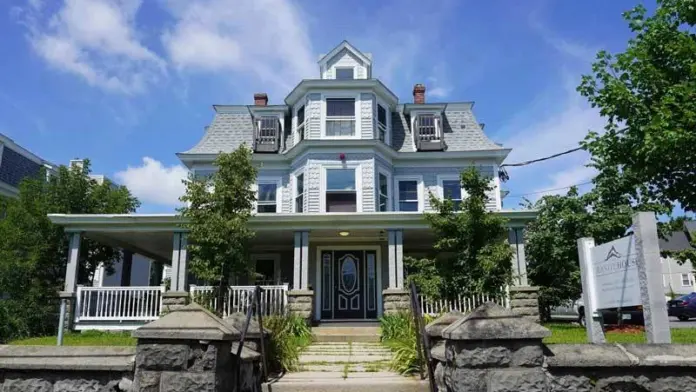
The Granite House’s Drug & Alcohol Rehab is located on Manor Parkway in Derry, New Hampshire. It’s by Hood Park and is part of the Granite Recovery Centers network. Located in a Victorian-era home, they provide a comfortable, and warming environment, in a communal setting to achieve your goals of recovery. The home includes relaxing and lush, sitting areas for communal support.
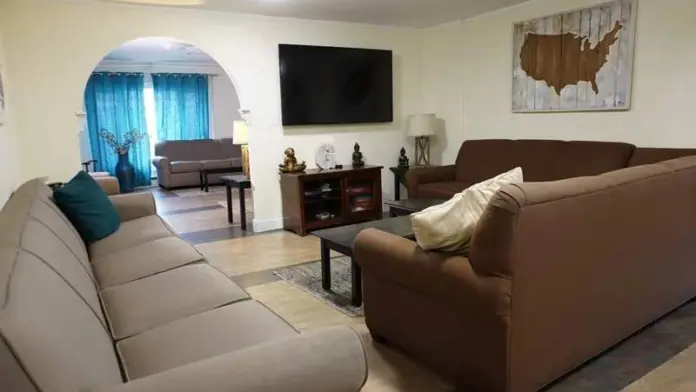
Home-Like Atmosphere Encourages Healthy Peer Support
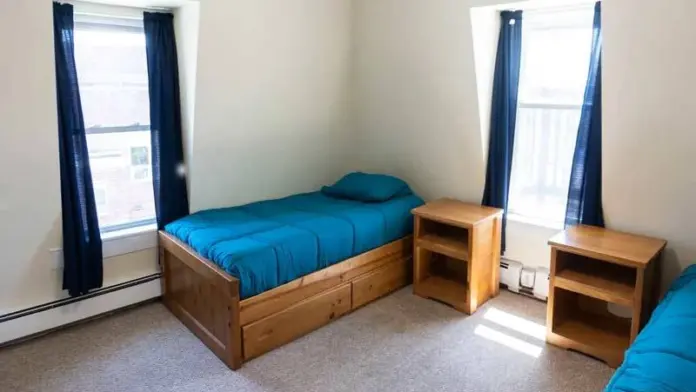
There are multiple rooms with comfortable seating arrangements, tailored to encourage healthy and healing conversations. They also provide clean linens and comfortable, home-like accommodations for sleeping, and communal dining areas conducive to healing through the comforts of healthy meals and peer support through teamwork.
For Members of the LGBTQ+ Community & Veterans
In addition to their regular outpatient services, Granite offers residential/inpatient treatment, a partial hospitalization program (PHP), an intensive outpatient program (IOP) and an outpatient program for your treatment.
In addition to standard forms of treatment, Granite offers special services that are supportive to members of the LGBTQ+ communities, and to veterans, with resources that address their unique needs and challenges.
Reviews Highlight an Amazing, Life-Changing Experience
Granite House has received many favorable reviews for their services, including one from Julia Lopez, a former client. “I was so upset that I had to be at TGH but it turned out to be an amazing experience!” They added, “The staff there made me feel so welcomed, loved, and safe! They played a huge part in my journey there and will forever be grateful!”
Payments for the services you are provided at Granite are flexible and accommodating to your needs. Most private payment plans are accepted including major insurance carriers. They also accept self-payment and financing options for your services.
Facility Overview
 16-30
16-30 Number of Available Beds
 31 - 60
 Avg Length of Stay in Days
Latest Reviews
I'm over 5 years sober now and I've been working in the Substance Use Disorder field for over 3 years now. I'm actually creating an updated resource sheet, which is why I ended up on here haha. But I figured while Im here, I should post a review about my own experience.
I went to Granite House back around 2020. My experience was great, I definitely had some ups and downs however the downs were 100% self induced. Although the staff and the group of people I was within were all incredible- I just wasn't ready yet at that time. I went to about half a dozen treatment programs throughout my addiction, but to this day I tell people "if you have medicaid and you're looking to go to rehab in NH - Granite House the best place to go." It is my first choice for referral out of all the treatment centers in the state!
Its obviously been a while since I was there, 7 years or so, but I have had clients tell me about their recent experiences and they all say the same thing " Its like a big family. " I couldn't agree more!
Thank you Granite House for your continued dedication to those who are in need of a safe, caring and trustworthy treatment center during their most vulnerable days. New Hampshire has lost a lot of good, helpful, and solid places over the past several years but to see you still standing and providing people with treatment is truly deeply appreciated!!!
* If you're reading this - and are trying to figure out if this is the right choice... as someone who statistically was not supposed to and never should have made it out... my advice is ;
Ask yourself what do you have to loose by trying? By showing up and giving yourself the chance? Compared to ... if you stay..? And don't even give it a try? We do recover - It takes time and its not easy - but nothing in life worth having, ever comes easy! You are more than worth it, so take the chance 🫶
Response from the owner1 week ago
This kind review means so much, thanks for taking the time to share!
Really enjoyed my time here, came back for my second time and I’m now at nfa and doing great!
Response from the owner1 week ago
This is wonderful to hear, thanks again for sharing this review with us!
The Granite House saved my life. If you can set aside 28 days of your life in order to have many more good days ahead, definitely do this program. It isn't easy and it forces you to face some hard truths, but I promise it is worth it. The staff is awesome 👌 and I made good friends for life. You can do it, I believe in you and TGH.
Response from the owner1 week ago
We appreciate you leaving this kind review, it means so much!
Rehab Score
 Our Methodology
Scoring is assigned by a proprietary system which helps surface key metrics that determine quality. The 10-point scale factors in categories such as operations, customer satisfaction, and trust metrics. Read Full Methodology

8.1 / 10
Gallery

Accepted Insurance

Fallon Health
AllWays Health Partners
WellSense
Other Forms of Payment
Self-pay involves paying for treatment out of your own pocket. You can use savings or credit, get a personal loan, or receive help from family and friends to fund your treatment. If you don't have insurance or your insurance plan doesn't cover a specific program, self-pay can help ensure you still get the care you need.
Private insurance refers to any kind of healthcare coverage that isn't from the state or federal government. This includes individual and family plans offered by an employer or purchased from the Insurance Marketplace. Every plan will have different requirements and out of pocket costs so be sure to get the full details before you start treatment.
Medicaid is a state based program that helps lower-income individuals and families pay for healthcare. Medicaid covers addiction treatment so those enrolled can use their coverage to pay for rehab. When a program accepts Medicaid the client often pays very little or nothing out of their own pocket.
Addiction Treatments
Levels of Care
Clients undergoing treatment at an outpatient rehab reside in their own homes and engage in counseling and recovery education sessions in the evening, at night, or on the weekend. This ensures clients' access to care while working, caregiving, or attending school. Outpatient treatment is often the next level of care for clients stepping down from inpatient care, though some clients enroll immediately after completing detox. Many programs offer medication assisted treatment (MAT) for those in alcohol or opioid recovery.
Clients in addiction recovery often enroll in inpatient rehabs to receive intensive, hands-on, highly supervised treatment. These programs are generally designed for clients exiting detox and those who are at an increased risk of relapse. Clients reside at the treatment center and engage in multiple psychotherapeutic sessions each week. Inpatient addiction counseling often includes individual, group, and family therapy. Education and life skills training are also often prioritized to promote sustained sobriety. Some inpatient rehabs include holistic therapies, such as massage and animal therapy.
Intensive outpatient programs (IOP) offer high-level transitional support for clients exiting inpatient rehab. They can also be effective for clients at significant relapse risk Intensive outpatient treatment typically involves between nine and 20 hours of care per week, with the frequency and intensity of treatment decreasing as clients progress in their recovery. Most IOP clients participate in a combination of psychotherapy, recovery education, holistic therapies, and, for some, medication assisted treatment (MAT).
Rehab aftercare programs provide continuing care for clients in an advanced phase of recovery, including those who have completed detox and intensive inpatient treatment. These clients typically have already engaged in many hours of addiction counseling and recovery education. Drug rehab aftercare supports clients in maintaining their sobriety at home, in the workplace, and in the community. Case managers and care teams advise clients on the resources they may need to promote their sustained sobriety.
12-step programs are addiction recovery models based on Alcoholics Anonymous (AA). A number of substance abuse programs (including some drug and alcohol rehab centers) use the 12 steps as a basis for treatment. Beginning steps involve admitting powerlessness over the addiction and creating a spiritual basis for recovery. Middle steps including making direct amends to those who've been hurt by the addiction, and the final step is to assist others in addiction recovery in the same way. 12-Step offshoots including Narcotics Anonymous (NA), Cocaine Anonymous (CA), Dual Recovery Anonymous (DRA), Sex and Love Addicts Anonymous (SLAA) and Gamblers Anonymous (GA).
If you need short-term intensive rehabilitation care that allows you to return home at the end of the day, a partial hospitalization program (PHP) is the ideal solution. PHP provides structured programming that typically includes therapeutic services, relapse prevention, and medication management. Typically, treatment can run between 3-5 days a week for an average of 90 days. The cost for a partial hospitalization program can vary, but is often covered by providers.
When you receive 24-hour clinical care in New Hampshire, you benefit from several advantages. You receive 24/7 medical care and support. You also detox in a setting that keeps you away from access to addictive substances. Additionally, doctors prescribed medications that reduce or eliminate withdrawal symptoms. Medical staff also provide other treatment to improve your physical and mental health.
Treatments
The goal of treatment for alcoholism is abstinence. Those with poor social support, poor motivation, or psychiatric disorders tend to relapse within a few years of treatment. For these people, success is measured by longer periods of abstinence, reduced use of alcohol, better health, and improved social functioning. Recovery and Maintenance are usually based on 12 step programs and AA meetings.
Treatment provided at drug rehab in New Hampshire prepares individuals to handle life stressors without using substances. Participants get the tools and support they need to maintain lifelong recovery.
Many of those suffering from addiction also suffer from mental or emotional illnesses like schizophrenia, bipolar disorder, depression, or anxiety disorders. Rehab and other substance abuse facilities treating those with a dual diagnosis or co-occurring disorder administer psychiatric treatment to address the person's mental health issue in addition to drug and alcohol rehabilitation.
Opioid rehabs specialize in supporting those recovering from opioid addiction. They treat those suffering from addiction to illegal opioids like heroin, as well as prescription drugs like oxycodone. These centers typically combine both physical as well as mental and emotional support to help stop addiction. Physical support often includes medical detox and subsequent medical support (including medication), and mental support includes in-depth therapy to address the underlying causes of addiction.
Substance rehabs focus on helping individuals recover from substance abuse, including alcohol and drug addiction (both illegal and prescription drugs). They often include the opportunity to engage in both individual as well as group therapy.
Programs
Adult rehab programs include therapies tailored to each client's specific needs, goals, and recovery progress. They are tailored to the specific challenges adult clients may face, including family and work pressures and commitments. From inpatient and residential treatment to various levels of outpatient services, there are many options available. Some facilities also help adults work through co-occurring conditions, like anxiety, that can accompany addiction.
Young adulthood can be an exciting, yet difficult, time of transition. Individuals in their late teens to mid-20s face unique stressors related to school, jobs, families, and social circles, which can lead to a rise in substance use. Rehab centers with dedicated young adult programs will include activities and amenities that cater to this age group, with an emphasis on specialized counseling, peer socialization, and ongoing aftercare.
Recovery is most successful when clients feel accepted and validated by their peers and treatment providers. Facilities that offer LGBTQ-inclusive programming are committed to creating a safe space where everyone can grow and recover without fear of judgment or discrimination. They will have dedicated policies in place to create a safe and supportive environment that fosters free expression.
Clinical Services
Group therapy is any therapeutic work that happens in a group (not one-on-one). There are a number of different group therapy modalities, including support groups, experiential therapy, psycho-education, and more. Group therapy involves treatment as well as processing interaction between group members.
In individual therapy, a patient meets one-on-one with a trained psychologist or counselor. Therapy is a pivotal part of effective substance abuse treatment, as it often covers root causes of addiction, including challenges faced by the patient in their social, family, and work/school life.
Research clearly demonstrates that recovery is far more successful and sustainable when loved ones like family members participate in rehab and substance abuse treatment. Genetic factors may be at play when it comes to drug and alcohol addiction, as well as mental health issues. Family dynamics often play a critical role in addiction triggers, and if properly educated, family members can be a strong source of support when it comes to rehabilitation.
To recover from addiction your body needs the proper nutrients for healing. Nutrition therapy during drug rehab in New Hampshire provides a dietary plan for optimal results. This treatment will train you how to eat the foods you need for energy and rejuvenation.
Amenities
-
 Residential Setting
 -
 Private Rooms
Staff & Accreditations
Staff

Eric Ekberg
CEO

Spencer Bush-Brown
VP of Business Development

Tammy Quattrocchi
Director of Compliance

Mike Mahan
DOA

Keri George
Director of Nursing
Accreditations

The Commission on Accreditation of Rehabilitation Facilities (CARF) is a non-profit organization that specifically accredits rehab organizations. Founded in 1966, CARF's, mission is to help service providers like rehab facilities maintain high standards of care.
CARF Accreditation: Yes

LegitScript has reviewed The Granite House – Drug & Alcohol Rehab as part of their certification program, and has determined that it meets the LegitScript standards for legality, safety and transparency.
LegitScript verified in
Rehab.com regularly reviews this listing for accuracy but changes may occur between updates. For the most up-to-date information, please contact The Granite House – Drug & Alcohol Rehab.
Contact Information

35 West Broadway
Derry, NH 03038
Get Help Now - 603-922-7160
Sponsored Helpline
Sponsored Helpline


