Our family experienced unprofessionalism with the staff at Monarch Sober Living Homes. We were given different information about expectations, and my son was told that he would need to fulfill the expectations over time. However, after he moved in and we paid rent, security ...
About Monarch Sober Living Homes
Monarch Sober Living Homes is a sober living provider in Lakewood with houses across the Denver Metro area for adults in early recovery.
Seven separate houses serve men and women as well as LGBTQIA+ residents in Lakewood and Denver including Wheat Ridge and the Lakewood LGBTQIA+ house is for women. The houses do not provide therapy and partner treatment organizations arrange it when a resident needs it.
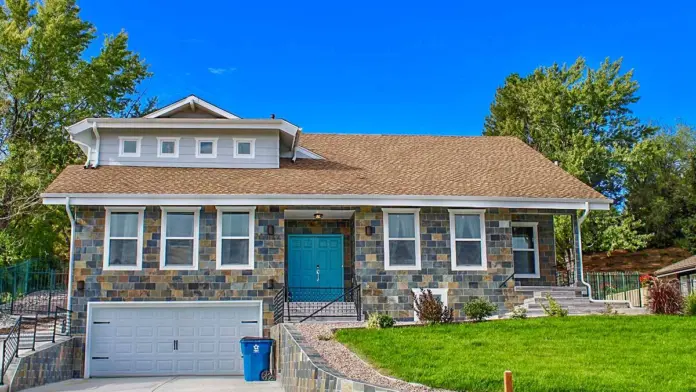
The Lakewood LGBTQIA+ house has a fenced backyard and a landscaped water feature near Belmar and transit and jobs are within walking distance.
Maintenance Medication in Lakewood
Monarch accepts residents on methadone or suboxone for opioid use disorder and certain maintenance medications are allowed. Maintenance medication is meant to keep going over time which includes the time someone lives in recovery housing.
House managers work on site and certification comes from the Colorado Association of Recovery Residences. Every resident attends at least four 12 step meetings each week and one or two house meetings are held to check in. Residents are tested for drugs and alcohol twice a week.
Residents commit to 90 days and may continue past that point with no maximum length of stay. No minimum time in recovery is required for admission but a urine test and a breathalyzer must be passed.
Facility Overview
 61 - 90
Avg Length of Stay in Days
Latest Reviews
This is when the bass sober living's out there.They treat you like family.I love monarch as a whole
Is an amazing place to get sober extremely helpful and professional with great support and staff
Monarch saved my life!!! Trying to get into a sober living can be very stressful. Not with Monarch!! Nina was quick to communicate about finding me the right place in my desired time frame and made to process very stress less!! Monarch took me in when i wanted to better my life and completely change who I had become, they were very patient with me as I took care of the wreckage of my past... The houses are clean , the groups are helpful and informative, and The staff cares about you and your path to long term continued sobriety. I literally cannot express the gratitude I have for everyone that makes Monarch!!! If you're really ready to get sober, call Monarch.

Rehab Score
 Our Methodology
Scoring is assigned by a proprietary system which helps surface key metrics that determine quality. The 10-point scale factors in categories such as operations, customer satisfaction, and trust metrics. Read Full Methodology

6.9 / 10
Gallery
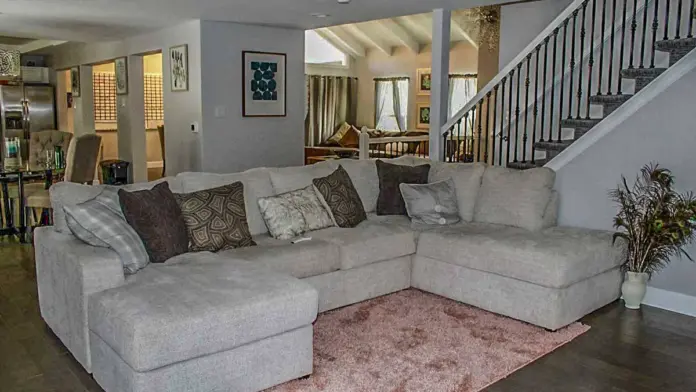
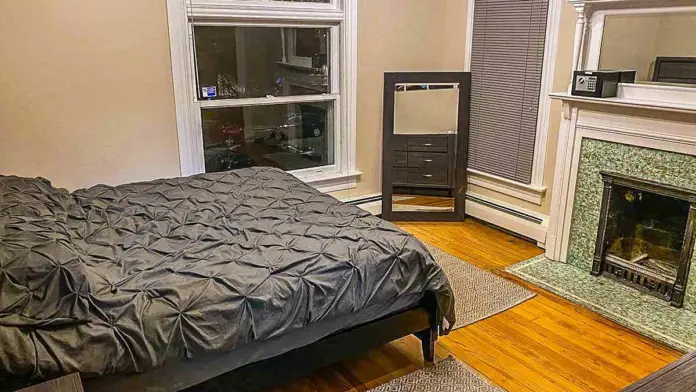
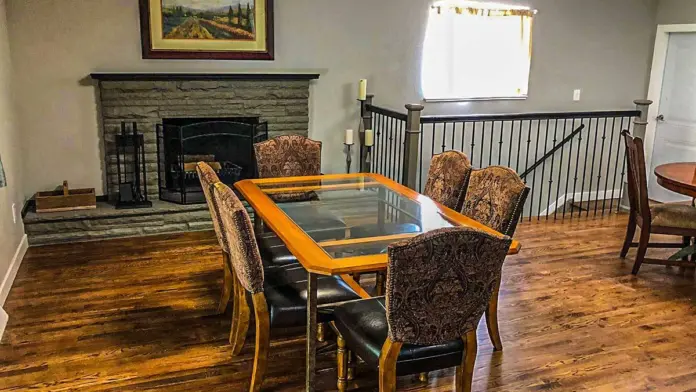
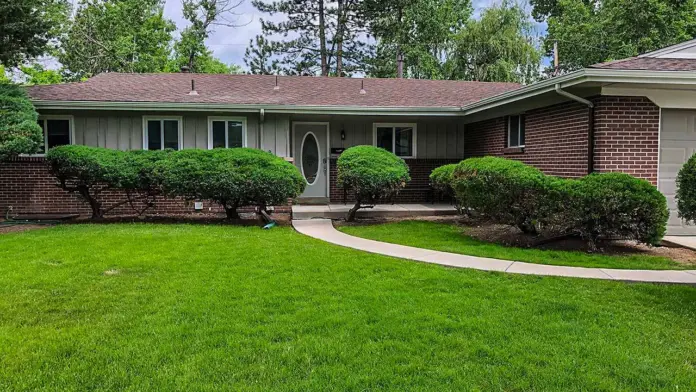
Other Forms of Payment
Private insurance refers to any kind of healthcare coverage that isn't from the state or federal government. This includes individual and family plans offered by an employer or purchased from the Insurance Marketplace. Every plan will have different requirements and out of pocket costs so be sure to get the full details before you start treatment.
Self-pay involves paying for treatment out of your own pocket. You can use savings or credit, get a personal loan, or receive help from family and friends to fund your treatment. If you don't have insurance or your insurance plan doesn't cover a specific program, self-pay can help ensure you still get the care you need.
Addiction Treatments
Levels of Care
Outpatient rehabs offer a wide variety of services and levels of care to align with clients' unique and evolving needs. Outpatient care is best suited for clients who are stable and for those who wish to remain at home while receiving treatment. Clients typically receive addiction counseling and recovery-focused life skills training, including participating in evening, night, and weekend sessions to accommodate clients' schedules. Clients at an increased relapse risk may receive more frequent and intensive treatment.
Clients entering an inpatient rehab typically require more intensive treatment than those in outpatient care. Clients often start inpatient treatment immediately after completing a detox program. Upon admission, they engage in extensive psychotherapy, receive recovery-focused life skills training, and participate in evidence-based complementary therapies, such as meditation, massage, acupuncture, and/or animal, creative arts, recreational, and experiential therapy.
It's a 12-step program, and every resident has to get to at least four meetings a week. That minimum isn't optional.
You commit for 90 days, and you can stay longer if you want. There's no cap on time in these sober living homes.
The process of medically assisted detox usually takes place in an inpatient setting while under the 24/7 care of a team of licensed medical professionals. It's considered the safest way to rid the body of all addictive substances and prepare you for a transition into either an inpatient program or various forms of outpatient rehab. The program length varies depending on your needs, but it typically takes about 5-7 days.
Programs
Adult rehab programs include therapies tailored to each client's specific needs, goals, and recovery progress. They are tailored to the specific challenges adult clients may face, including family and work pressures and commitments. From inpatient and residential treatment to various levels of outpatient services, there are many options available. Some facilities also help adults work through co-occurring conditions, like anxiety, that can accompany addiction.
Recovery is most successful when clients feel accepted and validated by their peers and treatment providers. Facilities that offer LGBTQ-inclusive programming are committed to creating a safe space where everyone can grow and recover without fear of judgment or discrimination. They will have dedicated policies in place to create a safe and supportive environment that fosters free expression.
Clinical Services
Group therapy in Colorado offers you a platform to share your stories about drug addiction and co occurring mental health conditions. You'll receive encouragement and empathy from peers who understand your journey, fostering a sense of community and belonging.
Men and women in Colorado have access to customized individual therapy sessions for drug and alcohol addiction treatment. These sessions explore your life experiences and patterns of substance abuse. Your therapist helps you recognize harmful behaviors and thoughts that empower you to make positive changes for lasting recovery.
Therapists who employ motivational interview techniques seek to draw out the client's ideas about change and allow them to draw their own conclusions about the need for change. This method is often effective for clients who feel unsure about their ability to change or the need for change.
During trauma therapy, you explore the impact that a traumatic event has had on your life. Your therapist can help you develop strategies to manage the emotional and physical symptoms while improving emotional regulation. This improves your overall quality of life.
Based on the couple's needs, couples therapy may take different forms. Your therapist will probably take an integrated approach, using techniques from several methods such as cognitive behavioral therapy and psychodynamic couple's therapy. The goal is to work through challenges and strengthen your relationship.
During family therapy sessions, family members in Colorado work with therapists to understand addiction as a disease that has affected the entire family. This approach fosters empathy and reduces blame on any one member. Promoting this collective effort helps to support the recovery process.
Amenities
-
 Residential Setting
-
 Private Rooms
Staff
Cali Peterson
Co-Owner & Executive Director
Rehab.com regularly reviews this listing for accuracy but changes may occur between updates. For the most up-to-date information, please contact Monarch Sober Living Homes.
Contact Information

Lakewood, CO
Get Help Now - 719-405-0523
Sponsored Helpline
Sponsored Helpline