
 (720) 640-8080


























































































 Visit Website
  7
7 About Avenues Recovery Center at Denver
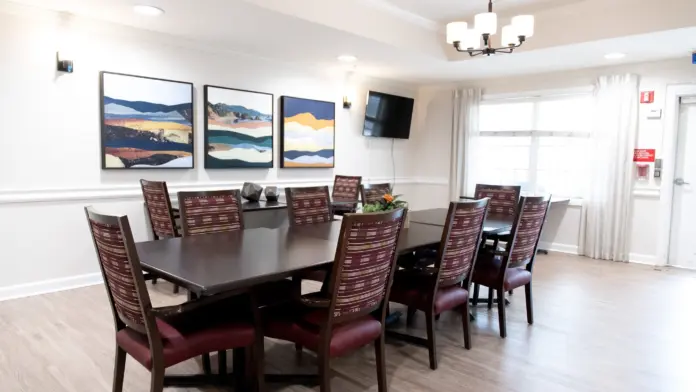
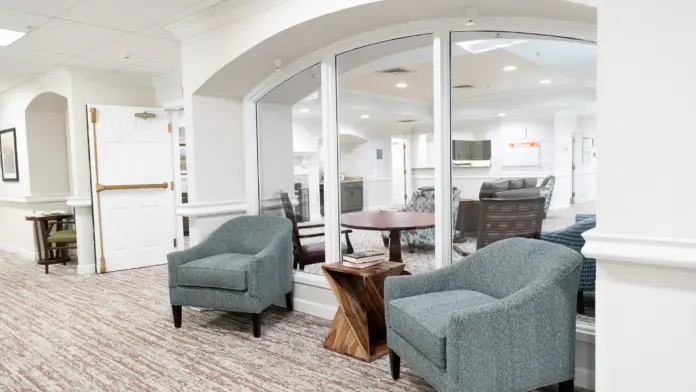
Avenues Recovery Center at Denver is a drug and alcohol rehabilitation facility which provides detox and residential treatment services in a clean, modern environment. With an evidence-based clinical curriculum, custom, targeted treatment plans and medication-assisted treatment options, Avenues Denver offers an unparalleled treatment experience. Located just 25 minutes from the bustling city of Denver, it offers a central yet secluded space to pursue lasting recovery. Avenues at Denver’s diverse staff includes doctors, nurses, counselors, addiction specialists, and support technicians, all skilled, experienced, and deeply passionate about what they do. The facility is newly remodeled, with a fresh, clean, modern design, and features amenities such as spacious client lounges, open lobbies, in-house laundry, and beautiful outdoor areas. Set against the striking backdrop of the Rockies, Avenues Denver offers a haven of serenity and healing for those beginning their recovery journey.
At Avenues, we understand that addiction is a chronic, progressive, and relapsing disease regardless of what caused its onset, and that it can be prevented with timely intervention and care. We believe strongly in our holistic approach – taking a broad view of each client’s physical, mental, and emotional wellbeing, and letting that guide treatment. We treat sources, not symptoms; we heal people, not problems. Our comprehensive continuum of care and uniform clinical approach throughout our network guarantees that you receive consistently excellent care throughout your time with us. Upon graduation, our dynamic alumni program ensures you remain engaged and connected to a vibrant recovery community for years to come.
Once you enter our doors, we embrace you as part of the Avenues family forever.
Facility Overview
 130
130  31 - 60
 Latest Reviews
See All



Rehab Score
 Our Methodology


Gallery





Accepted Insurance


Other Forms of Payment
Medicaid is a state based program that helps lower-income individuals and families pay for healthcare. Medicaid covers addiction treatment so those enrolled can use their coverage to pay for rehab. When a program accepts Medicaid the client often pays very little or nothing out of their own pocket.
Military members, veterans, and eligible dependents have access to specific insurance programs that help them get the care they need. TRICARE and VA insurance can help you access low cost or no cost addiction and mental health treatment. Programs that accept military insurance often have targeted treatment focused on the unique challenges military members, veterans, and their families face.
Self-pay involves paying for treatment out of your own pocket. You can use savings or credit, get a personal loan, or receive help from family and friends to fund your treatment. If you don't have insurance or your insurance plan doesn't cover a specific program, self-pay can help ensure you still get the care you need.
Private insurance refers to any kind of healthcare coverage that isn't from the state or federal government. This includes individual and family plans offered by an employer or purchased from the Insurance Marketplace. Every plan will have different requirements and out of pocket costs so be sure to get the full details before you start treatment.
Addiction Treatments
Levels of Care
Detox can be dangerous if not properly supervised, making 24-hour clinical care in Colorado an essential tool in the recovery process. The constant monitoring by medical professionals helps individuals through critical stages of recovery. Medical professionals and addiction specialists are available 24/7 to provide medications that ease withdrawal symptoms and to treat any other issues that arise.
The process of medically assisted detox usually takes place in an inpatient setting while under the 24/7 care of a team of licensed medical professionals. It's considered the safest way to rid the body of all addictive substances and prepare you for a transition into either an inpatient program or various forms of outpatient rehab. The program length varies depending on your needs, but it typically takes about 5-7 days.
Addiction recovery based on a 12 step program model is rooted in peer support and spiritual development. Participants regularly attend 12 step meetings, which are free, anonymous, peer-led, and available throughout the day and night in most communities. Clients' recovery is achieved progressively as they work through the 12 steps, which teach them to understand and address the root causes of their addiction, become accountable for their choices, and relinquish control over that which cannot be changed.
Clients entering an inpatient rehab typically require more intensive treatment than those in outpatient care. Clients often start inpatient treatment immediately after completing a detox program. Upon admission, they engage in extensive psychotherapy, receive recovery-focused life skills training, and participate in evidence-based complementary therapies, such as meditation, massage, acupuncture, and/or animal, creative arts, recreational, and experiential therapy.
Clients engaged in a rehab aftercare program have completed active addiction treatment and are receiving services designed to promote their sustained sobriety. Drug rehab aftercare typically encompasses a wide variety of medical, mental health, and social services meant to facilitate clients' reintegration into their home, workplace, and community. Clients typically collaborate with their case manager and/or recovery team to identify and access the services they need, often including peer coaching, career counseling, and care referrals.
Amenities
-
 Gardens
Accreditations

The Joint Commission, formerly known as JCAHO, is a nonprofit organization that accredits rehab organizations and programs. Founded in 1951, the Joint Commision's mission is to improve the quality of patient care and demonstrating the quality of patient care.
Joint Commission Accreditation: Yes



 View Website