





























































































About Next Step Foundation, Inc
The residential program is broken down into three phases known as step in, step down and step out. The step in phase is a 7 to 30 day program where clients receive around the clock care. They are treated by a dedicated team of medical professionals that includes nurse practitioners, therapists and peer coaches. Clients live in a single family home that houses 10 residents and is not far from the main facility where they’ll receive treatment. Most clients at the home will have at least one roommate.
When clients complete this phase, the step down phase begins. Clients’ clinical services are reduced to the ones necessary for continuing their progress. Patients also get more flexibility to be off campus more and pursue employment. This phase usually lasts for 60 days. The last phase allows patients to return home and take care of their responsibilities while continuing to receive substance use disorder counseling.
The clinical services provided by Next Step Foundation include individual addiction counseling, group counseling and family counseling. I like that this provider uses multiple evidence base techniques such as eye movement desensitization and reprocessing therapy and dialectical behavior therapy.
Latest Reviews



Rehab Score
 Our Methodology


Gallery
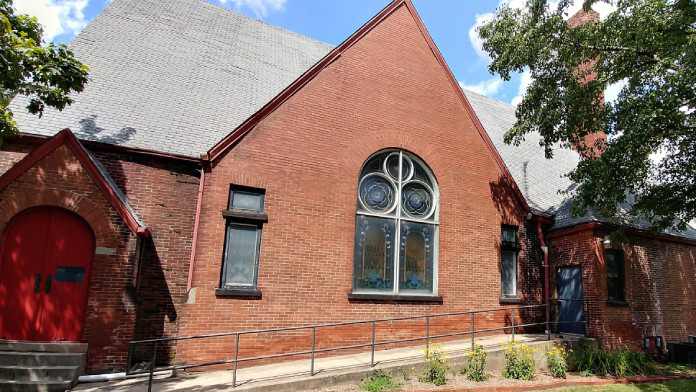

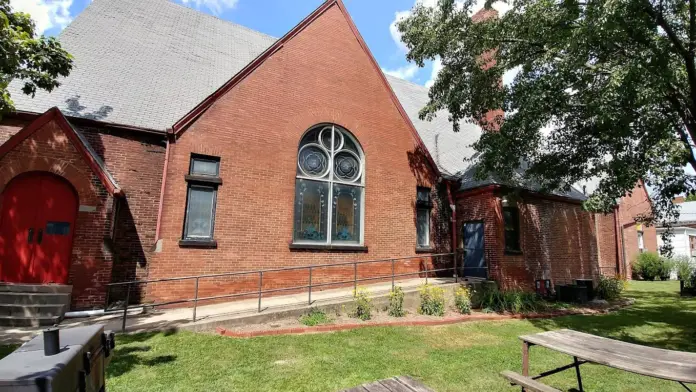
Other Forms of Payment
Private insurance refers to any kind of healthcare coverage that isn't from the state or federal government. This includes individual and family plans offered by an employer or purchased from the Insurance Marketplace. Every plan will have different requirements and out of pocket costs so be sure to get the full details before you start treatment.
Self-pay involves paying for treatment out of your own pocket. You can use savings or credit, get a personal loan, or receive help from family and friends to fund your treatment. If you don't have insurance or your insurance plan doesn't cover a specific program, self-pay can help ensure you still get the care you need.
Financial aid can take many forms. Centers may have grants or scholarships available to clients who meet eligibility requirements. Programs that receive SAMHSA grants may have financial aid available for those who need treatment as well. Grants and scholarships can help you pai for treatment without having to repay.
Medicare is a federal program that provides health insurance for those 65 and older. It also serves people under 65 with chronic and disabling health challenges. To use Medicare for addiction treatment you need to find a program that accepts Medicare and is in network with your plan. Out of pocket costs and preauthorization requirements vary, so always check with your provider.
Medicaid is a state based program that helps lower-income individuals and families pay for healthcare. Medicaid covers addiction treatment so those enrolled can use their coverage to pay for rehab. When a program accepts Medicaid the client often pays very little or nothing out of their own pocket.
Addiction Treatments
Levels of Care
Outpatient Programs (OP) are for those seeking mental rehab or drug rehab, but who also stay at home every night. The main difference between outpatient treatment (OP) and intensive outpatient treatment (IOP) lies in the amount of hours the patient spends at the facility. Most of the time an outpatient program is designed for someone who has completed an inpatient stay and is looking to continue their growth in recovery. Outpatient is not meant to be the starting point, it is commonly referred to as aftercare.
Residential treatment programs are those that offer housing and meals in addition to substance abuse treatment. Rehab facilities that offer residential treatment allow patients to focus solely on recovery, in an environment totally separate from their lives. Some rehab centers specialize in short-term residential treatment (a few days to a week or two), while others solely provide treatment on a long-term basis (several weeks to months). Some offer both, and tailor treatment to the patient's individual requirements.
Intensive Outpatient programs are for those who want or need a very structured treatment program but who also wish to live at home and continue with certain responsibilities (such as work or school). IOP substance abuse treatment programs vary in duration and intensity, and certain outpatient rehab centers will offer individualized treatment programs. The Intensive Outpatient Program gives patients the chance to participate in a structured treatment plan part-time while they transition back to home and work or other responsibilities.
12 step programs foster participants' long-term sobriety through personal growth rooted in spiritual principles, though religious affiliation is not mandatory. Most 12 step meetings are non-denominational but are based on the belief in a higher power. Participants learn to understand and address the causes of their addiction, accept responsibility for their choices, and relinquish control for that which cannot be changed. Regular group meetings and mentoring by a self-selected sponsor are required.
The number one rule of a sober living home in Indiana is that residents cannot use or bring alcohol or drugs into the home. Breaking this rule typically results in eviction. In addition to this rule, men's and women's sober living homes have other standards that residents must meet. These usually include maintaining a job, helping with meal preparation and house cleaning, and attending 12-step meetings.
When families plan a drug intervention in Indiana, the goal is to create self-awareness in their loved one, so they acknowledge the need for treatment and get help. A professional interventionist can work with the individual's family members to organize this intervention and provide direction for follow-up. During the intervention, loved ones share how the individual's substance abuse has affected them, and the interventionist adds a clinical perspective on how treatment can help the situation.
When removing addictive substances from your body under the care of licensed medical professionals, the process is called medically assisted detox. Once you've become physically dependent on substances like alcohol, opioids, or benzodiazepines, quitting can be uncomfortable or even dangerous. To minimize risks to your health and overall discomfort, a team of medical professionals monitors you 24/7 and provides medications if necessary (like Suboxone or methadone) to ease potential symptoms of withdrawal.
Programs
Adult rehab programs include therapies tailored to each client's specific needs, goals, and recovery progress. They are tailored to the specific challenges adult clients may face, including family and work pressures and commitments. From inpatient and residential treatment to various levels of outpatient services, there are many options available. Some facilities also help adults work through co-occurring conditions, like anxiety, that can accompany addiction.
Young adulthood can be an exciting, yet difficult, time of transition. Individuals in their late teens to mid-20s face unique stressors related to school, jobs, families, and social circles, which can lead to a rise in substance use. Rehab centers with dedicated young adult programs will include activities and amenities that cater to this age group, with an emphasis on specialized counseling, peer socialization, and ongoing aftercare.
Recovery is most successful when clients feel accepted and validated by their peers and treatment providers. Facilities that offer LGBTQ-inclusive programming are committed to creating a safe space where everyone can grow and recover without fear of judgment or discrimination. They will have dedicated policies in place to create a safe and supportive environment that fosters free expression.
Clinical Services
When you participate in cognitive behavioral therapy in Indiana, you'll learn to recognize distorted thinking that has led to substance use. Your therapist will help you establish new patterns of thinking and healthy ways to cope with challenges that don't involve substance use.
Individual dialectical behavior therapy (DBT) takes place in weekly, 60 minute sessions. You'll have homework to do, such as keeping a diary to track your emotions and actions. You'll also attend group sessions, which are intended to be skills practicing sessions. DBT in Indiana typically lasts six months to a year.
Group therapy provides a unique experience for men and women to encounter a supportive environment where you can share your experiences and gain insight from your peers who understand your struggles. Group therapy improves your journey and helps promote sustainable recovery.
Qualified therapists in Indiana use a customized treatment approach for individual therapy to address your drug and alcohol addiction treatment. This considers your past history and life circumstances to help you uncover the underlying issues that trigger addictive behavior and manage these factors to support a healthy approach to recovery.
Motivational interviewing aims to stimulate the client's personal motivation and commitment to change. Rather than receive advice and warnings from the therapist, the client is given the opportunity to share their concerns and reach their own conclusions.
During trauma therapy in Indiana, your therapist helps you process traumatic experiences and learn how they affect your emotional, mental, and physical responses. You learn effective coping strategies that help to reduce the symptoms and improve your mental health and well being.
In couples therapy, you and your partner work with a psychologist to identify challenges in the relationship and what changes need to be made. You'll work on listening, communicating, and navigating those changes in healthy ways.
 Eye Movement Desensitization And Reprocessing
The goal of family therapy in Indiana is to empower family members to effectively support their loved one's recovery. Therapists work with family members to develop the skills needed to manage stress and resolve conflicts successfully. This fosters a positive environment that is conducive to long term sobriety.
Life skills include cognitive skills, interpersonal skills, and personal skills that help you manage daily living. Cultivating these skills during rehab in Indiana is an important part of recovery. With these skills, you'll be able to navigate challenges and prevent relapse.
Amenities
-
 Yoga Studio
 -
 Wifi
Wifi -
 Residential Setting
 -
 Private Rooms
Staff & Accreditations
Staff
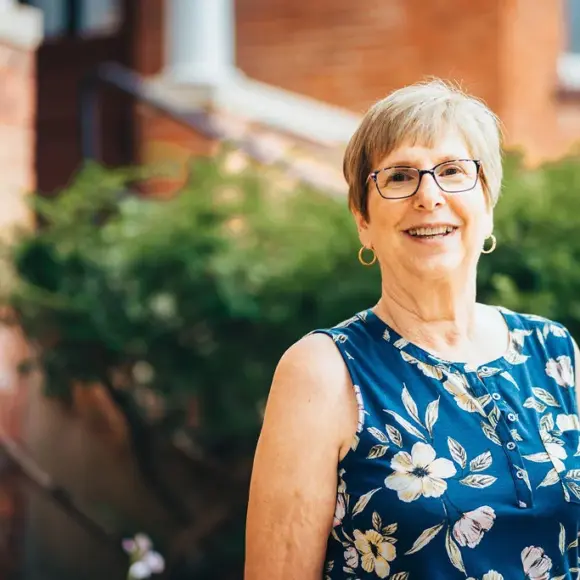
Dana Simons, LCSW, LCAC
Executive Director
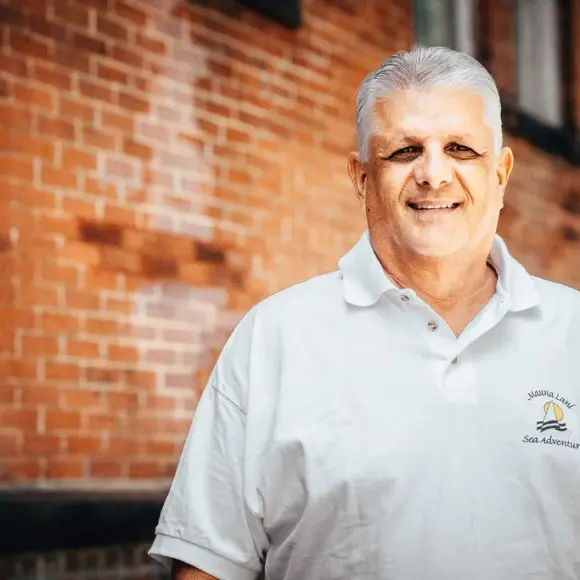
Ron Simons
Program Director
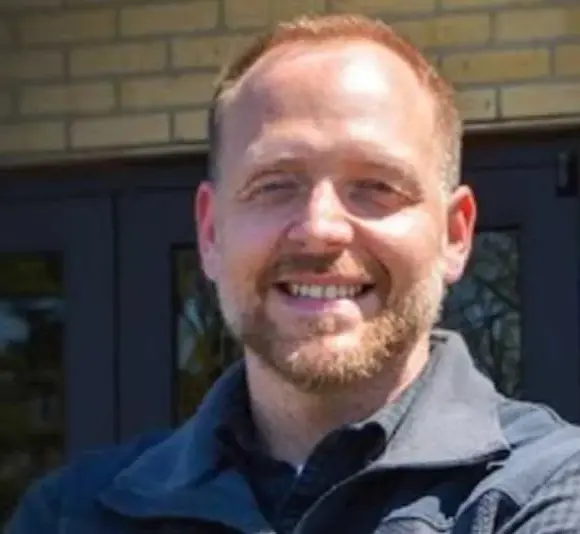
Tyler Spivey, CAPRC II
COO

Amber Hedden, BSW, CRS/CHW
Insurance Billing Manager & Outpatient Administrator
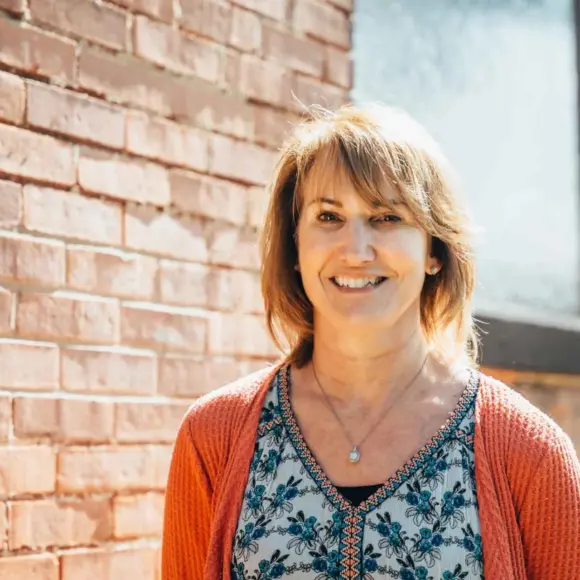
Jann Speidel, LCSW, LCAC
Clinical Supervisor

Emily Delaney, CHW-CRS
Director of Program Administration
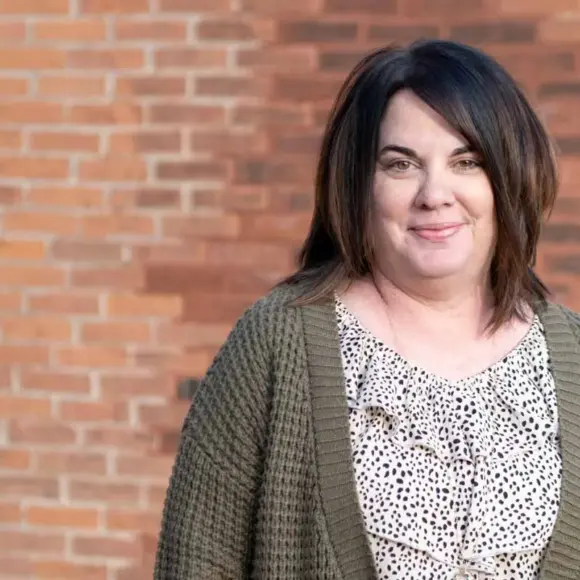
Melissa Beadle, LCSW
Therapist

Tina Simons, LMSW
CCO
Accreditations

The Commission on Accreditation of Rehabilitation Facilities (CARF) is a non-profit organization that specifically accredits rehab organizations. Founded in 1966, CARF's, mission is to help service providers like rehab facilities maintain high standards of care.
CARF Accreditation: Yes

State Licenses are permits issued by government agencies that allow rehab organizations to conduct business legally within a certain geographical area. Typically, the kind of program a rehab facility offers, along with its physical location, determines which licenses are required to operate legally.
State License: Indiana
Rehab.com regularly reviews this listing for accuracy but changes may occur between updates. For the most up-to-date information, please contact Next Step Foundation, Inc.
Contact Information


619 Washington Ave
Terre Haute, IN 47802
Sponsored Helpline



