










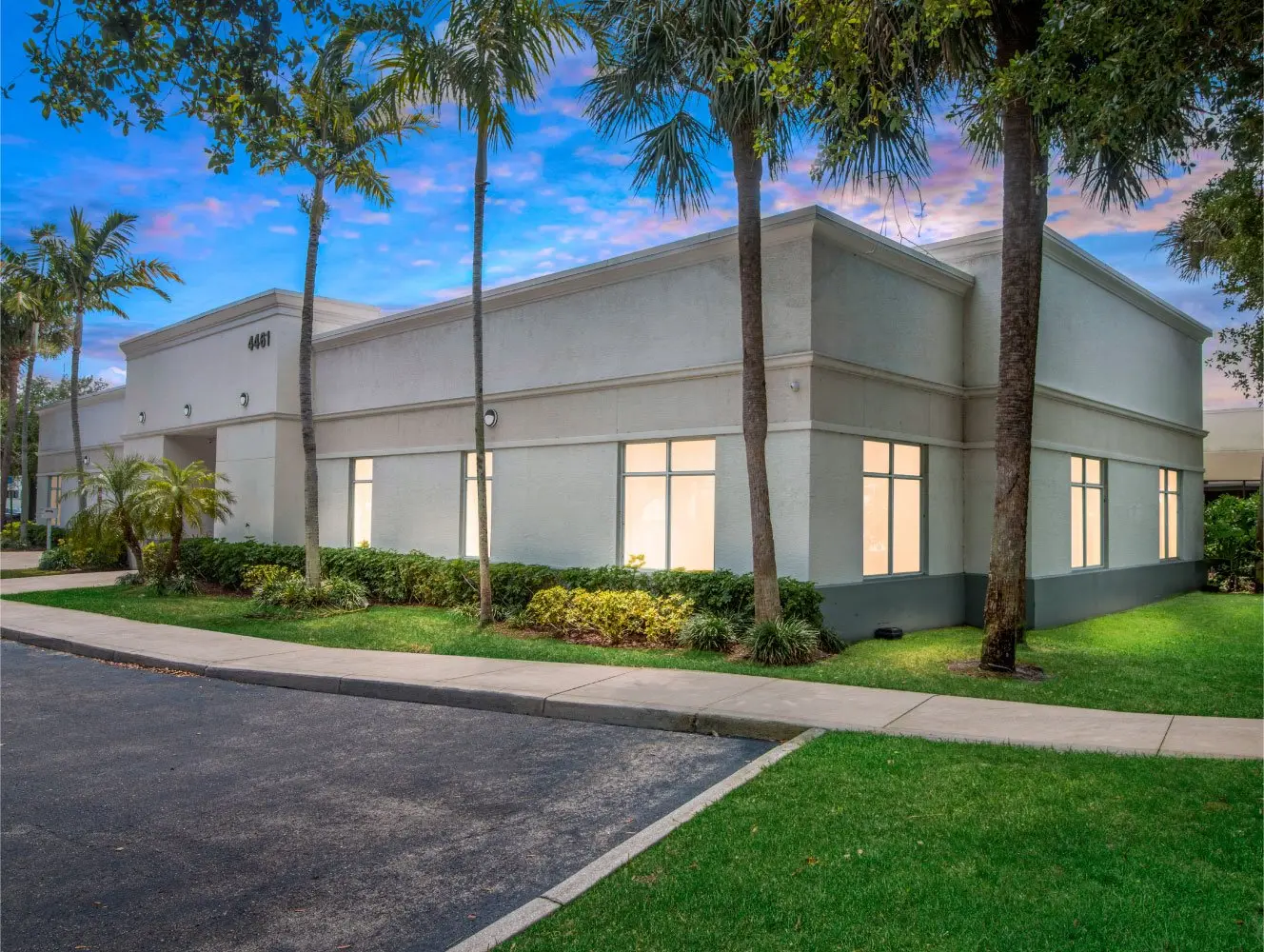
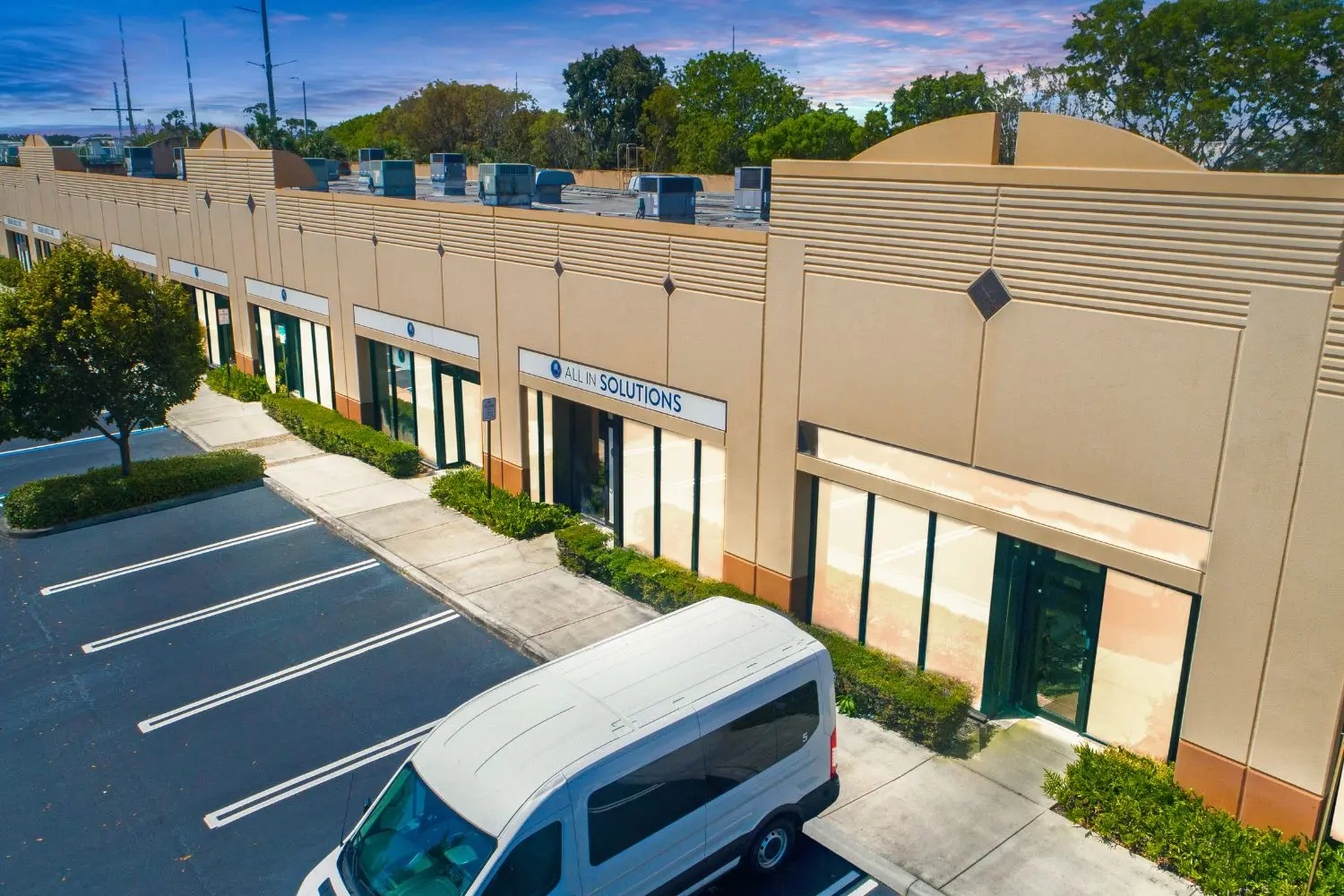
All In Solutions Wellness Center
1
Top 10 Rehab Centers In West Palm Beach




















































































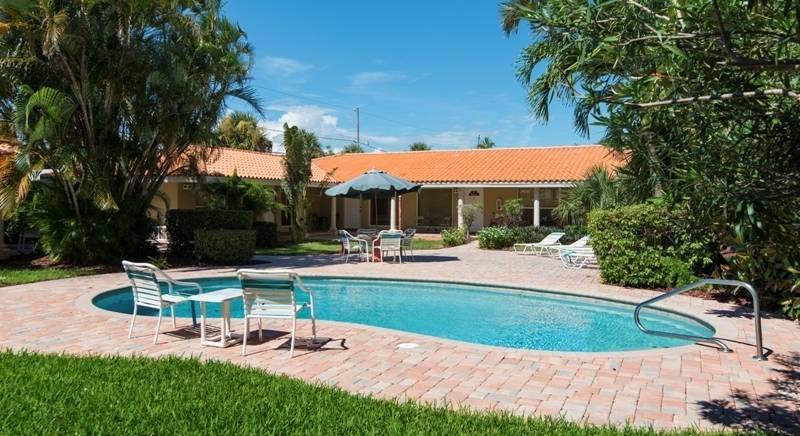
They provide medical detox, inpatient care, and day treatment services. Their large, sunny, coastal neighborhood home care setting provides privacy and comfort amid beautiful surroundings.
You’ll engage in cognitive behavioral therapy and dialectical behavioral therapy to help you address the root causes of your addiction. You’ll also learn valuable coping skills to help you manage triggers and maintain your sobriety.
They also offer key insight on the dynamic between trauma and addiction to help you find healing in mind, body, and spirit.
Clients praise the lovely locale and the finely prepared meals made from scratch. Many people called their 30 day program enjoyable and useful. Clients also particularly like their facility, saying that it was not only effective but also provided supportive socialization opportunities with other patients and staff.

 Our Methodology


Private insurance refers to any kind of healthcare coverage that isn't from the state or federal government. This includes individual and family plans offered by an employer or purchased from the Insurance Marketplace. Every plan will have different requirements and out of pocket costs so be sure to get the full details before you start treatment.
Self-pay involves paying for treatment out of your own pocket. You can use savings or credit, get a personal loan, or receive help from family and friends to fund your treatment. If you don't have insurance or your insurance plan doesn't cover a specific program, self-pay can help ensure you still get the care you need.
Outpatient Programs (OP) are for those seeking mental rehab or drug rehab, but who also stay at home every night. The main difference between outpatient treatment (OP) and intensive outpatient treatment (IOP) lies in the amount of hours the patient spends at the facility. Most of the time an outpatient program is designed for someone who has completed an inpatient stay and is looking to continue their growth in recovery. Outpatient is not meant to be the starting point, it is commonly referred to as aftercare.
Residential treatment programs are those that offer housing and meals in addition to substance abuse treatment. Rehab facilities that offer residential treatment allow patients to focus solely on recovery, in an environment totally separate from their lives. Some rehab centers specialize in short-term residential treatment (a few days to a week or two), while others solely provide treatment on a long-term basis (several weeks to months). Some offer both, and tailor treatment to the patient's individual requirements.
Rehab aftercare programs are a collection of highly individualized services designed to promote long-term recovery. These services evolve as your needs change. Case managers and recovery teams typically begin formulating the rehab aftercare service plan early in the recovery process to facilitate your reintegration back into the home, workplace, and community.
Substance rehabs focus on helping individuals recover from substance abuse, including alcohol and drug addiction (both illegal and prescription drugs). They often include the opportunity to engage in both individual as well as group therapy.
Adult rehab programs include therapies tailored to each client's specific needs, goals, and recovery progress. They are tailored to the specific challenges adult clients may face, including family and work pressures and commitments. From inpatient and residential treatment to various levels of outpatient services, there are many options available. Some facilities also help adults work through co-occurring conditions, like anxiety, that can accompany addiction.
Young adulthood can be an exciting, yet difficult, time of transition. Individuals in their late teens to mid-20s face unique stressors related to school, jobs, families, and social circles, which can lead to a rise in substance use. Rehab centers with dedicated young adult programs will include activities and amenities that cater to this age group, with an emphasis on specialized counseling, peer socialization, and ongoing aftercare.
Therapists who apply cognitive behavioral therapy in Florida believe patient thoughts and behaviors are closely linked. They use this treatment method to help clients change their thought patterns so they can also change behaviors and break free from substance abuse.
Dialectical behavior therapy in Florida consists of individual therapy and group instruction. This structured program is a form of psychotherapy that incorporates the development of skills for managing emotions and relationships.
Group therapy provides a safe and supportive environment for people in Florida who are struggling with drug addiction. There you can openly discuss the challenges and progress you're making without fear of judgment from your peers who experience many of the same things you are.
Individual therapy often includes Cognitive Behavioral Therapy. This is a structured approach to identifying and changing negative thought patterns. During therapy you learn how what you think drives your actions so you can develop healthier coping strategies to manage addiction triggers and reduce drug use.
During family therapy sessions, you navigate the complexities of addiction and are provided tools to help improve communication and resolve conflicts. When you work together, families can better support their loved one's recovery and restore balance and harmony within the household.
Types of creative arts therapy in Florida include playing music, writing poetry, journaling, dancing, painting, and sculpting. These expressive activities can help you process emotions and work through challenges with the guidance of a creative arts therapist.
 Residential Setting
  Private Rooms
  Mountain Views
  Gardens
State Licenses are permits issued by government agencies that allow rehab organizations to conduct business legally within a certain geographical area. Typically, the kind of program a rehab facility offers, along with its physical location, determines which licenses are required to operate legally.
State License: Florida

The Joint Commission, formerly known as JCAHO, is a nonprofit organization that accredits rehab organizations and programs. Founded in 1951, the Joint Commision's mission is to improve the quality of patient care and demonstrating the quality of patient care.
Joint Commission Accreditation: Yes
Rehab.com regularly reviews this listing for accuracy but changes may occur between updates. For the most up-to-date information, please contact Pearl of the Sea Retreat.

7601 A1A South
Saint Augustine, FL 32080
Sponsored Helpline

First let me say thank God for The Augustine Recovery Center! The road to finding a top notch Recovery Center for our loved one finally landed us at TARC after four different and unsuccessful experiences in four different recommended centers throughout the country. One thing that I still remember from our initial calls with Christine are the words, “We will not give up on your son.” They have been true to their word and more- the transformation we have seen in our son is truly amazing and I thank the wonderful staff for their knowledge, commitment and compassion throughout the recovery process. I feel as though the staff goes beyond what is required of them and believe that this is a key reason that TARC is so well respected among clients and their families. Staff is readily available for family members that have questions or just want an update on their loved one. The Family Weekends were amazing and packed with informative sessions as well as time for relaxation with family and the other clients and their families. TARC is a smaller recovery center which provides our son with individual attention and counseling as well as group sessions which promote unity and support among the clients themselves. We love that they provide a continuum of services after the initial three months of inpatient, transitioning clients to Cornerstone and then Sober Living all on their same property allowing for continuing services with the same wonderful staff that has supported them throughout their recovery! The bonds that form among clients, staff, and within the community have helped tremendously in supporting a long term recovery for our son. I want to personally thank the entire staff at TARC because each and every one of them played an important part in giving us our son back but a special shout out to his case manager Scott whose knowledge, patience and compassion got us all through some very difficult times. We are all forever grateful to you!

It's like a used car dealership. If you're paying out of pocket, they want the lint. If you have insurance to pay, great. They make money to keep the owner surfing in Hawaii. Must be nice. Get your person to meetings..AA or NA. "Rehab" doesn't do it. It's just a scheme *edit. Still a salesperson.... You guys are a screwdriver trying to hammer a nail. The people in the meeting rooms are the ultimate tool. No thank you. Also, update your pictures..they're trash. "We...are always willing to have a direct conversation"

If you are looking for a long term rehab for your loved one, look no further. My brother was in a few rehabs before my mother and I found TARC and nothing else could compare. The way the entire staff truly cared about the recovery of the guys there and their families is extraordinary. My brothers case manager, Ryan, always stayed in constant contact with both my mother and I. He was always a phone call away if we had any questions or concerns. He also reached out to us at minimum, on a weekly basis to keep us updated on my brothers progress. He always showed genuine care, compassion and concern. No other facility he was in ever did that! They also offer weekly family support group meetings which have been so helpful. After visiting during one of their family weekends, I could see the positive community and its impact on my brother. They really focus on a healthy lifestyle, behaviors and routines which my brother has continued after leaving TARC. I am extremely grateful for all the staff at TARC and their role in my brothers recovery.

I chose Augustine Recovery because of Jason’s passion, honesty and commitment to recovery and trauma based treatment. Christine guided me through each step of the way to get our son there. Once he arrived, I received a call…he’s here, he’s safe. For the first time, I could breathe. Augustine Recovery has been a life changing experience. The family weekends are immersive, supportive, and meaningful. The treatment team was not just focused on my son; they were piecing together information about our family system in order to promote true healing. The commitment and support that we received was invaluable. Jon, our case manager and Karen, our therapist came together in every way possible to help my son and family. Jon was always one step ahead of me. He would listen and ask questions - often challenging my ideas and was always right in his approach. Karen, our therapist, always knew how to bring things back into balance. I truly appreciate the amount of time she spent to bring about the best outcomes in therapy. I have never witnessed such dedicated people interact with my son and be able to reach the depth of understanding the way they did. I was often in awe of them. My gratitude to Augustine Recovery and the entire staff is immeasurable. Trust the work that they do here and miracles unfold.
 Back
Back
Sharing your insights and experiences can help others learn more about this rehab center.
 Written By: Peter Lee
PhD
Written By: Peter Lee
PhD
