





























































































 Claimed
About Boca Recovery Center Florida – Drug Rehab & Detox
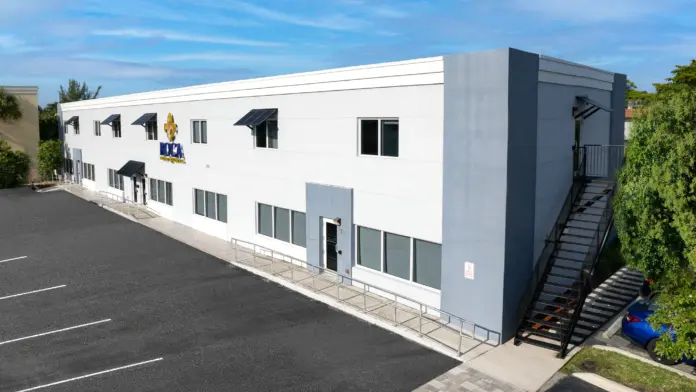
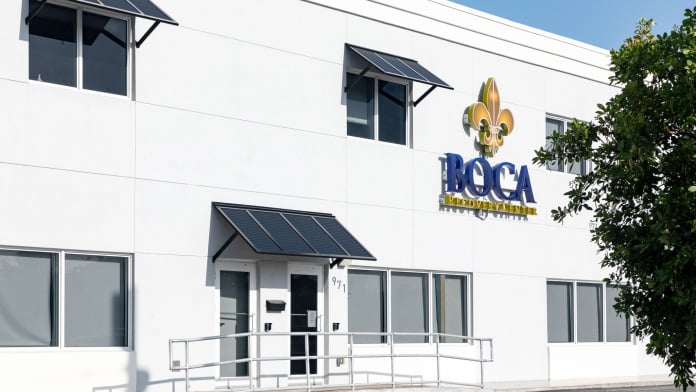
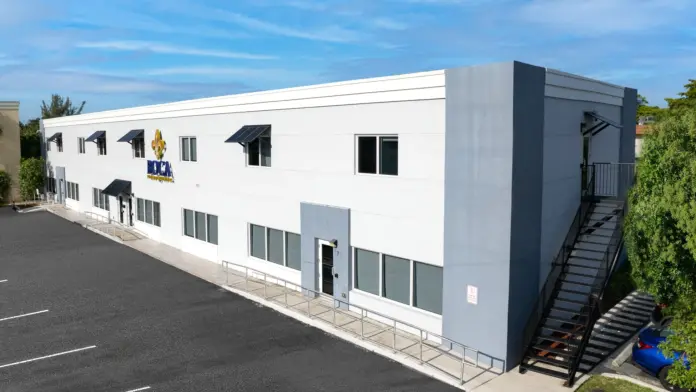
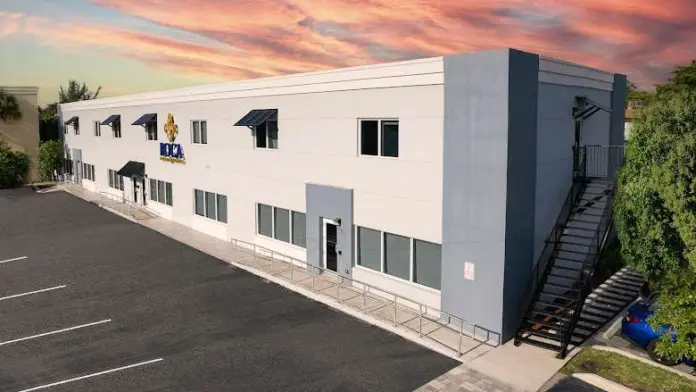
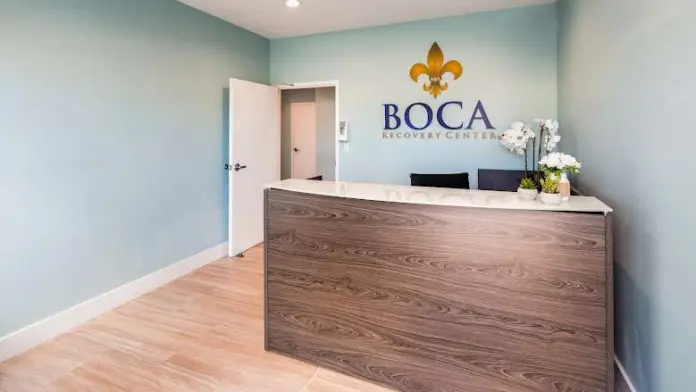
Boca Recovery Center in Pompano Beach, is an addiction treatment facility in Florida. They’re staffed with masters level addiction therapists to ensure that clients get the best care possible. The levels of care available include medical detox and inpatient rehab in Florida.
Customized Treatment Plans For Unique Groups
Boca Recovery Center knows that they serve a wide range of clients who have diverse backgrounds and needs. In understanding that, the facility has created customized treatment programs for individuals such as veterans, clients in the LGTBQ+ community and executives. The veterans treatment program will focus on treating mental health issues that contribute to addiction such as trauma and PTSD.
Medication assisted treatment will also be a part of the treatment program, with staff administering medications such as naltrexone and methadone to reduce withdrawal symptoms if you have alcohol or opioid addiction. Specialized LGTBQ+ treatment services will focus on providing individuals with a safe and inclusive environment they can feel comfortable in. The facility will address social isolation, anxiety, family relationship issues, and other difficulties that can cause substance use among LGBTQ+ individuals.
Outdoor Recreation to Maintain Your Sobriety
The great thing about Pompano Beach is there are numerous outdoor areas where you can spend time being active or simply relaxing. A few places you can do both include Pompano Community Park and North Ocean Park.
Holistic Services To Support Healing
One other thing that stood out to me about this location were the holistic rehabilitation treatments they offer. The staff will teach clients health promoting activities such as yoga and proper nutrition. Clients will gain an understanding of the importance of healing the mind, body and spirit.
Facility Overview
 31 – 50
  15 - 30
 Latest Reviews


Thank you so much for your heartfelt review of Boca Recovery Center Pompano Beach, Florida! We’re thrilled to hear that you had a phenomenal experience, and it’s wonderful to know our dedicated team, including Laura, Miss Jay, Brielle, and others, made such a positive impact on your journey. Our clinical team here in Pompano Beach is committed to providing caring, evidence-based care for those seeking addiction treatment across Broward County and South Florida. Remember, we’re always here whenever you or someone you know needs support.
Wishing you continued success on your recovery journey!

Rehab Score
 Our Methodology


Gallery

Accepted Insurance
Other Forms of Payment
Private insurance refers to any kind of healthcare coverage that isn't from the state or federal government. This includes individual and family plans offered by an employer or purchased from the Insurance Marketplace. Every plan will have different requirements and out of pocket costs so be sure to get the full details before you start treatment.
Self-pay involves paying for treatment out of your own pocket. You can use savings or credit, get a personal loan, or receive help from family and friends to fund your treatment. If you don't have insurance or your insurance plan doesn't cover a specific program, self-pay can help ensure you still get the care you need.
Military members, veterans, and eligible dependents have access to specific insurance programs that help them get the care they need. TRICARE and VA insurance can help you access low cost or no cost addiction and mental health treatment. Programs that accept military insurance often have targeted treatment focused on the unique challenges military members, veterans, and their families face.
Financial aid can take many forms. Centers may have grants or scholarships available to clients who meet eligibility requirements. Programs that receive SAMHSA grants may have financial aid available for those who need treatment as well. Grants and scholarships can help you pai for treatment without having to repay.
Addiction Treatments
Levels of Care
Outpatient treatment at our center in Pompano Beach allows you to live at home or in a sober living environment while engaged in a tailored addiction treatment program. This is our most flexible option with benefits that include skill building, supervision, structure and a community of peers who can share tips and supportive techniques during your rehab process.
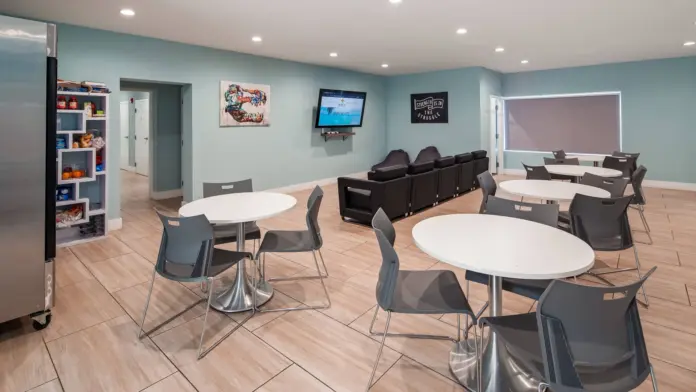
Inpatient programs offer 24/7 comprehensive care in a structured and controlled environment. Our residential program reduces external distractions and allows you to focus solely on your recovery while receiving intensive therapy. You can expect a homelike environment where you receive whole-body care, support and community in a structured setting without relapse triggers.
In our intensive outpatient programs, you’ll spend between nine and 20 hours each week in a tailored addiction treatment program. Your services can include medication management, psychotherapy, education and more to meet your unique needs. We recognize that recovery is not linear and can adjust your treatment program as needed.
Aftercare is the third step of our center's treatment. It encompasses a plan of support that may include ongoing therapy, community support groups and steps like avoiding certain neighborhoods and keeping a list of safe people to call. It should also include positive events like a daily schedule, exercise and hobbies. Each step is designed to help you avoid relapse and adapt to sober living.
A 12-step program may or may not be based on a spiritual foundation but should be part of your aftercare program. The program will emphasize peer support, accountability and personal growth. These steps help you maintain sobriety as you re-engage in the community. Group support guides you through steps that foster acceptance and behavioral change.
Sober living homes allow you to continue your addiction recovery journey in a substance-free environment as you build relationships with your peers. These homes bridge formal treatment and independent living, allowing you to transition more easily into the community. They can also help increase abstinence, improve employment outcomes and lower arrest rates.
Interventions are planned conversations with loved ones who have a substance use disorder. A professional interventionist can guide these conversations. This can help a loved one recognize the severity of their addiction and motivate them to seek treatment. We offer guidance in starting these conversations to help restore your family.
Partial hospitalization programs are the most intensive outpatient therapy option available at Pompano Beach recovery center. Our partial hospitalization program provides a protected space where you receive treatment for up to 30 hours each week. While each program is customized, you can expect most programs to last from several weeks to a few months.
24-hour clinical care is available in certain treatment center settings that provide round-the-clock monitoring and immediate assistance for recovery from substance use disorders. These settings typically provide medical or social detoxification as the first step to addiction recovery.
Medically assisted detox is our first step in a three-step recovery process. We use FDA-approved medications to help lessen your withdrawal symptoms from drugs or alcohol. This reduces physical barriers to recovery and helps protect your health during detox. You benefit from our around-the-clock monitoring, compassionate care and powerful follow-up plans to transition smoothly into the next step in recovery.
Treatments
Our alcohol addiction treatment programs typically start with medical detoxification to help your body safely withdraw from alcohol, eliminate toxins and reduce symptoms. Your program then moves into behavioral therapies and support groups designed to help you understand what triggers your addictive behavior. You’ll learn healthier coping strategies and build a supportive network to maintain your sobriety.
At Boca Recovery Center, our drug addiction treatment programs include comprehensive therapeutic interventions such as behavioral therapy, counseling and medication management. Our abstinence-based programs begin by addressing the root factors that contribute to addiction and promote strategies to help you achieve sustainable recovery.
You may have been using drugs or alcohol to self-medicate and relieve mental health symptoms such as depression or anxiety. Dual diagnosis is the term to describe an addiction and mental health condition that happen at the same time. A dual-diagnosis approach treats both conditions simultaneously which enhances recovery outcomes and improves your quality of life.
The programs at Boca Recovery Center that focus on mental health and addiction will address both your psychiatric and physical needs. This is effective because mental health conditions often exacerbate addiction and vice versa. Your program may include therapy, medication management and a customized treatment plan that treats your entire being - mentally, emotionally, physically and spiritually.
Our opioid use disorder treatment typically has three stages. The first is medical detoxification using FDA-approved medications to reduce withdrawal symptoms and monitor your health. The next step is behavioral health treatment that may occur alongside or after detox. After acute rehab, you’ll connect with an aftercare recovery community that includes support groups, individual therapy and holistic treatments.
In Florida, substance abuse treatment focuses on treating mental health and substance use disorders concurrently to improve recovery outcomes and overall health. Levels of care include medical detox, outpatient, residential treatment, and intensive outpatient programs. Clinicians utilize evidence-based therapies such as dialectical behavioral therapy (DBT) or medication-assisted treatment, group therapy, and skills training activities. This comprehensive approach to treatment helps to ensure sustained recovery.
Programs
We understand that adults from all walks of life may need addiction treatment including executives, first responders, veterans and healthcare professionals. We’ll create a treatment plan just for you so you can begin restoring your life and relationships. The tools you learn here will help you set a foundation for long-term recovery.
Young adult programs cater to the unique needs of individuals in their late teens and early twenties. Your customized program will address age-appropriate challenges such as peer pressure, academic stress and early career issues. These specialized programs promote personal development in your recovery journey, which supports your efforts in sustainable sobriety.
Nearly one million adults age 65 and older live with a substance use disorder. Treatment providers who specialize in senior care understand the social, psychological, and physical effects of aging and how they relate to recovery. They can help clients address particular challenges and risks they may face as they get older such as overdosing and medication interactions and dependencies.
Recovery is most successful when clients feel accepted and validated by their peers and treatment providers. Facilities that offer LGBTQ-inclusive programming are committed to creating a safe space where everyone can grow and recover without fear of judgment or discrimination. They will have dedicated policies in place to create a safe and supportive environment that fosters free expression.
Serving in the military is both mentally and physically challenging, and can result in trauma that persists even after combat ends. Military programs are tailored to the specific and often complex needs of active duty personnel, veterans, and military families. Clients often access these programs through the U.S. Department of Veterans Affairs (VA).
Men face specific challenges and concerns when seeking addiction treatment. Gender-specific recovery programs help them tackle these issues head-on in an environment that's focused, targeted, and distraction-free. It also gives them the opportunity to connect with and learn from other men who have been through a similar journey and can offer support for the next step.
Rehabs for women provide a safe, nurturing space for female clients to heal. These treatment programs consider the specific obstacles that women can face during recovery and place a special emphasis on mental, social, physical, and reproductive health. They explore how each woman's experience has shaped the trajectory of their substance use, addressing issues such as sexual abuse and past trauma.
Clinical Services
Cognitive Behavioral Therapy (CBT) is a therapy modality that focuses on the relationship between one's thoughts, feelings, and behaviors. It is used to establish and allow for healthy responses to thoughts and feelings (instead of unhealthy responses, like using drugs or alcohol). CBT has been proven effective for recovering addicts of all kinds, and is used to strengthen a patient's own self-awareness and ability to self-regulate. CBT allows individuals to monitor their own emotional state, become more adept at communicating with others, and manage stress without needing to engage in substance abuse.
Dialectical Behavior Therapy (DBT) is a modified form of Cognitive Behavioral Therapy (CBT), a treatment designed to help people understand and ultimately affect the relationship between their thoughts, feelings, and behaviors. DBT is often used for individuals who struggle with self-harm behaviors, such as self-mutilation (cutting) and suicidal thoughts, urges, or attempts. It has been proven clinically effective for those who struggle with out-of-control emotions and mental health illnesses like Borderline Personality Disorder.
Group therapy is any therapeutic work that happens in a group (not one-on-one). There are a number of different group therapy modalities, including support groups, experiential therapy, psycho-education, and more. Group therapy involves treatment as well as processing interaction between group members.
In individual therapy, a patient meets one-on-one with a trained psychologist or counselor. Therapy is a pivotal part of effective substance abuse treatment, as it often covers root causes of addiction, including challenges faced by the patient in their social, family, and work/school life.
Motivational Interviewing (MI) is a clinical approach to helping people with substance abuse issues and other conditions shift behavior in positive ways. It is more goal-oriented than traditional psychotherapy, as MI counselors directly attempt to get clients to consider making behavioral change (rather than wait for them to come to conclusions themselves). Its primary purpose is to resolve ambivalence and help clients become able to make healthy choices freely.
Trauma therapy addresses traumatic incidents from a client's past that are likely affecting their present-day experience. Trauma is often one of the primary triggers and potential causes of addiction, and can stem from child sexual abuse, domestic violence, having a parent with a mental illness, losing one or both parents at a young age, teenage or adult sexual assault, or any number of other factors. The purpose of trauma therapy is to allow a patient to process trauma and move through and past it, with the help of trained and compassionate mental health professionals.
Whether a marriage or other committed relationship, an intimate partnership is one of the most important aspects of a person's life. Drug and alcohol addiction affects both members of a couple in deep and meaningful ways, as does rehab and recovery. Couples therapy and other couples-focused treatment programs are significant parts of exploring triggers of addiction, as well as learning how to build healthy patterns to support ongoing sobriety.
Research clearly demonstrates that recovery is far more successful and sustainable when loved ones like family members participate in rehab and substance abuse treatment. Genetic factors may be at play when it comes to drug and alcohol addiction, as well as mental health issues. Family dynamics often play a critical role in addiction triggers, and if properly educated, family members can be a strong source of support when it comes to rehabilitation.
Life skills trainings involve all the skills a person must have in order to function successfully in the world. These include time management, career guidance, money management, and effective communication. Truly successful addiction recovery is based on the ability to not only live substance-free, but to thrive. Life skills teaches the practical necessities of functioning in society, which sets clients up for success in life, and therefore sobriety.
One benefit of nicotine replacement therapy (NRT) in Florida is variety. NRT comes in multiple forms that you can use in different ways. This allows you to choose the form that works best with your needs and lifestyle. Your options include gum, patches, inhalers, and prescription medication.
Substance abuse creates biochemical imbalances in your body and brain. By implementing dietary changes, you can restore that balance. This is the goal of nutrition therapy in Florida. You'll gain an understanding of what nutrients your body needs and learn best self care practices.
Amenities
-
 Residential Setting
 -
 Private Rooms
 -
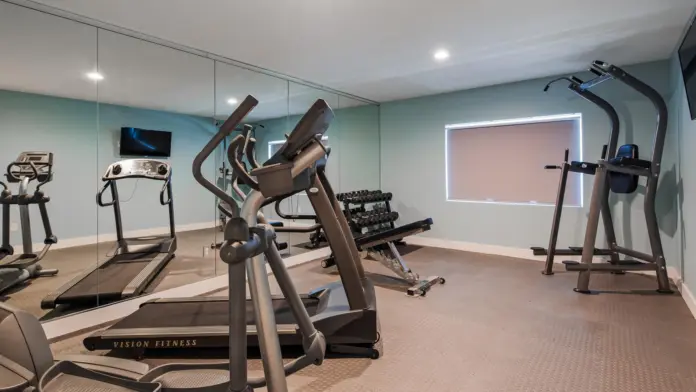
 Gym
Gym -
 Yoga Studio
 -
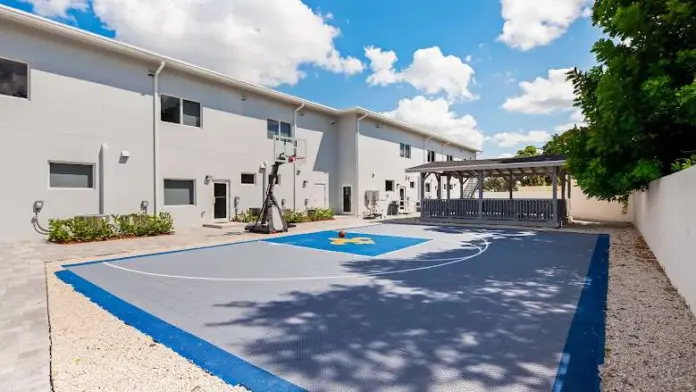
 Basketball Court
Staff
Dr. Alison Tarlow
Chief Clinical Officer
Stephanie Morris
Chief Nursing Officer
Laura Bonczek
Clinical Director
Stephanie Harrigan
Director of Operations
Rehab.com regularly reviews this listing for accuracy but changes may occur between updates. For the most up-to-date information, please contact Boca Recovery Center Florida – Drug Rehab & Detox.
Contact Information


971 South Dixie Highway
Pompano Beach, FL 33060
Sponsored Helpline


